
Families in Crisis: How Can We Help
Another Way for week of September 15, 2023
Families in Crisis: How Can We Help
People throwing things at each other ‘til the house or apartment is in chaos. Moms or Dads coming home drunk. And mean. Children shot in school, at home, in a park. Sometimes we don’t even want to know what goes on.
I read two books this summer about two very different cities/places in the U.S. but with a major issue in common: how our nation can do better for our children.
The books were published longer ago, 1995 and 2016, but trust me: I’m sure many of the same issues these families and children face have not changed or improved that much. Indeed, some families and communities deal with unspeakable crimes where adults and children get killed every day by drugs or violence.
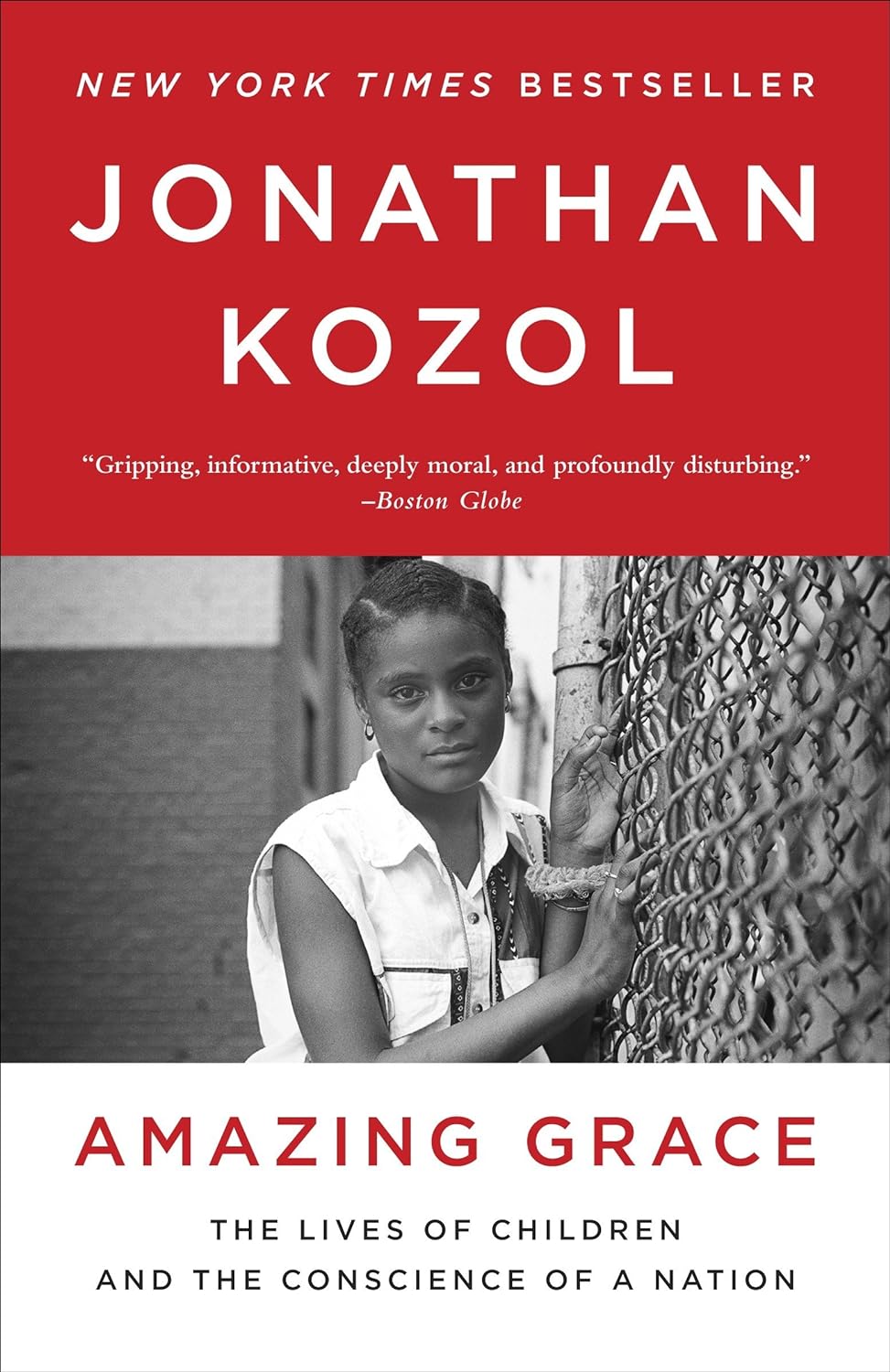
Jonathan Kozol, a writer of many award-winning books, wrote Amazing Grace: The Lives of Children and the Conscience of a Nation. This one focuses on children in the South Bronx of New York City.
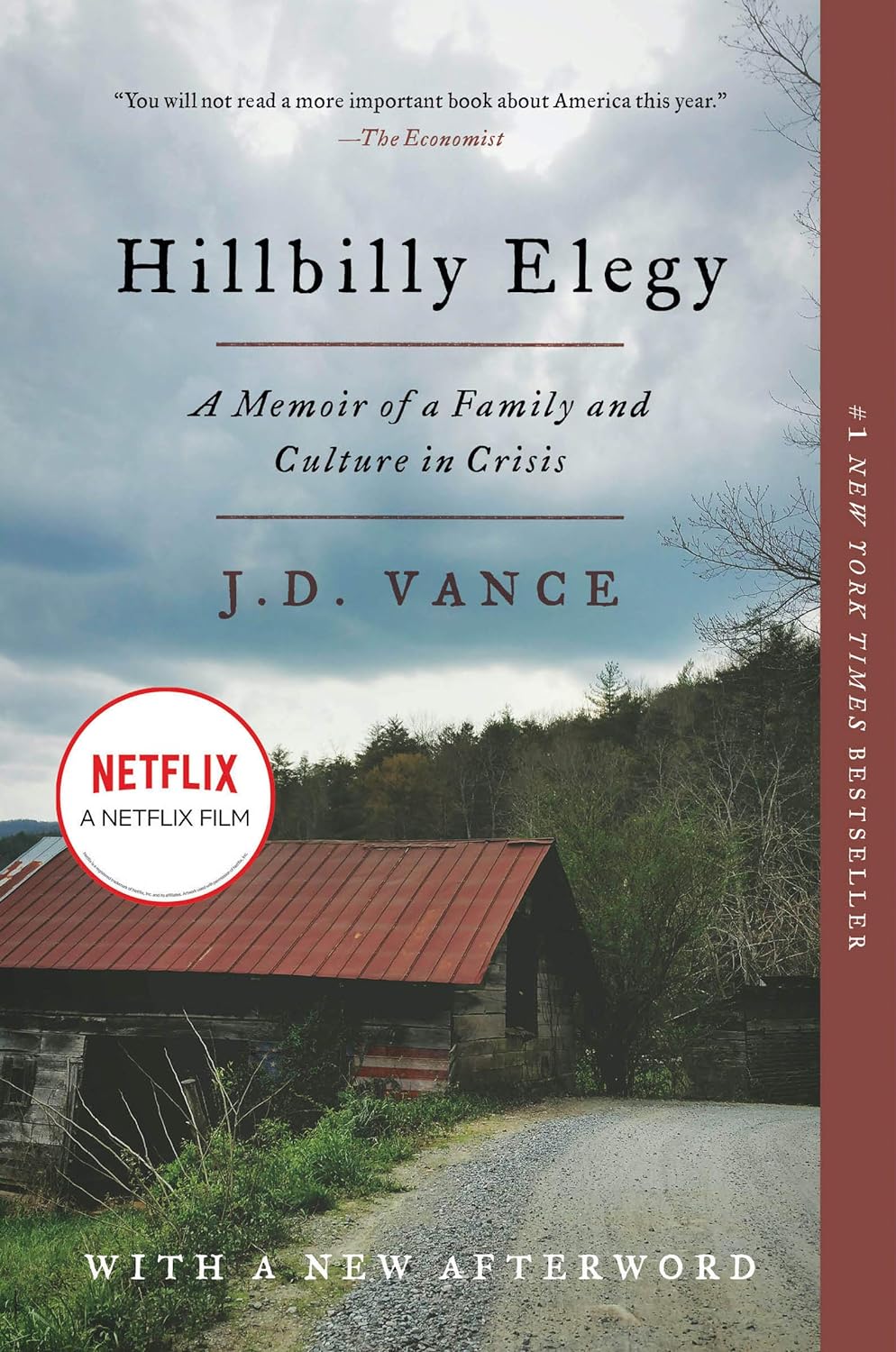
More recently, J.D. Vance, grew up in Jackson County, Kentucky (Appalachian region), near where I served a year in a church voluntary service program. His book is titled Hillbilly Elegy: A Memoir of a Family and Culture in Crisis, was a New York Times bestseller.
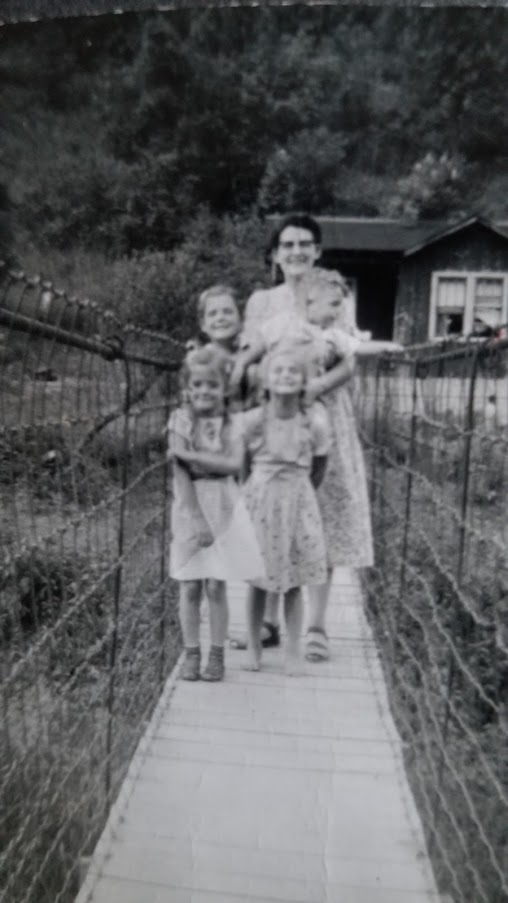
Our family on a swinging bridge in Kentucky many years ago. Mom and Dad helped a small church when the pastor needed a vacation.
Vance’s book caught flack over his use of the word “hillbilly” in the title, which can definitely be used as a put down for a person, community, or region. By the end of the book, you just empathize with the characters, many of whom suffered because drinking to excess, fighting, cursing, and using drugs was just normal behavior. It also details the migration north from Appalachia to areas that offered factory work with better pay, such as along rivers of southern Ohio. His alcoholic mother had a habit of swapping one live-in boyfriend for another, such that J.D. much preferred to live with his grandparents, even though his grandma, Mamaw used words with him that are not fit to print here. (That was just their culture.) But at one point, after a particularly sad fight among family members, little J.D. asked his Mamaw, “Does God love us?” At this, his grandma also broke down and cried. Vance was fortunate to rise above family and personal problems and eventually became a lawyer.
In the second book, Amazing Grace, author Kozol spends a year researching the lives of children and families in the South Bronx. Again, I felt some personal connection, due to a trip several of my office colleagues took to that area in the 1980s, as a way to learn more about the difficulties and tragedies in the Bronx and how similar crises were affecting many larger cities and even smaller cities. The Bronx was a place for street gangs of increasingly younger kids, and then the AIDS crisis began, and many public housing buildings were burned down—and of course, drugs and drug lords/crime bosses were rampant. Is this any way for children, anywhere, to grow up? No, never, but all over the world we know children go out and beg for their mom (or dad) and family, start early on drugs, and then end up selling drugs themselves.

My heart and mind were reawakened to the many difficulties and predicaments our small children and youth have to live with in many places. How do we help?
Katerina Parsons, writing in the Rejoice! daily devotional, reminds us of Mary’s (the mother of Jesus) “song” recorded in the Bible (Luke 1:46-55). Upon being told she would give birth to the promised deliverer (Jesus), speaks of lifting up “the lowly” and bringing down “the powerful.” Parsons notes “many church denominations have advocacy offices that seek both to meet people’s needs and to change the realities that create their conditions of need in the first place.”
God loves all children everywhere. We can volunteer, donate to organizations and needs that truly help people, or work with children in daycare programs or afterschool clubs. Perhaps the kids can begin to know God’s love.
If you’ve read either book or author, I’d love to see your comments.
And see your ideas on improving the lives and opportunities of children.
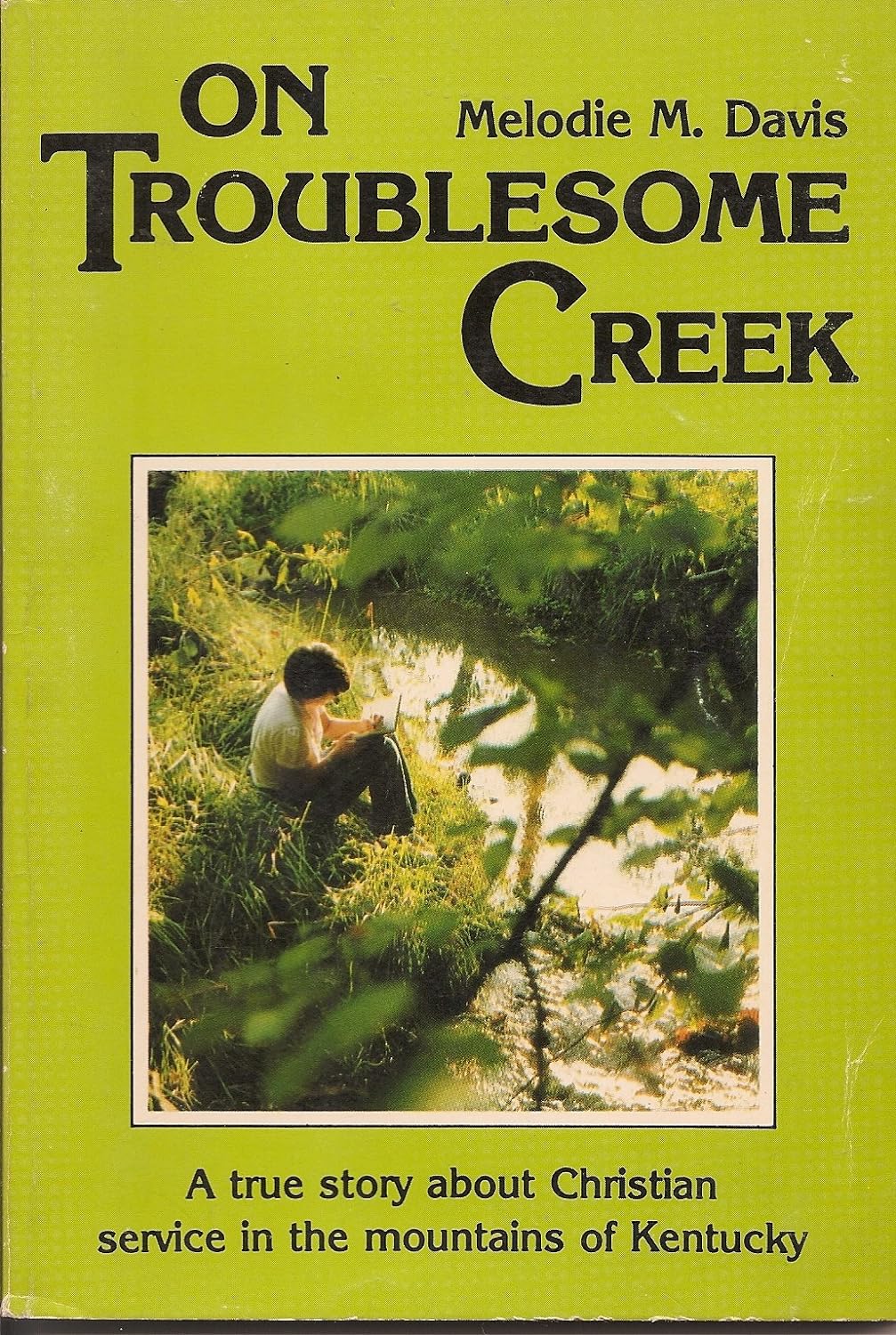
My book on life in Kentucky in 1970 is available here:
Comment here or share stories at Another Way, P.O. Box 363, Singers Glen, VA 22834, or email anotherwaymedia@yahoo.com.
Another Way is a column by Melodie Davis, in syndication since 1987. She is the author of ten books, most recently Memoir of an Unimagined Career. Another Way columns are posted at FindingHarmonyBlog.com a week after newspaper publication.

 findingharmonyblog
Years ago, Cliff did federally-funded art and music programs in Hazard, KY and the environs. He was happy to deliver cultural “food” to the disadvantaged children in the remote Appalachian area.
Like yours, our church has a food pantry. Sometimes I give a large packet of tuna to our grandson Ian to place in the wooden chest. “People who don’t have enough food often need protein,” I tell him. And for years now, my grandchildren have donated $$ for a water well or food for a family through the Samaritan’s Purse catalog. And every year one of the grandchildren shops with me to send clothing and toiletries via Operation Christmas Child. I see my role now as teaching the next generation to care for those in need and become givers too. Soon they’ll all be off to college, and I’ll miss their input.
Great ideas/actions all! I love that Cliff presented programs in Hazard! You have taught your children and grandchildren well.
May we all learn from your example and witness.