

Another Way for week of June 10, 2022
So God Made a Factory Guy
(With apologies to Paul Harvey, radio commentator, who wrote “So God Made a Farmer.” And if you’re not old enough to remember Paul Harvey, Google or Wikipedia him.)
God knew someone would need to do the work not everyone wanted to do, so God made a factory worker. The worker would often get up at 3 a.m. to be able to take his time in the bathroom in a place that was clean and off the clock, and then drive 45 minutes to work to make sure he was there by 5 a.m. Thus, God created the faithful factory worker.
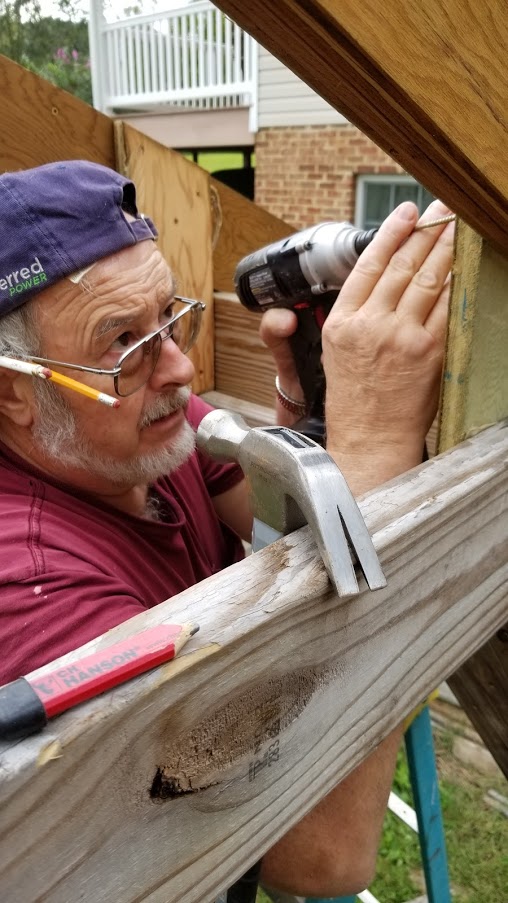
This worker-Dad would put in his 40 or 45-hour week and then sometimes be asked to also work Saturday and even Sunday if they were very busy, so God made a strong and dedicated factory worker.
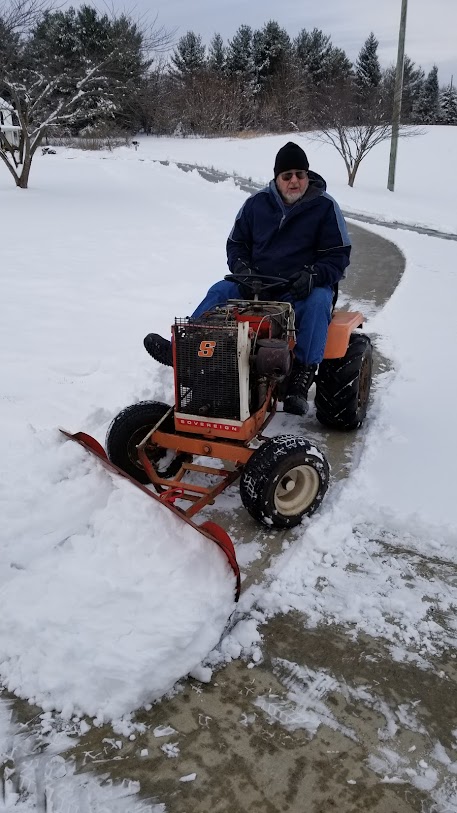
And on snow days when it seemed like every other business courteously closed to keep workers off treacherous and curvy mountain roads and Interstates, he would call the factory’s “snow alert” line only to hear the same broken message: “Our plant will be open today for work, but be safe. Use your own judgment.” And the factory guy wearily plowed or shoveled him/herself out at 2 a.m. to be able to arrive at the plant on time.
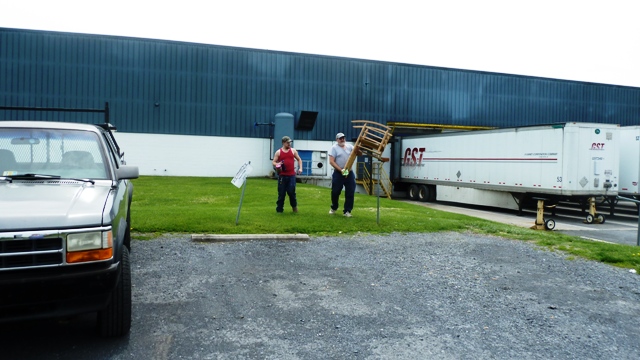
God knew the world would need men and women willing to run machines, drive skid loaders, keep track of inventory, apply noxious glazes or paint, and basically do anything the powers that be asked them to. So God made humble women and men whose shoulders slumped as they drove home and then sat in their cars or trucks for 5 to 10 minutes to get the energy to place their sore tired feet onto the sidewalk and go into their house or house trailer.

And on Friday nights when the worker came home he’d tell his kids or wife to PLEASE not answer the phone because he never knew (from experience) when his lead man/boss would call and ask him to come in to work the next day, especially if something special—like a birthday party or a trip to a zoo had been planned by the family. So God made a worker who sometimes kept the phone (before cell phones) off the hook.

The factory worker sometimes missed his child’s softball, baseball or basketball games because of work, but went when he could and sometimes felt sad and bitter that he couldn’t always get there on time.
The worker God made got used to gobbling his lunch down at work in ten minutes or less, so he’d have time to get back to his station in the huge warehouse. Thus God helped factory workers eat very fast and not take time to use the shabby and sometimes soiled bathroom stalls before hurrying back to work. Or if asking if he or she could go to the restroom, the response may have been “You can go when you get far enough ahead of your work load.”
Oh, and heat, or cold? The factory guy or gal has to live with sweat-inducing temperatures nearing 90 degrees inside the workplace in summer, and freezing fingers in winter. There may be some fans, but no air conditioning or adequate heating in those large spaces.
The man or woman sometimes felt stigmatized for not having the greatest grammar in the world, and for not knowing how to pronounce certain words, and having a southern or Spanish or other accent.
God nudged the factory worker to always remind his children to study hard in school and take it seriously so they wouldn’t have to spend their working years in a factory—unless they chose to.

Afterall, God knows the world needs factory workers who are happy to help make or process the things people need and want: cars, clothes, cupboards, china, candy, coffee, you name it.
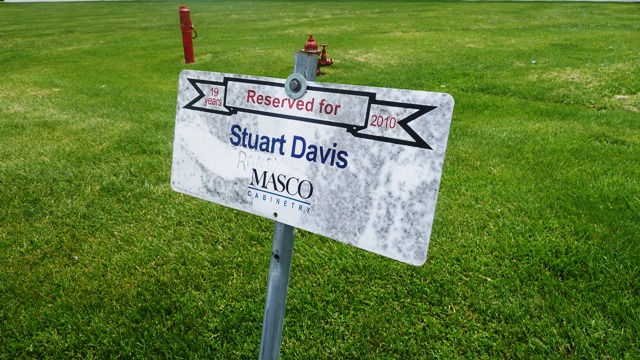
So, God made a factory worker, or two or twenty million, to whom everyone owes their unending thanks, appreciation, and respect.
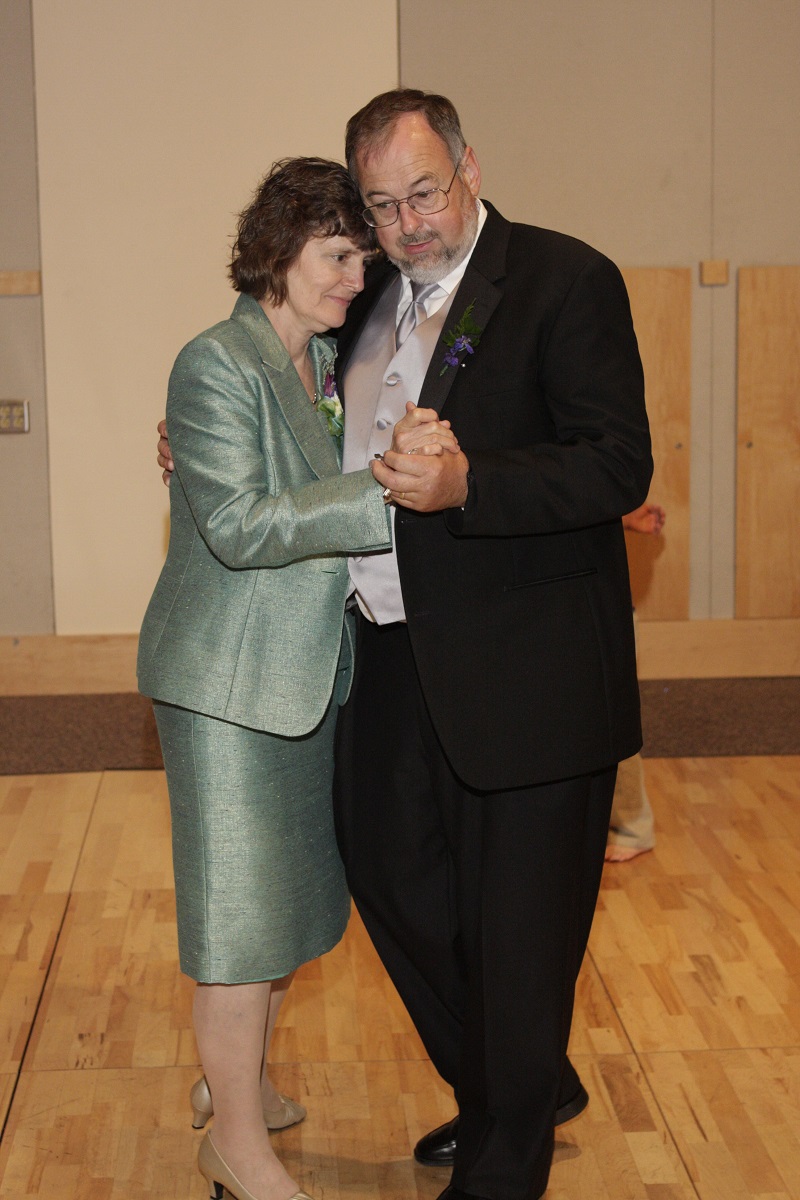
Happy Father’s Day to my hard working husband (photo from 2008).
***
Comments? Who have been the industrious, amazing men or women in your life!
We’d love to hear, here!
Or write to me at anotherwaymedia@yahoo.com or Another Way Media, P.O. Box 363, Singers Glen, VA 22834.
Another Way is a column by Melodie Davis, in syndication since 1987. She is the author of nine books. Another Way columns are posted at FindingHarmonyBlog.com a week after newspaper publication.
Another Way for week of June 3, 2022
The Column I Never Want to Write Again
I do not want to write this column.
None of us—Republican, Democrat, Libertarian, or “Whatevers”—ever want to get the kind of news again we got on May 24 out of Uvalde, Texas. It was a place most of us never heard of.
My heart—and all good hearts—break for the children, their friends, their families, and their teachers whose lives will be forever stained and stricken. And not just Uvalde. Everywhere.
You may have noticed I rarely take sides here or get into politics or write about too controversial of topics.
But on this we should all agree: no more shootings. And that takes guts for me to write. Other countries of the world do not have this same problem to the same degree that the U.S. has experienced for the past 10-20 years. Too many kids have died. Too many college students. Too many police officers. Too many teachers. Too many first responders. Too many families have had their lives and hearts ripped apart.
What can we do? We can ask that school doors are locked and supervised. That parents (or grandparents raising grandchildren) demand unlocked bedrooms for the children. That guns in homes, if any, are locked, secured, put away. That gun shops and gun shows which sell guns live up to their citizenship and make sure all buyers go through background checks, even wait periods. Other countries have extremely tough gun laws—and have very few shoot outs like the ones we’ve become way too accustomed to. We can ask that gun shop owners do right by their position in the community, and put the holds on sales until backgrounds are checked thoroughly.
We can be more vigilant about reporting kids or grown-ups who are acting—or announcing on their phones and other electronic media—their hatred, instability, intentions. We can urge that they get mental health help if that is the problem. We can beg Congress people, too worried about re-election to save the lives of innocent children, to pass stricter gun laws. Until recently I had not realized that the second amendment was put there essentially by the Founders because some Southern states refused to join the fledging new country in order to keep “militias to protect against uprisings by enslaved Africans,” according to columnist Leonard Pitts, Jr. and other historians.
We need to work to ban assault rifles for ordinary citizens: who needs an assault rifle except soldiers, police officers working to protect us, or perhaps bodyguards if you’re the president? With fewer weapons of that type floating around, gangs and drug cartels will perhaps have fewer weapons to turn to. What 18-year-old should have the right to buy an A-15 semi-automatic rifle? They’re not even allowed to buy alcohol, as it should be.

The problems are big and I don’t claim to have answers but we must work at reducing and eliminating active shooters at our schools. Right? We must stand up for children. We must come together or we will come apart as a country.
My grandfather was born on June 3, 1872. He was a good and decent man who I loved dearly. We were very close in his last years. My father was a good and decent man who I loved dearly. Mother and grandmothers too. I assume most of us had good and decent families. Let us unite as good, loving, people to do what we must do to end the carnage, to end the war over our children.
This is perhaps more controversial than usual. I am sorry/not sorry. My heart is bleeding, yes. Is yours?
P.S. I’m sending this to a few congress people, as one step. Feel free to copy or use.
Comments are welcome here or write to me at anotherwaymedia@yahoo.com or Another Way Media, P.O. Box 363, Singers Glen, VA 22834.
Another Way is a column by Melodie Davis, in syndication since 1987. She is the author of nine books. Another Way columns are posted at FindingHarmonyBlog.com a week after newspaper publication.
Another Way for week of May 27, 2022
Up for a Swim?
How did you learn to swim? In a pool? A river or lake? Did you take lessons or learn on your own? Or perhaps you’ve never learned.
I keenly remember my experience. We had a pond near a creek in one of our hillier fields on our Indiana farm. Over time, Dad built us a cute log cabin, added a brick grill, a picnic table and: a raft for the pond. That raft was the crowning touch for us kids and we loved to use paddles and poles to push ourselves around the pond. The pond also held bloodsuckers in the muck but that’s another story.
My older two sisters took to the water like fish and soon were not just swimming but jumping carefully off of the raft into the water. I watched with a certain amount of envy, fear, and desire. I got down into the water but couldn’t make myself let go of an innertube (for floating) or the edge of the raft. Daddy was an excellent swimmer and dared me, encouraged me, illustrated the moves, and probably inwardly prayed that I wouldn’t drown in the pond. Momma couldn’t swim either, and he so wanted me to learn.
One day when discussing the same old issue, he gently pushed me off the raft into the water. Abruptly I had to sink or swim. With some shock, surprise, and maybe a little anger, I started paddling—knowing my dad wouldn’t let me drown and getting more surprised by the second that I was staying up in the water. I wasn’t going under!
So “doggie paddling” came first and I began to finesse some arm strokes. Finally in college at a small school without a pool, the college arranged for us to participate in swimming classes at the neighboring state school, then named Madison College. This introduced me to the finer skills of side, back, and breast strokes, and even the butterfly stroke (never mastered). I would not ever recommend my Dad’s method of teaching me to swim but I’m thankful he truly launched me into the swimmer’s world. I think floating on my back in some quiet water is my favorite thing.
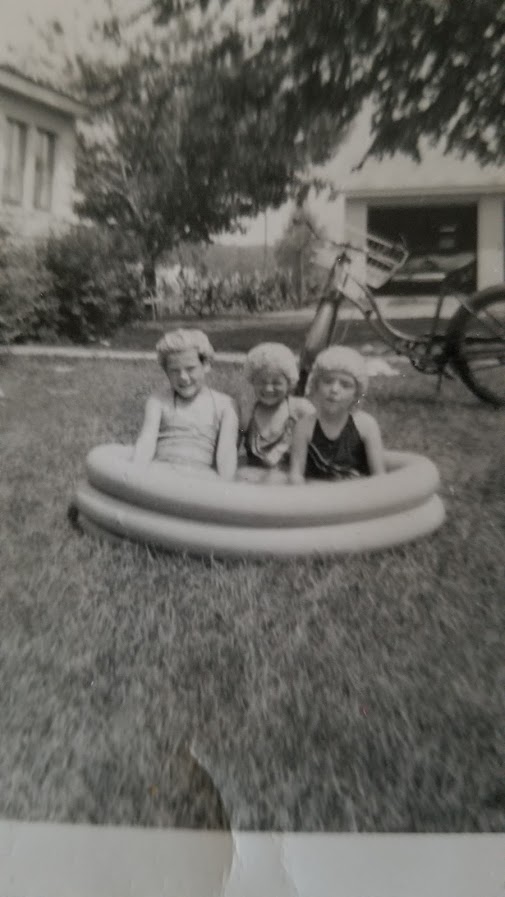
And I’m hugely grateful for a nearby retirement center’s pool and my husband’s push for us both to belong—mainly for exercise. We both have developed friendships and countless connections with the folks there. I used to hate the rigamarole of changing clothes, getting out of wet suits, rinsing out suits and so on, but it has now become a routine like brushing your teeth.
As young parents, we knew the importance of teaching our children to swim early in life. They all participated in the “Charlie Arnold Swim School” at the same college where I refined my strokes, which is now James Madison University. Since Covid, I don’t think the swim classes have been offered and other swim schools have been similarly curtailed. Unfortunately.
My Mom had a push too: not literally but a deep desire to learn to swim. So she took swimming classes at a nearby pool sometime after the age of 50. She enjoyed finally joining all of us in the water. I don’t think she advanced beyond doggie paddling, but she helped children get water exercise as well, as a volunteer during winters spent in south Texas. She and Dad helped children with mobility issues get in and out of the pool, and to play. We were all so proud of her and even though her legs became too weak in the wavy water of the ocean as she headed into her 90s, I know she was humbly proud of her earlier efforts as well.
Sometimes we need just a little nudge to move us in a good new direction. Jump in and try something new whether it is a hobby, a job, a position at church or in a club, or a class with other newbies doing something you’ve always wanted to try. You might surprise yourself!

Memories, stories, comments?
Share here or send to anotherwaymedia@yahoo.com or Another Way Media, P.O. Box 363, Singers Glen, VA 22834.
Another Way is a column by Melodie Davis, in syndication since 1987. She is the author of nine books. Another Way columns are posted at FindingHarmonyBlog.com a week after newspaper publication.
Another Way for week of May 20, 2022
Are Your Children Headed to a Summer Camp?
Summer is not far away. While some camps may be at capacity, I know that many church camps for children were covid-curtailed in recent years so it may not be too late to sign up children or grandchildren for a marvelous/challenging/astonishing week out in nature.
Yes, camps can be expensive but if it is a church camp, many have support programs through local congregations for reduced pricing.

That aside, what does camping do for children? Or families? Day camps for younger children are a good way to introduce children to the fun, learning, and friendships that can happen in that setting. There are many varieties to chose from: sport camps, drama, music, art, and birding camps abound in many communities. A week or even three days away from Mom and Dad can help kids learn and mature from nature, new relationships, and loving, teaching adults.
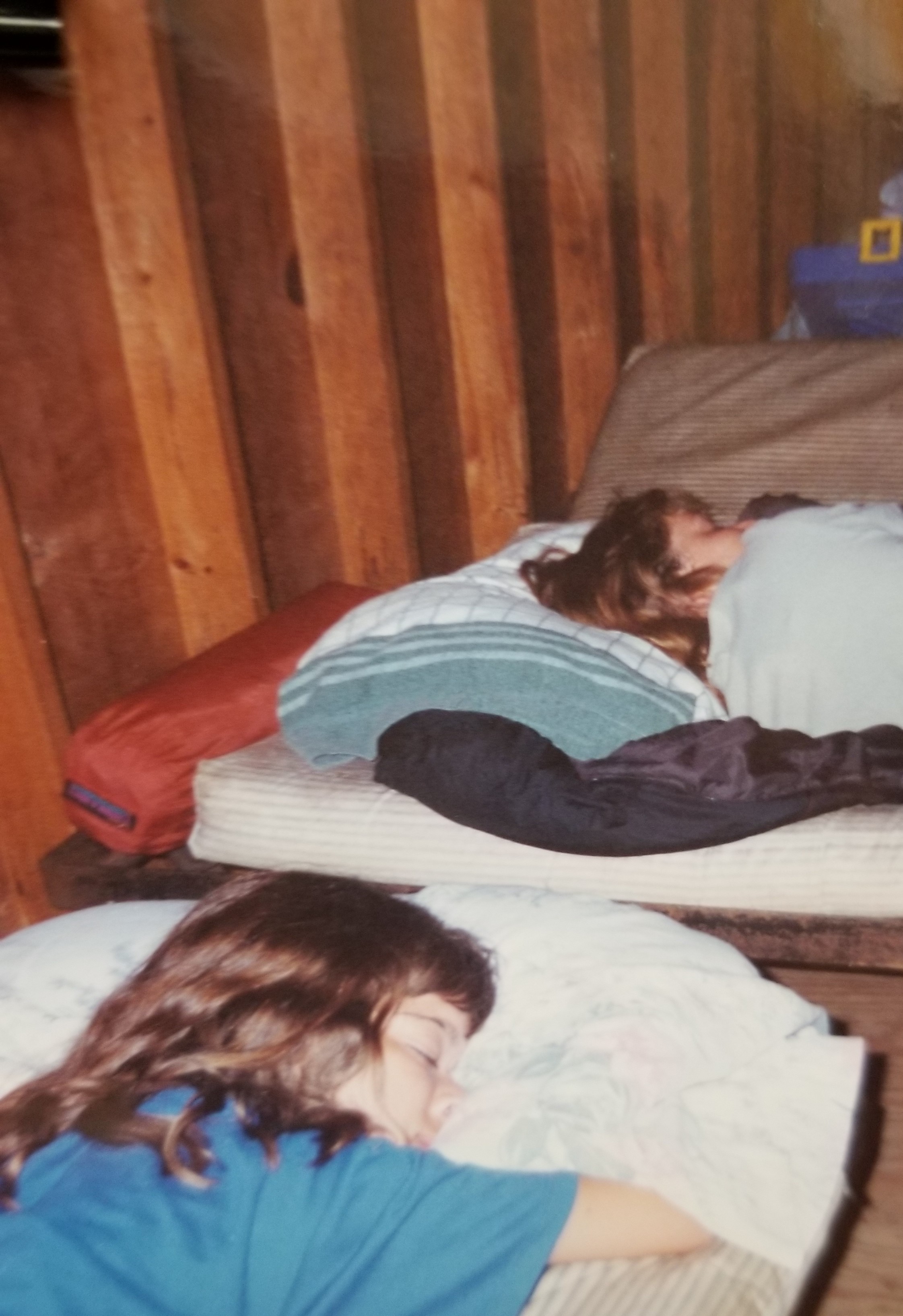
As a bit of history of camps for children, I was fascinated to learn that camps began in the 1870s—mainly for boys. By 1900 when my grandpa would have been a child, there were just under 100 camps known in the U.S. By 1918, there were more than 1000. (Google the history of summer camps.) In Indiana where I lived, church-related camps started spouting up in the late 40s and early 50s.
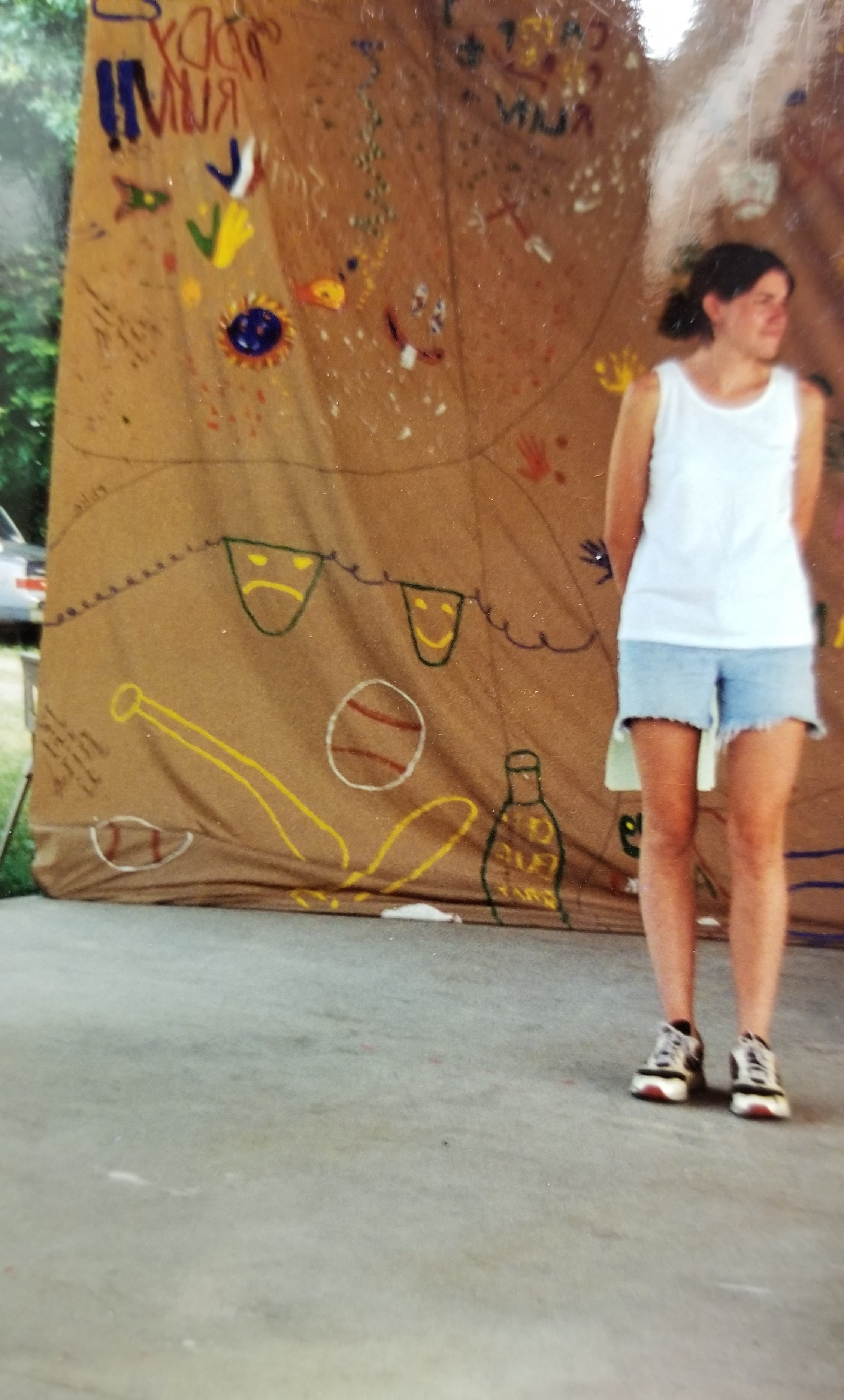
My camp experiences as a child were church camps. When I was very young, my parents took our family to several week-long family camps—one near Lake Michigan and one in Ontario—which was pretty exciting for all of us. Dad was a deacon at our church so it may have paid for part of our participation to help strengthen Dad’s gifts and leadership skills. Little Eden in Michigan held yearly “farmer’s family camp.” Dad and all of us enjoyed the fellowship and new friends made. Dad even talked me into leaving my precious pacifier behind in our cabin!
These early camping experiences prepared me for going to my first full-week away from Mom and Dad as a nine-year-old. I was excited to spread my wings and be like my older sisters. But a week can feel incredibly long at the outset when you’re nine. I was put into a cabin where I didn’t have any of my church friends. A camper in my cabin was experiencing extreme homesickness and kind of “attached” herself to me. Together we made other friends and survived (especially for the homesick girl) the week.
And with our own daughters, it was not my oldest daughter who got to go to camp first. Because of the way the camp scheduled their weeks, my second daughter was able to do “something first” before her big sister. She grew a little apprehensive (and we did too, I’ll admit) as the time neared. But she braved up and while we as parents were a little worried for her, I think she had a fine week and was happy to tell her sisters all about it when she got home. The dynamics of a family change when one member is away, and especially younger children may get to experience what it is like to be the “oldest sibling” for a change.
As I think back on the spiritual nurture and Christian education of our daughters, I give much credit to the experiences they had at our church camp. They came home eager to share songs they learned such as “Pharaoh, Pharaoh, we gotta go” to the old rock tune of “Louie, Louie.” They would boogey to the song in front of our whole congregation, producing smiles and wiggling bodies. They also participated in a music and worship camp in the wonderful Smoky Mountains, where they learned to sing beautiful choral music which they also shared with our congregation.

If you can’t tell, I highly recommend camping experiences for children if you can at all afford it. Choose carefully of course, and listen to the interests and goals of the children.
What memories does this stir for you?
Did you or your children/grandchildren get homesick the first time away at camp?
What did you or your children learn?
Comment here or share with me at anotherwaymedia@yahoo.com or Another Way Media, P.O. Box 363, Singers Glen, VA 22834.
Another Way is a column by Melodie Davis, in syndication since 1987. She is the author of nine books. Another Way columns are posted at FindingHarmonyBlog.com a week after newspaper publication.
Messing with Memoir – Cover reveal time!
May 23, 2022
Oh, heart be still! Today I received—by United States Priority Mail—the cover (and contents) of my memoir to be released this summer. (I have to proof the contents one more time.)
An author always holds her or his breath to receive the book cover—and in most cases, authors have little to no voice in what the artist or designer or publisher decides on. I was able to feed in some ideas, of course, and that’s normal, but the cover was in her hands.
And I like it!! I know my siblings will like it even if the egg basket we used on the farm is nothing like the fancy fun basket used on this cover.
And ta da: Here it is.

I told the designer at the publishing house that I was good with it!
Plus, the young woman on the front is about 40 years younger so: no wrinkles! And if you peer closely, you may nod and say “Oh yes, I used to use a regular typewriter like that!”
And now, it’s your turn to say what you think. Love it or not, I think this will be the final cover.
What do you think of it? Does it communicate?
Does it look interesting? Do the eggs make you wonder—what?
Comment on Facebook or right here if you prefer! I’d love to hear from you.
Another Way for week of May 13, 2022
Some Ancient Ink and Chocolate Cake
Two Sundays after Easter we went to a very small burial and memorial service for a 99-year-old man from our church. He wanted to make it to 100, but that was not to be.
Three women (sounds Biblical, yes?) came from a distance to help bury their beloved friend’s ashes. None of them were blood kin of the man we were remembering and honoring. He had an unusual name, Bolling Nalle. One of these women brought—not ointment as in the days of Jesus’ burial, but chocolate cake: Bolling’s favorite treat.
Bolling and his wife Daisy had no children, no living relatives at this point except his wife’s cousin who lived too far to attend. Bolling and Daisy were founding members of our church in 1963.
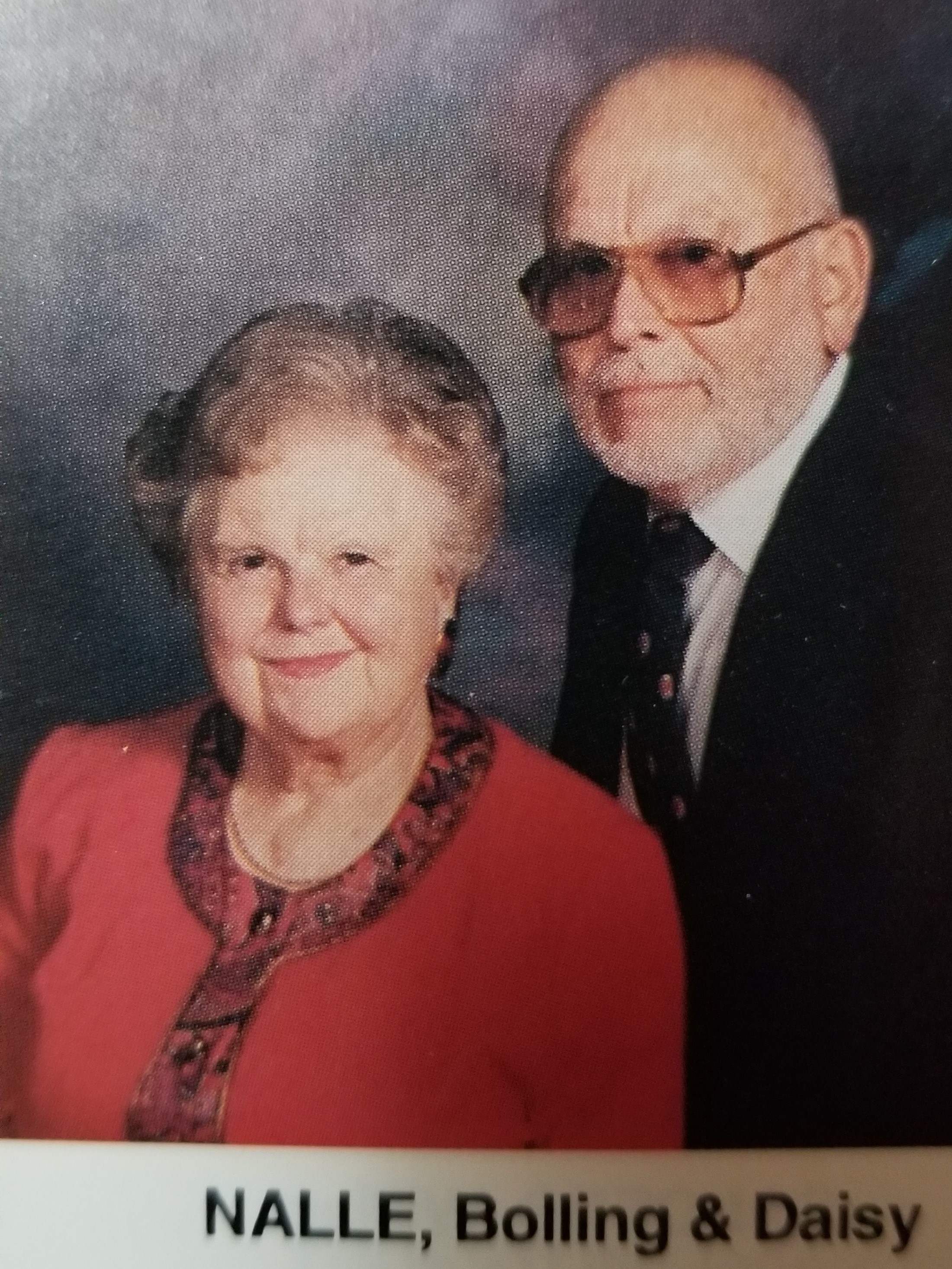
Bolling married Daisy later in life, so they never had children, but he enjoyed sharing his beloved horse (who was kept in a large fenced backyard) with young friends from church and the neighborhood. The Nalles also enjoyed traveling the world including all seven continents. They were not young when they visited Antarctica and I remember being a bit blown away by photos at church from that exotic part of the world. Bolling, after serving in the Navy in World War II, worked for a company that tested dairy products. Daisy was a pro at writing and following by-laws for organizations, and served 31 years as deputy clerk for the U.S. Federal Court (Western District of Virginia).
Altogether 13 of us gathered, including our pastor, who led us in a short service of committal and sharing our stories about this almost-centenarian who had touched our lives in one way or another. Bolling would have been happy with those who showed up. We were 12 women and one man, my husband. So many of Bolling’s other male friends at church were already deceased, or unable to get around, or dealing with memory issues.
After Bolling’s wife died and he could no longer come to church, my husband Stuart and I went to share communion with Bolling every couple months. The men enjoyed teasing each other about their beards, their bellies, their old times at church. Then Bolling and we would get down to the other purpose of our visit: informally but reverently participating in a short Lord’s Supper service of scripture, prayer, bread and grape juice. It was a special time.
The last time we visited was late on a Sunday afternoon in January, and the residents at his very lovely and caring nursing facility had already begun wheeling out of their rooms to gather for supper around a beautiful long wooden dining table. The aide on duty gave Bolling a hug and offered drinks for both us and Bolling. He wanted hot chocolate.
Years earlier when Bolling and Daisy were moving out of their spacious, perfectly kept home in town—they opened their doors to church friends and neighbors to stop by, look over the things they were not able to move with them to their apartment at Virginia Mennonite Retirement Community—things we could maybe use or remember them by.

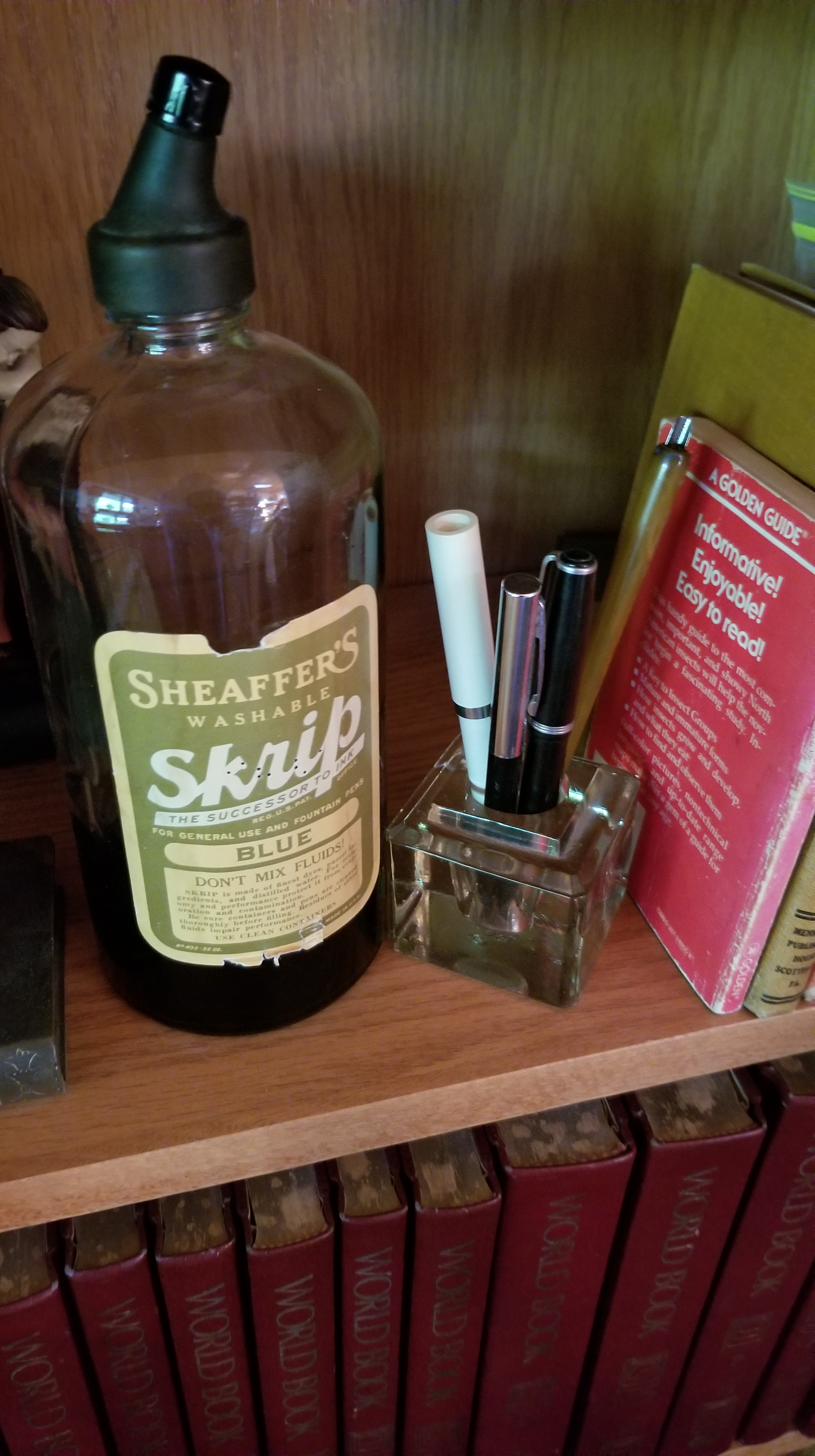
My special gifts were an antique bottle of Sheaffer’s Script Blue ink, a glass inkwell, and three fountain pens that I’ll probably never use but love admiring them. Bolling and Daisy knew I was a writer and I think that’s why they set aside those items for me. My husband got several well-organized containers of shop gadgets and supplies such as hose spigots—that he’s actually used.
Everyone needs at least a small memorial service or gathering recognizing the quirks and hard work and love they shared. Everyone needs a community of folks to remember them, honor them. Topped off with homemade chocolate cake!
What are any unusual treats, dishes, or desserts–that a loved one has loved–that you ate or shared at a funeral, memorial, or celebration of life service?
Other stories or memories or rituals? Share here!
Or send to anotherwaymedia@yahoo.com or Another Way Media, P.O. Box 363, Singers Glen, VA 22834.
Another Way is a column by Melodie Davis, in syndication since 1987. She is the author of nine books. Another Way columns are posted at FindingHarmonyBlog.com a week after newspaper publication.
Another Way for week of May 6, 2022
Soccer and Baseball Moms and Dads

Are you a soccer or baseball Mom or Dad, or perhaps Grandpa or Grandma? As spring unfolds into summer, you certainly see many a minivan or Suburban trekking to wide athletic fields, chockful of little ones decked out in red, blue, or green, and so so proud of their uniforms.
We enjoyed a whirlwind Saturday recently with our oldest daughter’s family and managed to celebrate a birthday, take in two soccer games, a “Fun Fair” fundraiser held at their elementary school, rest time, and a super quick birthday celebration. We had gluten-free cupcakes and apple slices before the next game at a field eight miles away. And just a few wrinkles in between, like the food truck that didn’t show up offering lunches at the elementary school fair.
We have joined our daughters, sons-in-law and grandsons several times at baseball or soccer fields here in Virginia and Ohio. If we lived nearby, I’d love to go more often. But! I’m reminded also of how stretched and strenuous keeping up with multiple games and practices—along with managing jobs, homes, and dinner—is.
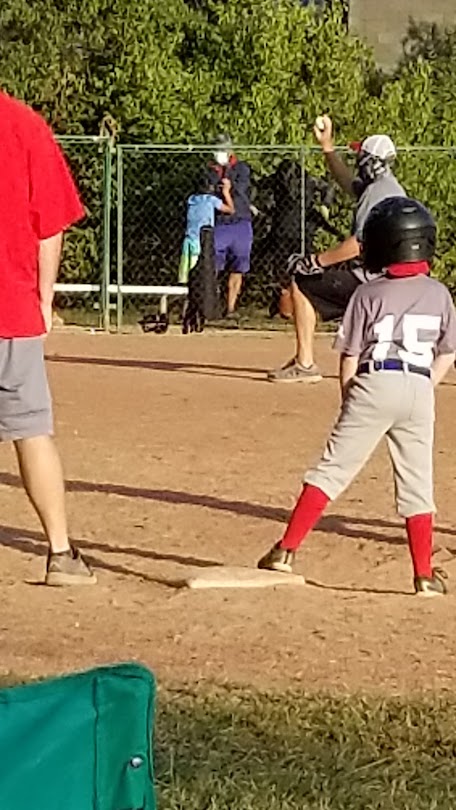
I will add that to me, neither family is excessively scheduled: so far, they’re not doing music lessons or multiple sports leagues at one time. One family does Boy Scouts and the other is currently doing TaeKwonDo lessons each week.
“We’re doing something every night this week except one!” one grandson exclaimed to us on their weekly Sunday night phone call. I chuckled inside—knowing that makes for a lot of go go go. The whirlwind birthday my oldest daughter experienced reminded me of the time we had a rolling birthday party years ago in the minivan for her—moving between band practice (I think) and her French horn lesson, maybe. It’s a bit fuzzy now.
And thus I will remind all moms and dads and maybe grandparents too that the stress and running and juggling of so many balls eventually subsides. They go off to college (some), find jobs and move out (some), get married (eventually, for some). If families are scattered across time zones or oceans, the grandparents try to juggle traveling to visit as often as they can—and stay in touch across Zoom and Facetime.
Some grandparents are raising second families—now that is a real challenge and sometimes a heartache. As our bodies age, it is ten times harder to do all the things we were able to do in our 20s or 30s. My hat and heart go out to all who find themselves in that role. In such families there is neither time nor energy nor funds for any extracurriculars. But the love these grandparents share with their little ones comes in bushels.
The important things these experiences teach is not just a Sport and Sportsmanship, but Exercise, Effort, Friendships, and Fun. Remember these SS, EE, and FF goals.
You might be like my daughter who took a look at the soccer program for three-year-olds and shrugged her shoulders and said “Why?” Why stress out getting a third little guy to a playing field at an appointed time? His time will come, but it’s ok to have some little ones sit on the sidelines or kick a ball around in the back yard. The strategies in playing a real game are a little beyond the brains and bodies of kids just out of diapers, right?

We were amiss and afoul of sports for wee ones with our own girls, and yes, they may have missed out on some opportunities. When our girls finally went out for softball and basketball, we realized that other girls their ages had been playing since they were four. So we were clearly behind the 8-ball on that. But they took up music and drama which were their bonding and friendship circles through both high school and college (in one form or another). So we never looked back or regretted not really getting into extracurricular sports.
Enjoy what you can but don’t worry about making future NFL or MLB or WNBA players. Help children choose sports and activities that interest them, cheer them on, but keep it fun.
***
So, how did you or do you handle sports and other extracurricular activities for your family? We’d love to hear your thoughts and stories.
Drop a note here or share with me at anotherwaymedia@yahoo.com or Another Way Media, P.O. Box 363, Singers Glen, VA 22834.
Another Way is a column by Melodie Davis, in syndication since 1987. She is the author of nine books. Another Way columns are posted at FindingHarmonyBlog.com a week after newspaper publication.
Another Way for week of April 28, 2022
When a Puppy Goes to Prison
Have you heard of dogs going to prison? No, not a dog pound or a shelter for homeless pets, but living in a real prison?

Well, I hadn’t but learned of a heartwarming program that helps at least a trio of creatures: two or more people and one dog.
At a number of medium to high security prisons where some inmates are doing life sentences, some are involved in a program that rescues young puppies who might otherwise be euthanized. Inmates spend a year teaching a dog how to follow the commands of their eventual blind owner.
Leader Dogs for the Blind, a program of Lions International (my husband and I belong to a local Lions Club), provides training for these service dogs. There are many individuals involved in this training. Not all breeds of dogs are suitable and the program works carefully to make sure the service dogs have the right personalities for the job.
After the dogs are trained by the inmates, they are donated to sight-impaired individuals who continue training the dogs as they live with and love these loyal canines. They must develop absolute confidence that the dog will guide and protect them even crossing busy streets in city traffic. The dogs enable those with sight issues to pursue education, jobs, and family life.
Can those who are serving time be trusted for this job? Do they and the dog succeed? Yes and yes. The inmates have been very successful in training the dogs—carefully guided—partly because they can work with them all day in their cells or outdoors and have them basically 24 hours a day. In one video on YouTube, you can see an inmate telling the dog to stay behind a line at the door of their cell, and the dog stays. The dog doesn’t know it is a prison, it is just his/her home. Leaders say the inmates enjoy feeling useful and being a contributing member of society—even if currently imprisoned.
Jim McKinney, warden at an Iowa prison wanted the program for their facility. Some were at first uncertain that it would work. But McKinney says that when they first brought in puppies, some inmates responded in excited little kid voices: “Oh look, a puppy!” Seeing that, McKinney felt there wouldn’t be a problem getting inmates to participate. “Prison-raised dogs are more likely to successfully become a Leader Dog than those trained in a home setting,” noted McKinney. There were about 90 puppies in the program in their facility at the time a video “Leader Dogs for the Blind Puppy Raising Program” was made.
The sad part is saying goodbye to the dog when the training time is complete. But that is part of the bargain. The prisoners get a puppy and begin the dog’s training from day one, and many of the inmates come to feel totally attached to the dog. But they know that the dog will go on to help a person who cannot see—who will have a less difficult life as a visually impaired person.
After dogs have been trained, in the Lions’ program, sight-impaired persons at least 16 years old (no upper age limitation) go to a facility in Michigan and meet and work with a dog for 26 days to bond and learn commands. If things work out, they take the dog home and continue honing their relationship and leading/following roles. The program is free for the recipients.
The good news is that very few of those who’ve trained dogs end up going back to prison themselves. I was delighted to learn there are many other “dogs in prison” programs, and not just training dogs to guide the blind. One report said there are 290 prisons across all 50 states that have implemented dog programs. In 2017, Kevin Earl, from University of New Haven researched the trend. He notes that dog-training programs in prisons are “working toward goals related to recidivism.” (Recidivism is the rate at which people end up returning to prison after being rehabilitated and released.) There are waiting list of inmates who want a dog—those hoping to do something better with their life.
The inmates, the service dogs, and the people they help get a second chance at life.
***
Your thoughts? Have you heard of these programs?
Do you know someone with a leader dog? I’d love to hear!
Comment here or send to anotherwaymedia@yahoo.com , or Another Way Media, P.O. Box 363, Singers Glen, VA 22834.
Another Way is a column by Melodie Davis, in syndication since 1987. She is the author of nine books. Another Way columns are posted at FindingHarmonyBlog.com a week after newspaper publication.
Another Way for week of April 22, 2022 by Melodie M. Davis
Doing Life

Two of our grandsons (and their parents—important people!!) visited recently and we got out our old game of Life. The grandsons had never played before (ages 5 and 8) and we had probably not played in 20 years. So we were a bit rusty and also intrigued and fascinated by the salaries offered and the expenses of raising those little plastic stick children that you plug into the back of your six-seater minivan. Reaching the goal of a million-dollar nest egg, though, seems about as far off now as it did 20 years ago.

The five-year-old soon bowed out and played nicely by himself as five of us entertained ourselves with what we children found to be an exciting board game back in the day. The creator of the game of Life, Reuben Klamer, died last fall at the age of 99, two years older than my mother who also died last fall. The game has gone through various incarnations and versions.
On the TV game show, Jeopardy, recently there was a Final Question phrased something like “A game that can be played by literally everyone on earth.” I begged to disagree with the Jeopardy question writers because while technically it can be played all over the world, I think residents of Antarctica, farmers in Iowa, miners in various countries of Africa, or the Australian outback would have trouble connecting with the North American suburban setting of the game.
After doing some online research, I have an inkling of where the question writers came up with that phase “can be played by literally everyone on earth,” which was first used in marketing the game. I understand the idea that Klamer was playing with—that life is something that “every single person experiences, so the market … was literally everyone on earth,” as New York Times quoted the maker (September 20, 2021). The Milton Bradley game company had earlier invented a game called the “Checkered Game of Life” which “rewarded virtue and punished vice.” Klamer’s Life game didn’t include much about vice, but as the game evolved over the years in various versions, playing options included cards that rewarded players for their community-building and charity efforts—that help build a more rewarding life.
As we moved our little vehicles around on the board, a different kind of “reckoning” (as you do at the end of the game) occurred for me as I thought about my age now and how young I was when we played with our daughters. And how VERY young I was when I played with my sister’s homemade Life game. (She concocted game boards for Life, Clue and Concentration!). Now I have lived through many of the seasons of real life: choosing a career, landing a job, a marriage partner, having children, grandchildren, buying a home, paying taxes, collecting a salary, donating to charities.
What a gift we’ve been given: one solitary life to live as we choose—but having no choice about where we were born or to what parents. Those of us with Christian parents are blessed to have been given the chance to grow up in a loving atmosphere. Of course, not all Christian parents choose well though: meting out abuse of many kinds, emotional instability, parents who have wrong ideas about what it takes to raise children. Kids as they grow up also bear responsibility in choosing wisely—steering clear of drugs or friends and places that drag them down. Heartbreak, trauma, and bad choices occur in the best of families and the best of locations.
Our hearts must go out now to those in the worst of circumstances such as war, famine, pandemic, losing homes as refugees, and natural disasters. God loves all and though we don’t understand how these terrible things are afflicting so many, we pray and pour out our hearts for all in harms’ way in this journey through life. Amen.
***
What memories does this stir for you?
Did or do you have the game of Life? What was/is your favorite board game? (Candyland is one I always refused to get our daughters… not my fav.)
Comment here or share with me at anotherwaymedia@yahoo.com or Another Way Media, P.O. Box 363, Singers Glen, VA 22834.
Another Way is a column by Melodie Davis, in syndication since 1987. She is the author of nine books. Another Way columns are posted at FindingHarmonyBlog.com a week after newspaper publication.
Another Way for week of April 15, 2022
A Happy Easter For All?

What do you remember about Easter when you were young? For the three girls in our family, there were new dresses—sometimes homemade by mother. When there was more money than time, she bought dresses for us and I remember being very excited by a satiny flowered lavender dress with a large skirt and puffy sleeves. There might have been new shoes and socks in a really good year. Sometimes even hats! My younger brother would sometimes get a new suit (never homemade)—which was usually outgrown by the following year.

Certainly, we colored Easter eggs—real eggs that were plentiful because we lived on a poultry farm. Mom would save some back for a week or two before Easter to make the eggs easier to peel for making deviled eggs or pickled ones. My oldest sister would help with organizing the cups we put the dye in—older stained or chipped mugs or coffee cups that we kept on a shelf in the basement pantry—and only got them out once a year to dye Easter eggs. It was a messy affair, but by spreading newspapers on the old metal kitchen table, clean up was easier.
We always played “hiding Easter eggs” long before Sunday. Inevitably we’d forget where one or two were hidden and Dad discovered the stinky evidence while mowing many weeks later. Dad and Mom never bought us Easter baskets, a tradition in some families. I think they figured new clothing was enough. We were sometimes given hand-me-down baskets from aunts or friends—so we did have some to play with.
Our most memorable Easter Sunday morning was the Sunday we woke up to our house on fire. It was a roof fire, and Dad was able to mostly get it extinguished before the firemen arrived. But it was a hot mess in an upstairs closet which the chimney bordered. We were late to church, but oh so thankful that the fire wasn’t worse.
This Easter I’m especially remembering my mother and father, now both in a place we call heaven. Whatever it looks like or wherever it is, we know our spirits will be in a place of joy, happiness and love, and somehow in the presence of God and Jesus. Dad died in 2006 on a Sunday morning about three weeks before Easter. He had to walk with a cane the last dozen or so years of his life after being confined to a wheelchair for a period of time. He had been told by Mayo Clinic in Rochester, MN that he would never walk again. He worked hard to prove them wrong, advancing to a walker and then just a cane. But, I remember him saying how happy he would be to discard his cane in heaven.
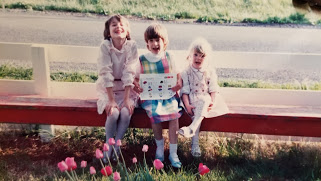
Of course this Easter my siblings and I are certainly thinking much about Mom, who died this past October. I feel she is thrilled to finally be reunited with Dad and so many friends, family, siblings this Easter—and not have to worry about the physical problems that she dealt with in her final years.
But this season we are distraught by many other presenting problems in Ukraine and bordering countries, in many parts of Africa, the Middle East, Central and South America, the Far East. We are burdened and dismayed by the millions of refugees longing for their own homes, pretty clothes, and Easter eggs to paint or hide. Even in our own country, people beset with personal, drug, financial, and family problems, are left on our streets and in homeless shelters.
However we conceive of a future spent in the presence of God, I believe that Christ’s death on the cross—out of his everlasting and deep love for us—has made it possible (in spite of problems and suffering on earth) for all who love Jesus to have an “Easter morning” resurrection. Not literally on Easter, but after death we will be welcomed into the presence of God. Alleluia!
***
At our church, it is the Easter Season–seven Sundays when we sing Easter songs and celebrate as well as reflect on the meanings. What is the practice at your church or congregation, or privately?
***
Your Easter memories? Hopes and joys?
Comment here or send privately to anotherwaymedia@yahoo.com or Another Way Media, P.O. Box 363, Singers Glen, VA 22834.
Another Way is a column by Melodie Davis, in syndication since 1987. She is the author of nine books. Another Way columns are posted at FindingHarmonyBlog.com a week after newspaper publication.

 findingharmonyblog