

Another Way for week of November 6, 2020
Surviving and Coping in This Exile
We call it the pandemic or the virus or I’ve heard some call it the plague. But the result is exile. Many of us are living in exile from family, friends, colleagues, and especially, church.
I was struck by that thought reading a devotional magazine Rejoice! where seminary dean, Valerie Rempel, describes how people in the Old Testament were exiled to Babylonia. Some 70 years later they wept as the priest Ezra read scriptures when they were finally able to worship together again. Nehemiah (the governor and cupbearer for the king) worked long and hard to restore the walls, gates, and temple in Jerusalem. Various groupings of workers came together to also repair partially ruined houses. When it was over, men and women gathered in the square with Ezra positioned high on a hill where everyone could see him.
The Bible in Nehemiah 8:9 speaks of them “weeping as they listened to the words of the Law.” Ezra told them not to weep, but I think these were happy tears, tears of rejoicing and maybe some feeling sorry for themselves.
“Then, the fifth time, Sanballat sent his aide to me with the same message, and in his hand was an unsealed letter in which was written: ‘It is reported among the nations—and Geshemsays it is true—that you and the Jews are plotting to revolt, and therefore you are building the wall. Moreover, according to these reports you are about to become their kingand have even appointed prophets to make this proclamation about you in Jerusalem: “There is a king in Judah!” Now this report will get back to the king; so come, let us meet together.’
“I sent him this reply: ‘Nothing like what you are saying is happening; you are just making it up out of your head'” (Nehemiah 6: 5-8).
Nehemiah even has reports of fake news. I was almost amused to read this scripture about the after effects of Nehemiah restoring the walls:
So fake news is nothing new.
There’s lots of stuff in Nehemiah to ponder in these days of separation and anguish. With exile lasting some 70 years, no wonder the people had forgotten the basis for their faith.
I know a lot of us have felt sorry for ourselves during this pandemic. I feel especially keenly for families not allowed to visit kin in nursing or retirement homes, and for those unable to have real memorial services for a deceased loved one.
I’ve felt a little pouty too, primarily when it comes to friends and family that we can’t just visit without being careful and without worrying if we are infecting someone unknowingly or they us. It is no way to live.
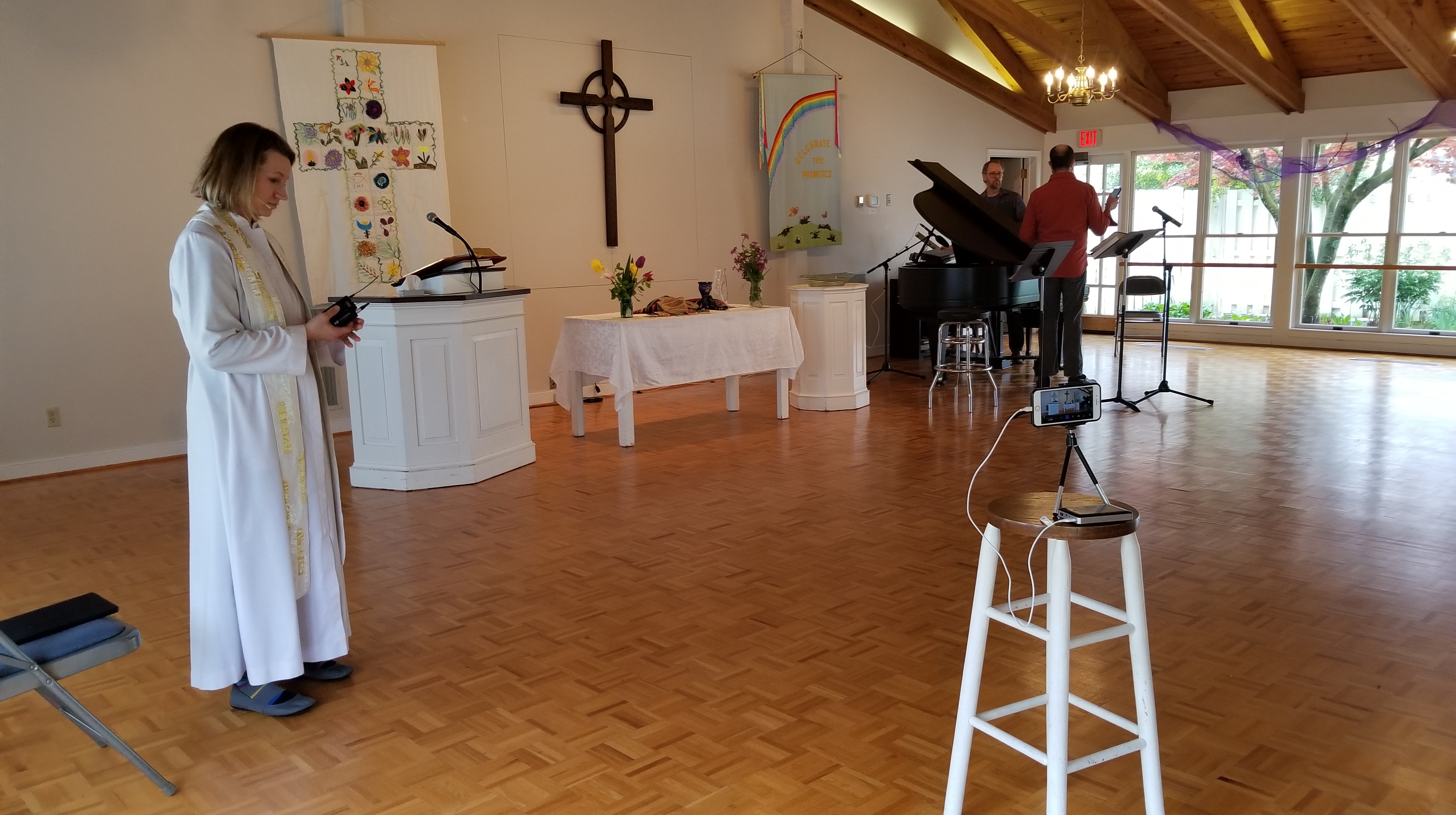
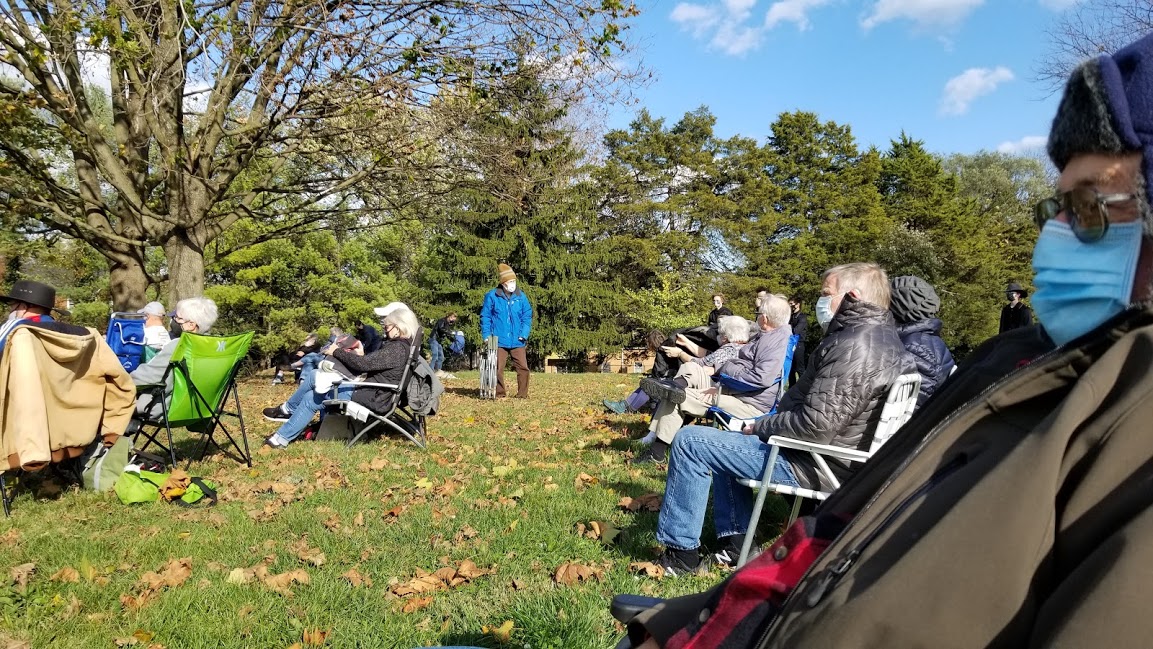
I think many of us at our church will weep when we are finally able to return safely to worshiping in the beloved little sanctuary of our smallish church. We have had music gatherings on the church lawn and fellowship and game nights via Zoom. We have attended worship by Facebook most Sundays. Visiting my 96-year-old mother in September, we were able to take her to a parking lot worship service at my home church which was installing a new pastor. Mom sat in our minivan while I stood outside and tried to help her understand what was going on (they lacked a radio frequency for the worship that Sunday). I squeezed back tears.
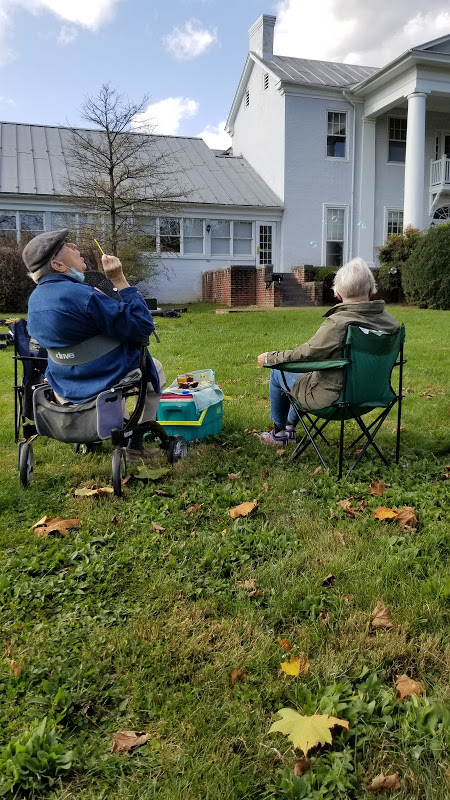
Others have shared blessings from this very difficult season of our lives. A church friend said she is “back teaching French—a class of one—for her 10th grade grandson.” He will actually get credit for the private course. My middle daughter says her sons have learned to know each other much better than when one was in daycare, and the other in a separate class or kindergarten. They’ve improvised creative play together as their imaginations take them on journeys of the mind.
Interestingly, we have had eight new adult members join our join during this tumultuous time, and even though our worship is only conveyed via Facebook. I invite you to joint our streaming service Sunday mornings at 10:00 a.m.
Let us continue to remember and pray for those suffering and losing loved ones, and those taking care of patients amid this exhausting virus.
***
Subscribe to the Rejoice! devotional that I love to use, and that I occasionally write for. Plus, other Rejoice! writers compiled a special edition out of this time of exile, that you may want to buy for yourself, family member, pastor, or a friend. It is FREE! Check here.
Other comments? Contact me at anotherwaymedia@yahoo.com or Another Way Media, P.O. Box 363, Singers Glen, VA 22834.
Another Way is a column by Melodie Davis, in syndication since 1987. She is the author of nine books. Another Way columns are posted at FindingHarmonyBlog.com a week after newspaper publication.
Ten Mistakes Not to Make in Cooking

Most of these are mistakes I’ve made—and some of them turned out well anyway, even better than hoped!
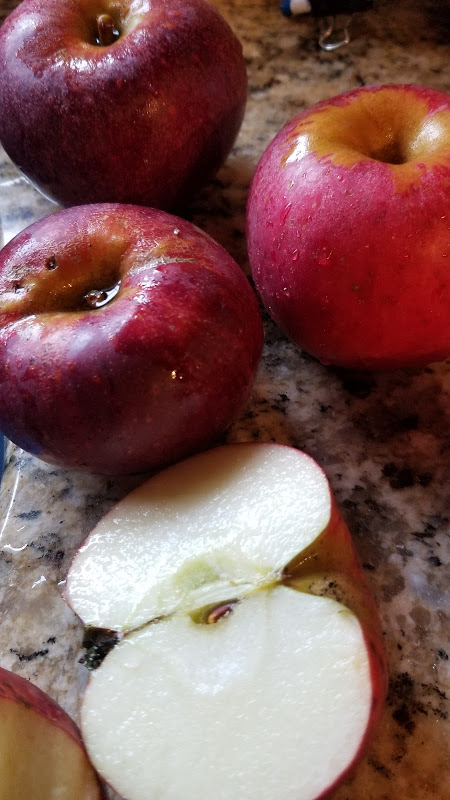
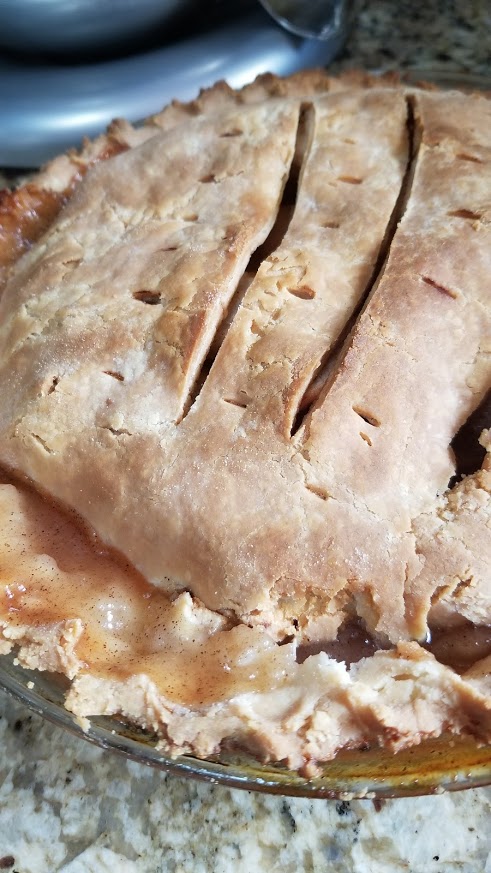
- The pie where I used only ¾ cup of flour, not a full cup. I made two apple pies last week; one for my husband and me (and a piece to share with a friend). I also made a gluten free pie for my daughter’s family who have a son with celiac. In the pie I made for us, the crust ended up being extra tender and flaky. The dough stretched to be just barely enough for a top and bottom crust in a nine-inch pie pan. While cleaning up and washing my dishes, I noticed I had used not the 1 cup measuring device of my Pampered Chef stacked cups (which includes 6 stackable cups with quantities of almost any amount a recipe might call for: 1 cup, ¾, 2/3, ½, 1/3, ¼. Instead, I had grabbed the ¾ cup size to measure the flour for the pie. So the dough was short a whole ¼ cup of flour for the crust! No wonder I struggled in stretching the crust, but as I said, the crust was great. Not quite phyllo thin, but delicate and light enough to top off the yummy flavor of the apples. You know how with some pies you abandon eating the tough crust and just gobble down the filling? This was the opposite of that: the pie’s flavors all melded together for a delicious pastry good enough for a bakery in Paris. Maybe.
2. The pie where I forgot to lower the heat after 10 minutes of baking. At some point, a recipe I had said to bake the pie at 425 for the first ten minutes, and then lower the temp to 350 for 50 more minutes, so as to not burn the outer ridge of the crust. First of all, use a pie crust guard. If you don’t, that’s your first mistake in making a pie. (You can use foil but for a couple dollars, you can save yourself a bundle of struggle trying to put strips of aluminum foil around the edge.) But there is also a teeny problem of forgetting to set the timer for the first ten minutes. After making the delicious crust two days earlier which I’ve described above, I was chagrined when I realized that on my gluten free pie, I had not remembered to set the timer and baked the whole pie at a high 425 degrees! Yikes. I was surprised it didn’t burn or brown, but when I pulled it out, it looked extra glazy and hard. Not good. So I told the family not to bother eating the crust, just focus on the yummy apple slices inside.
- 3. The cookies when my sister used a cup of instant coffee granules instead of a cup of liquid coffee. I’m not faulting my sister, at all, a lovely baker of many goodies over the years, especially now with many grandchildren and even great grandchildren. But these cookies were so hard that even the dog refused them, or so the family lore goes. After I shared the recipe in this post my cousin’s wife commented that if a recipe is unclear about something, she avoids it rather than mess up precious ingredients.
- 4. When you almost ruin the Lions’ Club reputation for splendid sausage gravy, “roux” this. Several years ago a couple of us had to sub in for our famed sausage gravy maker, when he was called to other duties as district governor at a state Lions conference the same weekend as our Pancake Days. I wrote about that gravy and recipe here (one of my most viewed posts ever). Our problem the second year when I was head gravy maker was at some point we had a run on customers and needed to hurry up the gravy. I didn’t have time for the normal process which took about an hour. A former restaurant owner in our club suggested making a roux, (French for a thick sauce) as in a Béchamel sauce. I was going, “Roo what? Becha who?” But Dianne jumped in and as I quickly fried the sausage for the gravy, she masterminded the roux in a different skillet and saved the day as we put it all together in maybe half the time.
- 5. Where I learned the wisdom of letting boneless chicken breasts come to room temperature before cooking. My sister-in-law Barbara and her daughter Anna introduced us to a splendid variation on “fried chicken,” which is Chicken breasts rolled in butter, crumbled Ritz crackers and sharp grated cheese. I didn’t have any problem making it the first time or two and then one time I got in a hurry and tried to quickly use frozen chicken breast strips. As I rolled the frozen pieces in the melted butter, the butter congealed on the pieces, and the cracker crumbs and grated cheese don’t adhere very well. The answer is to let the chicken come to room temperature before you try to roll it in the butter and crumbs, and then bake it.
- 6. When you’ve got way too much yeast roll dough for your mixer. I had a favorite roll dough recipe that I made ever since high school, and one day I was really ambitious and thought I would use my newish (then) Kitchen Aid mixer with its handy dandy dough hooks for kneading the dough. It didn’t quite power out under the strain, but I decided I should never do that again, as the dough insisted on riding up the dough hook unmanageably. Just don’t.
- 7. When you accidentally use tablespoons instead of teaspoons in cornbread. If you make a mistake in cooking, always write the correction or reminder on your recipe—whether it is in your recipe box, or in a cookbook. Not sure where you can write reminders if you are of the generation that only uses recipes you find online. At any rate, I had totally forgotten about the time I accidentally used 4 tablespoons of baking powder instead of 4 teaspoons in a quick batch of cornbread I made to accompany our chili soup one evening. In case you wonder, the cornbread was totally not fit to eat.
- 8. What food not to make at home. Sometimes, you just need to give up, right? I’ve tried making angel food cake from scratch and from a box and although I finally conquered making one—(and then turning it upside down on a bottle or funnel which you need to do after the cake has baked). Read about my trials with angel food cakes below. And then, maybe resolve not to punish yourself that way. Afterall, they only cost a couple bucks in most grocery stores, right? And P.S. “Why Did My Angel Food Cake Fall” is another of my top posts, so at least misery has company.
- 9. When I kept having fails at the Butterscotch Brownies (which my oldest sister rocks so well). I share this because it applies to other recipes too, especially in the cookie category. I always wondered, well what is the difference between baking soda and baking powder. When I googled these questions here is what I got: “Baking powder is used to increase the volume and lighten the texture of baked goods. It works by releasing carbon dioxide gas into a batter or dough through an acid-base reaction, causing bubbles in the wet mixture to expand and thus leavening the mixture.” Allrecipes.com adds regarding margarine: “Margarine, which can contain more water and less fat, may make thin cookies that spread out while baking.”
- 10. When the gluten free cupcake recipe turns out fine, but then the next day you get sicker than a dog. Dare you serve the cupcakes to the birthday boy a week later? This past post tells a long story but especially if you have kids or grandkids or anyone in the family who must eat gluten free, it may be worth the read as my husband and I got to finally eat and enjoy (immensely) the cupcakes. And we didn’t get sick from the cupcakes! This also reminds me that many times, there are rescues for what you fear is a failed recipe. Don’t be too quick to throw out those hard hard cookies—might make a topping for ice cream, eh?

What were your biggest or worst mistakes in cooking?
***
Did you have a major “save” you are bursting to share?
***
Herald Press still sells my book of recipes as well.

Another Way for week of October 30, 2020
How First Graders Learn to Write Stories
Last week I told you our watermelon-raising fiasco. This week I’ll tell you what I learned from my oldest grandson’s first grade teacher about using watermelons to help you shape or write a good story.
We were visiting Sam’s family and both parents were busy. So I was eager to sit alongside Sam and watch his teacher on Zoom describe their morning writing exercise. She said to picture a big watermelon, but when writing a story, don’t pick a big topic like a whole watermelon. Instead, just think of one little seed or detail of that story.
As a writer, I knew this truth, that the best way to connect with readers is not to tell everything you know (indeed, impossible) but to boil it down to one small aspect or seed of a story.
But, I had never heard of the watermelon writing method. I quickly discovered that this was not an invention of this particular teacher but apparently by Lucy Calkins, a somewhat well-known teacher who published a book The Art of Teaching Writing back in 1994 and a proponent of the Writing Workshop approach to teaching writing. Today a website “Teachers Pay Teachers” is an online marketplace where teachers can buy and sell their original educational materials, certainly a wonderful aid in this pandemic time.

So Sam had just celebrated his birthday the night before. Rather than describe the whole celebration (which was quite simple), he narrowed his final focus to just one gift he got to pick out at their nearby zoo, a stuffed animal he named “Red Panda.”

The teacher also had them make simple stick figure illustrations to help prod their thinking about what to put in the story. He did a fine job of writing and illustrating it. It is no prize winner, but a great start in first grade! My own brain was percolating with how I could better use this watermelon and seed technique in my own writing. (I was not supposed to over-help him, so I did not correct spelling or suggest sentences.)
A few years ago, our great niece Jade wrote and published a story about her grandmother (my oldest sister) falling through a chair at a campout. Jade didn’t try to describe the whole campout, but got some great detail into just that surprising incident (my sister wasn’t hurt). The teacher sent off her students’ books to an online book printer, and I purchased a copy. My favorite line from her book is “I could feel the hot fire on my face and cheeks.” Nice!
Writing down seeds of stories or experiences is not just for grade schoolers. I’m happy that my middle sister had the foresight to buy a journal type book a few years back for my mother to write down memories and stories from her own growing up days and raising our family. Each spread or page has a prompt or question which helps frame a “seed” story.
Thinking about writing one’s life story is daunting and while some do an autobiography or memoir—even such longer stories or books benefit from taking key experiences or memories and writing those with vivid detail, rather than writing every single time you got up and washed your face … etc. I’m exaggerating there, no one writes like that but it is always tempting to write too much. Including yours truly in these columns.
If this idea intrigues you, maybe try jotting down some of your own stories. There are many prompts online if you Google “writing prompts.” Here are a few ideas from Carol Baxter, a writer at caroling.wordpress.com:
· What do you wish you could have asked your parents?
· What is the most surprising gift you ever received? Explain the circumstances around receiving this gift.
· Write of one specific time when you felt hopeless and alone. What helped you through the experience?
So grab a notebook or page on your computer and … go! Or maybe, painting a picture from your life grabs you more. Here’s our Sam as artist!

***
For pre-made simple booklets your children or grandchildren might enjoy writing their stories, there are a variety available online. Another daughter ordered a pack of 10 on Amazon for less than $10. Christmas is coming!
Also, see a sample hardback journal here (not the one my mother is using.)
***
Comments or your own stories? Send to anotherwaymedia@yahoo.com or Another Way Media, P.O. Box 363, Singers Glen, VA 22834.
Another Way is a column by Melodie Davis, in syndication since 1987. She is the author of nine books. Another Way columns are posted at FindingHarmonyBlog.com a week after newspaper publication.
Gluten free crust for pie
I guess it was the title of the recipe that grabbed me: Extra Flaky Gluten Free Crust. If you have a person with celiac or gluten intolerance in your family, you will likely perk up your ears also for a good pie crust recipe. And one that claims to be flaky, even Extra Flaky!
This was easier to handle than some gluten free dough I’ve made, and the Gluten Free on a Shoestring blog by Nicole Hunn is nicely illustrated, including her recent video of making the crust.
My grandson (now six) has celiac. He has been growing like a weed ever since he went on a rigid celiac diet. He doesn’t necessarily like pie crust (yes, this crust still has a somewhat gritty consistency). But his mother is to the point of trying to serve as much GF food as possible for their family in order that the rest of the family doesn’t have to be so careful about cross-contamination with his food when the family is eating.
Our favorite fall apples, Stayman, had just become available at our preferred farm-based orchard, Paughs, so I was anxious to get some fall pies going.

The main way this recipe differs from others is using sour cream in the dough, along with cold butter. And I just happened to have on hand an 8 oz. cup container of sour cream.
(Adapted slightly from Nicole’s recipe.)
Nicole’s Extra Flaky Gluten-Free Pie Crust
Ingredients
1 1/2 cups (210 g) all-purpose gluten free flour (I used Pillsbury Gluten-free All Purpose Flour, which already has xanthan gum in it, so I didn’t add more)
3/4 teaspoon xanthan gum (omit if your blend already contains it)
1/4 teaspoon baking powder
1/2 teaspoon salt
6 tablespoons (84 g) unsalted butter, roughly chopped and chilled (I used salted butter, because that’s what I had)
1/2 cup (120 g) sour cream (preferably not lowfat), chilled
Ice water by the teaspoonful, as necessary
Fresh cut up fruit (apples or other) for pie according to your favorite recipe or canned pie filling.

Directions for crust
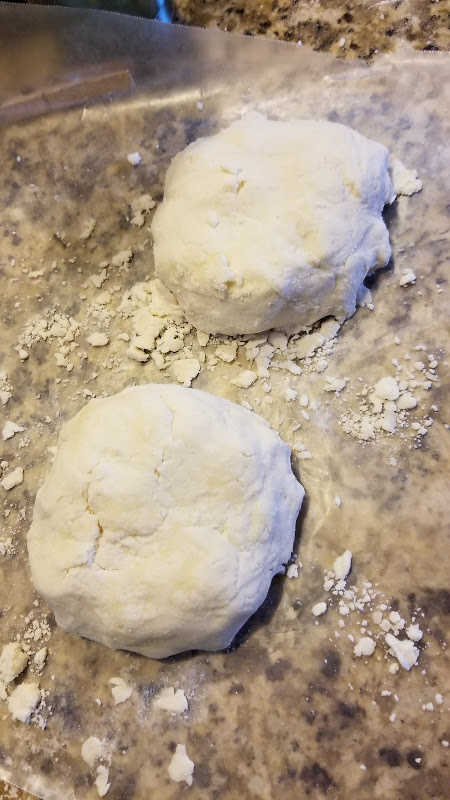
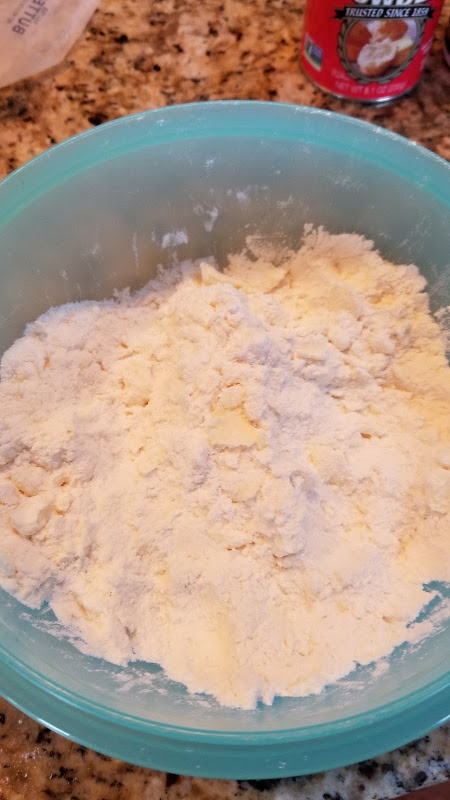
In a large bowl, combine the flour, baking powder, and salt. Mix well. Add small chunks of chilled butter. Flatten each chunk of butter between thumb and one finger. Add sour cream. Mix. The dough will be somewhat crumbly. Then knead the dough together (clean hands of course). Eventually it will start to hang together. You can add cold water by teaspoon as needed to hold dough together. (I added about 3 teaspoons cold water, one at a time.) Turn the dough out onto a sheet of wax paper (or plastic wrap), and press into a clump, folding the paper around the balls of dough. It won’t be perfectly smooth. Place the dough in the refrigerator to chill for about 30 minutes. (I had two balls of dough given these ingredients, one for bottom crust and one for top.)
Preheat oven to 425°F

Unroll the chilled dough. Turn it out onto a lightly floured piece of wax or parchment paper. Sprinkle the dough lightly with more flour, and using your rolling pin, roll dough in a circle, moving the dough and turning over, and sprinkling it and the paper lightly with flour if it begins to stick.
Roll until approximately 12-inches around, about 1/4-inch thick (or less if it doesn’t cooperate). Keep sprinkling with GF flour if it starts sticking to your rolling pin.
Lift the bottom pie crust with the paper and flip it into your pie pan. (Nicole has other instructions for transferring the dough to the pie pan and crimping the edges.) Using fingers, dampen the dough slightly all around outside edge.
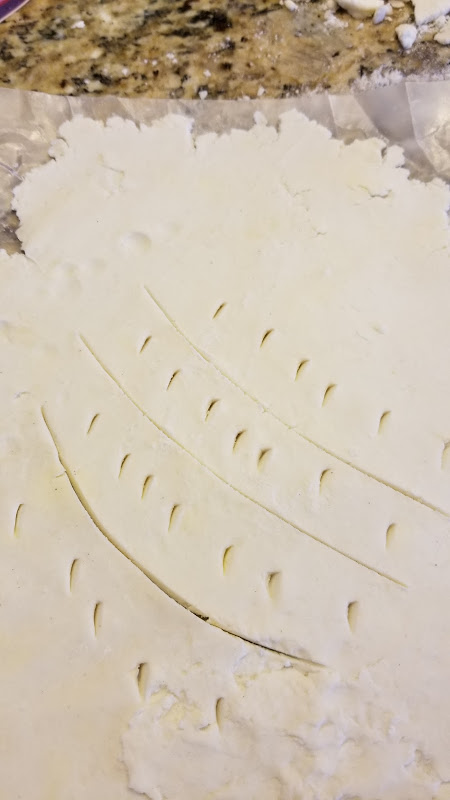
Add apples or other pie filling for your favorite pie recipe, at least 5 cups worth. Roll out second pie crust on wax or parchment paper and lightly score the crust with lines and slits to let steam out while baking. Can follow this pattern for slits ( = ).
Again, lift the pie’s second crust carefully on wax or parchment paper, and flip it over the pie. Crimp the edge together—with a fork or twisting your thumb and forefinger to make the bottom and top crusts stick together.
Put aluminum foil around edge to prevent burning, or use a purchased pie edge crust cover. Bake for 10 minutes at high temperature (425°), then lower temperature to 375° for another 45-50 minutes. (Don’t forget to lower the temperature as I did recently.)
Remove from oven. Cool. Enjoy. I love it slightly warm, and with ice cream!
Another Way for week of October 23, 2020
Our Watermelon Story
We have a very good friend who was all excited about a watermelon he’d heard about: the best best best watermelon anyone ever tasted and didn’t we want to give it a try in our 30 by 90-foot Shenandoah Valley garden. We have pretty decent soil.
There are several things wrong with this proposal: you need a lot of space for meandering watermelon vines, and you need some sandy soil. Plus you need a very long growing season of days where soil temperature is at least 80 degrees.
In his work life (now retired), Joe was a crack salesman. Not the drug kind, but a really successful sales guy. You can guess what happened next: he convinced us to at least try. Maybe we’d learn something.
He sent for a packet of “Bradford Watermelon” seeds that cost $10 for about 20 seeds, give or take a few. Yes, you read right. They were the thickest watermelon seeds I’ve ever seen, and after fetching some cow manure off of a neighbor, we proceeded to spread the manure and mound up three hills. Finally, we planted the seeds on top with high hopes.
We could just imagine the lush sweet melons in late summer, for they required about 85 days growing time. We’d have a watermelon party! One of my nicknames from Dad was “Watermelody” because I was such a big fan of summer’s bright red treats. Dad grew numerous small varieties and even some larger ones in a mucky patch near a creek bed.
Our experiment would probably have benefited from some of that muck. We did water the plants almost every other day if it didn’t rain. The long sheet of directions said to “monitor the germinated seeds for vigor. Keep the strongest, cull the rest.” Only two seeds out of that pack ever germinated. What a bum deal. But finally, there were ample vines from those two seeds pushing up.
When blossoms actually started appearing on the vines I was ecstatic—you would have thought I was expecting a baby. My daughter had said I needed to be sure bees were pollinating the blossoms. I carefully hunted for the male and female flowers blossoming (and yes, they look sort of like actual male and female reproductive parts if you get my drift). You take a little pollen off of the male stemen that is a little stalk sticking up in the center of the flower, and rub it on a flower with a female stigma which is a sticky little knob. You know about the birds and the bees don’t you? Underneath the flower is a tiny immature melon that does not mature unless it is pollinated.

I went out 8:30 a.m., which was too early because blossoms weren’t open yet, but by 9:30 a.m., bees and their pollination activity was happening all over our garden and I didn’t actually need to help it along.

And then. One evening I discovered that half of the watermelon patch lay in ruin: wilted, the life drained out of the vines. I almost cried. Perhaps a vole or critter or bug or virus attacked our lush watermelon vines, which by this time were edging their way into the precious corn rows, crawling up the stalks, and making mayhem out of our otherwise neatly mulched (with straw) garden. I ran into the house both sad and irate because I felt it was the end of our watermelon patch.
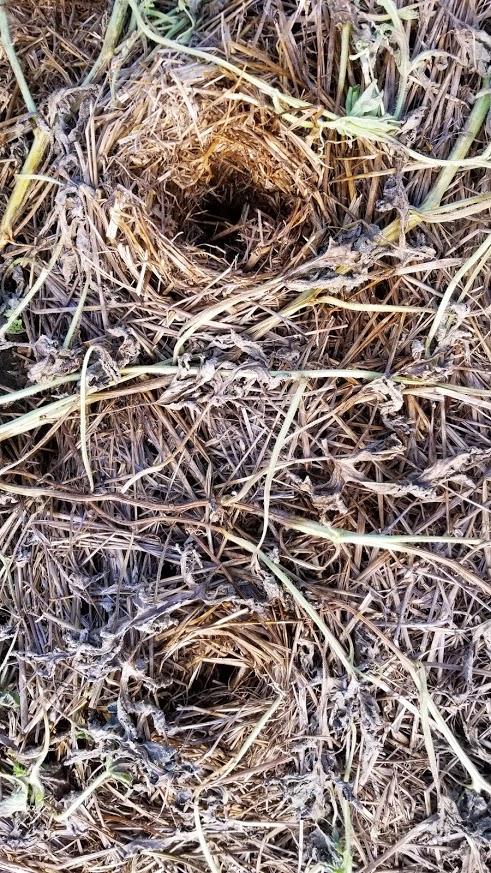
Well, the other half of the patch did survive and by late summer, we counted maybe 12 or 13 melons which were actually growing. Most ended up rotting before ripening. But one day in early October, we cut into the best of two surviving smallish melons. Just meh. Edible, but not sweet or ripe or delicious. Not really tasty.
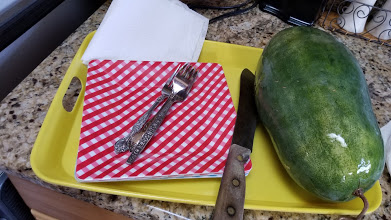
The moral of the story? You can try raising watermelon if you want to for a wonderful learning experiment in gardening. Just don’t plan to eat any.
***
What’s your worst gardening disaster story?
Have you grown watermelon successfully? I’d love to hear tips or tricks?
***
My father-in-law was a prolific gardener, but he did not raise watermelon because they took up too much ground for the results. What have you learned from your parents or grandparents?
Comment below or write to me at anotherwaymedia@yahoo.com or Another Way Media, P.O. Box 363, Singers Glen, VA 22834.
Another Way is a column by Melodie Davis, in syndication since 1987. She is the author of nine books. Another Way columns are posted at FindingHarmonyBlog.com a week after newspaper publication.
Old Order Mennonite favorite recipe
Darla Weaver is an Old Order Mennonite writer, gardener, and mother of three. A couple years ago I enjoyed getting to know her from a distance working with her on two books for Herald Press, the most recent one titled Gathering of Sisters: A Year with My Old Order Mennonite Family. (2018)
The Weavers, who own a greenhouse, live close enough to each other that the adult kids come home every Tuesday and spend it with their Mom on the farm with the greenhouse. They hitch up their buggies and bring along their children who aren’t in school. In summer they sometimes ride bicycles to get there.
When Darla first told me about their tradition each week I asked her if she would keep a journal of their experiences on those Tuesdays for a year, thinking of course of the bestselling book, Tuesdays with Morrie (and one of my favorites). Her other book for us was a devotional Water My Soul, which came out in 2017.
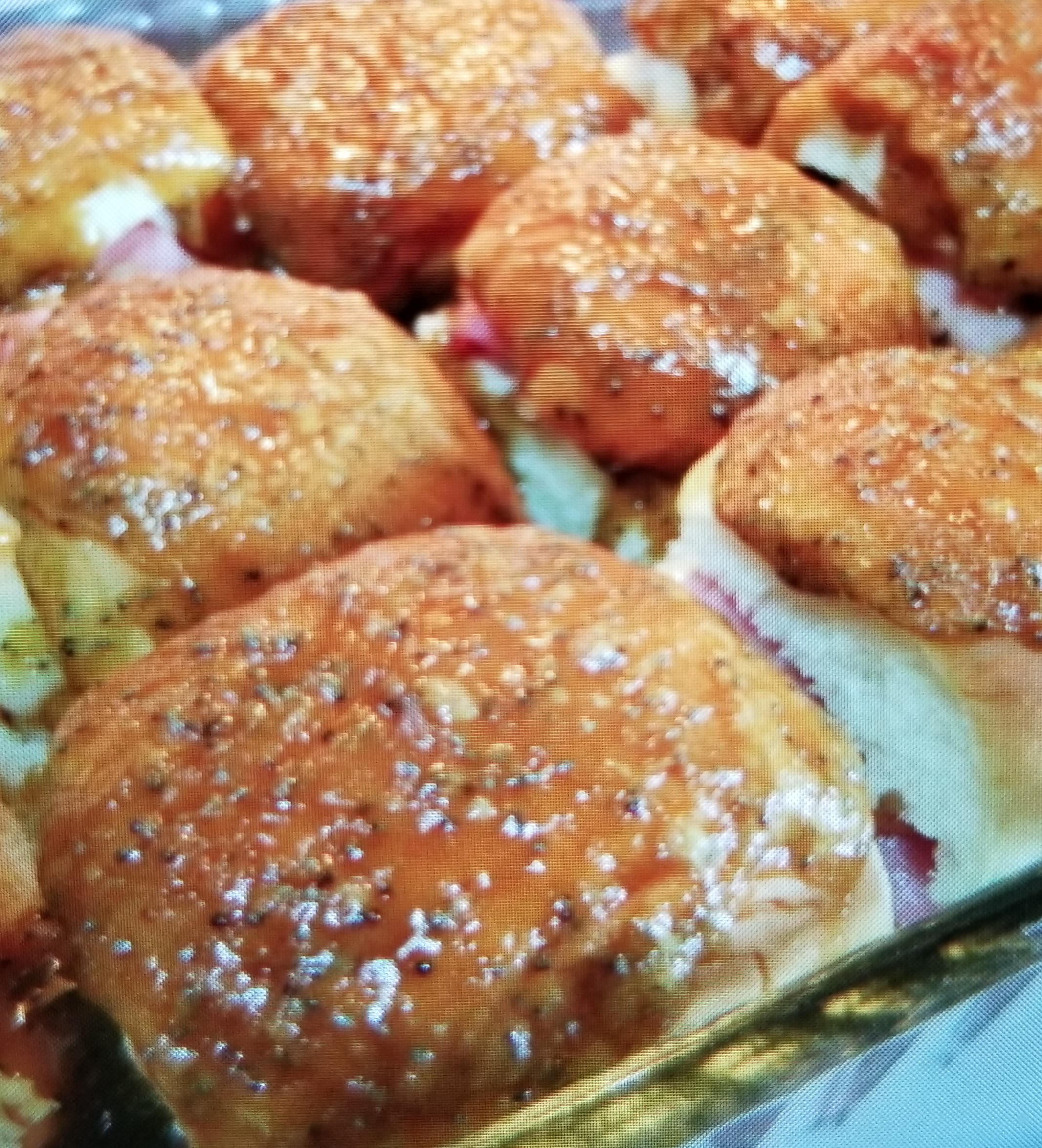
This recipe for Honey Mustard Ham sandwiches is one of their favorite dishes for these Tuesday gatherings when they each bring along items from their pantries or gas-powered refrigerators, (yes, sometimes leftovers, recipe fails, or things that are maybe getting a bit stale). But together they creatively fix a mostly wonderful meal enjoyed by all including picky toddlers and in summer, endlessly hungry adolescents.
You may have seen these at potlucks or perhaps parties or showers and there are numerous variations online, but here’s Darla’s recipe. And no, the store-bought honey mustard dressing is not used in this recipe, in case you were wondering.

Honey Mustard Ham Sandwiches
15 mini-dinner rolls (Hawaiian is a great choice for these)
1 pound sliced Swiss cheese
½ pound sliced ham
Topping
1 cup butter
1/3 cup brown sugar
1 tablespoon poppy seeds
2 teaspoons Worcestershire sauce
2 teaspoons mustard
Cut rolls in half. Place bottom half in 9 x 13 inch pan. Layer with cheese, then ham, then another layer of cheese. Place bun on top layer.
To make topping
Combine ingredients and mix and melt in small pan.
Pour over rolls.
Bake at 375 for 20 minutes.
If you’re not cooking for an Amish or Old Order family, or going to any potlucks anytime soon during this pandemic, consider halving the recipe. And you might love this book as much as I did! Find here.
![Gathering of Sisters: A Year with My Old Order Mennonite Family by [Darla Weaver]](https://m.media-amazon.com/images/I/41J8rD2RIRL.jpg)
Another Way for week of October 16, 2020
Our Huge Vast Wonderful World
One of our daughters recently introduced us to the Our Planet series on Netflix. Blew. Us. Away. Now I discover that at least some of them are available for free on YouTube.
Like most people, we love nature, animals, and plants, and while we don’t always love insects, have come to respect the role they play in this complex world.

I can’t begin to describe what video cameras and technology and teams of hundreds (thousands?) shared through the Our Planet series, but I’ll try. The first we saw was called “Jungles,” about the rainforests that cover our globe. I was somewhat astounded to learn they are found in as many countries of the world as they are. Usually I think of rainforests being mainly in Brazil along the Amazon, but the true list is far longer: several parts of Africa, more in South and Central America, Indonesia, Southeast Asia, Australia, British Columbia, and even islands like Puerto Rico. As the cameras glided over extensive miles and miles of rainforest, we may think, wow. Who says the world is running out of space? How vast and wonderful these important forests are for the production of oxygen which we all need to live.

But the flip side is the knowledge that these forests overall have shrunk, according to The Nature Conservancy. “Of six million square miles of tropical rainforest that once existed worldwide, only 2.4 million square miles remain,” says livescience.com. Only 50 percent, or 75 million square acres of temperate rainforests (milder climates receiving plentiful rain where you find coniferous or pine type trees and some broadleaf) still exist.
What do we find in those rainforests? Amazing, beautiful, astonishing creatures and plant life species that I had never heard of. Narrated by the unparalleled David Attenborough, the films bring out gasps, make you laugh, and maybe make you weep. In the first one we watched on the jungles which thrive in rainforests, the orangutan’s baby—so adorable and found only in Indonesia and Malaysia—watches his mother intently as she teaches him what he will need to survive. It takes at least ten years before he’s launched on his own. Clearing of jungles (deforestation) has reduced the population of these precious creatures by 100,000 in 20 years.
We watch the exotic and amazing mating dances of fun and unusual birds, such as the bird of paradise. What an apt name. The male struts around showing his fancier features, like he was a new car: blinking his lights (eyes), changing his eye color, puffing out his sides in a way that truly excites the lady bird he’s courting.
The film “Coastal Seas” demonstrates how the cycle of life depends on small fish like anchovies swarming the relatively shallow waters near our coasts. These and bigger fish thrive there partially because the shallower water lets sunlight reach them. Then bigger fish provide sustenance for still bigger fish like dolphins, who work wonderfully together to catch dinner. The smart, communicative dolphins (those clicks!) round up prey by stirring up mud in a circle and the smaller fish panic, jumping out of the water, to the delight and bountiful grazing of the dolphins. The great cycle of life: cruel and fatal for the relatively few victims caught in this muddy circle, and Attenborough assures us that most of the fish escape and live on.

When we were in Alaska last year, we learned closer at hand of the salmon swimming upstream to spawn their offspring, and also how the great grizzlies of the northland await this season as if their lives depend upon it. That cliché, for them, is true. In the earlier BBC series “The Earth” we see how grizzlies lard up with live fish and munch them down for their long winter hibernation ahead; their “toddler” grizzlies also absorb the art of “Stayin’ Alive”.

Will we humans learn the art of staying alive? Do we have the will to do what we need to sensibly protect precious wildlife, plants, trees, birds, insects and effectively curb the invasive ones? Truly God spawned for us an amazing world.
***
My favorite segment from what we’ve seen so far: the mating dance of the Bird of Paradise: https://www.youtube.com/watch?v=nWfyw51DQfU
***
What is your favorite season? Part of the world? Fav part of your country?
How about your own habitat: city or suburban lot, apartment, rural area?
Share here so we’ll all know!
Or send thoughts and comments to anotherwaymedia@yahoo.com or Another Way Media, P.O. Box 363, Singers Glen, VA 22834.
Another Way is a column by Melodie Davis, in syndication since 1987. She is the author of nine books. Another Way columns are posted at FindingHarmonyBlog.com a week after newspaper publication.
***
Here’s the link to the nature documentary, Coastal Seas.
For an organization committed to helping businesses and large companies handle their corporate grounds with an eye to protecting habitat and wildlife, check out the services of Wildlife Habitat Council.
Turnstone Press, Winnipeg, Canada, 2020.
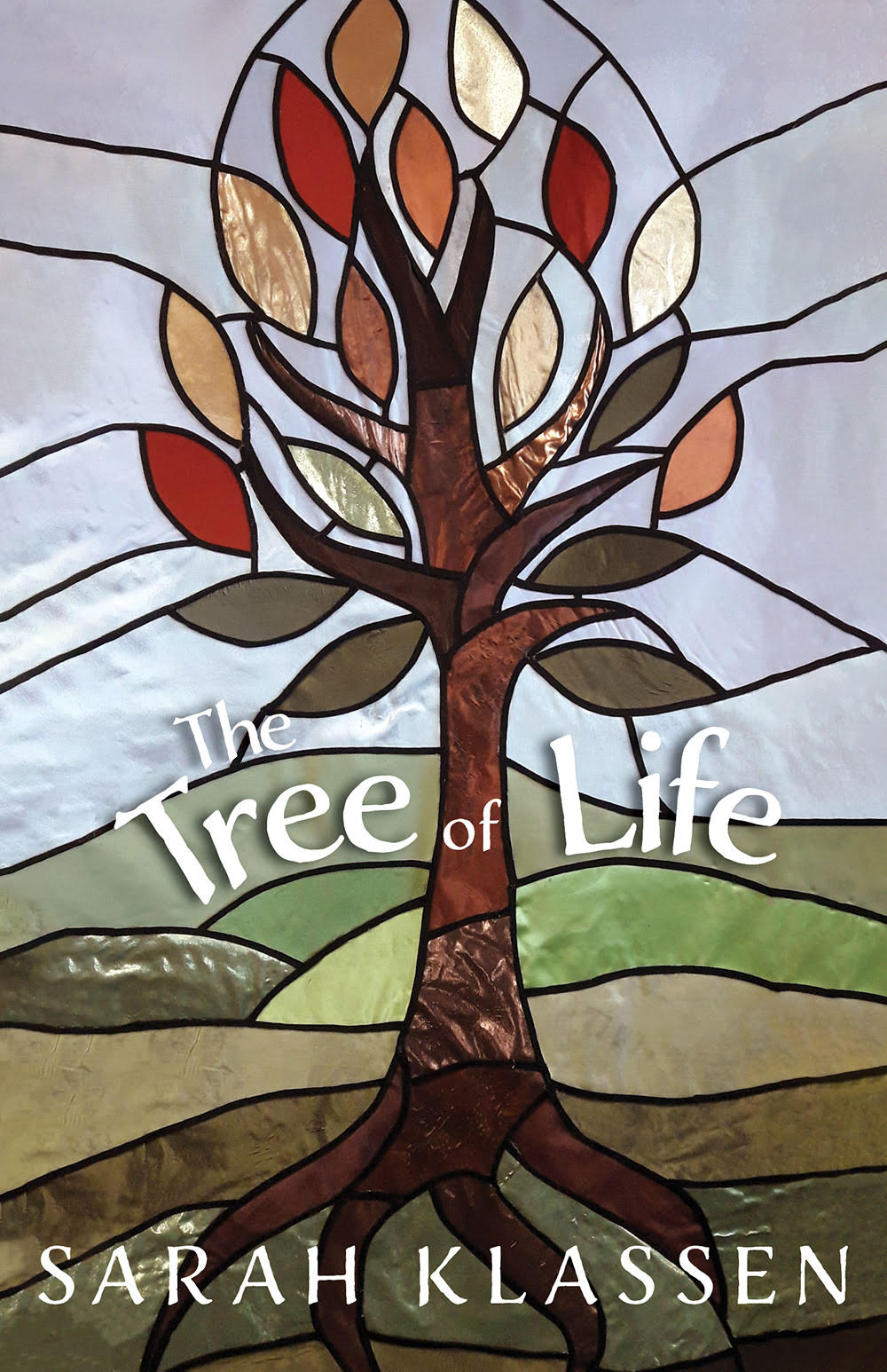
By Sarah Klassen
A book review by Melodie Davis for FindingHarmonyBlog.com
First a confession: This is the first whole book of poetry I’ve actually read in years. Decades, even. Does that make me unqualified to write a blog post on this gem of a book? I hope not, for it grabs you over and over with lines and brief sketches that somehow marry the prosaic with the divine.
I used to write poetry. Didn’t every aspiring writer when they were in their teens? Later, I realized my free verse-style poems were frequently able to be cast in prose, and that people in general seem more willing to read—and buy—prose than poetry. How cool that Canada has several arts organizations that help fund the publishing of books and poetry and even magazines, I understand, which this publisher acknowledges in its publication data page.
This short collection is easily readable in a matter of days, not weeks, but restores my appreciation for poetic expression and leaves me in awe, really, of this woman in her late 80s still crafting gems which truly hang with you.
I especially like how you can be reading along and suddenly you realize what the writer is referencing comes straight out of the Bible: texts that most of us longtime Christians recognize—but she molds them into fresh thoughts.
Let’s get specific here with a few quotes from her work that I hope will make you want to pick up the book, purchase it, read it, share it.
One such is a poem which is a description of Eve. Don’t most of us think of the biblical story of both Adam and Eve as never-do-wells because of how they led the whole human race into sin? If it weren’t for that apple … we think.
With the book title The Tree of Life, which most of us know comes right out of Genesis, Klassen helps me see Eve as a mother who grieves over perhaps the world’s worst parenting outcome: having a son who kills your other son. Klassen’s stanza touches me, makes me sympathize:
“Eve weeps for her children: one son murdered,
the other a murderer. She grits her teeth
against temptation to throw in the towel,
falls to her knees, and with wounded hands
wrings from the grieving earth a garden.”
Some of Klassen’s writing may appeal especially to those who enjoy reading about the lives of women in the Bible. A chapter called “Half the Sky” opens with the well-known quote from 20th century Chinese communist leader Mao Zedong, “Women hold up half the sky.” The chapter includes numerous poems looking at the sometimes scant descriptions of lives Bible women.

Remember Zephathah’s daughter (the Bible doesn’t give her name)? In the book of Judges, this daughter has the misfortune of running happily to meet her father returning from a successful battle. She is not happy for long, as she belatedly learns her father had vowed to celebrate by sacrificing the first thing he saw upon his return to his camp. Zephathah postpones the sacrifice while the daughter and friends mourn and dance their heartache for a period of weeks.
Numerous poems center on family life. In “The Tick of Time,” children on an outing ask what children always do: Are we there yet? They picnic on folding chairs near a lake. Suddenly the adults realize there are white caps on the water and the children have gone out deeper than they should. Did the children survive safely?? We guess so. It is spare poetry calling forth our own scary memories.
In “The Road,” the author ticks off the many ways humankind travel and somehow her word “containers” aptly encompasses all the methods of travel, but something we rarely think of.
“At any point in time, in one hemisphere or the other,
a significant percentage of our planet’s more than
seven billion people are on the move, travelling on
air, land, water, in an overcrowded Zodiac, firm
or flimsy aircraft, flat on the wind-buffeted top of
a container.”
Some shorter quick lines that struck me for one reason or another: The poem “Name” clearly and provocatively brings up the seashore breakfast after Jesus has risen from the dead.
I’m puzzled by “Rise and Go” in the first chapter. Is she referencing a martyr killed for faith, I ponder? (This one gets answered in the notes at the close of the book, but don’t look there until you need to.)
Other poems that puzzle: “Higher” is difficult to decipher. Is “Refuge” about the author’s own family, or a random arriving refugee family? Does it matter?
Her poem “In Memoriam” is perfect for this child of the 20th century. And I loved “Night” where she refers to the blinking lights of an aircraft coming home to land. I take my dog out around 5:40 a.m. where I often see blinking lights of aircraft making their approach to Dulles Airport in Washington D.C., two hours from us.
“And Yet,” referencing Elijah telling the widow to go ahead and bake bread, is movingly evocative, especially in these Covid times.
Her poem “Arrivals” uses a perfect word for a flock of flying geese, calling it “A wedge of geese.” I loved it! And perhaps you’re like me not having heard of a musical instrument called a theremin. Google it, it’s most unusual.
I like Klassen’s frequent mixing of biblical story with modern day realities as in a poem titled “Travelling with Children,” (humorously subtitled “Sermon Series in a Mennonite Church.”) One biblical reference sounds like conversations between good friends: “Take! Take your unleavened bread and go—just go!” Or this: “In the parking lot we debated: lunch at Perkins or Olive Garden?”
I could certainly go on and on, but if that stops you from reading this volume for yourself, I wouldn’t want to do that.
Just one or two more of my favorite finds: Klassen turns a phrase around to delight the brain and the tongue. This from a poem on the various seasons of the church year: “In ordinary times, those tongues of fire whirl like fervent dervishes and dance.” In another poem, she questions, “By what means can death lose its sting?”
Finally, the quote she opens the book with from Revelation 22:2 is pretty cool at this time of worldwide pandemic: “On each side of the river is the tree of life … The tree’s leaves are for the healing of the nations” (italics mine). The last chapter on trees brings still wider and deeper meaning to the collection’s title: Tree of Life.
Spoiler alert: I didn’t find the notes until after reading the whole collection, where she helps readers (those of us less quick with such things) decipher some of the more hidden personages or words.
Klassen also writes fiction (The Peony Season), and her other books of poetry include Simone Weil: Songs of Hunger and Love, Dangerous Elements, Journey to Yalta. She was born in Winnipeg, a lovely city I’ve had the privilege to visit several times, and currently lives there. She has taught high school English and won many writing awards. I read this book thinking Sarah is a much younger writer than she is. Thus, her writing comes alive with the words and experiences of a seasoned poet.
Viva la collection!
The Tree of Life and other Klassen writings are available from Turnstone Press here. Also found on Amazon and other online outlets, or ask for it at your local independent bookstore.
***
Any lines or thoughts here strike your fancy?
Make you feel like writing some poetry?
Comment here!
Melodie Davis has written a syndicated newspaper column, Another Way, since 1987. She is the author of nine books. Another Way columns are posted here at FindingHarmonyBlog.com a week after newspaper publication.
Another Way for week of Oct. 9 2020
Chasing Hope: When Your Work is Just Staying Alive
Guest writer: Dennis Benson
Editor’s note: This week Dennis Benson wraps up Melodie Davis’s series on various aspects of “work.” Davis met Benson many years ago at a day long workshop on creativity when they both worked in the same general field—communicating Christian faith to a secular public. Benson has done radio interviews with hundreds of rock musicians such as John Lennon, Mick Fleetwood, and won many awards. He is also a former seminary professor, and author of 21 books.
This story begins two years ago: I am very sick. The renal doctor is deadly serious. “Dennis, your kidneys are non-functioning. You must go into dialysis three days a week.” She pauses. “You are not a candidate for transplant. If you miss a week of treatment … you will die.”
One of my weaknesses is that I am irrationally fearful of needles from a childhood hospital trauma. How does a chronically ill person maintain hope in light of such a diagnosis?
Here is how I try: using three R’s.
Routines: the practical. On the day of my four-hour dialysis, I get up at 7:00, eat my two cups of fresh fruit salad which my daughter freezes for me. I then apply a pain deadening salve to the arm where the cleansing needles go in. I cover the arm with a plastic wrap. Snatching my cane, I head for the door.
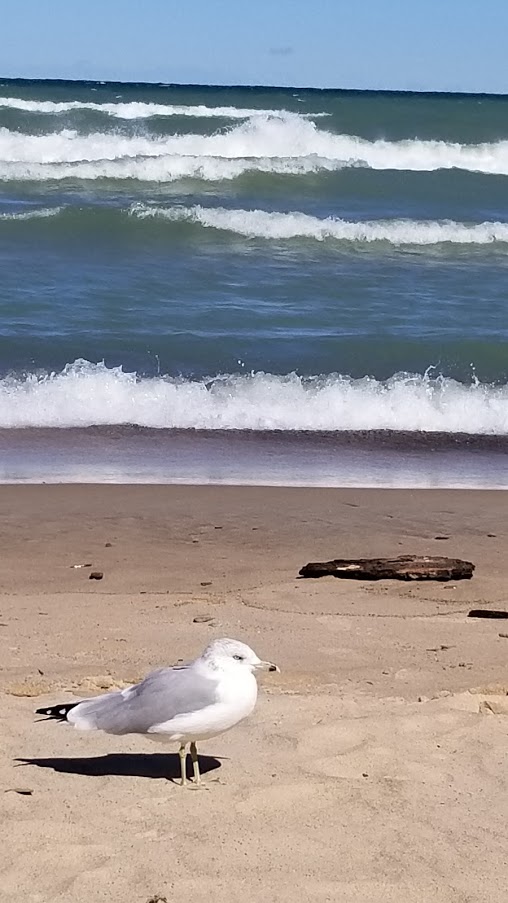
Ritual: connecting with my spiritual roots. Stepping out onto our porch, I survey the amazing vista: seasonal woods, and turbulent Lake Michigan. Gratitude floods me. I sing the first verse from “Of the Father’s love begotten” (adding in my second rendition: “Of the Mother’s love” to the ancient hymn). As I walk down the three steps to the driveway I take in this day, and I repeat the mantra from my friend, Fred Rogers: “It’s a beautiful day in the neighborhood. Won’t you be my neighbor?” As I walk to my car, I sing, ‘Zip-a-Dee, Do-Dah.’
Rite: The Holy. I arrive at the dialysis clinic 45 minutes early in order to meet with two people in the lobby who are taken in for treatment before my appointment: Gloria and Miguel. An oddity of this treatment center is that we are unable to speak with others during dialysis. The fourteen patients are anchored in chairs by the blood pressure cuff on one arm (for testing every thirty minutes). The other arm must not move since it has needles connected to a refrigerator-sized dialysis machine. It takes a pint of blood at a time, and removes impurities in it. Then it returns the blood (but only cleansing 15 percent of it).
The rite encounter is my most sacred moment. The Holy Spirit bonds us as we visit and deal with our fear, depression … and hope. This small circle of spiritual empathy keeps us going. It is the source of our hope.
Most of all, this contact forces us to focus on the needs of others. It enables us to escape from being self-selfish by empathizing with the need of others. So many people have chronic illnesses. It is often difficult for the healthy to understand.
However, those being treated are heroes who may bless you.
(©️ 9/19/20 by Dennis C. Benson. All future rights reserved.)
Dennis C. Benson is an award-winning media producer, former seminary professor, and author of 21 books. His daily writings can be found on his Facebook page.
***
What part of Dennis’ story inspires you most?
Who do you call a hero?
Comment here, or write to me at anotherwaymedia@yahoo.com or Another Way Media, P.O. Box 363, Singers Glen, VA 22834.
Another Way is a column by Melodie Davis, in syndication since 1987. She is the author of nine books. Another Way columns are posted at FindingHarmonyBlog.com a week after newspaper publication.
I vividly remember the night (pre-Covid days) we were eating out with neighbors Harold and “Willie.” They have been married over 70 years and are both in their 90s, and I never fail to learn new things from them.
On the buffet there were countless desserts, but I had a hankering for cherry pie, a frequent treat in my Mennonite home growing up. But there was none among the selections I found. My husband is not into cherry pie so I never bother making it at home just for me.
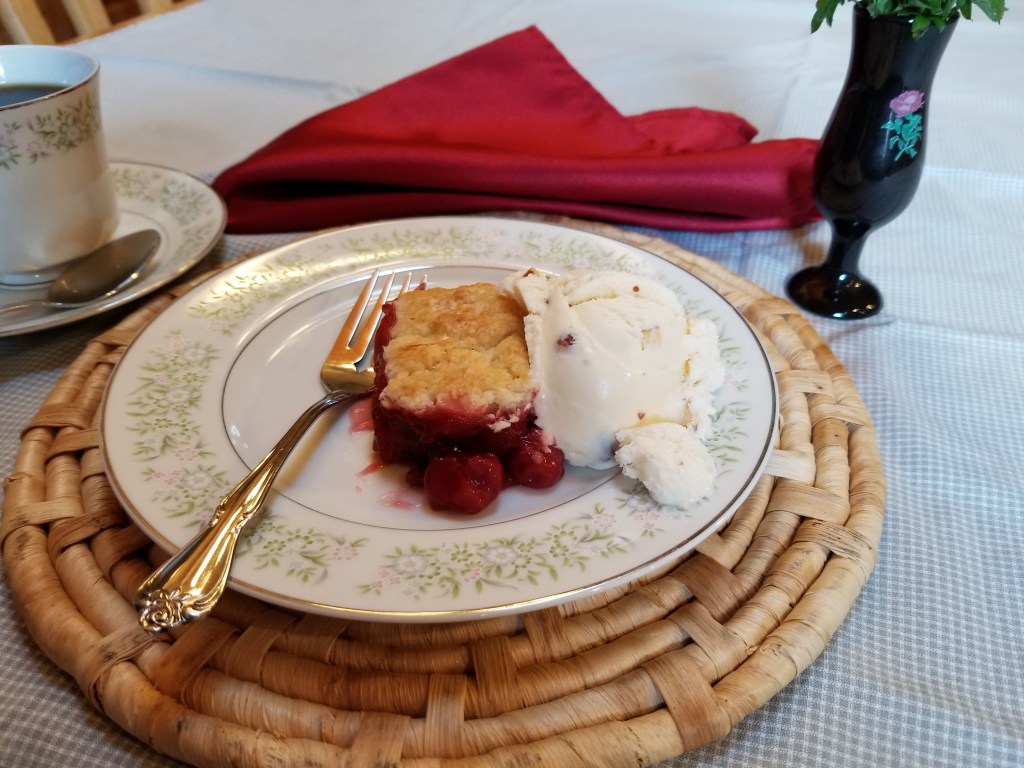
Harold returned from the buffet with a dessert for his wife, who said she didn’t really want it, so I took a bite. And then another. It tasted similar to cherry pie but was its cousin: good old-fashioned cherry cobbler. Topped with a little vanilla ice cream, it was the combo of sweet and sour that finished off my meal perfectly. So I ate her whole dessert, with her permission. It was delicious. I don’t know why I had adopted an attitude toward cobbler as being a poor second cousin to actual pie, but my little attitude problem was corrected that evening.
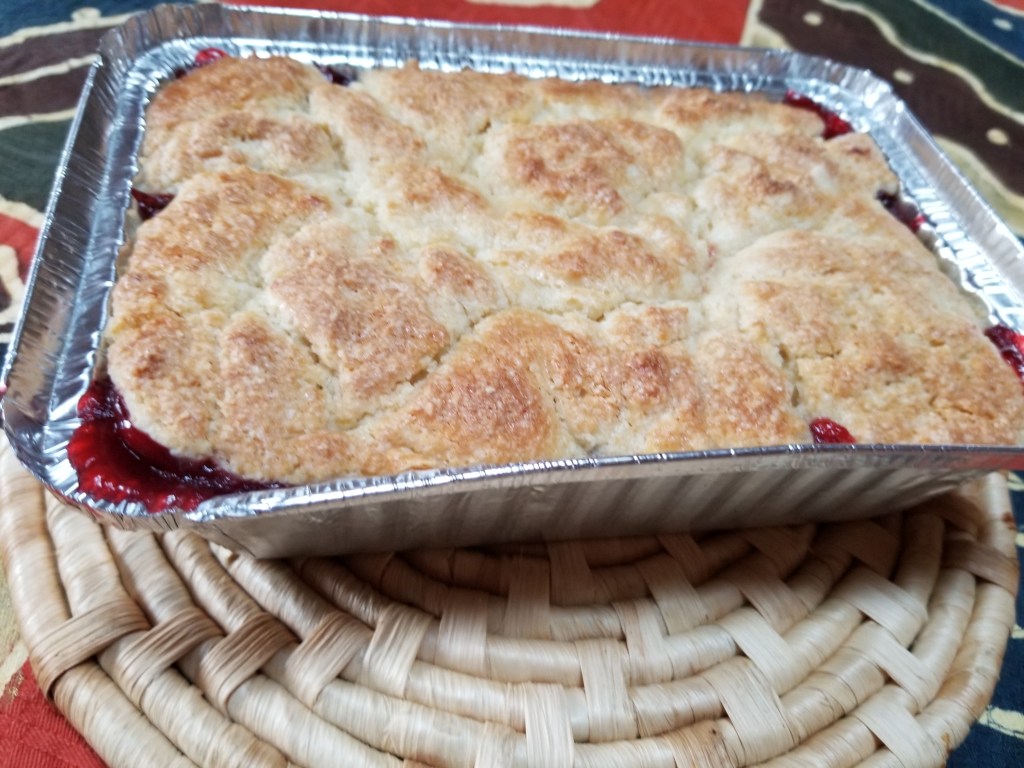
So I went hunting for a good cherry cobbler recipe to share here, figuring they are legion and I was not wrong. I looked in four of my favorite Mennonite cookbooks, Mennonite Community Cookbook, More-with-Less Cookbook, Mennonite Country-Style Recipes and Kitchen Secrets and Mennonite Recipes from the Shenandoah Valley (all available on Amazon). I settled by modifying an old one from Mennonite Community Cookbook as follows:
Cherry Cobbler (Or any of several fruits)
¼ cup shortening (I used butter, softened)
¾ cup sugar (could easily cut to ½ cup)
1 egg
1 ½ cups flour
½ teaspoon salt
2 teaspoons baking powder
1 teaspoon lemon juice
1/3 cup milk (I used sour milk)
2 cups sour cherries, canned or frozen; substitute fresh or canned apples, peaches, according to season or your pantry
Sift together flour, baking powder, salt, and sugar.
Cut in butter (or other shortening) into dry ingredients.
In another bowl, beat egg and milk; combine with flour mixture. Stir until flour mixture is wettened throughout and clings together.
Pour cherries into a greased, shallow, 9 x 9 inch baking dish. Sprinkle with lemon juice.
Drop cobbler batter [illustration below] in 6-9 large spoonfuls on top of cherries. Bake at 400 degrees for 30 minutes. Serve warm with ice cream, milk, or cream. Serves 6-9. (The suggestion for cream tells you how old that recipe is: most of us are not blessed to have cream on hand.)

Later I discovered a shorter recipe and concise instructions for “Quick Fruit Cobbler’” in More-with-Less. That recipe has you put the dough in the bottom of a greased baking pan, and then add fruit on top—which ends up on the bottom after baking. You could try making that with children or grandchildren and I’m guessing they’ll love the mystery of how the dough begins on the bottom and ends on top!
Note: I thought cobbler would surely be easier to make than making pie dough from scratch; the only thing that was less time consuming with the cobbler was not having to roll out the pie dough, which can be tricky depending on humidity, ingredients, and your own skill in rolling out dough. For a larger dish, try making a cobbler in a 9 x 12 inch pan with the recipe doubled, using any canned fruit you have on hand. That would make a far easier quick dessert than rolling out dough for two pies, and you have dessert for several meals!
***
This recipe appeared earlier on Amish Wisdom blog, which closed down, so I’m sharing it here (just in case you’re wondering if you read this before.)
***
Are there dishes you never tried but finally decided to try a bite and to your surprise it was yummy?

 findingharmonyblog