Skip to content

ccblogs-badge

When Family Conflicts Happen (Part 1)

Another Way for week of December 9, 2016

When Family Conflicts Happen (Part 1)

Family conflicts can be very painful. They strike to the core of our being. And unfortunately, they often flare at holiday time—when far flung families come together for several days. Friction crops up.

This true story did not happen at Christmas but it could have. My father was still living and our children were small. My parents came for a visit and spent a couple days with us. They experienced with us the normal rub and bickering of family life. But I didn’t realize how my father was taking the squabbling, a man who always encouraged us to kiss and make up, even when we didn’t feel like it. He was maybe especially sensitive to arguments involving his baby daughter. Me.

Mom and Dad went with us to church on Sunday morning and we did as we always do: passed the peace to others sitting near us, shaking hands. Stuart passed the peace to my father and I don’t know what Dad said back, but we were to find out later that day that the “peace” expressed by my husband hadn’t set well with Dad.

DadStudyingBible

Dad reading his Bible on a 1964 family camping trip in the Rockies.

It was early Sunday evening and we were outside while the children were occupied inside. My dad addressed Stuart saying, “When you passed me the peace this morning, did you really mean it?”

Stuart said something like yeah, sure.

My dad was ready. “Well I don’t see how you can pass the peace when you have said things like you’ve said.” Apparently they’d exchanged words while working on a project that weekend. He also thought Stuart spoke too sharply to me—and I wasn’t even aware of it.

Stuart was stunned. I was smitten to the core. I hadn’t even thought about any harsh words. My husband was speechless—which is unusual for him.

I spoke up, defending my dear husband to my dear dad. Not an easy place to be. Mom started humming which is what she does when there’s a conflict; Stuart just listened, while I stated my piece.

In the end, it was probably good for my dad to air his issue, and we all survived. My husband had always thought a lot of my dad—loved him and enjoyed spending guy time with him, living as he did in our family of all girls. My parents plus Stuart and I went on to all love each other happily ever after, but that evening was not very comfortable. Having situations that need reconciliation are painful.

I was never the same again when it came to passing the peace between Dad and my husband—and it helped me really think about those words when we do pass the peace.

Family conflicts make me think of the story of Joseph in Genesis and his conflicts with his brothers, which came about primarily because of the favoritism his father, Jacob, showed for Joseph. Some of that stemmed back to Jacob’s own father-in-law, Laban, who tricked Jacob into marrying the oldest daughter, Leah, first. Joseph just happened to be one of the sons from Jacob’s beloved second wife, Rachel. Jacob had worked 14 long years to marry Rachel. Then Rachel was barren for many years until Joseph was born to them. That Joseph was doted on by Jacob was no fault of the boy. Family relationships are complicated. We’ll finish my reflections on this story in my column next week.

p1030808

Healthy relationships: my mother and my oldest daughter enjoying conversation.

Memories of conflict you’d like to share? Email me at anotherwaymedia@yahoo.com or write to Another Way Media, Box 363, Singers Glen, Va. 22850.


Another Way is a column by Melodie Davis, in syndication since 1987. She is the author of nine books, most recently Whatever Happened to Dinner. Another Way columns are posted at FindingHarmonyBlog.com a week after newspaper publication.  

***

Or post your shareable memories–or the takeaways–right here!


Christmas Giveaway – from Amish Wisdom friends and writers

Happy holidays! Suzanne Woods Fisher and the Amish Wisdom contributors are celebrating this season of giving with a Winter Wonder giveaway! Enter the giveaway below for the chance to win to a set of 15 books, plus winter-themed goodies handpicked by some of the contributors. See below for a list of participating authors and prizes. One entrant will win, and he or she will be announced this Friday, December 9th on the Amish Wisdom blog. Use this link to comment and enter.

–Melodie

Winter Wonder Giveaway!

winter-wonder-giveaway-collage

Suzanne Woods Fisher:

Christmas at Rose Hill Farm and a $25 Amazon gift card

Amy Clipston:

An autographed copy of The Cherished Quilt and an Amish country souvenir

Vannetta Chapman:

Sarah’s Orphans

Karen Anna Vogel:

Amish Knitting Circle and Love Came Down at Christmas

Melodie Davis:

Whatever Happened to Dinner?a Christmas music CD, 366 Ways to Peace Daily Calendar, and notecards (see bottom for separate graphic with prizes I’m offering)

Kate Lloyd:

Signed copy of your choice of book from the Legacy of Lancaster Trilogy

 Charlotte Hubbard:

Christmas at Promise Lodge 

Jennifer Beckstrand:

Huckleyberry Christmas

Molly Jebber:

The Amish Christmas Sleigh

Martha Bolton:

A signed copy of Josiah for President and The Home Game

Laura Hilton:

A White Christmas and a $5.00 McDonald gift card

Kelly Ervin:

An Amish Christmas Gift

 Melody Carlson: 

The Christmas Angel Project and a pair of polar socks.

***

Here are the items I’m offering in the giveaway courtesy of Finding Harmony Blog:

wintergiveaway2016


Only U.S. postal addresses are eligible to win. Sorry for any disappointment!

***

Merry Christmas from Finding Harmony Blog & Amish Wisdom! 


The Covenant That Binds

Note: This week I begin posting all my Another Way columns here on my personal blog, a week after they first appear in newspapers.  See more about Another Way here, and visit archives here. Welcome to my Finding Harmony Blog fans who will be receiving this as followers of the blog. Confused? See more info here.

Another Way Newspaper Column for week of December 2, 2016

The Covenant That Binds

This past year we celebrated 40 years of being married. I say celebrated when I should say the anniversary trip we would have taken at the end of May (over our anniversary weekend) was thwarted by church commitments planned much earlier by others, that I felt I couldn’t gracefully get out of.

Our children all traveled home that weekend to eat out with us, and gave us a modest but hugely appreciated gift toward a getaway. They suggested some destinations and pointed to Groupon specials with the firm command to go somewhere different.

We settled on a location that had been on our second-tier bucket list to Tangier Island in the Chesapeake Bay several hours away where we’d never been but always wanted to go, accessible only by ferry. The islanders speak a charming but hard to understand dialect of English that comes from British roots in southwest England.

That apparently was not meant to happen either. The appointed weekend (with ferry reservations) for the end of September came with the blow up of bad weather in advance of Hurricane Matthew. The ferry boat people called us on Thursday morning saying we were the only persons still holding reservations for Friday’s ferry. It would not be making the crossing. They cancelled on us.

I cancelled the other reservations we had made for lodging over two nights, disappointed but not crushed. A hurricane was advancing, after all. Better safe than sorry, and glad not to literally be caught in the storms that came up the coast over the following days and weeks. Our celebration would have to be delayed. After 40 years, you take these ups and downs with more equilibrium than you do in the first years of your marriage.

Thus it did my heart much good to read Katherine Willis Pershey’s poignant and at points amusing tribute to marriage in Very Married: Field Notes on Love & Fidelity, a book published in September by Herald Press. (Full disclosure: I work for Herald Press but I did not serve as editor for this book nor do I review all books we publish.) Katherine and her husband Ben have been only married 15 years. I say “only” because it’s a short time to our 40, but long enough, certainly, to have tested their commitment and passed—with toasts raised.

I first read Katherine’s engaging writing in a 2015 article in Christian Century magazine about a crush she briefly encountered for a married friend and how she dealt with it—which became the magazine’s most-read online article that year. Katherine is an associate pastor of a church near Chicago and mother of two. Because the article so winsomely espoused fidelity in marriage, our acquisition people at Herald Press jumped on it.

katherinewillispershey

Author Katherine Willis Pershey

So I loved the premise of the book but what really hooked me was Katherine’s honest and at points raw reveals of the fights she and her husband Ben have gone through. The early years of their marriage, as with most marriages, were especially rough, given some of the history they both brought to the marriage, but it was her description of times they came to harsh words and hollering (although never blows or separation) that so connected. Later in the marriage she began to see the patterns for their own particular fights: camping difficulties, travel mistakes, “seven to ten arguments directly related to buying or building Ikea furniture,” missing an exit on an Interstate, having a baby.

Many marriage books offer the same old same old, with one spicy chapter on you know, the “boom boom.” While Katherine is not given to euphemisms for discussing sex in general, she shares a hilarious example from a time she assembled a panel of “veteran” couples to discuss marriage, responding to anonymous questions that came from a mother’s group: “What can a woman do to make her husband feel loved—[not counting] boom boom?”

To get the answer and all of Katherine’s sanguine wisdom you’ll have to read the book—in fact, spoiler alert, I’m giving it to a number of my relatives for Christmas. It is, as Eugene Peterson, pastor and author says (yes, the man who wrote the multi-million selling The Message, the amazing paraphrase of The New Testament plus Psalms and Proverbs), “Without question, the very best book on marriage I have ever read—and I have read many.”

I often share a number of mini book reviews in early December for gift giving ideas. But I’m putting my energy behind Very Married this year, feeling our marriages deserve all the attention and love we can give them—for our selves, our spouses, our children. Committed marriages also greatly benefit the fabric of the community.

verymarried

For a free bookmark from Very Married with more information, email me at anotherwaymedia@yahoo.com or Another Way Media, Box 363, Singers Glen, Va. 22850

Another Way is a column by Melodie Davis. She is the author of nine books, most recently Whatever Happened to Dinner, and has written Another Way since 1987. She also keeps a blog at www.FindingHarmonyBlog.com

The worst motel ever: When there’s no decent room in the inn

My office colleagues were talking at lunch about memories of awful motel or hotel stays. One fellow remembered a place where he and some college buddies stayed when it was late, they were desperate, broke and you know, college guys. The motel was the kind where you pay by the hour (but that’s NOT why they were there!) and the motel clerk said they could have a room for the rest of the night if they waited to check in until 3 a.m. Of course they waited; the room had not been cleaned and of course they slept with their clothes on, for the ick factor.

So I asked my husband what he thought was our worst room ever. We were also once very desperate in Lancaster County Pa. Stupidly, (in the days before the Internet) we had not gotten reservations before heading there for a fall shopping/sightseeing weekend in Amish country. After stopping to inquire prices at too many motels (turning down several because we deemed them too high), we started seeing “no vacancy” signs. We realized we couldn’t be fussy any longer about price, or anything. We finally found a place that said we could check in at 11:00 p.m. when truckers got up to go back on the road. At least that was the story. I do think the room was cleaned (or we would have slept in our car), and we were just glad to find digs.

showboatmotelsenecalake1993ish

My husband’s vote for worst room ever, though, was a place called The Showboat Motel near Seneca Lake in New York’s Finger Lakes region. (I was sure it was no longer in business but eureka, here it is.) While the lake view was as lovely and peaceful as you’d expect, a stench of mold, mildew and dampness hit us when we first opened the door to the room. We tried to air it out and I don’t remember if we complained, but it was so damp none of us slept very well. Luckily none of us had an outright allergy to mold. We spent most of our time outside enjoying the docks and birds, where boaters could arrive for a stay at the motel. Some of the online reviews indicate the place still has the same must and mold problems—and like someone else wrote of it, the musty odor hung in our clothes and suitcases as we went home the next day.

My hub’s second vote for worst room ever happened on a trip where you never want a “worst room” experience: our honeymoon. It was actually the second night of our honeymoon, where we had reserved a cabin near Myrtle Beach, SC. Oh my. It was 50s era, spidery, mildewy, and again, a place where you were not sure if you wanted to touch anything without washing your hands afterwards.

The first order of business in the morning was finding a beautiful modern motel with a clean pool

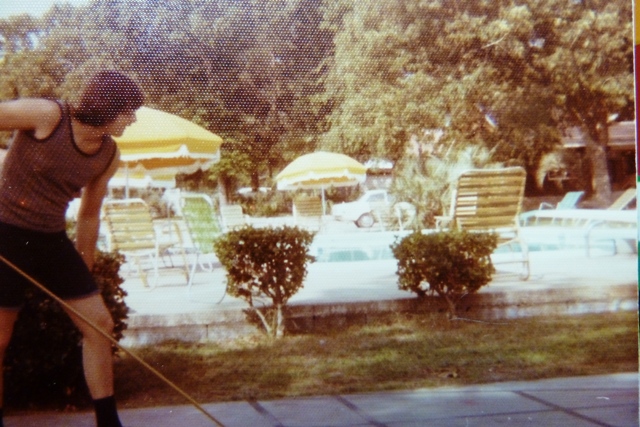
honeymoonmyrtlebeach2

They even had shuffleboard!

honeymoonmyrtlebeach3

The Mariner Motel, Myrtle Beach, where we spent the bulk of our honeymoon.

within walking distance of the beach. It ended up being a lovely honeymoon, except for that one night.

I know what motel would get my oldest daughter’s vote for bad motel stay, but not so much because of the room or accommodations. Back before my husband used a BiPap machine for severe sleep apnea, the rest of us tried to fall asleep first so we wouldn’t be bothered by his snoring with all five of us in one room. This daughter ended up sleeping in the motel’s bathtub, bathroom door shut, to escape the incessant sound of sawing logs. She was in 11th grade and had pretty much reached her full adult height at the time—not the best sleeping arrangement.

I had a work colleague who almost made a business out of complaining about motel/hotel quirks and miscues. He worked in marketing and was superb at finagling for a discount—including calling the front desk in the middle of the night if noise from neighbors kept him awake. He informed us that unless you complained in the night, the front desk would usually turn a deaf ear to complaints about “not being able to sleep” because “obviously, you slept good enough that you didn’t call us.” This was in the days before getting your revenge by posting bad reviews on Trip Advisor.

Being able to view–and review accommodations before you ever reserve or spend a nickel has revolutionized the travel experience for most of us. I remember growing up, I loved the “job” my parents gave me before a family trip, of writing to chambers of commerce in distant cities for sightseeing brochures, maps, and travel/motel information. What fun it was to get mail addressed to me bearing pamphlets from distant trip destinations. I still have a huge box of travel information collected on past trips from our own years of traveling with our three daughters. High time for a severe paring down!

And while there is much to be said for family travels creating memories to last a life time, I was appalled that I couldn’t recall the name of the Finger Lake where we stayed (until I found it online) nor the location of that motel out west where our daughter slept in the bathtub. Maybe it’s a little bit of wanting to forget the bad, and remembering the good.

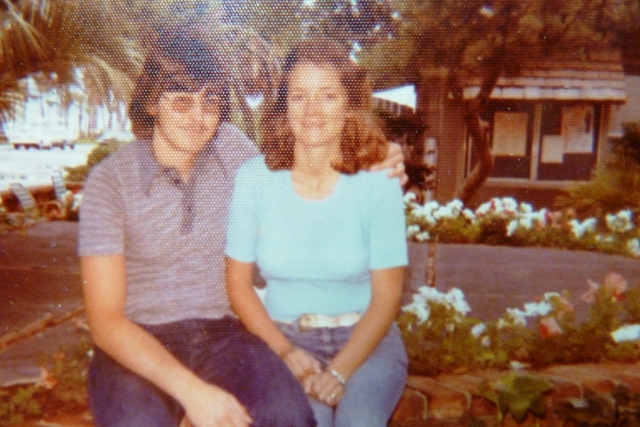
honeymoonmyrtlebeach1

Happy memories from our main honeymoon motel, The Mariner, 1976.

***

What is your worst motel or other nightmare travel story?

I hope you were not stuck in a traffic tie up or (worse) an accident over the recent Thanksgiving holiday. Share your comments, reviews, and travel memories here. 

***

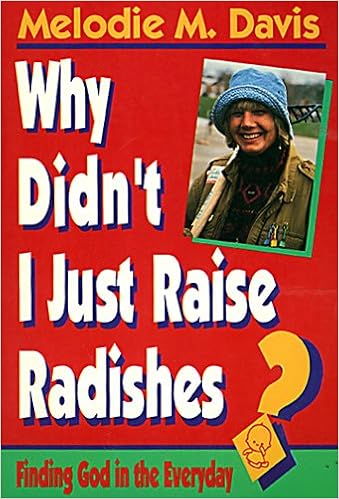
I wrote about a few of our travel memories in Why Didn’t I Just Raise Radishes: Finding God in the Everyday devotional book–where I invented a line now in our family travel lore:
“Sometimes we don’t get a just a plain trip to Grandma’s, sometime we have a super exciting trip!” (when we had to stay overnight in a motel because of treacherous icy/snowy road conditions).
My oldest daughter’s quip to that was “I just want a plain trip.” 

And now you can get this 1994 era book extra cheap through the marvels of online shopping!

Two Medics, Two C.O.s, Two Wounded WWII Vets, and Two Moms named Bertha

Lessons from Hacksaw Ridge

My husband and I saw Hacksaw Ridge, based on a true story, and both of us were tremendously moved, for similar although markedly different reasons. We were emotionally affected in spite of this being a Mel Gibson film, and realized going in that if it was made by Gibson, it would be excessively gory and technically focused on making the most of blood and guts. Knowing how much I hated Gibson’s Braveheart, I avoided seeing most of the worst parts in Hacksaw Ridge by turning my head and lowering my eyes. But wars are that way and that was the especially disturbing part: knowing that in parts of the world people were fighting and dying as we sat in the theater.

p1030282

My husband’s father, Hershal Davis, in uniform.

Stuart’s father was stabbed three times in his leg during World War II in the Pacific, his life likely saved by playing dead under someone’s corpse in a foxhole, (a similar scene graphically portrayed in Hacksaw Ridge). Stuart’s oldest brother’s story became all too real as well: he served as a medic during the Vietnam War and was wounded a bunker blow up. The main character of Hacksaw Ridge, Desmond Doss, (Andrew Garfield) is a medic (from down the road from us in Lynchburg, Va., no less) who was a Seventh Day Adventist conscientious objector who was willing to serve in the Army, but not take up a gun. And that was the rub.

p1030277

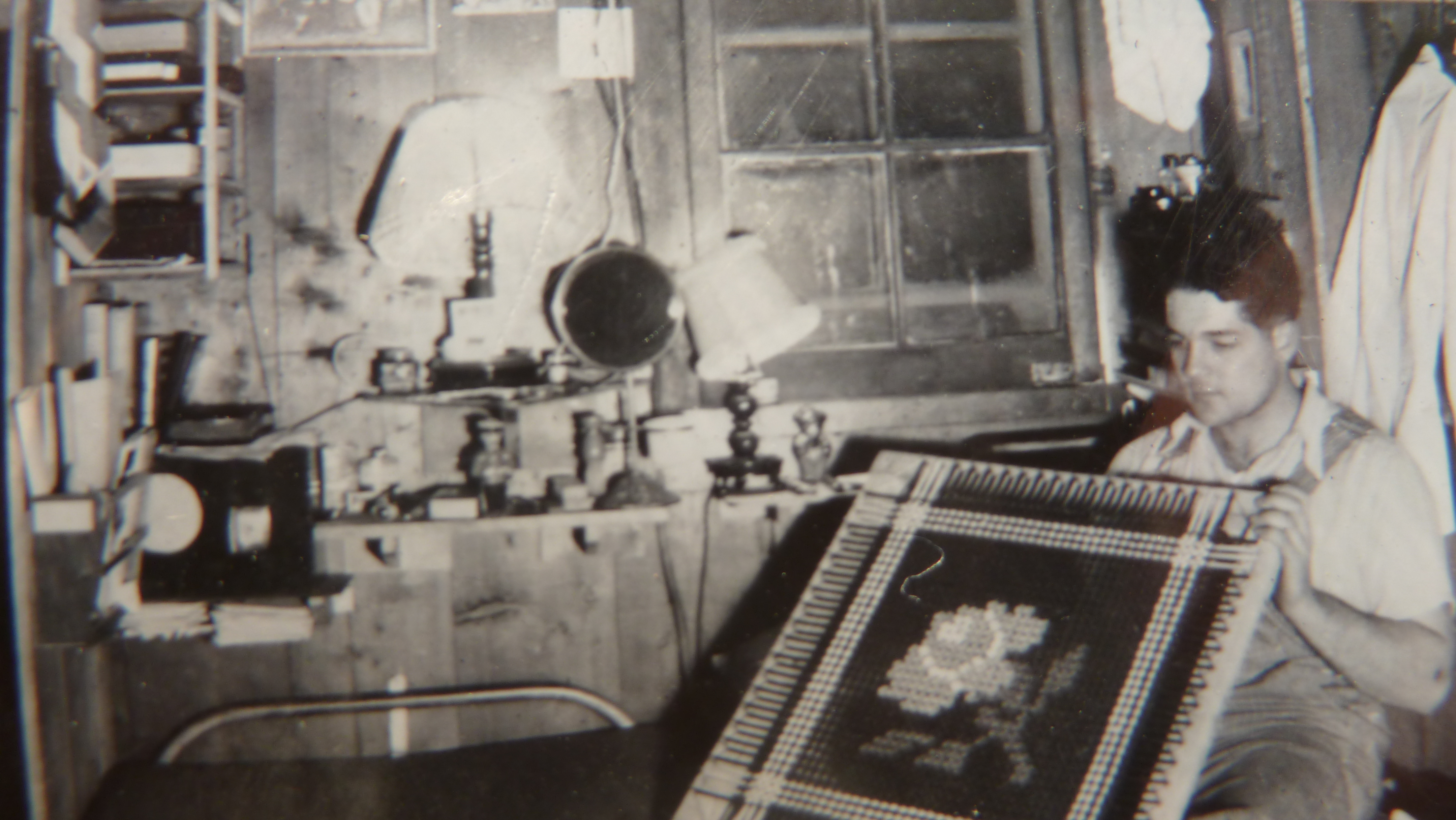
My Dad in a Civilian Public Service Camp during WW II.

My father was also a C.O. during World War II who wanted to be a medic, but was told he would not be allowed to give aid to the enemy, so that was ruled out by his conscience. I do not claim my father did anything so courageous as the real life Doss who risked his own life again and again to rescue some 75 comrades in arms (and some Japanese) from a peril-filled battle at the top of a ridge overlooking the Pacific. I remember my father talking about the “Seventh Day Adventist boys” he got to know through his assignments here in the U.S.—young men he appreciated knowing very much, which widened his view of the world and appreciation for those of other religious groups. I found it interesting that this Seventh Day Adventist combat-decorated war hero and my father died just days apart in March of 2006.

So they were colleagues in conscience. In this movie, my husband vicariously experienced a little of the horrors his father and brother went through in different wars. I too experienced a little of what my father’s colleagues went through in ridicule and derision for their beliefs. I was glad Gibson did not cheapen his film with an abundance of profanity, so common these days: the action and awfulness portrayed spoke louder than profanity anyway.

That Gibson spends almost half the film (my rough estimate) on the build up to the horrific battle is to his credit. The well-developed interplay between Doss, his unit, and their commanding officers  (who must be totally won over to understanding why someone in a combat unit does not feel he can carry a gun) is what saves the film from feeling gratuitous in its violence. In spite of the well-known callous, crude and even vicious officers that are a given in military basic training, each of the officers comes around to seeing how true and deep Doss’s convictions go. One critic at Common Sense Media says Doss does a great job of “portraying a believable spiritual life” without coming off as touched in the head (which would of course booted him quickly from the army).

The film also builds in some exploration of abuse at the hands of his father, which both disgusts and dismays us, even while understanding his father suffered what today we’d call PTSD. That the film garnered a 10-minute standing ovation when first released at a film festival in Venice, with actors who for the most part are played by Australians (with pretty decent American accents), makes the film feel less like a gung-ho old war film and more a pretty decent study of what conscientious objectors went through during The Great War. That this true life C.O. lived out his convictions with such amazing bravery, stamina and courage should touch the heart of any honorable person who sees the movie.

p1080602

Vernon and Bertha Miller on their wedding day, Jan. 1946. I found it fascinating that Desmond Doss’s mother’s name was also Bertha.

Like Desmond’s father, I abhor the futility of war and pray for an end to all wars. Desmond was the living example of “what would happen if everyone refused to kill another even in war.” There wouldn’t be war. Of course, we feel that is idealistic, unrealistic, and totally not going to happen in our lifetime, given the state of conflicts around the world. But still, it makes me wonder. Maybe in the lifetime of my four beautiful grandsons? The Bible speaks of “wars and rumors of wars,” and we assume that means there will always be wars (Mark 13:8). But as Doss says in the movie and my father often reminded us, Jesus gives us a new commandment to love one another and taught, “Blessed are the peacemakers.”

p1050678

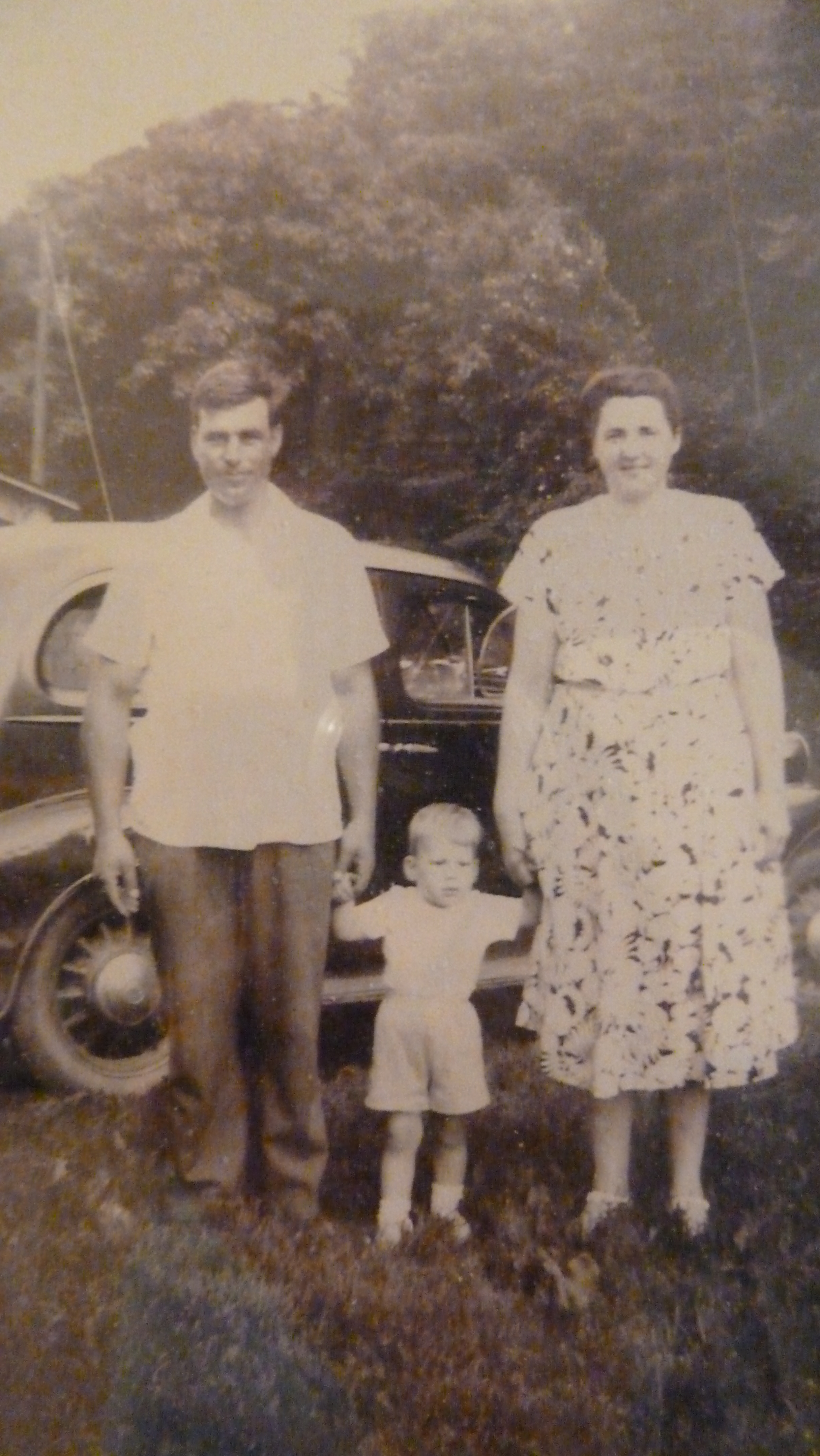
Hershal, Estella, and oldest son Richard, circa 1948 post WW II.

My husband is rightly proud of his father and brother for surviving the horror (physically, emotionally, and spiritually) of war. While he never served, he noted that “The film helps me understand why Daddy would almost break down crying every time they got a letter from my brother while he was in Vietnam.”

The film also brings home the reality of how ridiculed conscientious objectors were in general society in a time when Hitler gave the world such a morally right cause to combat.

***

Comments? Your thoughts on the movie if you’ve seen it, or why or why not you do or don’t plan to see it.

***

How did your father, grandfather, or others you know (women?) respond to calls for military service? Many of my relatives did have careers or serve in the military. Truly I hope this helps us all see that men and women of good Christian conscience are sometimes called differently, depending on how they/we were brought up. 

***

Meet the real life Desmond Doss here:

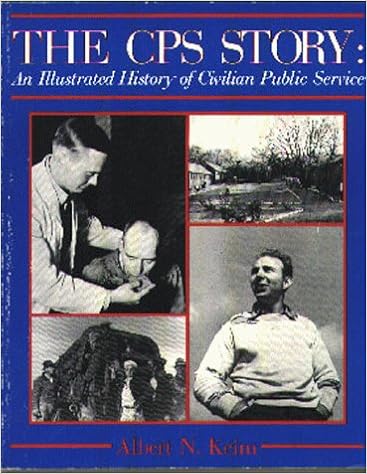
For more on conscientious objectors, see Al Keim’s The CPS Story: An Illustrated History of CPS.

To find records of CPS workers and where they served, including my father, check here.

How to know what’s going on behind your employee’s doors

p1100229

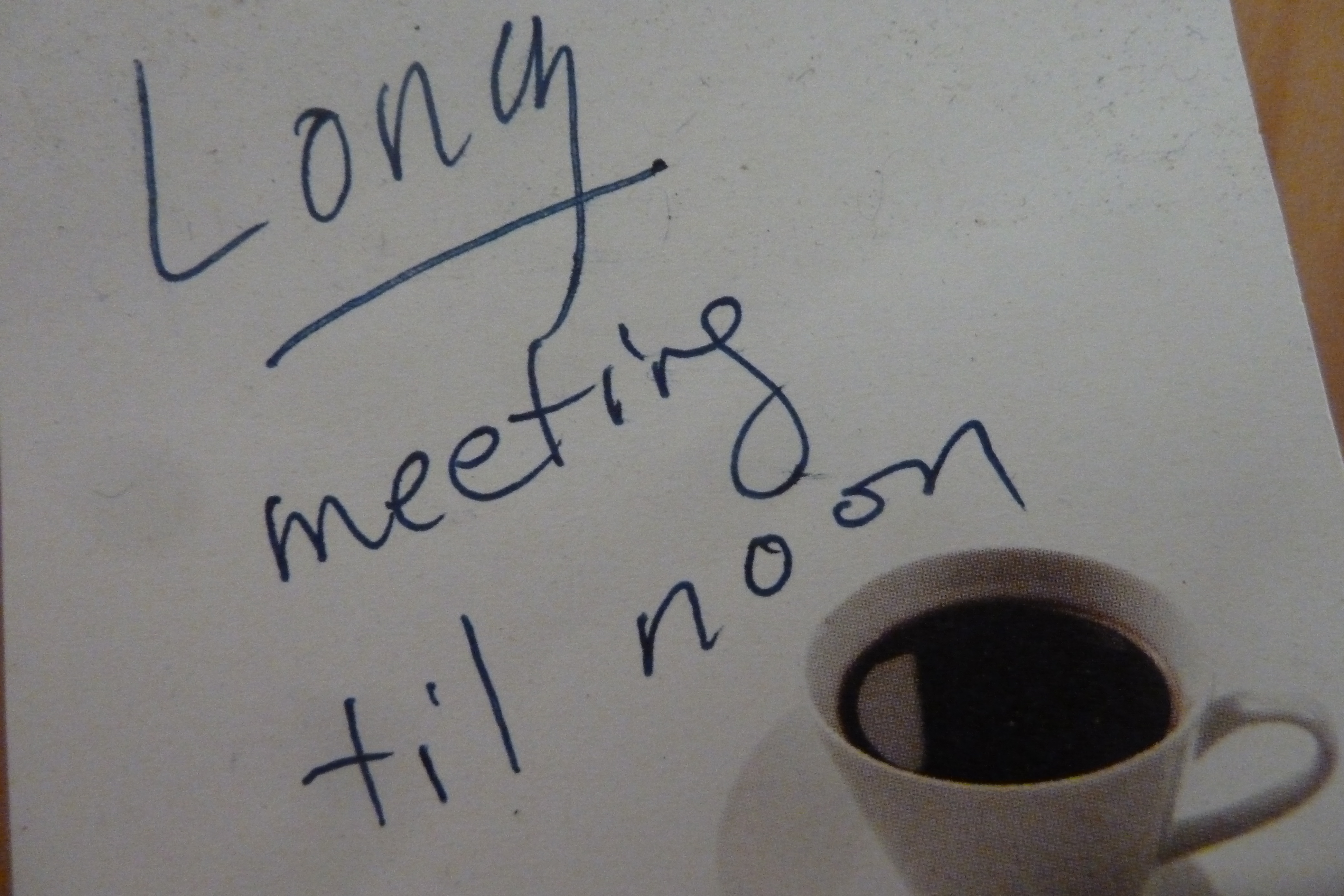
For years I have kept a mess of Post It notes (some now need the additional adhesive power of Scotch tape), as well as odd slips of paper right by my office door, to let my office mates know that when I close my door, I’m not snoozing, chatting idly on the phone, Christmas shopping, or ha-ha-ing at YouTube videos.

They say the online shopping season has already begun.

While I know I am extremely fortunate to have had a private office for most of the 41 years I have worked in various capacities for MennoMedia (and through all of its incarnations and names) I do close my door for a number of reasons, mainly the numerous phone and Skype meetings we have since many of my co-workers work at other locations and from their homes. (I would think the distractions at home are even more compelling –fold that laundry, stick that meal in the oven, get the mail.) But so are the temptations to knock off one more job on the to-do list in the evening after the kids have gone to bed.

p1100231

But sometimes I just need to focus. My ongoing temptation is that my office is just steps away from our office kitchen filled with tempting refreshments, so there’s that.

p1100232

Closing my door, and telling myself I will open it again when I have finished a draft, a project, or the next step in a major to-do on my list, is a big help. I scheme that I will reward myself with a trip to get fresh coffee, or a snack, or a drink of water, or a bathroom break when I finish the next task.

Plus, it’s funny how even though I have hearing issues, if I am trying to concentrate and there is laughter or conversation going on down the hall, I can hear amazingly well!!

p1100236

My ancient signs (and honestly, I’m amazed at how long they have held up and the adhesive on the tape still clings after many many posts!), look pretty bad.

p1100237

I realized this when I saw a new staff member’s very neat and professional looking “door-shut-explanation” signs. This is snazzy and I’m sure it only took 2 minutes to make. Very nice! Actually I could use one of those door check list marker boards, to fit the specific occasion and my mood.

p1100233

What helps you focus?

I would love to hear your best tricks and motivation tools to get the next job done!

Comment here …


Nancy O’Dell: Didn’t I Meet One of The Donald’s Predatory Victims?

p1100177

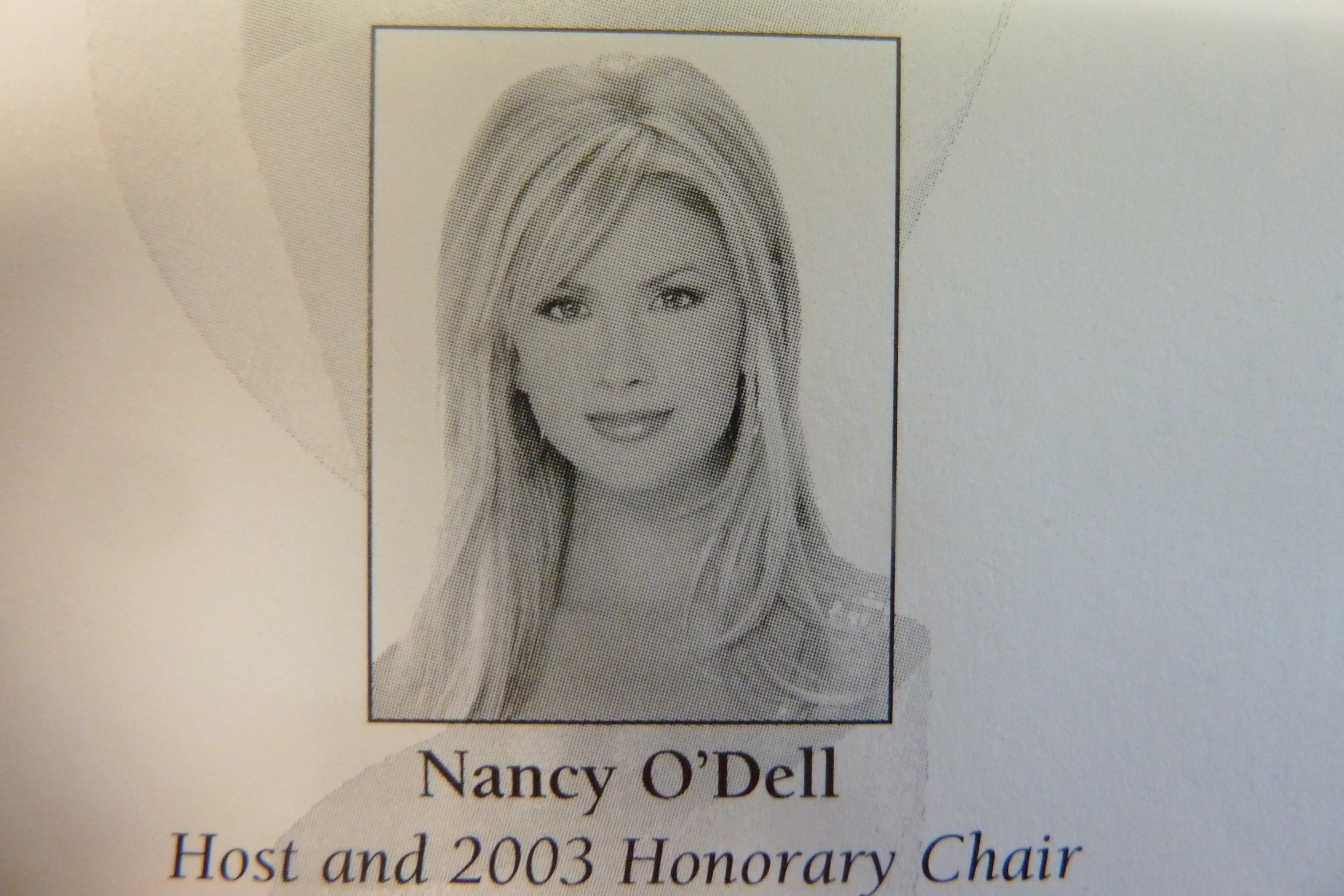
Nancy O’Dell. Nancy O’Dell. As the news broke about Donald Trump’s move on Ms. O’Dell, something rang very familiar—and not just because she was the long time co-anchor of Access Hollywood (before she moved on to Entertainment Tonight). Hadn’t I met Nancy O’Dell once upon a time when accepting one of two Gracie Awards that came to the organization I worked for in producing radio spots?

Had she even shook my hand?

Not that I was all a gaga about that particular moment in the same way as, say, if it had been a queen or president or prime minister, but it was a moment when the work of Mennonite Media, and my role in it, was being recognized for media excellence on a national secular level, and that was very sweet.

program

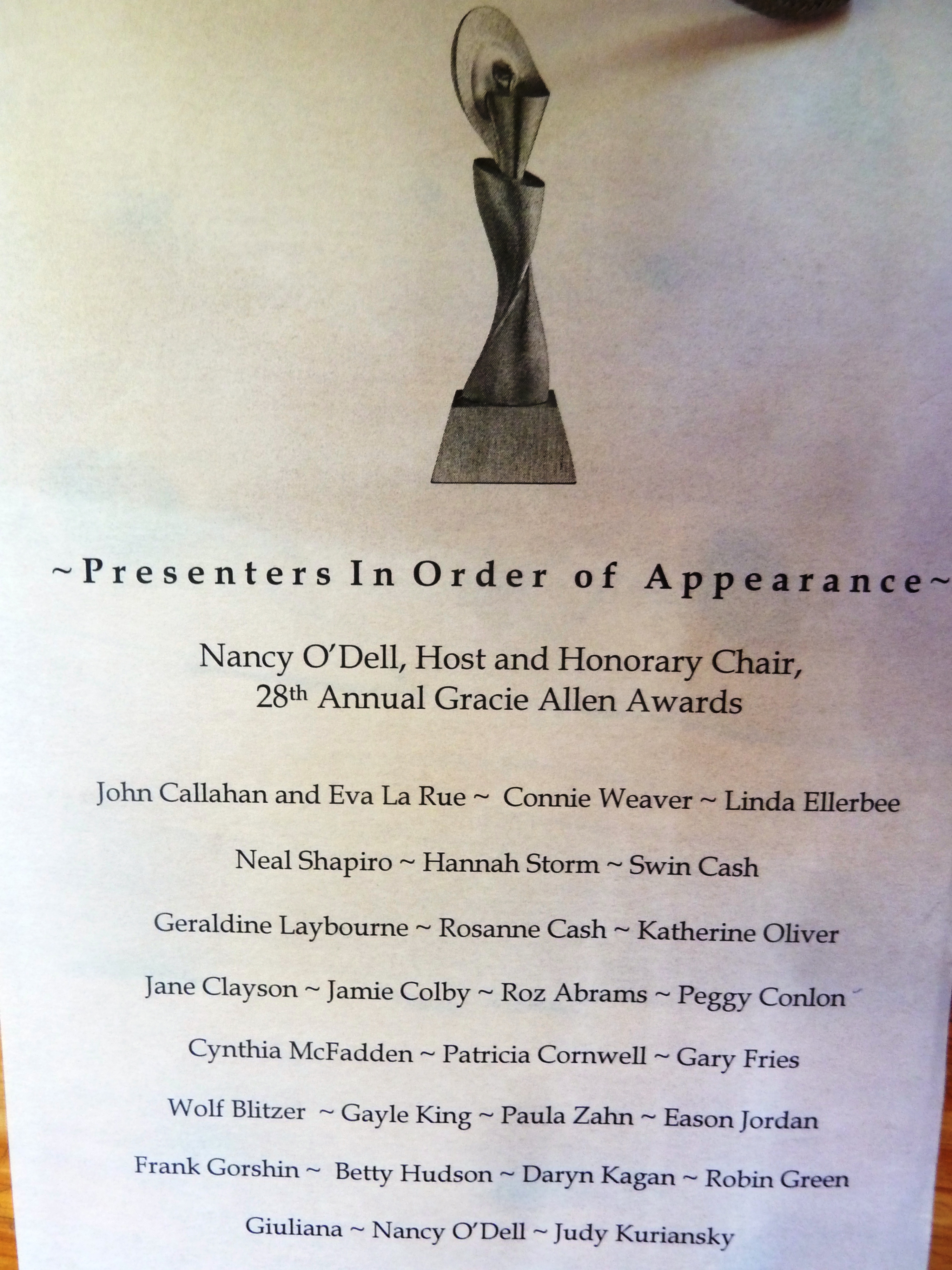
I do have to say it was the fanciest award show I’d ever been to, and I got to go twice, in 2003 and again in 2005. We also entered in 2009 but in the interest of fairness, I’ll add that we didn’t win an award that time. Which in a way, that told us something too—that it wasn’t one of those commercial type award programs that give out several hundred awards to maybe 1000 or so entrants.

But back to O’Dell. She was beautiful and sexy but at the same time polished and professional with a long long record of award winning media work and appearances herself. We as an organization were duly impressed that the host and honorary chair of the event was the co-anchor of that well known TV program, although at the time I had never watched Access Hollywood and didn’t have a clue who she was. As a reporter she had covered such events as the Oscars, Emmys and Golden Globes and did red carpet type shows in advance of some of those events.

redcarpet

Speaking of which, yes, there was a red carpet at the Gracies. And I got to walk on it. But it was the kind of entrance where, if you’re a bystander, you’re wondering—who is that, should I know her, and what did she do anyway? And when it’s you as an unknown walking in, you’re going ok, no one knows me but here I am anyway and yes, I belong here! At the meet and greet in the hotel banquet room, mingling and wrangling tiny hor d’oeuvres on my plate without spilling them, I was feeling sixth-grade-awkward and very out of my element in New York City as a small town or indeed, a farm girl.

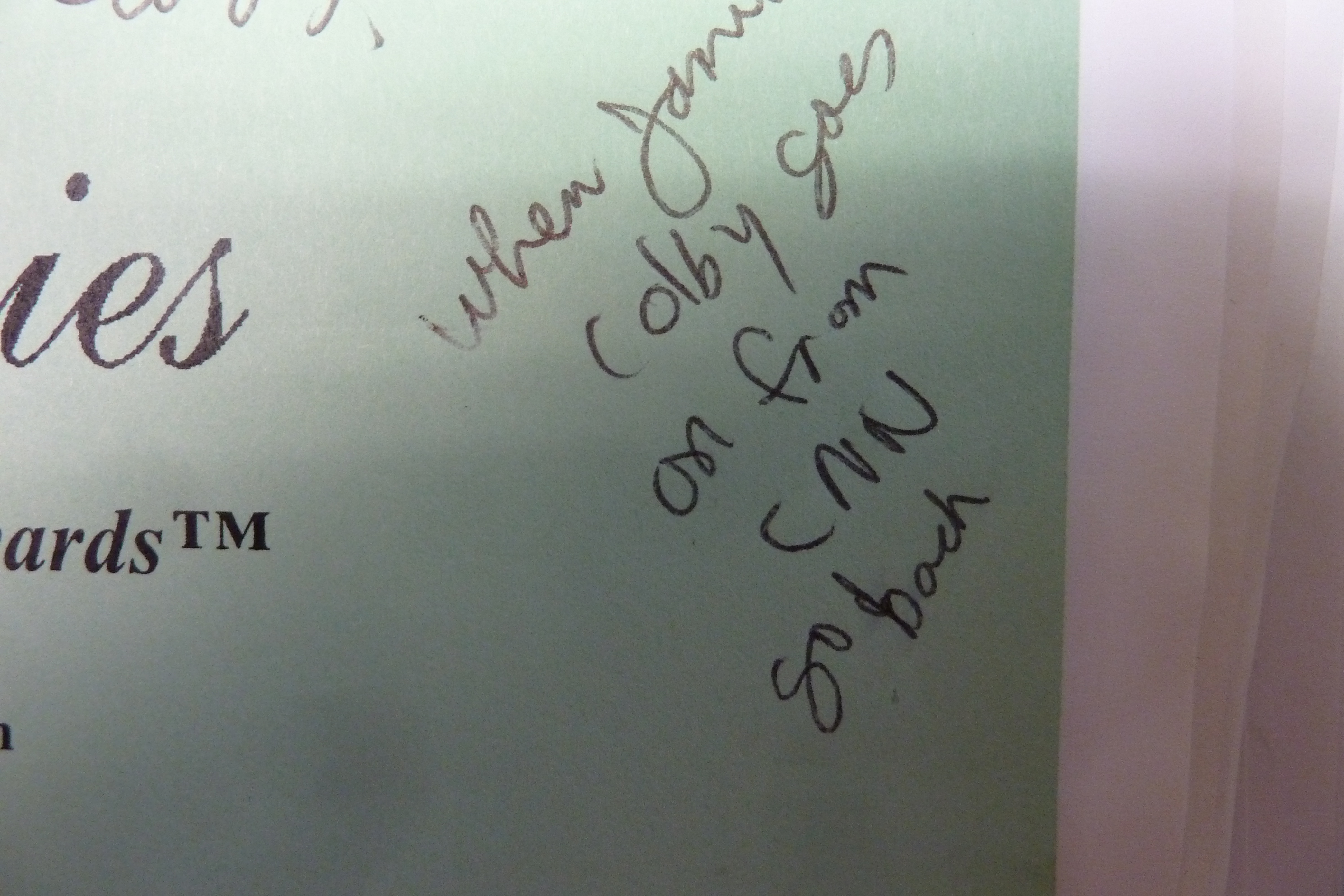
I also wanted to make sure I got on stage at the right time. This was a note to myself. programnotetoself

Which brings me to why even share my fleeting meeting with Ms. O’Dell?

As another acquaintance, David Jost, wrote recently in Mennonite World Review, there is reason to consider our votes as Christians carefully. Not an easy task this election.

I also once heard Hillary Clinton speak, back when she was “just” the governor’s wife down in Little Rock, Arkansas in 1988, at a meeting of the National Federation of Press Women. I do not remember a thing she said. If I’d have thought she’d come this far, maybe I would have taken notes. Or stood in line to shake her hand.

p1100178

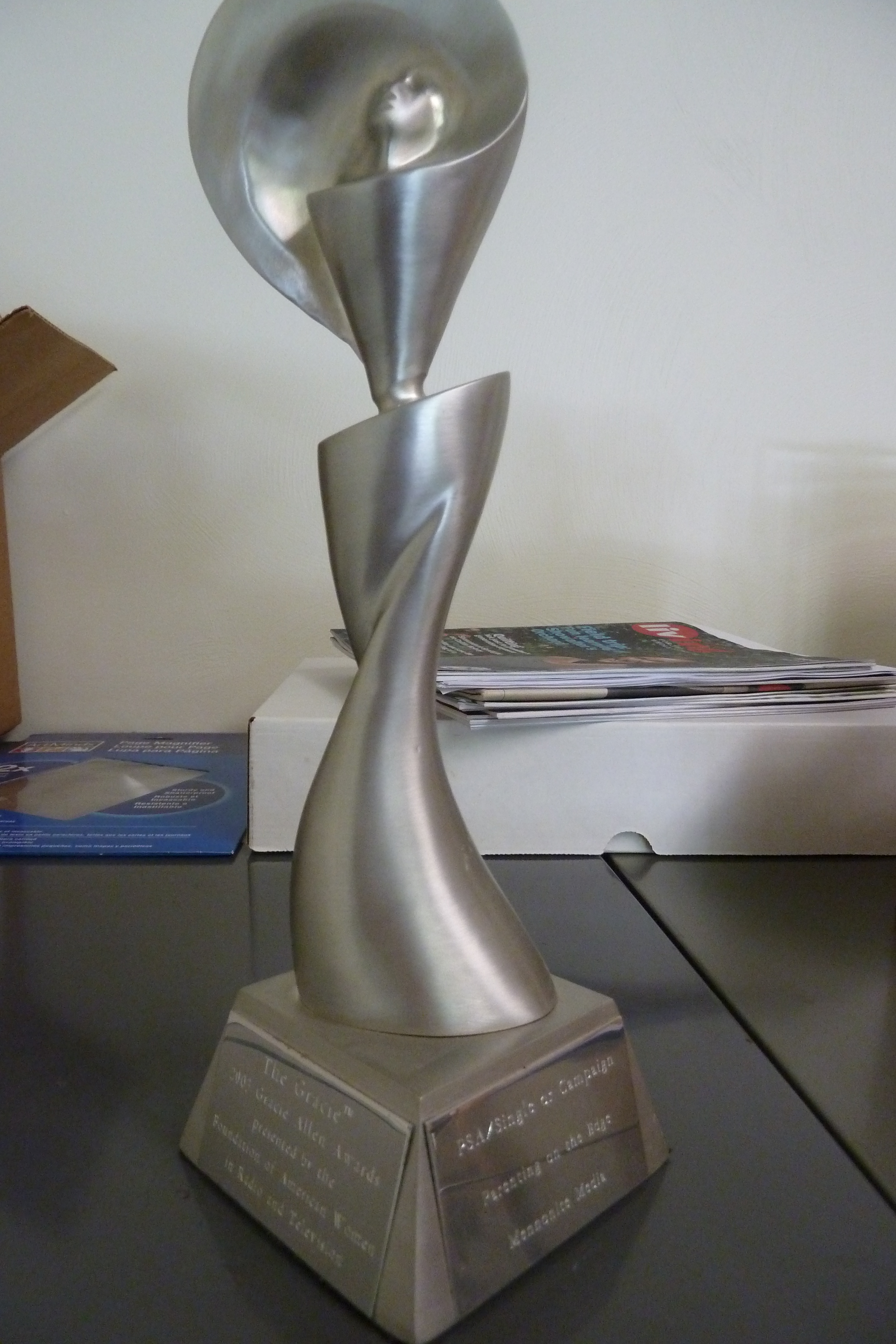
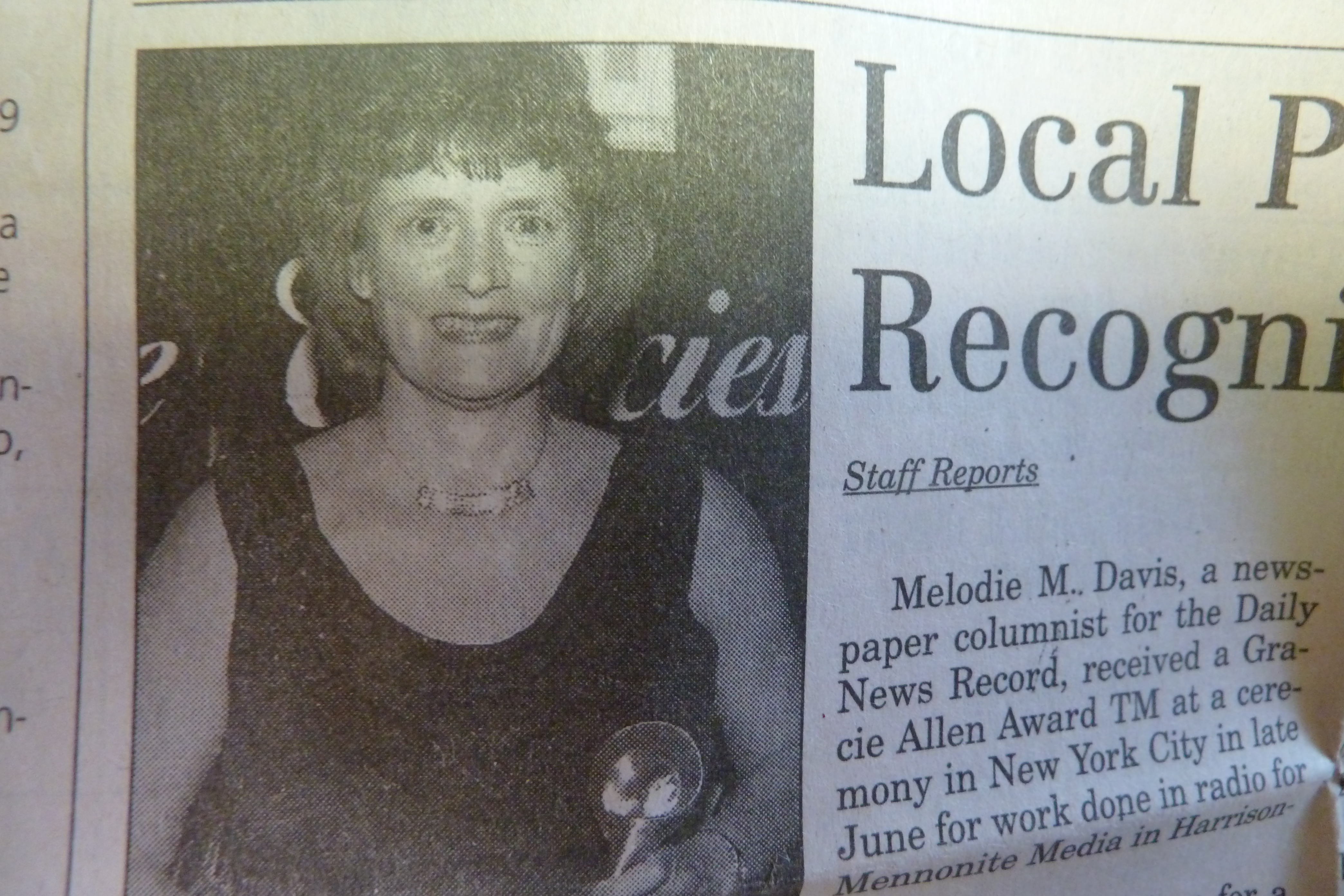
Yes, it was a “heavy” metal. The 2003 Gracie awarded to Mennonite Media.

p1100180

Local Daily News Record shared the news.

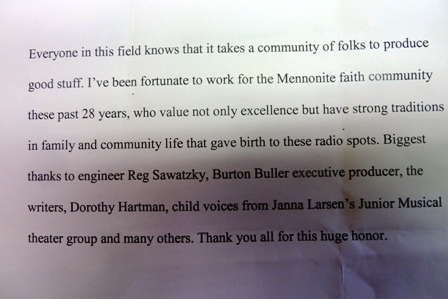
I did get to give a carefully timed 30-second acceptance speech (below), in which I got to mention Mennonites, and their emphasis on community and families, and who made the spots special. Cha-ching. Not that anyone remembers a thing I said.


remarks

***

radiospots

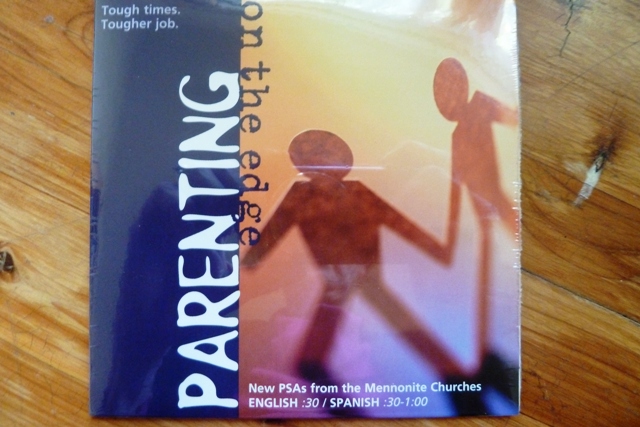
Award-winning radio spots. The radio spots for which Mennonites won the Gracie Award in 2003 were called “Parenting on the Edge”—PSAs (public service announcements) on parenting issues we produced in a studio in Winnipeg, Manitoba, using many local Winnipegians including amazing children, the also amazing Mennonite musician Marilyn Houser Hamm, some professional radio announcers and a volleyball Olympian. I was also extremely grateful to my boss and colleagues, some listed in the award speech, who immediately said, “You are going to the awards.”

gracieallen

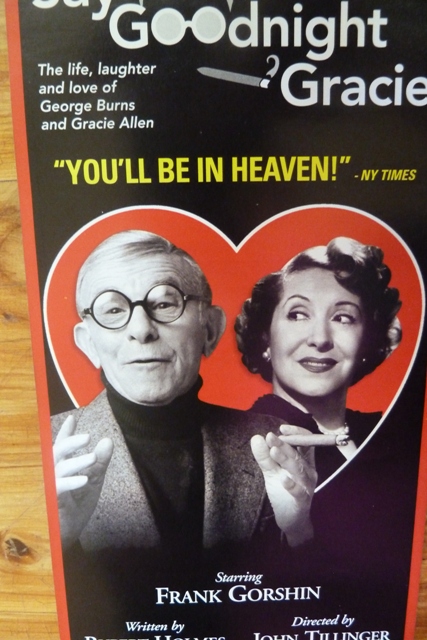
Gracie Allen. The Gracies of course are named for the Gracie half of the George Burns-Gracie Allen love birds–married and often starring together in times gone by. The Gracies are a program of the Alliance on Women in Media.

p1100182

Get your free CD here or listen online. The spots are no longer on
the main Third Way website (since they were produced clear back in 2002) but thanks to the incredible “Way Back Machine” (web archives of over 5 billion web pages) you can hear them here! If you would like a CD of the spots instead, I just happen to have a nice little supply and I’d be happy to pop one in the mail to you. Clean off my shelf …

Where old websites go to rest. And if you’ve never checked out the Way Back Machine, check it out and enter whatever website you used to love and use and see if it’s there. As Donald Trump learned, nothing, especially if it is salacious and potentially dangerous to you if you ever run for president, never really goes away with today’s media. And that’s why this post is rather mild.

Saving memories online. Filing things is also another reason I’m preserving these precious memories here—as I go about cleaning out and discarding some of my work files, a trick I picked up from bloggers like Marian Beaman and Shirley Hershey Showalter. And for the record, yes, I know as media forms change, these artifacts and memories may also be lost, but time to move on!

***

Who is the most famous person you ever met?

Who would you most like to meet?

What do you do with your memorabilia? Toss, giveaway, or save?

I’d love to hear from you either here or on Facebook!

And shoot me an email if you want one of those CDs of radio spots. (If you still have a CD player.) Send to: melodied@mennomedia.org 

The Man Who Moved a Mountain

approachingbuffalomountainresized

Approaching southern Virginia mountains.

The Man Who Moved a Mountain

My friends at church were talking about a book—a person really, who they were sure I would love reading about. The man was a mountain pastor named Bob Childress and the book is called The Man Who Moved a Mountain, by Richard C. Davids, (Fortress Press, 1970).

The book is staggering in its opening chapters as it describes the bloody life on and around Buffalo Mountain in southern Virginia, not far from 1-81 and I-77 which my husband and I travel frequently to visit our family in North Carolina. If you think the old West was wild as portrayed in movies and on TV, Buffalo Mountain was just as wild or worse: men fighting and drawing guns slick and quick, just because they didn’t have anything any better to do. “The Waltons” or “Andy Griffith” it was not.

p1100166

Near Hillsville, Va.

Usually we stop near Hillsville, Va., for a quick bathroom break or cheap gas, about 12-15 miles from the mountain and five miles west of the Blue Ridge Parkway. The book quickly hooked me, as powerfully as the moonshine that a few still spread through the hollows surrounding the Buffalo.

Writer Richard Davids uses shorthand like that to refer to Buffalo, sometimes treating it like a place, a lifestyle, a culture—much more than a single mountain.

Reverend Bob Childress was a young fellow who grew up tough and fighting and drinking like his family and neighbors until God got a hold of him. The good Lord used Bob to charismatically bring many to the kind of faith Jesus talked about in Matthew 17:20, a faith that can move mountains.

The religion that these folks practiced seemed to teach them (falsely) that if someone died in a gun fight or brawl, well, it was his time to go and nothing could be done about it. That’s just the way it was. God’s timing. Their fatalism contributed to the defeatist spirit of those who knew no other way of life.

But something stirred young tough Bob to return to the education he abandoned after a young teacher dearly loved moved away. Something egged him to want to be a preacher—get a seminary degree no less, after he was already married and supporting five children. He faced tremendous odds just getting into seminary without a high school diploma. The Presbytery (a higher ruling body than the local congregation) discouraged him but eventually through their support and years down the road, Childress was a star pastor preaching throughout the southeast sharing tales of God’s movement in and around the Buffalo. Everyone loved him.

Again I was struck with how some stories are hard to swallow: if it were fiction, it would be critiqued for not being realistic.

One paragraph was especially telling—and chilling. “Killing served as more than a final act of justice or safety, however. Killings provided the excitement—almost the entertainment—that lent savor to the dreary struggle of existence. Tales of gunfights were told and retold wherever men met” (p. 7). Writer Davids goes on to tell the details of some of the gorier stories he heard from the older mountaineers as he lived among them to gather stories for this partial biography. I’ll spare you the imagery, it’s as R-rated for violence as it comes. Another line says the people of Buffalo Mountan lived at war with one another: “Killing was a habit of generations. To argue was womanish. A buffalo boy didn’t become a man until he came to discard words for action,” (p.8).

The earliest memory of Bob Childress himself was getting drunk at not quite three. .. “It was brandy that made life bearable,” (p. 11) Davids writes. You can read most of the book right on Google Books.

But the book became alive for me when I was talking to a fellow Lion club member, Mary Beth. I had vaguely recalled from earlier conversation that she hailed originally from the Hillsville area. So I asked her if she’d read the book about her home area. Her face lit up and I couldn’t finish saying the title before she filled in, “Oh, The Man Who Moved a Mountain? and I responded, “yes, I’m reading it!”

Mary Beth quickly added, “Bob Childress was one of the pastors who married my parents!” Suddenly the book became very real. “They had two pastors for the ceremony because my Dad said he had to have Bob Childress do his wedding.”

That told me how truly magnetic, loved and effective pastor Childress was in his ministry. Over the years of following God’s call, and up until he had to cut back for health reasons from his speaking and preaching travels, Childress spurred improvement and change. Some of the changes came partially just because of the revolutionary  betterments of the 20th century, but also undeniably how he embraced and egged the people on to education (building the area’s first school), and working at infrastructure like roads and bridges to end the extreme isolation. He was known also for building up churches (both the people and lovely stone edifices), and bravely pushing mountain men to come to those churches, giving up moonshine (in spite of it being their livelihood and the drink as common as orange juice for breakfast).

It is truly an amazing story or God’s leading and a man’s following—supported, as usual, by a strong faithful wife and loving family.

p1100126

Blue Ridge Mountains, further up in the Shenandoah Valley.

***

What mentor, pastor, or even a dear friend would you place in the category of Pastor Childress? Who not only changed your life or life of faith–but also brought signficant change to a community? I’d love to add to this honor roll of great change agents for God.

***

This book reminded me of those written by southern Virginia Radford professor emeritus Peggy Shifflett, reviewed earlier on my blog:

How one woman lost her label arriving at school on a different bus
Old Time Religion in Hopkins Gap

***

I have not yet managed to snag an image of Buffalo Mountain but you can easily google “Buffalo Mountain Images” to get an idea of why they called the massave sloping shape of the mountain, “Buffalo.” Or look at one of several YouTube amatuer videos: https://youtu.be/72YdGmJtwVo

***

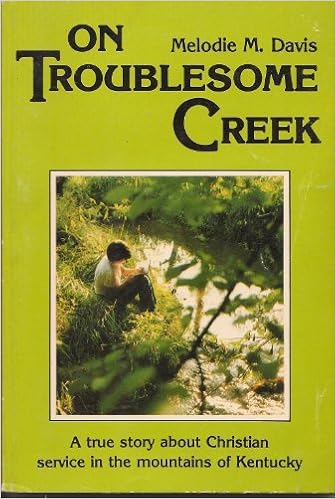
My memoir of living in the nearby hills of Eastern Kentucky for one year can be found as a used book on Amazon, On Troublesome Creek, Herald Press, 1983.

Feeding the Multitude: Quantity Cooking–Sausage Gravy

Quantity cooking – Sausage gravy

In the years since I began working with a team of people at MennoMedia to help syndicate Lovina Eicher’s Amish Kitchen newspaper column, I’ve become not only a faithful reader but a star struck fan in wonderment of how does she do it—especially when it comes to cooking for a wedding crowd? How does any woman manage to pull together a menu, stock the supplies (to say nothing of paying for it all), to feed upwards of 1000 meals all in one day: the day your daughter or son gets married, no less? Most of it is all homemade from scratch. How do they handle the last minute panics of “oh no, someone bought this kind of flour or sugar rather than that, or the order list said this rather than that?”
 

pancakedays2016

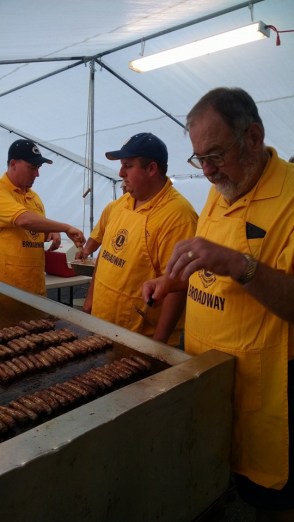
Stuart cooking sausages 2016.

I got my own dip into quantity cooking the other week helping with the Lions Club Pancake Days that have been a tradition in the little town of Broadway, Va. for at least 30 or more years. My husband talked me—no, volunteered me into—making the homemade sausage gravy (no mix for this Lions Club, no sireee). Our faithful normal gravy maker had to be out of town at a Lions state convention for the second half of our planned Pancake Days so my husband sweetly said he thought I could do it.

Thus I got to learn the ropes first hand from John Knepper, our seasoned sausage gravy maker—always the best way to learn to cook a new dish.

In this case it wasn’t a matter of me learning to cook a new dish: ever since we began our involvement with the Lions and I learned to love sausage gravy on pancakes (the topic of my very first post for this blog back in 2013!), and make it regularly particularly in the fall and winter. The quantity aspect was what was new—and daunting. Would I run out of gravy at a critical time and there would be folks in line yammering for their gravy—an abundance of pancakes and sausages cooling all the while? Would I scorch a batch? Would it turn lumpy and be ruined?

The answers are no, no, and no, thank the sausage gravy angels of the universe. The gravy by all accounts was delicious; we had people wondering what was the name of the mix we used, and when we told them it was homemade, not a mix, one woman looked triumphantly at her table mates declaring, “I’ll have to tell the team at our church!” Score, score.

Here, shared with permission from the true gravy maker, John Knepper, is how to feed the multitude delicious homemade gravy (and if you count the milk, this gravy is more like a creamed sausage soup than a greasy gravy).
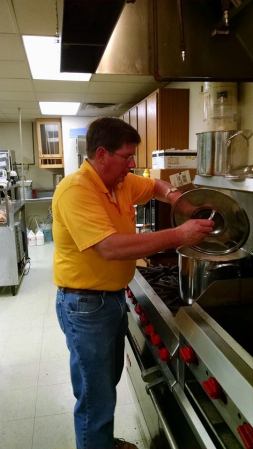
JohnKnepperGravyJohn Knepper stirring his famous and great sausage gravy. Photo courtesy of Dawn Turner from 2014.

And if you’re going eeewww, “Pancakes are eaten with syrup, not gravy!” you can do the way many Broadway Lions Club Pancake Days fans do: eat your first course of pancakes as a meal with gravy, and your second course with syrup, for dessert. Viola! At home I serve fresh fruit after these two courses for a more nutritious dessert.

The answer about how Lovina or any Amish woman or man who helps cook for a wedding feeding 400-500 people for lunch, and then feeding another 400-500 for an evening meals is: You. Are. Exhausted. Period. And you need help from others cleaning up the very large mess made by quantity cooking. But the adrenaline rush from successfully managing to cook and feed a large number of people in a short amount of time is not only rewarding, but addicting, and you know you’ll enjoy doing it again. Next year.

You might enjoy Jennifer Murch’s account of how she masterminded the making of 12,000 homemade yeast raised donuts for our local Virginia Mennonite Relief Sale recently!

P.S. Since I was focused on making gravy and not taking pictures, I don’t have many pictures. But here’s how I serve it at home.

Image

Sausage Gravy – large quantity – recipe from John Knepper

Makes one large kettle serving 40-50 people, depending on how much gravy they want dolloped onto their pancakes. See size of kettle John is using.

1 – 1 ¼ pound high quality sausage (not a lot of fatty content. I use Gunnoes. For this pancake sale, we buy from a local meat warehouser called Gore’s.)
1 cup vegetable oil
2 cups flour
1 ½ teaspoon salt
1 ½ teaspoon pepper

Brown 1- 1 ¼ pound sausage in one cup vegetable oil in skillet. Mix in flour and mix and heat well, stirring and mashing down with spatula to keep out lumps. Add salt and pepper to taste. Once flour/sausage mixture is well mixed and browned, stir in 1 gallon whole milk. Stir continuously allowing it to heat until bubbly and thickened over medium heat. Do not to let it scorch. Completed gravy usually stays very hot once removed from fire, although we use a warming commercial buffet line to keep pancakes, sausages and gravy hot as people come through the lines.

(To reheat gravy that has been refrigerated reheat in small batches, stirring very frequently or continuously. Add small amounts of boiling water as needed to help thin it down, which also helps reheat it more quickly.)

And here is my much smaller quantity recipe from an early blog post.

Sausage Gravy – small quantity

1/3 lb. Gunnoes whole hog sausage, mild (or the highest quality favorite sausage you can buy)
1 Tb. shortening – Crisco as needed, or fat remaining from frying sausage
1/3 c. regular flour
1-1/2 c. water or milk
1/4. tsp. salt
1/4 tsp. pepper


Additional notes on prep time, etc.

For a “Shrove Sunday” pancake brunch at church 2018, made large 6 quart batch gravy:

Timetable
Began frying sausage in oil 7 a.m.
When brown, added flour, salt, pepper 7:20 a.m.
Added milk in small increments, heating slowly and stirring almost constantly.
Gravy finished cooking up about 8:00 a.m.

Left for church at 8:30 a.m.

Stuart cooked sausages at medium 300 degrees on the griddle. Started about 9:30 a.m. for 10:45 brunch serving.

***

My mother always hated to work in crowded church kitchens to prepare meals.

Do you enjoy quantity cooking? Why or why not?

***

If you know of newspapers who might be interested in carrying Lovina’s Amish Kitchen newspaper column, here is contact info

***

The Mennonite Community Cookbook is known for its section on cooking enough food for a barn raising. You might want to check it out! 

Mennonite Community Cookbook/65th Anniv

When Mennonites didn’t dance, not even at Homecoming

Last weekend my husband and I were both exhausted so went out for dinner (well, just pizza, but at a homey Italian place we enjoy in the town where the kids all went to high school).

The small restaurant was filled with high schoolers all decked out for their homecoming dance later that evening. We enjoyed checking out what was in, what was out in terms of boutonniere, wrist corsages, lacy short short dresses, and cute bow ties and suspenders. I was thrown back to my Senior Homecoming weekend in 1969 in Blountstown, Florida. Oh my.

importjan2014-893

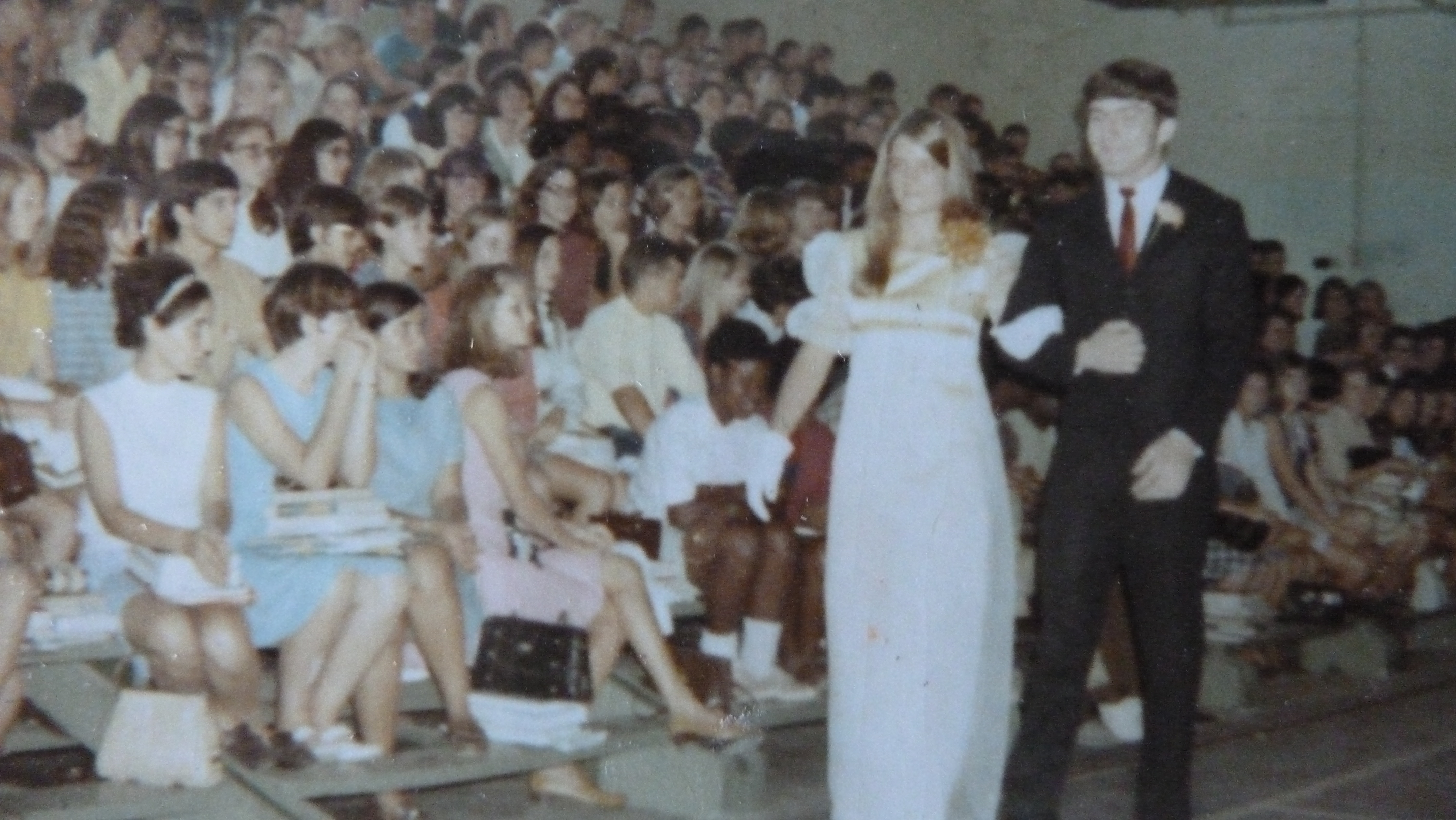
Your truly with my homecoming escort, Garland. He actually looks like he was smiling!

You may recall my history of moving with my family to north Florida which was my senior year of high school. I didn’t mind the move because I had always wanted to be “the new girl in school.” Well I got my chance, and with it, was nominated to be on the homecoming court. I know that happened only because I was a new girl and some of the other girls were being snubbed by classmate votes because of … who knows … but somehow I lived the dream of many young teens–to ride through town on the back trunk of a convertible, waving. To walk on the field at a homecoming game, smiling. To walk up to be on stage in the old gym, heart beating out-the-kazoo over who would win. Along with most others in the school, I expected the queen to be the drum majorette who dated the star of the football team, but you never know.

My dress (above) was the dress I wore for my oldest sister’s wedding earlier that year, before we moved. My mother hurriedly sewed me a beautiful green corduroy suit to wear to the game. And for the parade, she remade another formal dress we had on hand. More-with-less.

But the reason I’m sharing this is my delight in this past year at being able to reconnect with two of the girls who I got to know much better by being on the homecoming court, Suzanne Knight and Sandra Stokes. I first stumbled on to Sandy through a mutual friend on Facebook, and then Sandy got me connected with Suzanne (not knowing who either married prevented me from doing searches before.)

The three of us got dressed for the homecoming ceremony together at Suzanne’s house. And while I was not allowed to go to the dance (Mennonites did not dance in those days!) I loved going to the homecoming football game, which was actually the very first football game I ever attended. Imagine my chagrin in telling the shy but handsome young football player I asked to be my escort that I couldn’t attend the dance, but would he be my escort for the other festivities anyway? (We were allowed to go to football games, but at my small Mennonite high school in Indiana, the fall sport was soccer, not football.)

Going to a public school that year ended up being a hard, lonely year; I’m thankful for the few friends I made, Suzanne, Sandy, Delilah, and Becky among them, and for the experience of being lonely. Moving into a town and then leaving a year later for a church voluntary service program and then after that college meant I never put roots down there. But I treasure the girls who did reach out to me that year and am overjoyed to follow their lives a bit through the technological homecoming “dance” that is Facebook.

***

Did you ever have to sit out some activity everyone else got to do?

What difference did your church or faith make in your activities as you were growing up?

For the full scoop on what I did the year after high school, read a copy of my old “memoir” of a year spent in Voluntary Service in Kentucky, titled On Troublesome Creek. Published by Herald Press.

 Check for used copies on Amazon.


Heart of Loia `'.,°~

so looking to the sky ¡ will sing and from my heart to YOU ¡ bring...

Kana's Chronicles

Life in Kana-text (er... CONtext)

My Awesome Blog

“Log your journey to success.” “Where goals turn into progress.”

Carla's Book Crush

Clean Christian romance worth reading.

Storyshucker

A blog full of humorous and poignant observations.

Jennifer Murch

Art is the only way to run away without leaving home. -Twyla Tharp

Trisha Faye

Cherishing the Past while Celebrating the Present

Traipse

To walk or tramp about; to gad, wander. < Old French - trapasser (to trespass).

Hickory Hill Farm

Blueberries, grapes, vegetables, and more

The Centrality and Supremacy of Jesus Christ

The Website & Blog of David D. Flowers

Cynthia's Communique

Navigating careers, the media and life

the practical mystic

spiritual adventures in the real world

Osheta Moore

Shalom in the City

Shirley Hershey Showalter

writing and reading memoir

Mennonite Girls Can Cook

Harmony, grace and wisdom for family living.