Another Way for week of September 28, 2023
When Your Kids Leave Home
Guest writer: Michelle Sinclair
Editor’s Note: A two-part piece on young adults leaving home. Melodie Davis’s daughter, Michelle (now Sinclair) wrote about this phase of life in 2003; the issues still apply in 2023!
It was the first fall break of our college careers. A week earlier we freshmen had been excited and ready to make our first trip home after a long month of other firsts. And now we were back on campus and refreshed—for the most part.

A we lugged our suitcases up three flights of stairs, I asked a friend of mine how her break had been.
“Fine. Well … pretty good. … it’s just weird, you know?”
Yes, I did know, but for the sake of conversation I asked her to elaborate. “I was glad to see my parents and all,” she said, “but it seemed like the minute I was home, I was supposed to be back to following orders all the time.”
She turned into her room and tossed her bag on the bed. “I went out one afternoon to do some shopping, and when I got back all I got from my parents was interrogation. I was shopping, for crying out loud, and I know I had mentioned to my mom that I was going to go sometime when I got a chance. It just seems like they don’t realize that when I’m away at school, I run errands and do other stuff without giving them up-to-the minute details.”
Since I graduated from college this past May [2003], perhaps I can offer some advice to parents whose children have gone off to college (or elsewhere away from home) this fall. Parents may not be sure of their new roles, or how this whole “away from home” thing is going to work out. What it really boils down to is long-distance parenting.
Your college student feels the first real sensation of independence. Parents have to learn to be satisfied hearing only snippets—or in some cases—nothing of what is going on in their son or daughter’s life. [This is probably dated with the rampant texting that most of us now do.] But likewise, students have to reconcile themselves to being cut out of decisions like what color new carpet (at home) would be best, or who will get whose bedroom after they leave. Family realignment is inevitable, but it can also be a great time for younger siblings accustomed to living under the shadow of a domineering older brother or sister to come into their own.
When kids come home from college for fall break or Thanksgiving, your son or daughter is not always going to remember to let you know where they’re going—and they’re certainly not going to feel like asking permission. They have become accustomed to staying out as late as they want, and going wherever they want. But, you are still their parent and you’re still concerned.
A helpful way to get around this potential problem is to ask questions in the manner you might use to make a friendly inquiry to a coworker, about their plans for the evening. Be sociable and non-intrusive. “So what do you have going on tonight?” asked in a curious but nonchalant voice will raise less problems than an interrogative “Where are you going? Why didn’t you tell me before?”
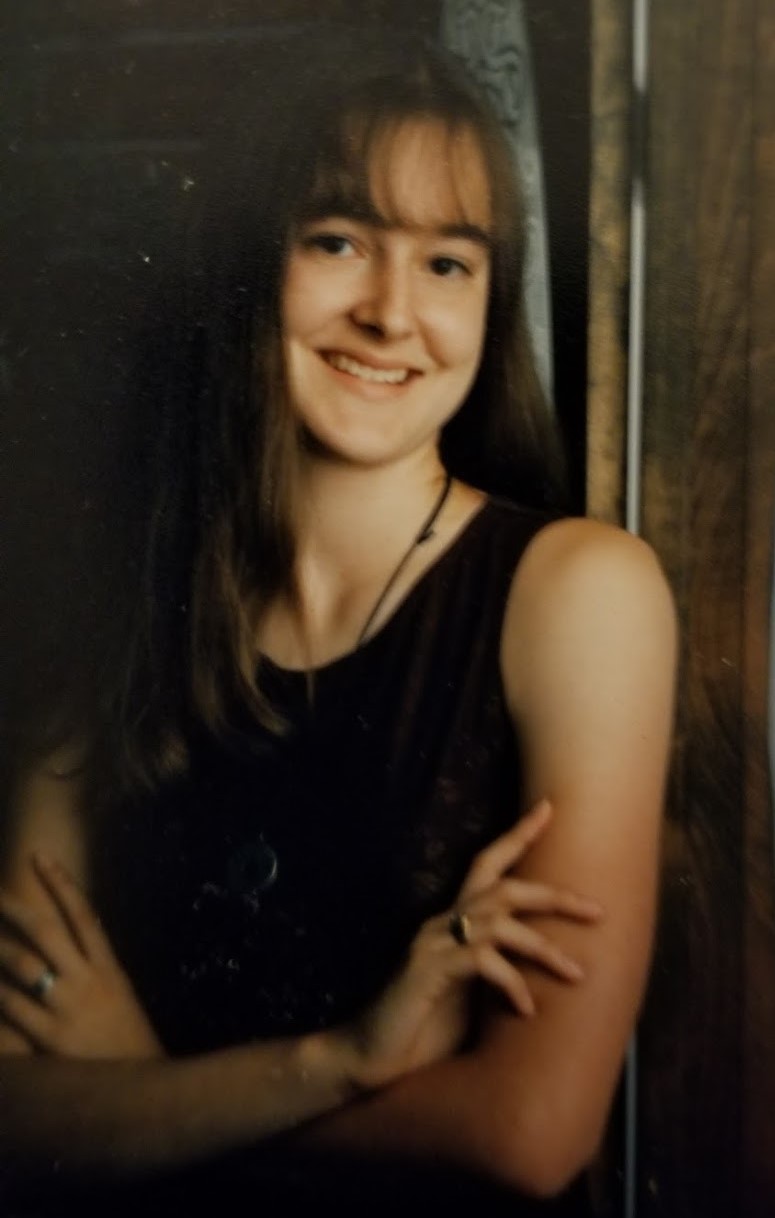
College is really an important weaning period for both teenagers and parents. I don’t think I ever quite realized how dependent on my parents I was until I went to college. I recall one of the most homesick moments I ever experienced was when I got a bad sore throat in my freshman year. At some point during a long walk to the grocery store and finding the medicine myself, I realized that my days when I would have “Mommy” around to nurse me when I got sick were numbered. I remembered how if I had the flu, she would bring me ginger-ale and sit on the edge of the sofa and hold the back of her hand against my forehead to check for a fever.
More on this phase next week!
***
Share your thoughts or memories on leaving home. Contact me at Another Way, P.O. Box 363, Singers Glen, VA 22834, or email anotherwaymedia@yahoo.com.
Another Way is a column by Melodie Davis, in syndication since 1987. She is the author of ten books, most recently Memoir of an Unimagined Career. Another Way columns are posted at FindingHarmonyBlog.com a week after newspaper publication.
Another Way for week of September 22, 2023
Eugene Souder: A Tribute I Need to Pay
Today I want to pay tribute to a man who enabled me to do something I dreamed of doing/being. Besides my 43 years working for a church media organization (sometimes just half time or ¾ time when our children were young), a creative entrepreneur named Eugene Souder asked me to be editor of two magazines he started. We had three small children at the time and I loved being able to also work from home that way for a number of years.

Eugene died June 3 of this year. A memorial service was held July 29 near Broadway, Va.–the delay due to far flung family members all wanting to be there (one living in Netherlands) and as I mention below, wonderful musicians, like Eugene.
In 1990, Eugene started a local paper he called Living for the Whole Family, to give parents and families good healthy information and encouragement. Rather than being negative and discouraged, he wanted to “light some candles rather than curse the darkness.” He felt that families were not getting much support: raising children can be very taxing and difficult. He organized a board to help with this media effort.

About two years after Eugene launched the family paper with an editor in Kentucky, he asked me if I would take over as editor. I pretty much jumped at the chance. It was something I could do at home, after the children were in bed or at school.
Eugene was an idea man and also loved singing, drawing and design. One church leader I knew used the word “gadfly” to describe him, because he was always coming up with new ideas and projects. Sometimes people with innovative ideas get put down for creativity. At one point he was a part time pastor and also a home builder who spearheaded building a whole section of smaller affordable houses for families in a local town. He sang in a men’s quartet for many years and traveled with evangelist B. Charles Hostetter sharing uplifting Christian music. He was also instrumental in starting a radio program of mostly music on a local station.
I loved that right out of high school at the close of World War 2, he accompanied cattle on three different trips via cattle ships to Poland, Greece and China. Eugene and the other volunteers hoped to ease hunger and help farmers raise their own cattle through a United Nations relief program.
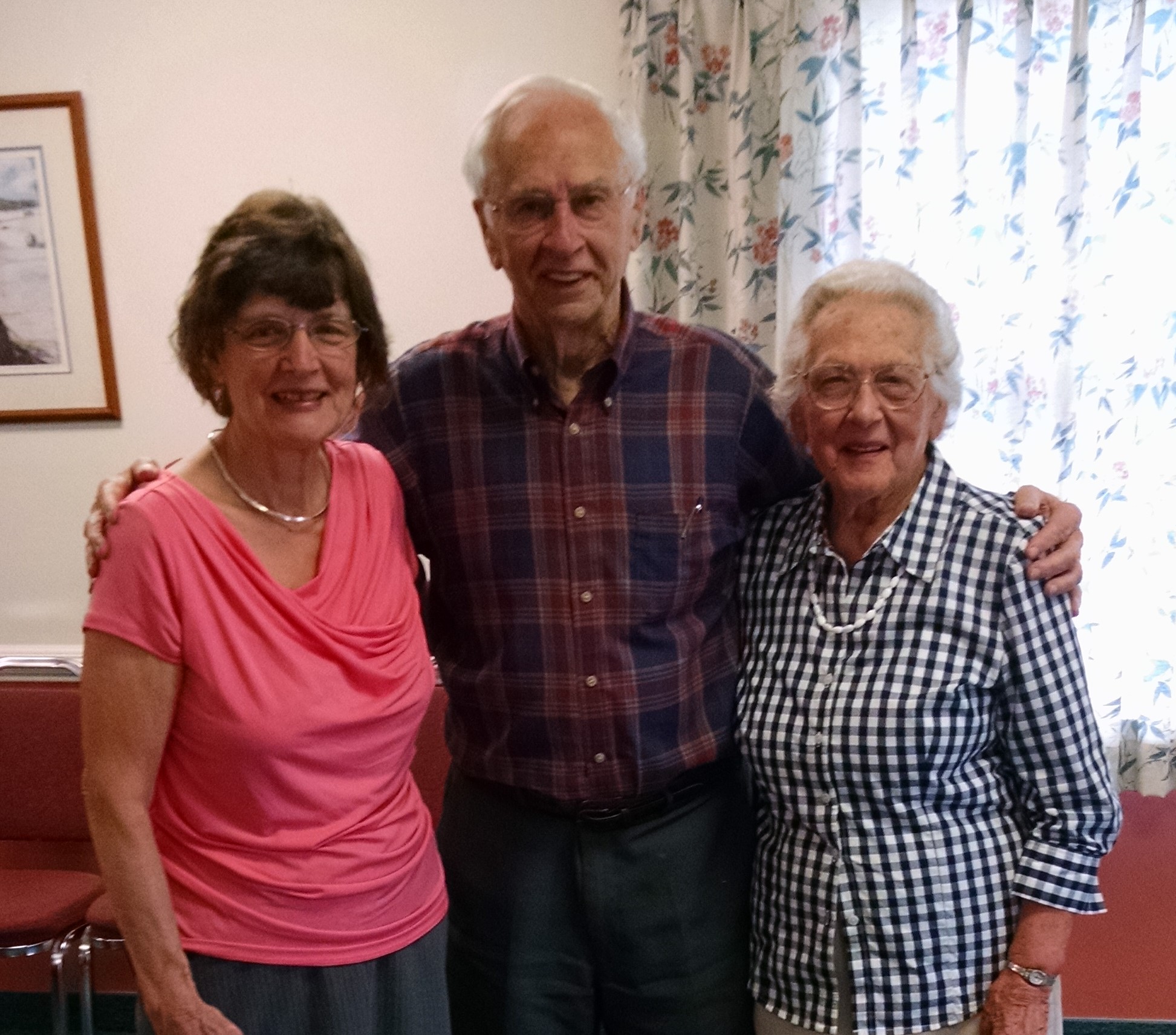
He and his wife Alice enjoyed 70 years of married life raising four children. He grew up in a family of five sisters and four brothers (all now deceased). He diligently planned and outlined the whole memorial service long before he passed, and fervently asked that the memorial should not just be about him. He did give “license” to the family to add what they wanted, but overall kept it a service of worship and praise to the God he served and loved with all his heart.
A talented seven-member “family choir” plus a pianist, four violinists, a flutist and guitar player made beautiful music at the memorial service. The music helped all of us enter into a true spirit of worship and joy while also wiping a few tears.

I was happy for the side income to my 30-hour-a-week job some of those years, but what made me truly happy was the opportunity to be a real editor of a real paper that was distributed—free of charge to hundreds of thousands of homes in Virginia, Pennsylvania, and Ohio. I loved corresponding with writers who also were delighted to get $30 to $50 checks for their articles, and to be published in a truly uplifting magazine. Our own children even created “word searches” for it when they were old enough, and earned some money. For the record, Eugene had the imagination and wherewithal to launch two other periodicals: Together, and Our Faith Digest. Together was distributed (without charge) to an estimated 250,000 homes.
It wouldn’t have happened without Eugene’s foresight and energy and abilities! A gadfly? No. Today I would say he is “flying glad” in the realms beyond. The message he shared on the cover of the memorial bulletin he designed was: “Meet me there!”
Blessings to Gene’s wife and family as they remember his spirit and get-up-and-go.
***
Comments? Your own tributes to dedicated and creative persons you’ve known?
Comment here or send to me at Another Way, P.O. Box 363, Singers Glen, VA 22834, or email anotherwaymedia@yahoo.com.
Another Way is a column by Melodie Davis, in syndication since 1987. She is the author of ten books, most recently Memoir of an Unimagined Career. Another Way columns are posted at FindingHarmonyBlog.com a week after newspaper publication.
Another Way for week of September 15, 2023
Families in Crisis: How Can We Help
People throwing things at each other ‘til the house or apartment is in chaos. Moms or Dads coming home drunk. And mean. Children shot in school, at home, in a park. Sometimes we don’t even want to know what goes on.
I read two books this summer about two very different cities/places in the U.S. but with a major issue in common: how our nation can do better for our children.
The books were published longer ago, 1995 and 2016, but trust me: I’m sure many of the same issues these families and children face have not changed or improved that much. Indeed, some families and communities deal with unspeakable crimes where adults and children get killed every day by drugs or violence.
Jonathan Kozol, a writer of many award-winning books, wrote Amazing Grace: The Lives of Children and the Conscience of a Nation. This one focuses on children in the South Bronx of New York City.
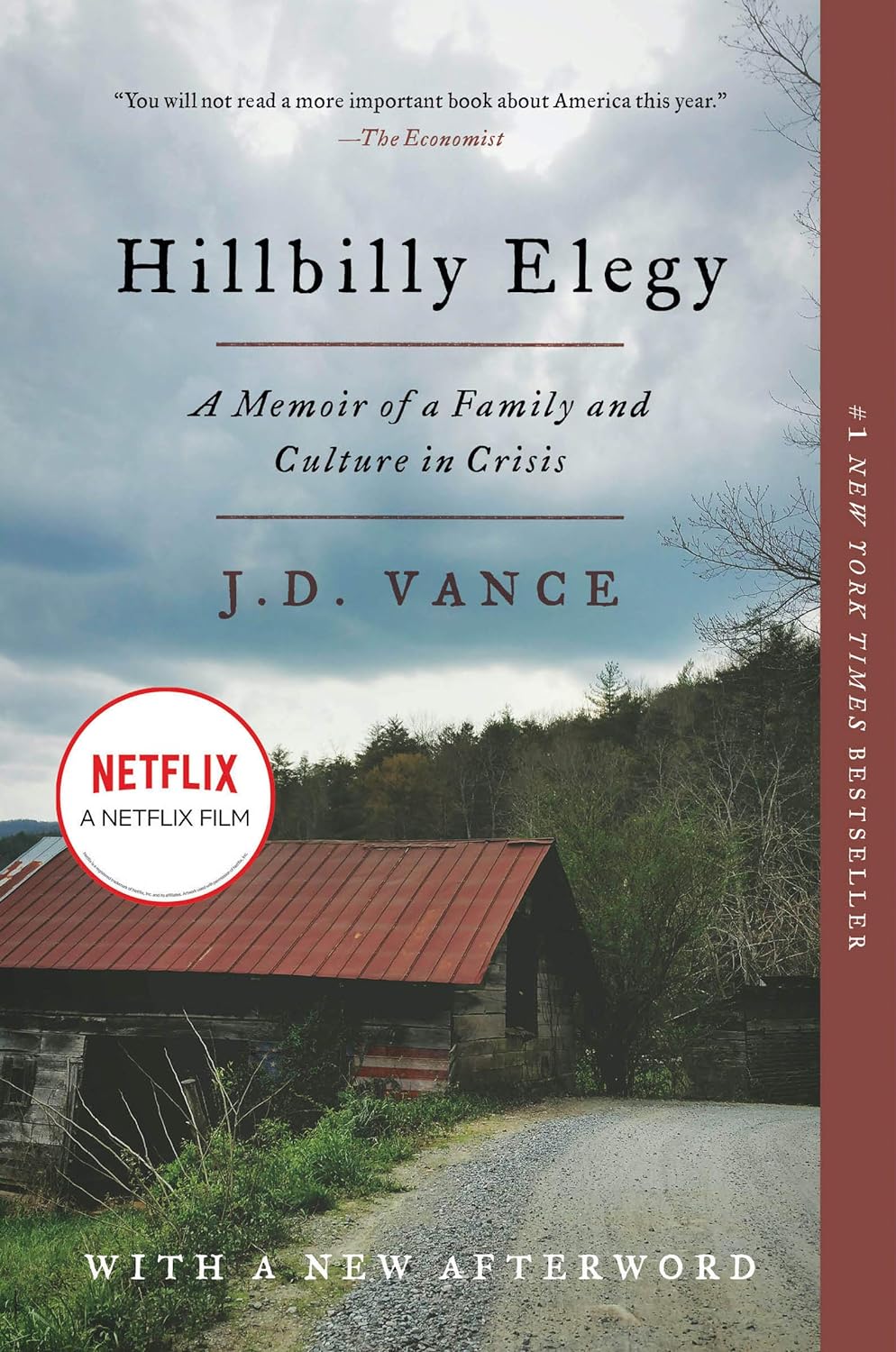
More recently, J.D. Vance, grew up in Jackson County, Kentucky (Appalachian region), near where I served a year in a church voluntary service program. His book is titled Hillbilly Elegy: A Memoir of a Family and Culture in Crisis, was a New York Times bestseller.
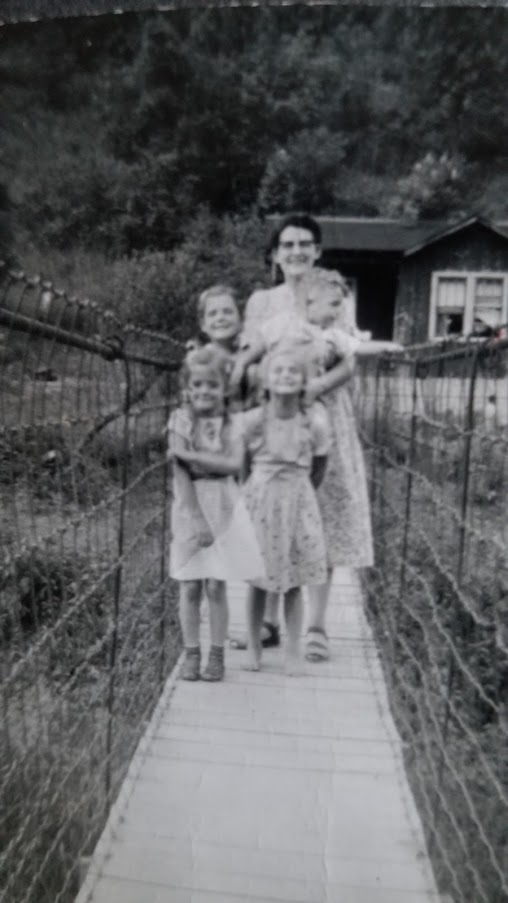
Our family on a swinging bridge in Kentucky many years ago. Mom and Dad helped a small church when the pastor needed a vacation.
Vance’s book caught flack over his use of the word “hillbilly” in the title, which can definitely be used as a put down for a person, community, or region. By the end of the book, you just empathize with the characters, many of whom suffered because drinking to excess, fighting, cursing, and using drugs was just normal behavior. It also details the migration north from Appalachia to areas that offered factory work with better pay, such as along rivers of southern Ohio. His alcoholic mother had a habit of swapping one live-in boyfriend for another, such that J.D. much preferred to live with his grandparents, even though his grandma, Mamaw used words with him that are not fit to print here. (That was just their culture.) But at one point, after a particularly sad fight among family members, little J.D. asked his Mamaw, “Does God love us?” At this, his grandma also broke down and cried. Vance was fortunate to rise above family and personal problems and eventually became a lawyer.
In the second book, Amazing Grace, author Kozol spends a year researching the lives of children and families in the South Bronx. Again, I felt some personal connection, due to a trip several of my office colleagues took to that area in the 1980s, as a way to learn more about the difficulties and tragedies in the Bronx and how similar crises were affecting many larger cities and even smaller cities. The Bronx was a place for street gangs of increasingly younger kids, and then the AIDS crisis began, and many public housing buildings were burned down—and of course, drugs and drug lords/crime bosses were rampant. Is this any way for children, anywhere, to grow up? No, never, but all over the world we know children go out and beg for their mom (or dad) and family, start early on drugs, and then end up selling drugs themselves.

My heart and mind were reawakened to the many difficulties and predicaments our small children and youth have to live with in many places. How do we help?
Katerina Parsons, writing in the Rejoice! daily devotional, reminds us of Mary’s (the mother of Jesus) “song” recorded in the Bible (Luke 1:46-55). Upon being told she would give birth to the promised deliverer (Jesus), speaks of lifting up “the lowly” and bringing down “the powerful.” Parsons notes “many church denominations have advocacy offices that seek both to meet people’s needs and to change the realities that create their conditions of need in the first place.”
God loves all children everywhere. We can volunteer, donate to organizations and needs that truly help people, or work with children in daycare programs or afterschool clubs. Perhaps the kids can begin to know God’s love.

If you’ve read either book or author, I’d love to see your comments.
And see your ideas on improving the lives and opportunities of children.
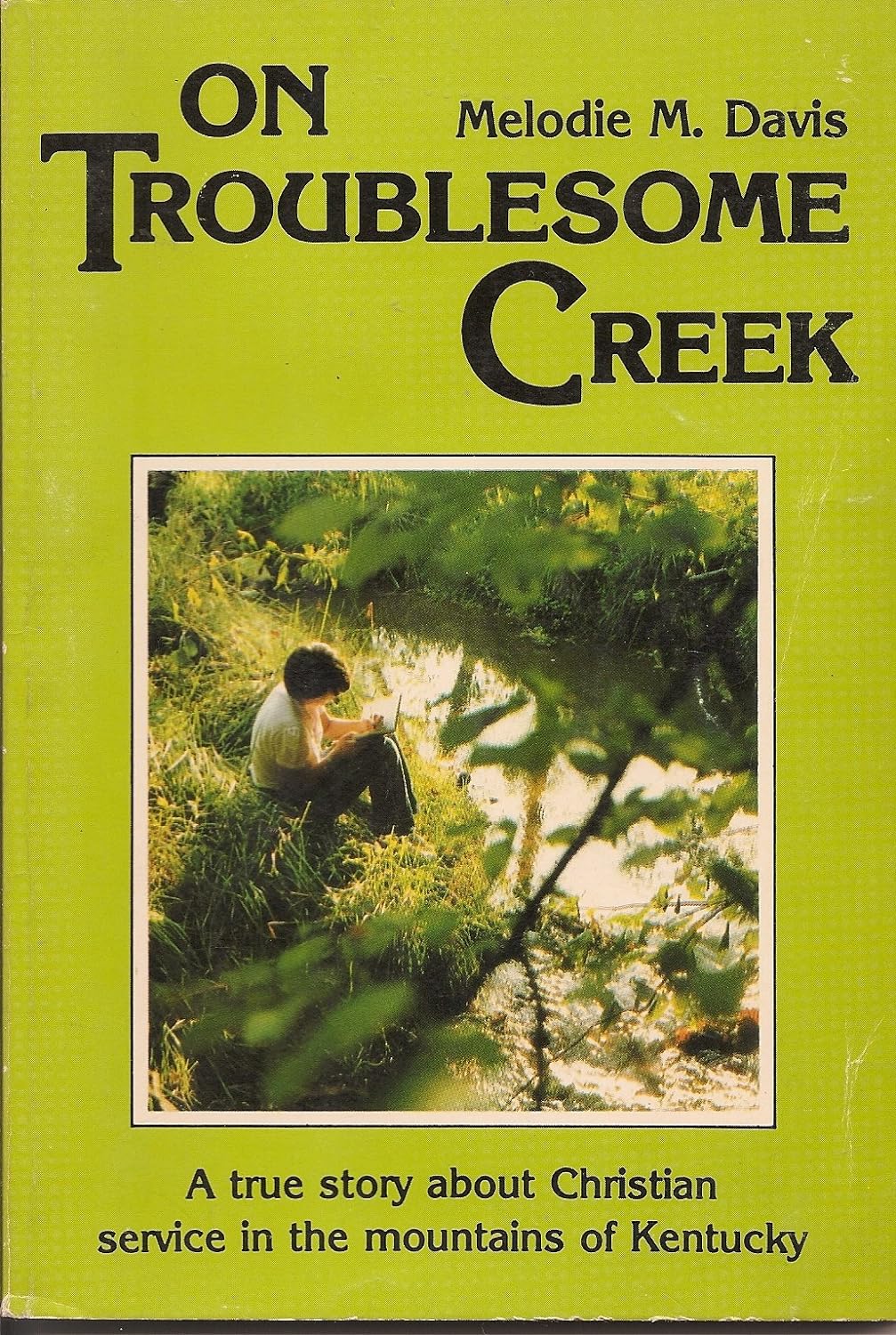
My book on life in Kentucky in 1970 is available here:
Comment here or share stories at Another Way, P.O. Box 363, Singers Glen, VA 22834, or email anotherwaymedia@yahoo.com.
Another Way is a column by Melodie Davis, in syndication since 1987. She is the author of ten books, most recently Memoir of an Unimagined Career. Another Way columns are posted at FindingHarmonyBlog.com a week after newspaper publication.
Another Way for week of September 8, 2023
After Harvest, Comes Celebration
I love to hear from readers, especially when they respond with a story that follows up on something I wrote about.
Earlier this summer I told the story of how our family was begged to help finish eating a container of Orange Pineapple Ice Cream that we had enjoyed the evening before as our bedtime snack when on vacation. Daddy pushed us to eat it for breakfast so it wouldn’t go to waste. (In those days we had no way to travel with a box of ice cream without it melting to liquid.)
This reader (who asked that I not use her name) said that column in mid-July “brought back many memories to me.” She is an 80-something-year-old widow who had the joy of being married over 60 years. Her husband, unfortunately, passed away a few years back.
Her ice cream story runs like this: “When we were first married my father-in-law owned a tractor and thrashing machine, and went all over the neighborhood to thrash oats and wheat for the neighbors. After the thrashing was done for the season, all the neighbors would get together one evening to pay their bills (for the thrashing). My father-in-law would buy the ice cream and the rest would bring snacks, cookies, or cake to help celebrate. There was a place in Middlebury (Indiana) that made homemade ice cream called Vic’s Ice Cream and my father-in-law would buy a five-gallon tub of ice cream called “Orange Pineapple” and probably also some vanilla and chocolate. I don’t remember those, but I do remember the Orange Pineapple Ice Cream. What a fun evening we had.”
This reader had a second story to tell, which I enjoyed as well.

“My birthday was [early in July] and my daughter came and brought me a box of “Hudsonville Orange Pineapple ice cream” in memory of my husband. A week before, I had been to a grocery store and wanted to buy some ice cream because I was having some friends over. And yes, I bought a box of the Hudsonville Orange Pineapple in memory of my husband. It was definitely one of his favorites.”
I loved the timing of my column with her birthday celebration. Fascinating!
Now I’ll add my own little postscript to these tasty tales. Vic, the first owner of Vic’s Ice Cream was probably close to my father in age. They were also distant cousins of some kind (third or fourth, if I remember correctly). To us children, Vic had the most amazing stock of candy varieties, sodas, bubble gum and baseball cards, and of course ice cream. I always thought the town kids were lucky because they could walk by the ice cream shop on their way back and forth from school, but sometimes upperclassmen who knew how to get over there went there during lunch break. It was a special landmark for many of us in the small town of Middlebury. Someone said of Vic, “He knew how to make people happy.” What a job! Making people happy. Vic had an engaging smile.
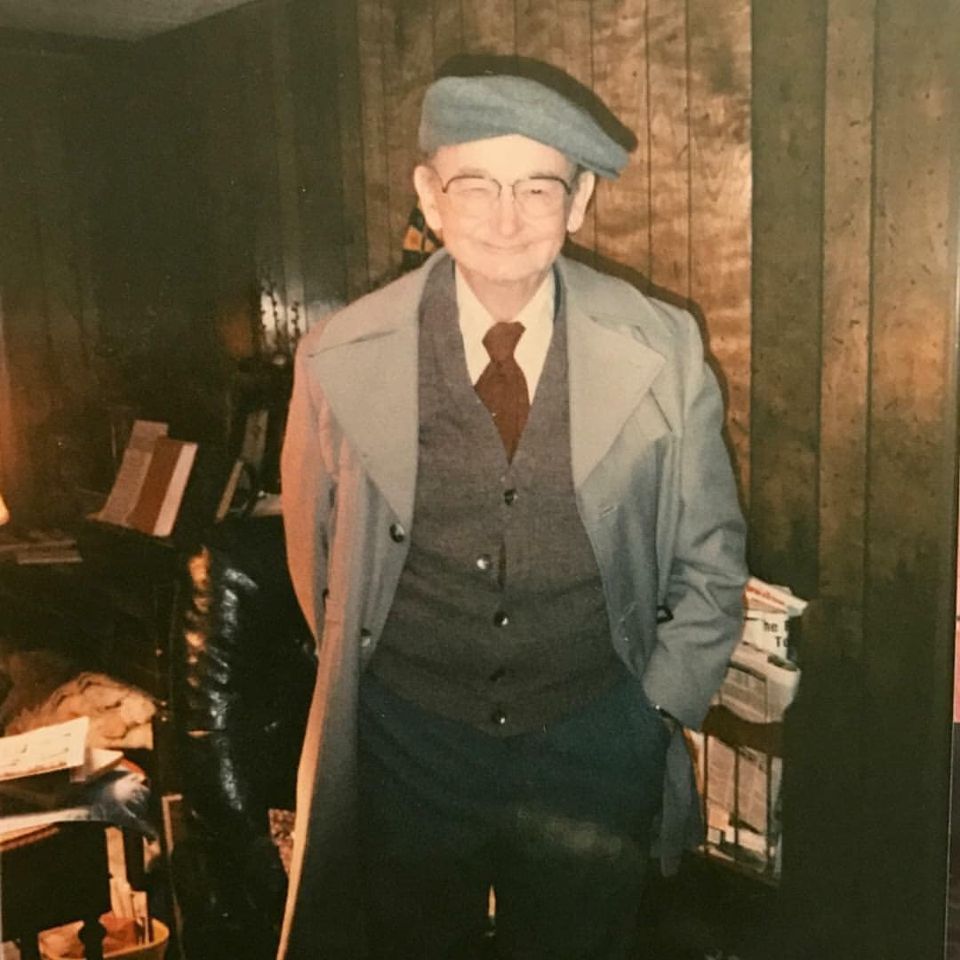
Vic Sr. died in 1989 but he had a son who was my age. In grade school, we had some classes together. I recently read the sad news that Vic Jr. died last year (2022). We called him Victor. I hope someone in the family reads this and is reminded of how much joy they gave the community.
Most of us get happy just at the thought of a delicious bowl or cone of ice cream, especially on these days when the heat seems to linger as we anxiously await the coming of fall and cooler weather.
Yes, we could all do with eating less ice cream, in terms of calories and sugar, but we can use more celebrations! And now I’m grateful to this reader for giving me a break and “writing” my column for me!
***
P.S. After this appeared in The Goshen News, a cousin of mine in Indiana, Elaine Hooley, filled in my forgetfulness about how we (my family) were related to Ice Cream Vic:
“As for relationship, he (Vic) was your second cousin, so your dad and Vic were 1st cousins ‘once removed’. Vic’s grandma, Mary A. Kauffman was an older sister of your grandma, Barbara Kauffman. Mary Ann was 14 years older than your grandma, which is the reason you have a second cousin in your dad’s generation.”
She also told me that Vic died in 1989.
***
What’s your favorite flavor or brand of ice cream?
Are there ice cream hangouts in your neighborhood?
Would you rather have pie, or ice cream for dessert? Pie or cake?
Comment here or share your favorite ice cream story!
Another Way, P.O. Box 363, Singers Glen, VA 22834, or email anotherwaymedia@yahoo.com.
Another Way is a column by Melodie Davis, in syndication since 1987. She is the author of ten books, most recently Memoir of an Unimagined Career. Another Way columns are posted at FindingHarmonyBlog.com a week after newspaper publication.
Another Way for week of September 1, 2023
What Does a Baby Think? Celebrating Grandparent Day
So … I’m watching the daycare webcam where my young granddaughter has been recently enrolled. It is early. A nursery worker is busily changing all the sheets on the cribs in the nursery as a young father walks in, sets his seven-month-old child (guessing age) down on a lovely patterned rug showing children of various hues, and walks out. The little tyke sits there, looking around, not crying or anything, but obviously eagerly waiting for some interaction. A worker hands a toy to him and he happily starts crawling across a device that looks like a safe slide for the ”under one-year-old” crowd.
I’m in Gramma heaven, wishing of course I could be hands on but just as happy for the workers who have good jobs at the daycare center which focuses on teaching the little ones things, and not just babysitting them.
And I wonder, what does that little fellow think? How is he doing? The busy worker glances his way at various times, checks her watch, more little ones will soon be arriving. Another baby crawls on the floor and she soon joins the first boy, crawling herself. The worker bounces a ball for him, waiting for the others to arrive. I know from reading the center’s goals for youngsters that these workers definitely have an agenda as they spend 7-8 hours with very small persons. (Of course grandparents and parents are not allowed to take home photos of anyone, and I’m a fan of that policy.)
Ever since our granddaughter has been born, I’ve been studying her early connections to the world—a little over six months old.
She is enjoying the newly opened world of real foods: first a quarter of a banana, then a piece of lightly steamed broccoli, next one-sixth of a peeled apple. She eagerly explores each. At the center, she mostly gets bottles filled with her mother’s milk and pureed food, such as what I first introduced to our daughters.
I well remember the mother’s six-month-old birthday (our youngest daughter). Our niece had accompanied us to Virginia from her home in Indiana, and she was about 10 or 11-years-old at the time. She went by “Krissy” then. As time went on, her love of babies and well-disciplined children was obvious as she raised her own crew, now five strong and a grandmother herself. For Doreen’s “sixth-month” birthday, we even had a little cake and ice cream as Krissy helped to entertain our three daughters, ages just-turned 5, just-turned 3, and the six-month-old, messily slurping up some ice cream. We had our hands full those days. I wouldn’t trade them for the world, of course.
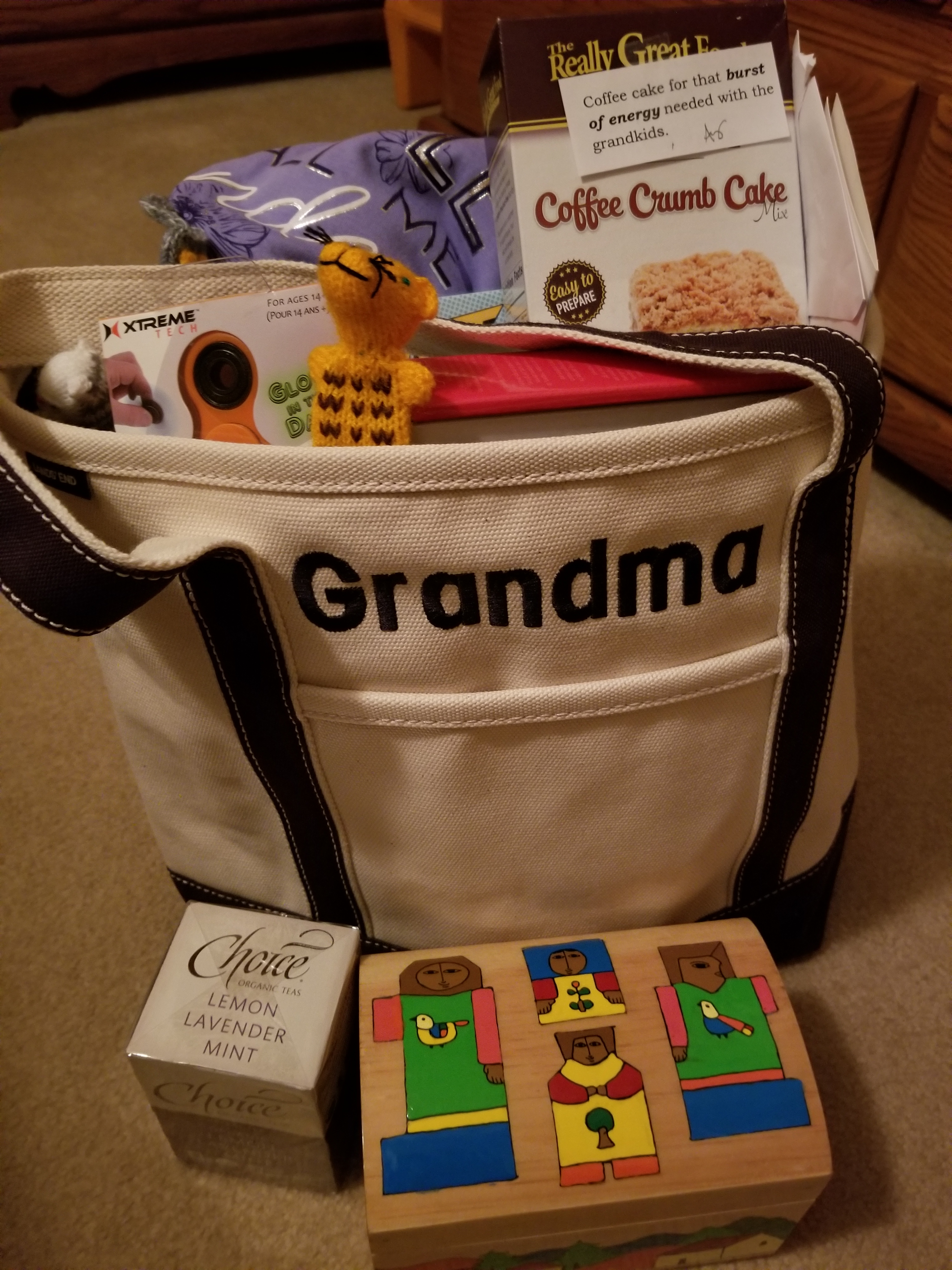
What a marvelous gift it is to be Grandma and Grandpa and my heart goes out to any and all who wished their hardest for grandkids but were not as lucky. Now I’m bawling. This youngest granddaughter (our only granddaughter amid five eager grandsons, her boy cousins) will surely have a romping good time in years to come keeping up with those boys who are now ages almost-five, through almost-ten.
While I’ve been writing this, I see my granddaughter has now arrived at daycare. So curious, so engaged, so eager to explore the whole world which is pretty small right now but grows with each passing day. She’s playing rolly ball with the other little boy who arrived early, and with the grammy caretaker. She holds the ball, studies the half ring around her that she balances in, and pats the ball. Not quite ready for sitting all by herself or crawling. Now the ball rolls away from her. Caretaker rolls it back to my granddaughter. What busy beavers they all are.
Granddaughter loves to babble, sing with her mother (kind of), smile, laugh, and be lifted up in the air by her father. She loves to look at herself in mirrors or cell phones. She grabs at things, so there is definitely “thinking” going on in that busy little head and body.
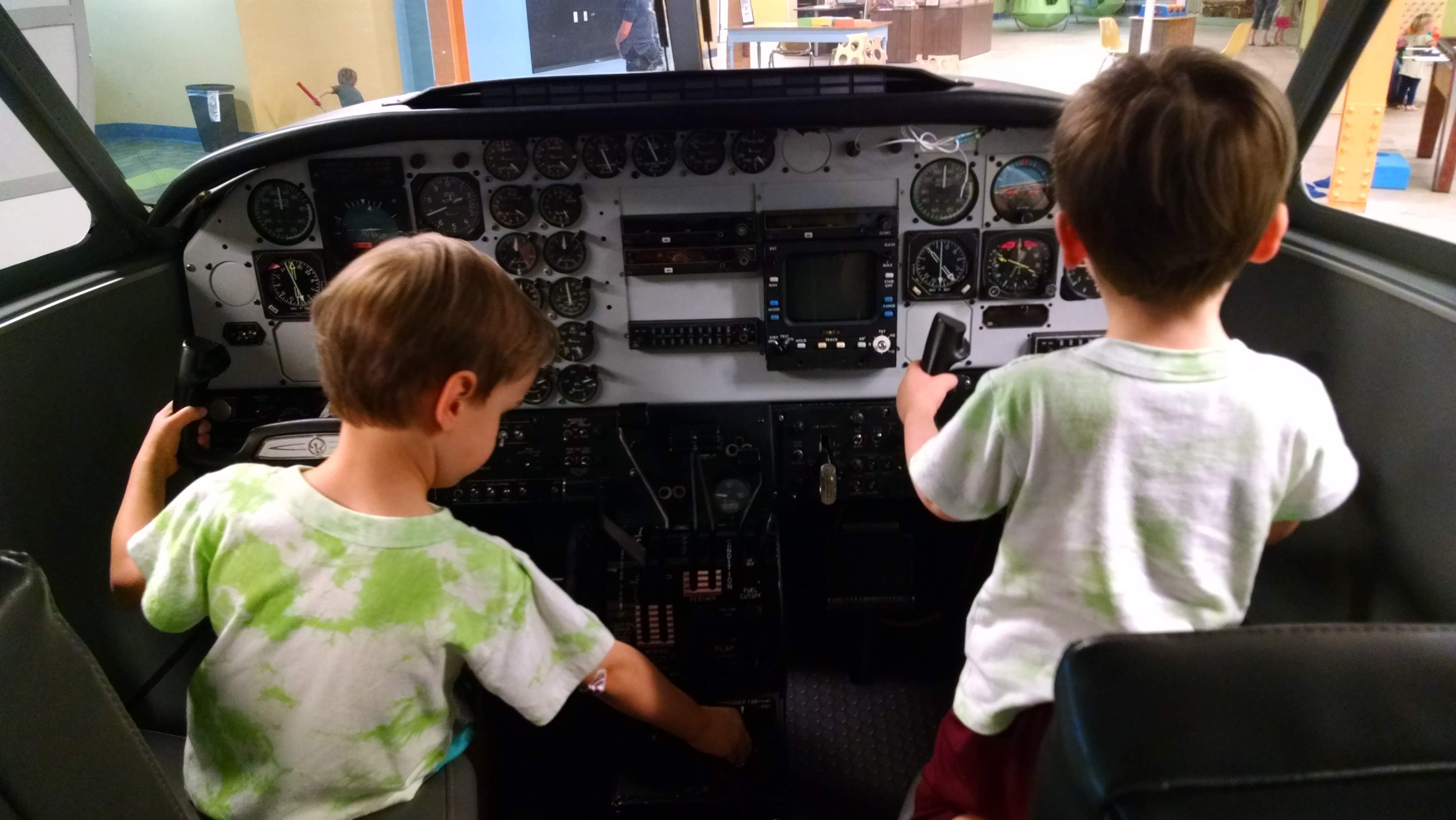
Oh how very grateful we are to have this granddaughter trailing on behind the five grandsons. We love them all!
***
If you are a grandma or grandpa, what is your favorite thing to do with a grandchild?
If you are a new mom or dad, what has surprised you?
What have you learned about parenting or grandparenting?
If you haven’t done so, you may want to check out this book on grandparenting by Shirley Showalter, and Marilyn McEntyre .
Comment here or contact me at Another Way, P.O. Box 363, Singers Glen, VA 22834, or email anotherwaymedia@yahoo.com.
Another Way is a column by Melodie Davis, in syndication since 1987. She is the author of ten books, most recently Memoir of an Unimagined Career. Another Way columns are posted at FindingHarmonyBlog.com a week after newspaper publication.
Another Way for week of August 25, 2023
Working the Assembly Line
Labor Day is coming and we all need to better appreciate the hard work by millions across the U.S. and elsewhere who—by choice or necessity, work the assembly lines or related jobs in our factories.
Singer Lee Dorsey made famous the original “Working in the Coal Mine” song written by Lee Dorsey which carried us oldsters all into the depths of that dirty and dangerous job back in the 60s. The song of course features a pickaxe clinking at some coal.
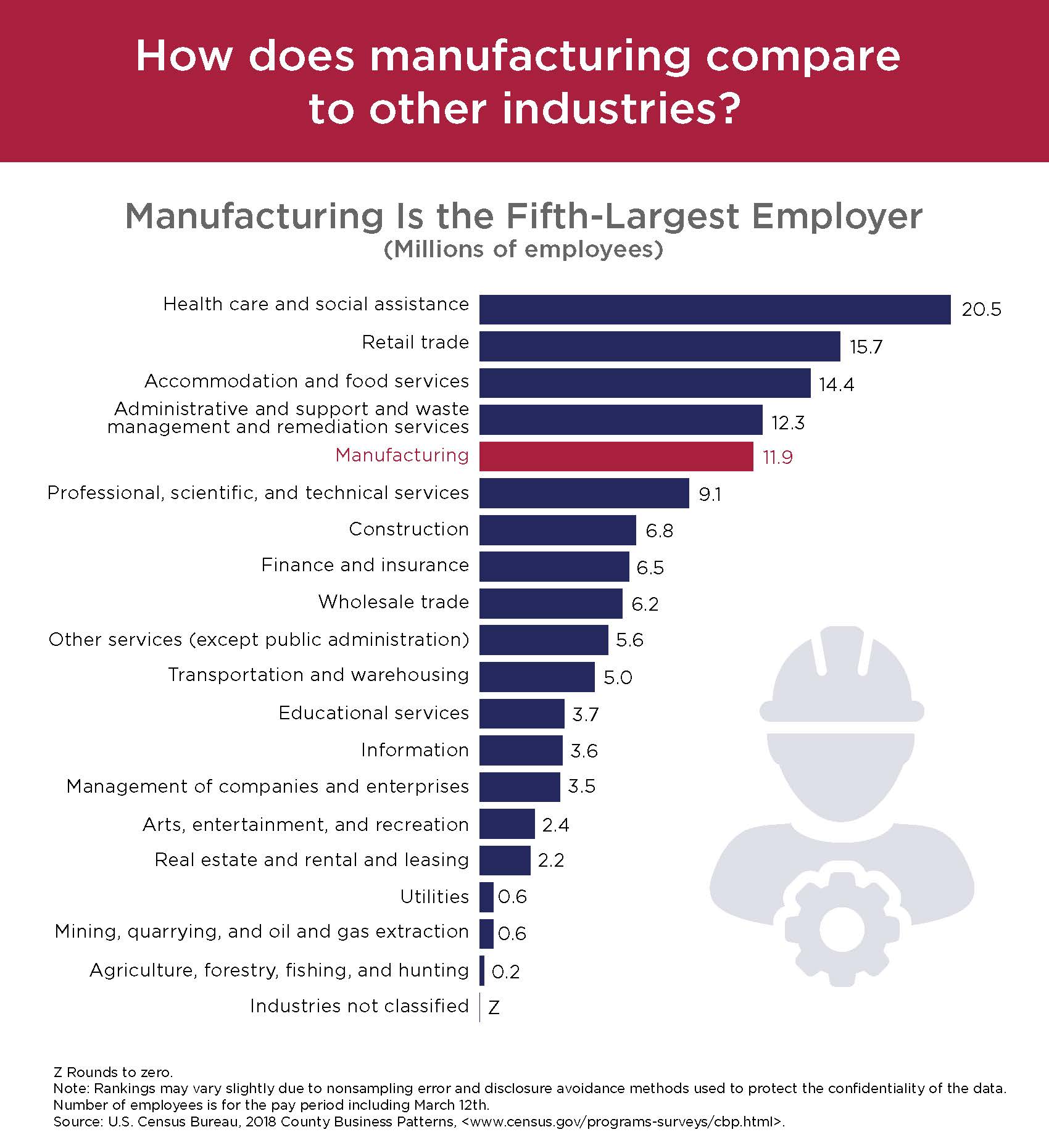
According to the U.S. Census Bureau, manufacturing (often on an assembly line) is the fifth largest industry in the U.S. This ranks behind 1) Health care and social assistance jobs; 2) Retail trade; 3) Accommodation (hotels, etc.) and food services; 4) Waste management and related occupations. (Statistics from 2021 census.) Many many more people work in manufacturing than in our educational system, which I found interesting. And for the record, dangerous mining is near the bottom of the list of employment statistics, but near the top in pay (deservedly).
In some factories, workers are paid $19 an hour and up so the pay is better than say, fast food. However, in many such places, factories and fast food alike, employees often quickly walk out or don’t show up for their jobs. Turnover is a big problem in many locations.
I can’t say much: at my worst summer job, I walked off after two nights at a lumber mill. But I hope it was justified, my biggest complaint being no lunch time as such and no bathroom breaks unless you could get ahead of the machine. Meanwhile, the supervisor was able to sleep in a corner while we worked. I worked the rest of that summer in a shirt factory, neatly placing men’s shirts in plastic wrappers with some fun co-workers.
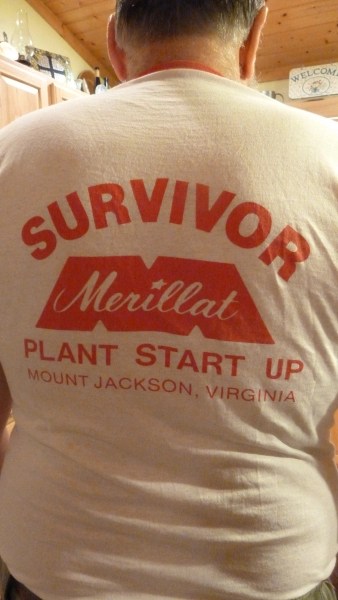
My husband worked about 44 years in manufacturing and retired as soon as he could, owing to arthritis from standing/walking on concrete 40-60 hours a week. Many times the overtime was mandatory and he still laments the Saturdays when he would have rather been attending ball games or spending time with family at home.
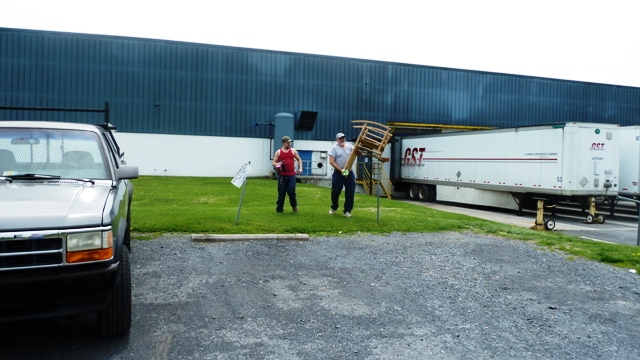
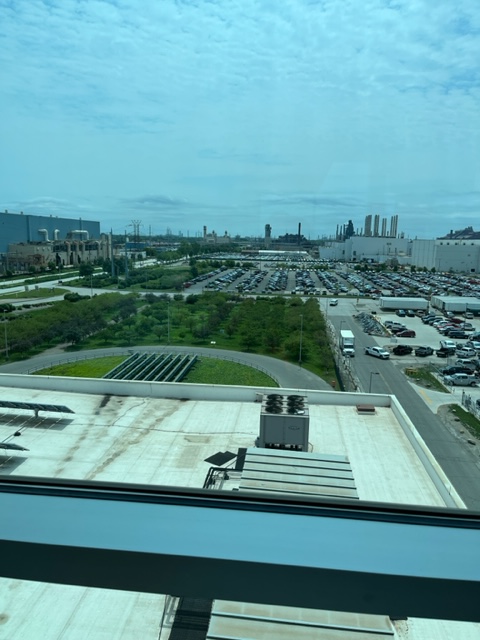
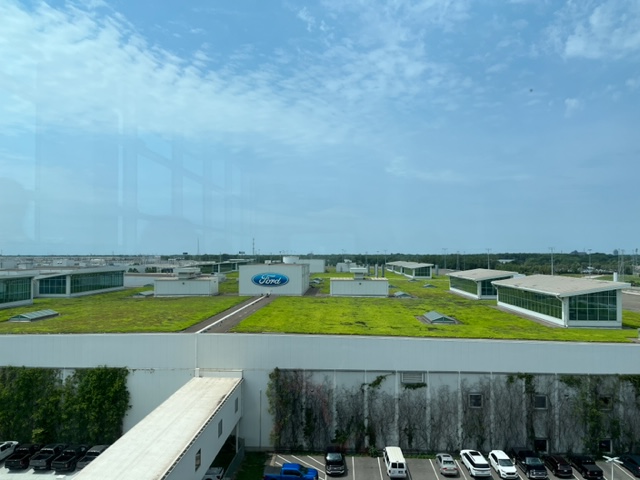
I had been in several factories but never saw an assembly line like the one we were fortunate to visit recently in Dearborn, Michigan on the outskirts of Detroit. If you get a chance, take the time to visit the large assembly plant named “The Ford Rouge Factory.” “Rouge” refers to the river that runs nearby. The whole complex was amazing and management has done their environmental homework to make the facility as “green” as possible on the outside. As described on Wikipedia, the titanic Rouge factory was able to turn raw materials into running vehicles within this single complex, a prime example of “vertical-integration” production. The basic product is a Ford 150 Pickup Truck in various colors and ready to roll.
We were able to walk over the production area, watching the workers beneath us add one or two features to the truck, before it moved down the line. The materials they needed were always brought to them by conveyor belt. We watched the trucks beneath us gradually transform into real and complete vehicles and moved off to a testing area outside before being loaded for delivery. It was fascinating to watch, but we weren’t allowed to take any photos in the production area. Visitors to the factory are picked up at The Henry Ford Museum and driven by bus to the site (tickets run about $18-$24 depending on age).
The workers mostly wore ear muffs to deaden the noise (probably some had music playing), but with the noise, there was little interaction with other employees. I can’t imagine that’s very much fun: can’t talk much. A friend who worked on an assembly line said he’d much rather work fixing something in a shop than putting things in place on an assembly line.
However, what would this world be like without factories and assembly lines that are run by people who care about their jobs and end products. I’m sure that robots will do more and more as the years roll by but let’s not forget the personal touch.
***
Have you worked in a factory? Let us hear.
Have you ever visited a factory on vacation?? What did you learn or enjoy? Or not?
***
Comments here or write to me at Another Way, P.O. Box 363, Singers Glen, VA 22834, or email anotherwaymedia@yahoo.com.
Another Way is a column by Melodie Davis, in syndication since 1987. She is the author of ten books, most recently Memoir of an Unimagined Career. Another Way columns are posted at FindingHarmonyBlog.com a week after newspaper publication.
Another Way for week of August 18, 2023
Do Your Family Members Know Each Other?
For some families, August is a great month of family get togethers or reunions including trips across many miles to reunite.
But sadly, for many of us, family gatherings have fallen by the wayside. This is natural in some respects, due to families living at long distances from each other. Travel can be costly, jobs take priority, and two-year-olds don’t travel well.
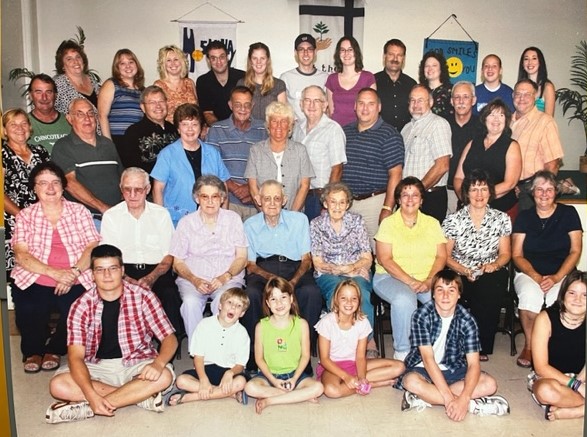
Plus as the older generation dies, there have to be new generations to do the work of organizing and getting folks together. Some families are better at staying connected than others. Some don’t care about gatherings for various reasons. Past hurt feelings. Brothers who rub each other the wrong way. Sisters who gossip and critique too much, maybe.
J.D. Vance, who wrote Hillbilly Elegy: Memoir of a Family and Culture in Crisis (2016) says how the first eleven or so years of his life, he had seen his extended family members during happy times: “family reunions, holidays, or lazy summers and long weekends.” In recent years, “He saw them only at funerals.”
I’ve heard many other families express this truth and frustration. I was tickled that my husband and one of his cousins took the initiative fifteen or so years back to organize their remaining family for some reunions while their last aunt was still living.
We met in different states including North Carolina, Virginia, and Maryland. Even though these were not my blood relatives, I enjoyed the “organizer” roll with my husband, who did the telephoning and connecting as his cousins found locations to meet. Earlier we had gone to a larger family reunion in Alabama and this launched several years of our putting on paper some of his father’s family history. But as we all get older, travel across states becomes more difficult and uncertain.
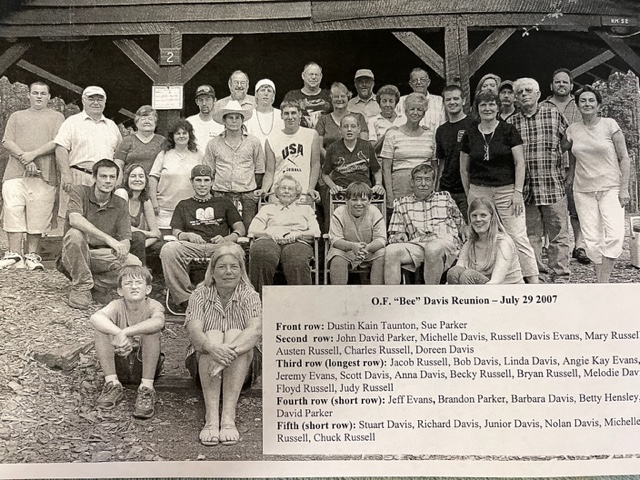
Still, I think family get togethers are important if they can be managed and attended. They may take on a different flavor and happen in a smaller setting at a restaurant instead of a local church or park, but getting together in whatever ways we can manage are worthwhile for the glue they provide families and even the larger civilization.
I’m grateful my husband’s mother’s extended family had been getting together for years–some 100 strong on his mother’s side. A smaller variation of that with our “Hottinger and Sonifrank” relatives helped our children know many of their second cousins by face and name. Then last year, one cousin and his wife took the initiative to plan and host a potluck picnic at his father’s longtime farm (father now deceased) for our particular branch of the family tree. We’re looking forward to another get together there in September.
Why are family get togethers important? For most of us: connections, history, laughter, ties, support. Even if you go only for the meal–usually a sumptuous potluck spread that is a treat in itself–it is a gift to your older relatives who gather to be able to meet the newest members of the clan (babies, little ones, spouses) and help us feel bonds and a shared history.
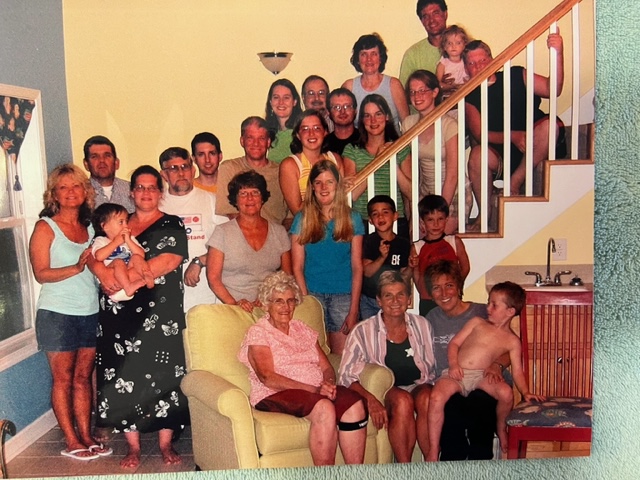
Two psychology professors, Shoba Sreenivasan and Linda Weinberger wrote in Psychology Today (online) reminding us: “Generally, reunions can be highly valuable to our well-being. For those who want to learn more about themselves and make stronger connections with others, reunions can be a powerful vehicle for accomplishing this.” Reunions also build on and “celebrate the meaning of family by sharing memories and family rituals as well as encouraging a sense of belonging to something greater than your nuclear family.”

If you are wishing your family would get together more, perhaps test the waters with a sibling or cousin or two, try some possible dates or locations, and you may be surprised at the feel-good stuff that results. Unless you have a family that simply does not get along, staying in touch with family members will likely help build stronger bonds and memories for you and your children.
***
I would love to hear your reunion stories and memories! Here’s a rundown I shared last year in September.
Maybe it’s time for a sibling trip? A cousin get together?
Comment here–you may help someone else be inspired to get the clan together! Or write to Another Way, P.O. Box 363, Singers Glen, VA 22834, or email anotherwaymedia@yahoo.com.
Another Way is a column by Melodie Davis, in syndication since 1987. She is the author of ten books, most recently Memoir of an Unimagined Career. Another Way columns are posted at FindingHarmonyBlog.com a week after newspaper publication.
Another Way for week of August 11, 2023

My mother’s 99th birthday would have been July 30. Somehow that has stirred memories, love, and emotion. My tears have been resurrected. Then I ran across a letter I had sent to her about four years ago. Perhaps you’ll enjoy reading it and even appreciate the idea if you have a parent living at a distance who might enjoy what we cooked up together:
Hi Mom, I wanted to send a short note. We decided to head out to Ohio this weekend Sept. 27-30 for [a grandson’s] birthday. I really wanted to celebrate birthday #6 with our grandson! We plan to return home on Monday. Sept. 30. [This was in 2019.]
I talked to Little Caesars near you and they do not deliver at all, and none of their stores do. So I called the Pizza Hut in Goshen that only does delivery. I asked them what minimum amount was needed before they would deliver, and they said I have to order at least $15 worth of pizza. A medium size supreme pizza like you like (not the little pan pizzas you love, but the same ingredients, with a thinner crust that you should be able to chew) is $15.99. He said they would be happy to work with us to deliver to Greencroft [Mom’s retirement center] to your Juniper apartment.
A medium pizza would last you at least two Saturday nights and maybe three, if you freeze it. Let’s try it once and see how you like it. You can give them a tip of say $2 or $3. I will put the pizza on my charge card. This will be my way of helping out since Pert and Nancy [my sisters] already do a lot.
I told the manager, Matt, that I would call on Saturday afternoon Oct. 5 for a delivery for you about 5 p.m. He said I should ask for him and he usually works on Saturday afternoon and evening. I think he thought it was a really neat idea.
So we’ll try it next Saturday. and see if the delivery boy can find your apartment. I will have him bring it inside and find #113. Love, Melodie
If you wonder how that little experiment worked out, the manager made sure the pizza was delivered; Mom loved it but decided it was a little too much hassle for her to manage (nervous about the delivery guy finding her, etc.). She also said frozen pizza wasn’t as good [no surprise about Mom there]. Plus pizza was more fun when she was eating with a group.
Of course! After Dad died about 17 years ago, we often treated Mom to pizza if we were visiting and she loved that, plus her Mt. Dew—which she indulged in only with pizza. Good thing too: I don’t think she ever made the connection that Mt. Dew would keep her up at night.
We all loved Mom dearly and looking back, I know our family was extremely lucky to have such loving, hardworking, giving, dear parents as Mom and Dad, even if Dad couldn’t abide pizza.
Also, I pondered whether other pizza shops would enjoy providing a service of delivering pizzas each Friday or Saturday evening to residents of retirement villages, where usually there is no meal provided and residents in those “independent living” spaces have to come up with their own meals, which for Mom was frequently just cheese, crackers, and some ice cream or chocolate candy. Or church youth groups could organize to do the same if area pizza deliveries are not possible for some of the older people they know, who hesitate at having to use credit cards for a pizza, or the stress of deciding and providing tips.
Oh how I would love to sit down with Mom and her beloved Pizza Hut mini-pan pizza. What do you remember and wish you could do again with your parents or parent?
***

What memories or stories come to mind for you? Would this be an idea for your church youth group to connect with some older members?
I’d love to hear: share here on the blog in comments, or contact me at Another Way, P.O. Box 363, Singers Glen, VA 22834, or email anotherwaymedia@yahoo.com.
Another Way is a column by Melodie Davis, in syndication since 1987. She is the author of ten books, most recently Memoir of an Unimagined Career. Another Way columns are posted at FindingHarmonyBlog.com a week after newspaper publication.
Another Way for week of August 4, 2023
The Day I was Called to the Principal’s Office
Were you ever called to the principal’s office?
Don Augsburger, the pastor who baptized me, also served as my principal at Bethany Christian High School a few years. So you can guess I was terribly chagrined when he had to call me into the principal’s office one day.
That only happened once. I was 16 and hormones were buzzing and Don got a call or message from the local hang out (restaurant right across from the school), that my boyfriend at the time had been seen with his hand on my leg under the table.

Don himself was embarrassed to have to call me in for such a thing, but we both got over it. I think he felt the owner was overly worried about students’ behavior sometimes, and Don kind of dismissed me with a half-smile knowing that I was as mortified as he was that particular day.

You see, my dad served as Don’s deacon at church, and according to Don, he became a very beloved deacon for Don. Especially because Dad talked Don into wearing a bowtie with a regular suit jacket instead of the plain-collared Mennonite suit he had been accustomed to wearing at other churches he had served. Somehow the bowtie was less “fancy” I guess than a necktie.

Don died last fall and I’m amazed at how many intersections his life had with my own, from an early age. I’ve been wanting to add my tribute regarding Don but we’ve lost so many beloved friends and family in recent years that I’ve written about, and I don’t want this column to morph into an “obituary” column. But I wanted to share a little about this pastor, friend, principal, and seminary professor.
Don loved memorizing poems, including very long ones, and he could recall and recite them well into his 90s. In fact, one of his favorite poems, because of the power and the truths it conveys, deals with the “Death” angel being called to God’s throne who promptly sent Death to earth to bring back to heaven an older and tired woman who was very ready. The poem is titled “Go Down, Death.”
The family asked a skilled actor and poet, Helen Stoltzfus, to recite the poem at Don’s memorial service, who I knew from one of my college writing classes. Helen did not memorize the poem as Don had done over many years, but she read James Weldon Johnson’s long and powerful elegy with rich vigor and authority, accompanied by a pianist for background music. I think many in the audience felt like we were there by the side of one of our own loved ones, passing on to the afterlife: a better life, spent in eternity with God and Jesus.
Don’s brother, David Augsburger, a well-known writer, radio speaker and preacher, spoke at the funeral, reminding us that Don had prepared for his day of being taken to eternity. He checked his priorities every day, like the wise bridesmaids in the Biblical parable commonly called the “Ten Virgins,” five of whom missed a wedding because they had not brought enough oil to last through the wait for the groom to arrive. Dave said Don regularly “checked the oil” regarding his faith, so that he would be ready when the day came to be called to heaven. This meant spending ample time in prayer every day, reading the Bible, doing what he could to share and reach out to others, and focusing on God’s abiding love for us.
As I listened to this commanding poem at his memorial service, I knew that all of us will be one day called to the afterlife, and the wise ones are the those who have prepared by making sure they have followed in the footsteps of Jesus given to us in the Bible.
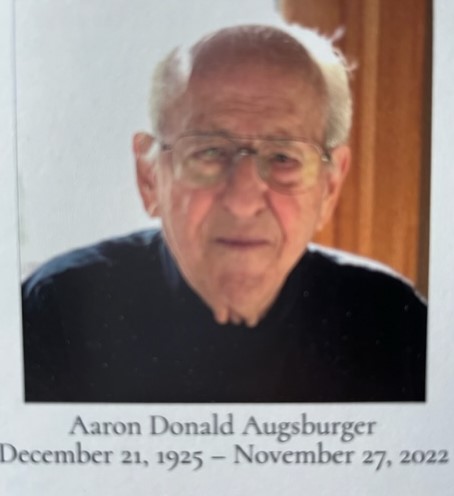
Don was a mentor in many ways—back in my high school days, instruction classes when I was preparing to be baptized as a young teenager, his preaching and leadership over 96 years, his mind and brain so very active, and a beautiful blessing for others. May we all follow his lead.
***
So, well: Were you ever called to the principal’s office? For good or bad?
Confession is good for the soul: comments and confessions here!
Share here or at Another Way, P.O. Box 363, Singers Glen, VA 22834, or email anotherwaymedia@yahoo.com.
Another Way is a column by Melodie Davis, in syndication since 1987. She is the author of ten books, most recently Memoir of an Unimagined Career. Another Way columns are posted at FindingHarmonyBlog.com a week after newspaper publication.
Another Way for week of July 28, 2023
The Day I Sat in Rosa Park’s Seat
One of the places we visited on a recent trip to Michigan was the Henry Ford Museum in Detroit. I had been there as a 5th grader at Middlebury Elementary School in northern Indiana, and I remember being super excited for my first chartered bus trip. The only things I remembered from the trip were Model T Fords, a large train locomotive, and making a short hop into the city of Windsor, Canada which is just across the border from Detroit.
Slow forward about 60 years and I was eager to finally introduce my husband to the Ford Museum filled with so many interesting antiques, historical cars, and old trains (which he loves), and the histories of early airplanes. In 60 years, the displays had been enhanced, changed, grown and updated as one might expect.
As we strolled through interesting artifacts, we happened upon the bus that Rosa Parks was riding the day she was arrested for refusing to give up her seat in a Montgomery, Alabama bus, in the days when segregation was the rule. She worked downtown as a seamstress and was likely tired when the bus driver asked her to leave her seat so white folks could sit there. She refused and was thus arrested.
A guide for a small tour group was sharing stories from that era when we joined it and boarded the bus. My husband and I quickly sat down on a bench so we wouldn’t distract the other tourists from the guide’s input.
Then she paused for comments or questions. I piped up and asked, “What seat had Rosa been sitting on?”
The guide’s serious face changed to a friendly smile and said, “You are sitting where she sat.” I gulped. How fascinating.

But as we heard more explanation and stories, my excited feeling changed to empathy for the courageous but peaceful boycott that Rosa and others launched: a movement to end segregation in the Montgomery bus system. After a year of boycotting, the issue was taken up by the Supreme Court which declared laws segregating buses unconstitutional.
The history of how the museum landed this meaningful artifact was fascinating, including years where a farmer had bought and used it for storing lumber and tools. When museums (including the Smithsonian) became interested in obtaining and restoring it because of the bus’s history, careful research into its past was made. “This is the bonafide bus, right down to its number, even though it has been repainted and all cleaned up,” said the guide.
The guide at the museum stressed how Rosa Parks and her cohorts were able to keep the bus boycott free of violence, and that was not an easy task.
This experience was more than I expected out of our visit. I began to feel nudged to do more in the area of helping our communities, churches, and schools do more to end the racism that corrodes our whole nation. Fittingly, my small group at church is currently studying a newish book titled Necessary Risks: Challenges Privileged People Need to Face, by Teri McDowell Ott (Fortress Press). While I squirm at the adjective “privileged” here, I know that I don’t have to deal daily with the ramifications of my skin color and history. I can go whole days and weeks without really digging into the disadvantages and dangers faced by many people of color.
I write a lot about my father who believed strongly we need to love all people, regardless of race or nationality. We moved to the deep south before my senior year of high school (1969) where I experienced how far our country had to go in abolishing racism. We have come a long way but as already noted, there is much to be done. Praying for change, courage, and spreading love.
Read more about the Rosa Park bus here:
More info on the successful bus boycott here:
Or read a friend’s experiences on a recent Civil Rights learning tour in the deep south (7 posts):
***
Comments? Questions? Your own thoughts or stories? Share here or write to me at Another Way, P.O. Box 363, Singers Glen, VA 22834, or email anotherwaymedia@yahoo.com.
Another Way is a column by Melodie Davis, in syndication since 1987. She is the author of ten books, most recently Memoir of an Unimagined Career. Another Way columns are posted at FindingHarmonyBlog.com a week after newspaper publication.