

I am happy to share a guest post by a Philadelphia writer, which maybe can offer some ideas of how our images of ourselves and of others begin forming very early, even from the books we read or that are available. — Melodie
—–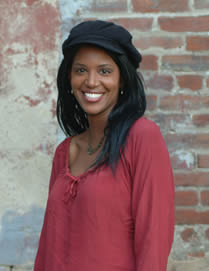 Guest blog post by Allison Whittenberg
A trip to the bookstore can make one believe that children’s books are only for white people and animal lovers. Don’t believe me? Take a trip to your local bookstore and look around.
Exhibits A through Z can be found most obviously in the children’s section. Many covers there feature animals, both imaginary and real. Prehistoric and present day. Mythical or cuddly.
Another image you’ll see is white (cuddly) children. There are some exceptions. Ezra Jack Keats’ popular picture book Whistle for Willie is usually prominently displayed, even though it’s 50 years old.

Venture into the tween section and there are fewer animals but an array of spunky girls and mischievous boys. All attractive, but insufficiently diverse. Move into the teens and the animals have vanished. The cover girls are less sassy, but model slender. The young men appear dreamy. But again, young people of color are missing in action.
I’m not alone in making this observation. Articles have run in the New York Times, Entertainment Weekly, and the Huffington Post. Most of these articles cite a study by the Cooperative Children’s Book Center at the University of Wisconsin. It stated that from the 5,000 children’s books published in 2013 that they examined, just 93 were about black people (even fewer were written by black author). This rate is down from 172 African American books in 2008 — 83 by African Americans. A low tally is also recorded for Latino, Native American, and Asian American books.
What is to be done? Plenty. To start, we could buy more books by minority writers, thus increasing demand. Of course, it’s not enough to just change the bean-counting mentality about books by minorities. There are also social problems to address, including school dropout rates, literacy issues, and the myth that reading is for nerds — or white people.
But let’s say that all those things could be improved. Still, we book-buying people of color will continue to purchase Llama Llama Red Pajama and Harold and the Purple Crayon for our kids, in part because so much of reading is pretending. For 32 pages of a picture book, the reader can imagine herself as a lovable pet or a cherubic, bald white kid. There are no mental gymnastics needed to see the humanity in these characters.
That kneejerk empathy doesn’t transfer to characters of color, though, even for us. In fact, it would seem that the message out there is that writers of color and their characters aren’t needed. Peek into the library of any book-loving young person of color and you will find it replete with the Madeline series, Pippi Longstocking, and, of course, Harry Potter. Don’t stop there. Look at Amazon’s list of “100 Children’s Books to read in a Lifetime. Aside from Esperanza Rising and The Watsons Go to Birmingham, there aren’t many multicultural offerings. Never mind the Pura Belpre and the Coretta Scott King Awards that showcase the brilliance that’s available to readers.
But forget classics for a moment. We need junk-food books too, like the best-selling The Case of the Time-Capsule Bandit by Oscar-winner Octavia Spencer. Usually, writers of color aren’t producing genre books such. Nor do you see much from them in science or fantasy fiction, or even love stories. Books about identity abound for multicultral authors, but too often those works don’t appeal to people outside of a given culture because they fear that they can’t relate — hence the aversion to the cover of a book that features nonwhite characters.
There are plenty of serviceable, lightweight books that only seek to entertain, not deliver some heavy message, featuring white, middle-class heterosexual teenagers. Just once can’t the handsome, rich insensitive boyfriend in a young-adult novel be black. Can’t the unattainable girl in a tween book be indigenous? And why must the one with the smart mouth be a sister?
With so many of our neighborhoods and schools segregated today, books that share a multicultural experience to a broad range of young readers are more needed than ever. Yes, I cringe at the thought. And, no, such a state of affairs would not make the Rev. Dr. Martin Luther King Jr. proud. We should be able to do more for our children to help them relate to all kinds of people in the real world. But if books can help open those doors, then we should make sure they are widely available. Growing up, I treasured the time I spent reading, even though the bulk of that reading didn’t reflect my race or ethnicity.
I wish I could say that just writing about this topic would make a difference, but the reality of years of poor sales for writers of color tells me otherwise.
Still, we must hope. “Books transmit values,” said the beloved children’s author Walter Dean Myers. “They explore our common humanity.”
So, writers, readers, publishers all, let’s keep exploring.
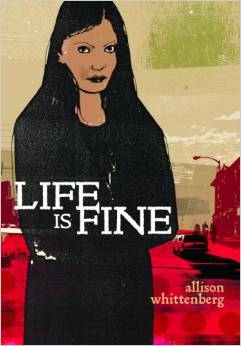
Allison Whittenberg lives in Philadelphia and writes poetry, plays and novels including Life Is Fine, a coming of age novel, Delacorte, 2008.
***
Issues of race, education, and justice all swirl in these days of deep division and discord here in the U.S. My heart grieves, but I don’t feel like I have much to add to the controversies and conversation. This guest post, related to my interests in books, writing, families and education seemed like one way to respond on this Finding Harmony blog.
I’d love to hear your thoughts, stories and responses to Allison’s post.
***
Earlier this year in my Another Way newspaper column, I wrote of some of my upbringing around race, reflecting on the life and witness of another prophetic voice, Vincent Harding, when he spoke last January at my alma mater. He was 82 at the time; he passed away in April.
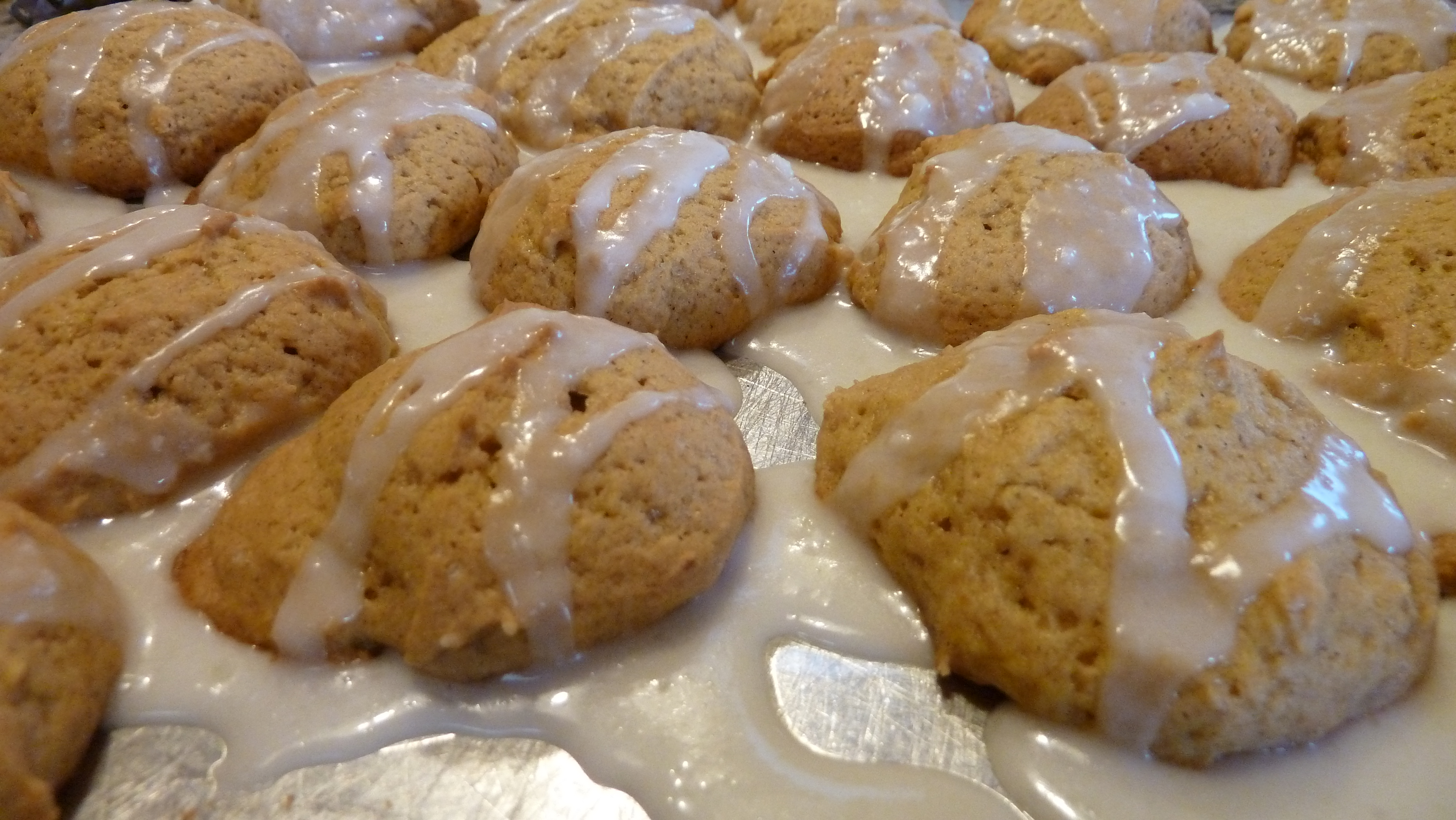
A country store near us offers a few homemade goodies like bread, cookies, and brownies wrapped as singles which go great with morning coffee. I treat myself sometimes while stopping nearby to unload my recyclables.
One day earlier this fall, the store had delectable pumpkin cookies available that were soft like my grandmother’s sugar cookies. The cookie immediately brought back memories of dunking those cookies with grandpa and grandma in their kitchen; they lived in quarters attached to ours. My grandma and grandpa were always old to me, in their high seventies when I was born, so having coffee (filled half with milk) and savoring cookies with them is one of my strong, wonderful memories.
 Grandpa and Grandma Miller in their later years.
I hope my grandsons will soon love coming to grandma and grandpa’s for cookies and other goodies, right? Cookies and grandma go together.
My second grandson was celebrating his first birthday the day before Thanksgiving (an adventure I shared here earlier) and before they arrived, I scoured my cookbooks for a pumpkin cookie recipe, to no avail. I turned to online resources and soon fell over more than I could ever use, and all pretty basic.
The recipe I chose makes cookies that are not terribly rich, have some Vitamin A value with all that pumpkin in them, and only use a cup and a half of sugar (while most cookie recipes call for two). I made some without frosting for the about-to-be-one-year-old. Surely his mother would not object??
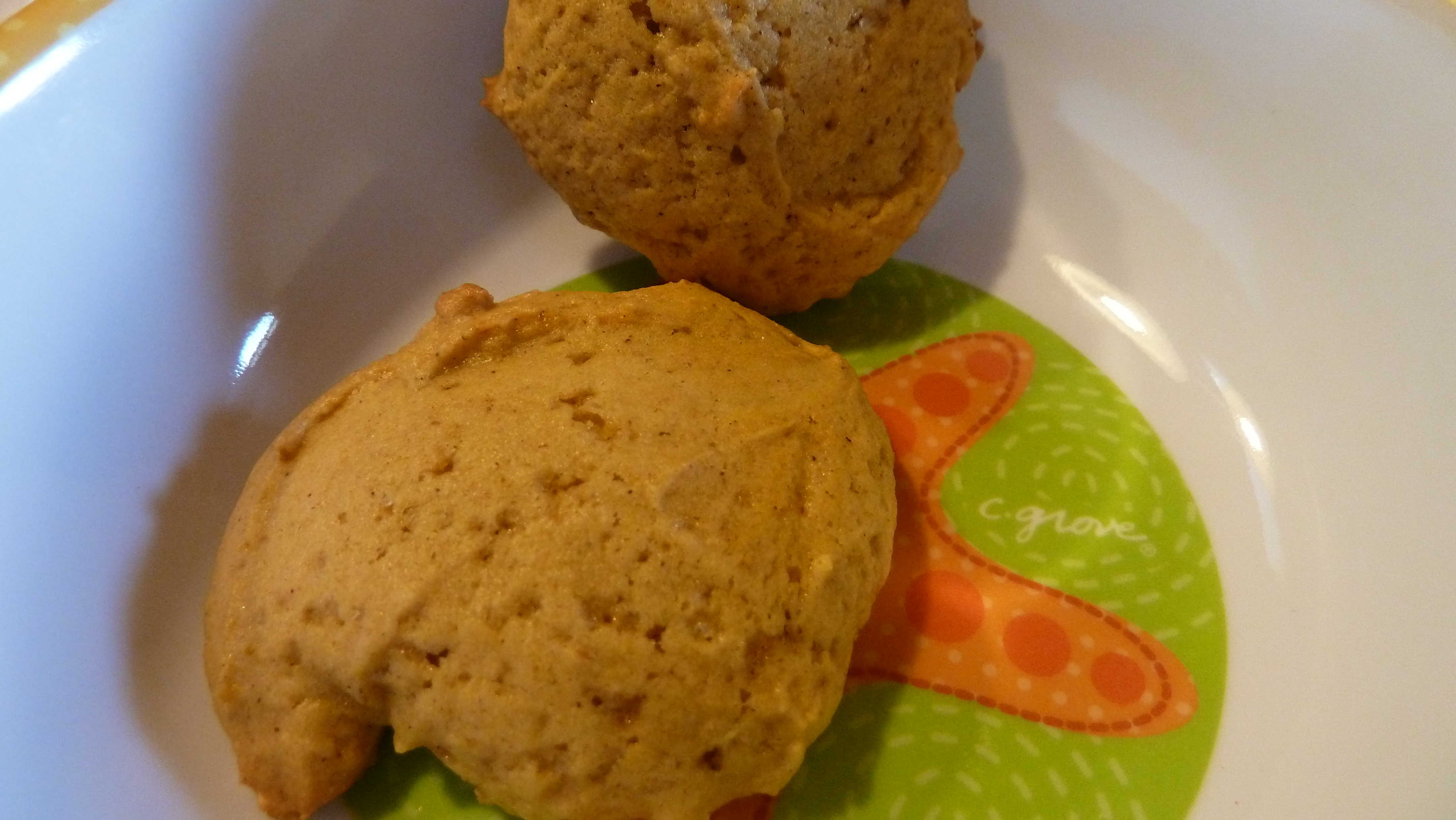
Wrong. Sweets would be withheld until the big birthday—the actual day when James could first sink his teeth into his very own birthday cake, with frosting.
It’s an interesting turning of tables when your children tell you what to do, or rather what you can and cannot do with your grandchildren. Okay, the parents rule.
So I bided my time, obeyed the rules, and on the day after his birthday, when his parents were busily packing up all their stuff to go home, his mother says, “Okay, now you can give him the cookie, Mom.”
We sit at the end of my long dining room table, just the boy and me (doesn’t being one year old qualify you to no longer be called a baby?). I don’t stuff him into his high chair, just hold him on my lap, and break off a piece of the soft cookie and hand it to him. He puts it in his mouth. I wonder what goes through his little-boy head. There is no turning away, no batting my hand back. He chews it slowly. He has been eating all sorts of good-for-you food starting soon after six months: bananas, broccoli, potatoes, even avocado, squash and zucchini, and then graduating to meats in things like chili, spaghetti, sloppy-joes, chicken (he has six teeth). I break off another piece; he uses his newly acquired pincher skill to take the next chunk with his index finger and thumb, and put it in his mouth himself. We sit there, grandma and boy, his parents scurrying with the tasks at hand so they can get on the road. He does not squirm, whine, or try to get down. It is magic. (I confess I was copying the “small boy” style of stories I have come to enjoy from Sharon Clymer Landis over at “Color My Soul” blog. I’ll try not to copy her too much.)

Here is the magic-making recipe. Perhaps you are like I am and sometimes have an extra cup of pumpkin left over after a holiday, from making pumpkin pie or other treat. This is perfect to use up any extra pumpkin you have leftover.
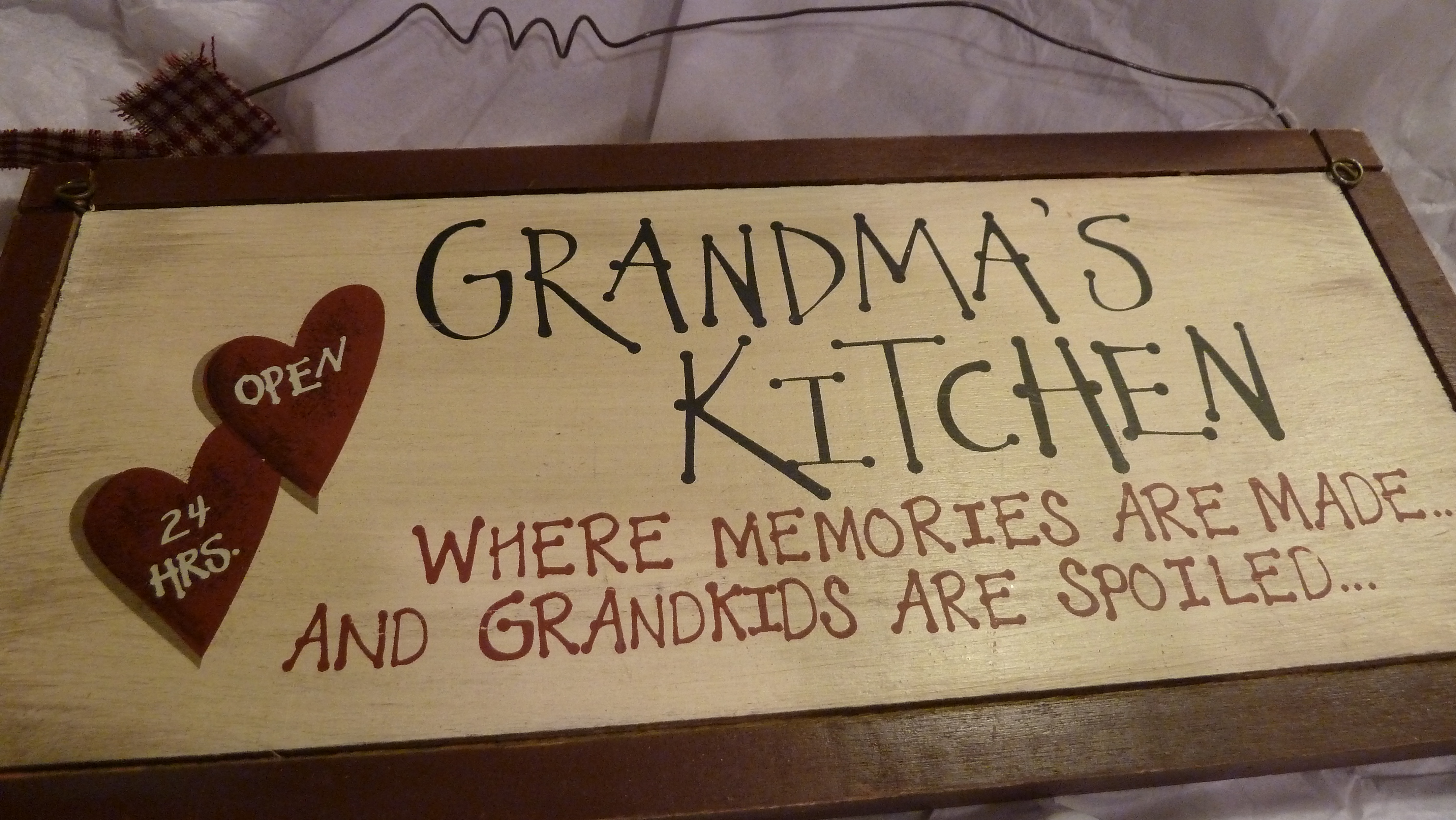
This plaque for my kitchen arrived on my own birthday, a few days later, from a dear sister. How did she know?
Soft Pumpkin Cookies (Adapted from www.VeryBestBaking.com )
2 ½ cups flour
1 teaspoon soda
1 teaspoon baking powder
1 teaspoon cinnamon*
½ teaspoon salt
1 ½ cup sugar
½ cup butter
1 cup pumpkin
1 large egg
1 teaspoon vanilla
*If your family likes nutmeg, you can add it; I left it out for those in my family who don’t like it.
Bake 15-18 minutes at 350 degrees until edges are firm. Remove from pan and cool.
Makes about 3-4 dozen.
Glaze-type frosting**
2 cups powdered sugar
3 Tablespoons milk
1 Tablespoon melted butter
1 teaspoon vanilla
Combine and beat together. Drizzle glaze over cookies.
**These cookies are perfectly good without frosting, too, as James enjoyed. I’m reminded of Doris Janzen Longacre’s (author of More with Less Cookbook) famous poem “Life is Too Short” where she says “Life is too short too ice cakes. Cakes are good without frosting.”
***
What magical moments have you enjoyed with a child recently? Or longer ago?
Have your kids told you to rein back in treating their kids? Or, do you wish you could tell your mom or dad NOT to do something?
I would also be interested in hearing of any great pumpkin cookie recipes you have found or use.
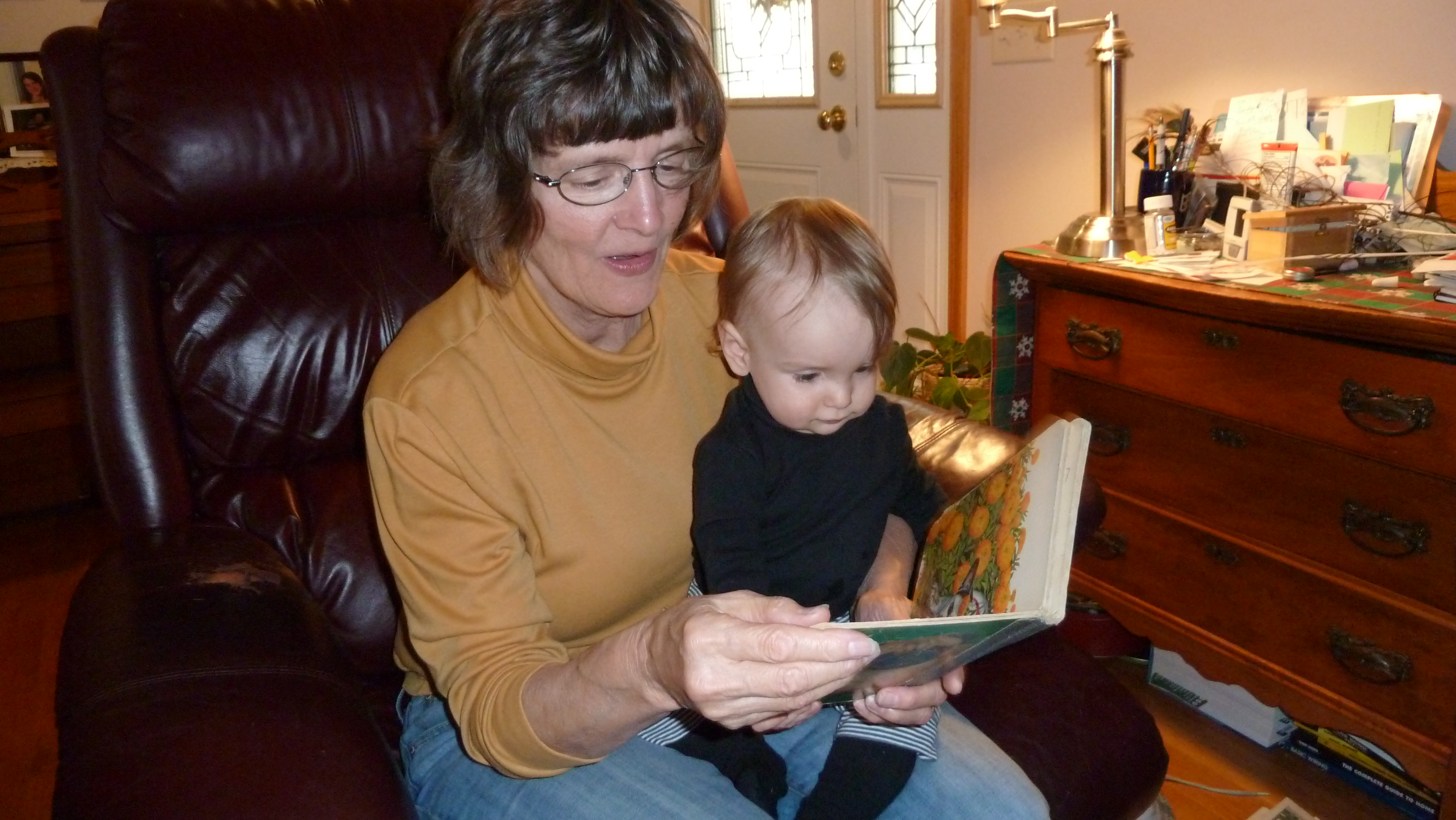 James and Grandma enjoying a favorite old book, Puppies.
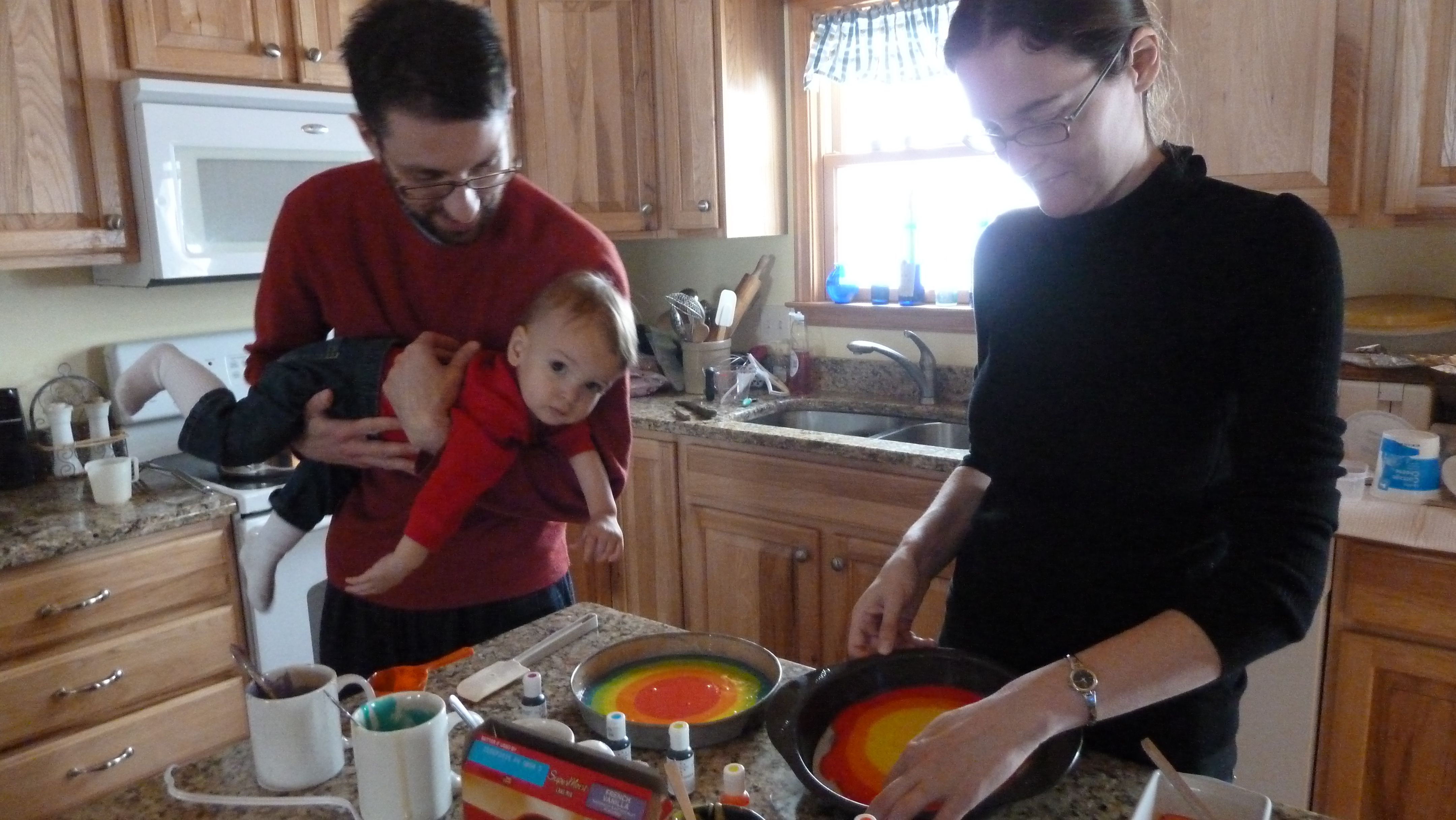 A flying James, held by his father, Brian, inspects the progress on his first birthday cake.
How many one-year-olds today have their first birthday cake baked an old primitive way, over a fire, in a woodstove?
We had planned to celebrate our second grandson James’s first birthday last Wednesday, the day before Thanksgiving.
But the snow started falling early Wednesday and fell steadily throughout the morning. In this part of Virginia, that’s a little unusual for Thanksgiving, in fact most of us around here had a hard time remembering when we’d had a significant snow on or around Thanksgiving.
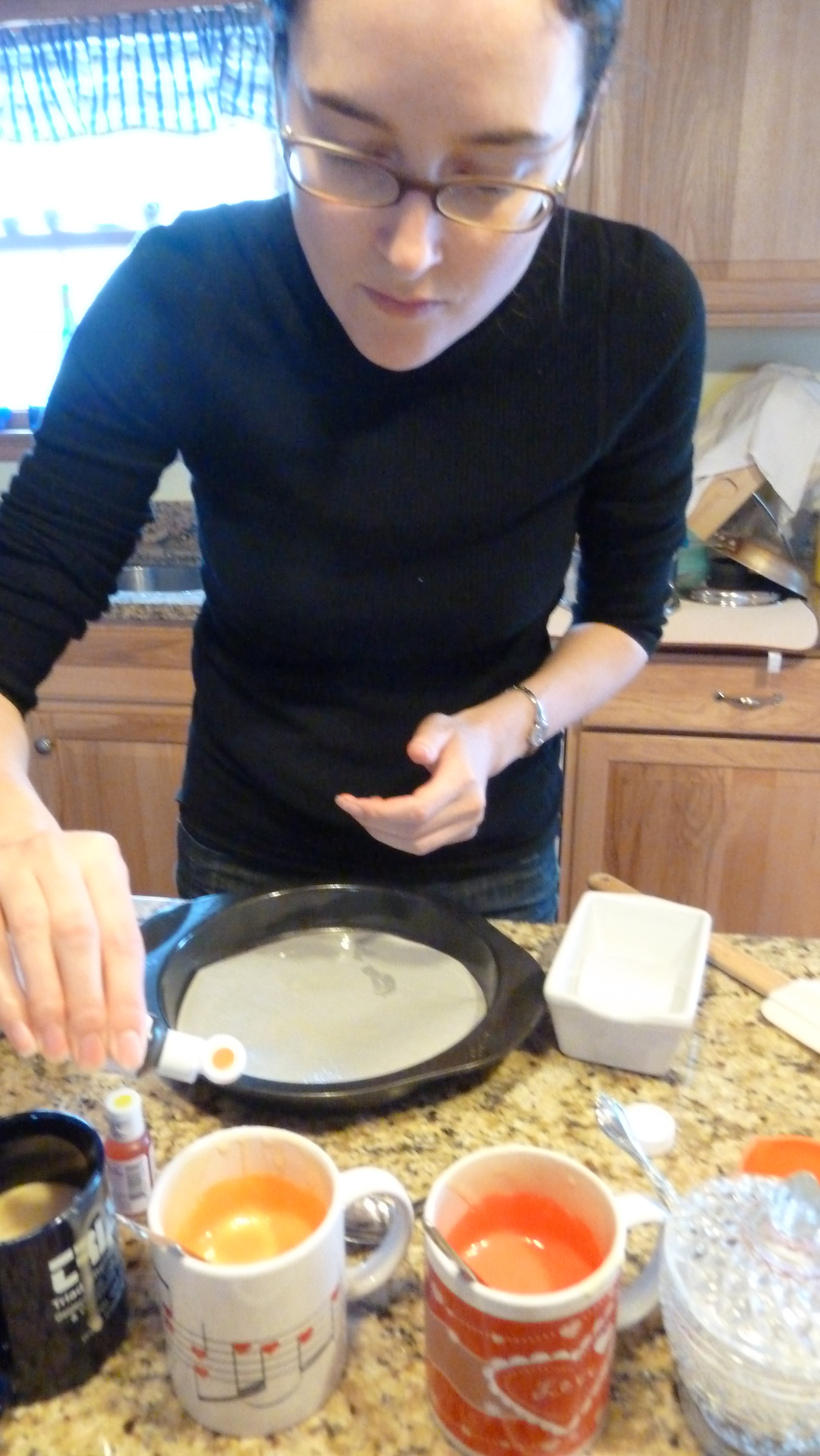
My daughter Michelle was in the middle of making the birthday cake for her son when the lights blinked and then stayed off. The oven, which had been pre-heating, went off too, of course. It took a minute for everything to soak in. The electricity was really off off. Would it come back on? When? How would she bake the cake? Already she had spent a good hour preparing the batter.
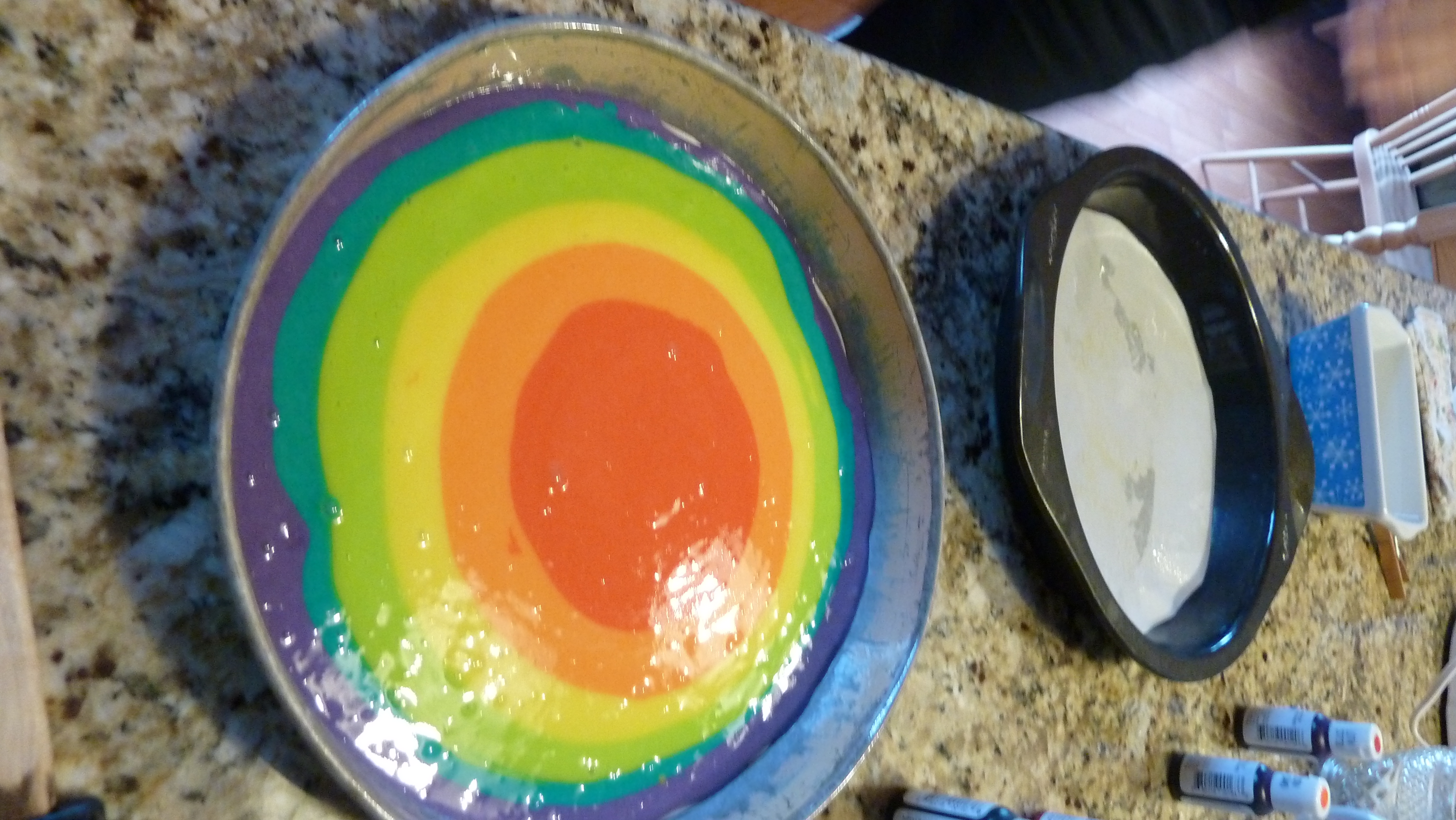
For this wasn’t just any cake. It was a “Tie-Dyed Rainbow Cake,” which Michelle had learned about proofreading the Mennonite Girls Can Cook: Celebrations cookbook for Herald Press two years ago. On pages 60-61 of the cookbook, the deep colors of a beautiful cake topped by white icing caught her imagination, and I think before she even got pregnant, dreamed of one day making that cake for a child of hers.
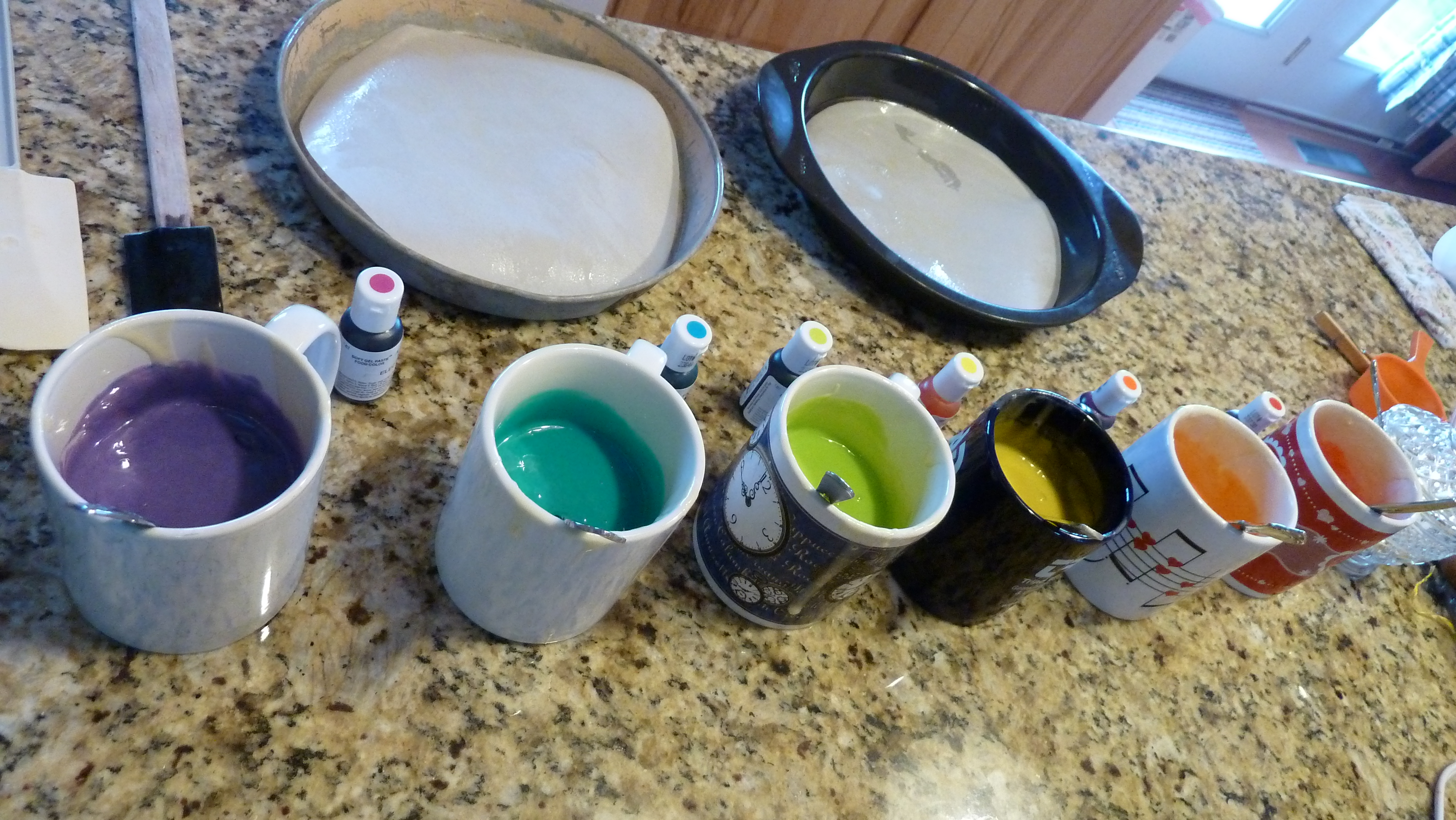
It takes six different pots of colors—made with the currently popular gel food color that create much brighter colors than the old liquid food coloring many of us grew up using. She had cut the parchment paper liner so carefully too—having learned that the batter would stay in better circles if the edges of the paper laid flat instead of getting crunched up by the sides of the pan.
But now, all that painstakingly colored and spiraled batter would soon be loosing its leavening agents, wouldn’t it? Doesn’t baking soda go flat? The snow was still falling. Would there be a party? How could we bake the cake? The roads were too snowy to consider driving to a neighbor’s house at that time.
Michelle looked to me and her sister, Doreen. “Is there any way we could bake it in the woodstove?”
 Doreen babysitting the cake in the basement woodstove.
Doreen and I looked at each other, and instead of dismissing it, said, “Well, let’s see!” People made cakes in wood cook stoves long before there were electric or gas stoves.
I dug out the grilling rack I use to make hot dogs and hamburgers in the woodstove; we found a piece of wood that was flat on one side on which to anchor the rack. We covered the cake pan with foil to keep ashes off and proceeded—carefully and slowly—to cook one layer. Doreen patiently babysat the cake layers and the separate, smaller loaf cake that would be for James (we could only get one onto the grilling rack at a time).

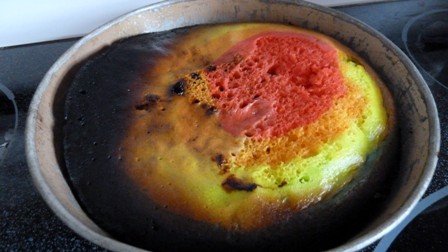 (Top, edible layer; bottom, burned layer, which we discarded)
Eventually (long story made short) we ended up with one edible layer along with a little loaf cake for James. Michelle took it all in stride: in the great scheme of things, matters could be a lot worse, and oh well, we’d just have a great story to tell him instead of pictures of a beautiful cake.
The snow stopped, the snow plows came through and my son-in-law shoveled two paths out the driveway (my husband was at work). Our electricity still hadn’t come back on so we changed the party location to my son-in-law’s mother’s house (James’s other grandmother) about 15 miles away. My husband got home, showered at my office, and we were soon all on our way. I so appreciated Grandma Jeannie hosting the party at the last minute!

And the little boy and his birthday cake? After eating his supper, listening to us sing “Happy Birthday dear James” and his mother blowing out his candle, he picked that cake right up and just bit in like he knew exactly what to do with it, even though it was the first cake he’d ever been given in his life.
 Um, Mom and Dad, did you really mean to give me this whole huge big piece of cake?
 Hmm, I guess so! Well, here goes!
Our pictures and cake didn’t quite turn out like the lovely photos in the cookbook, but did James care? Not one iota.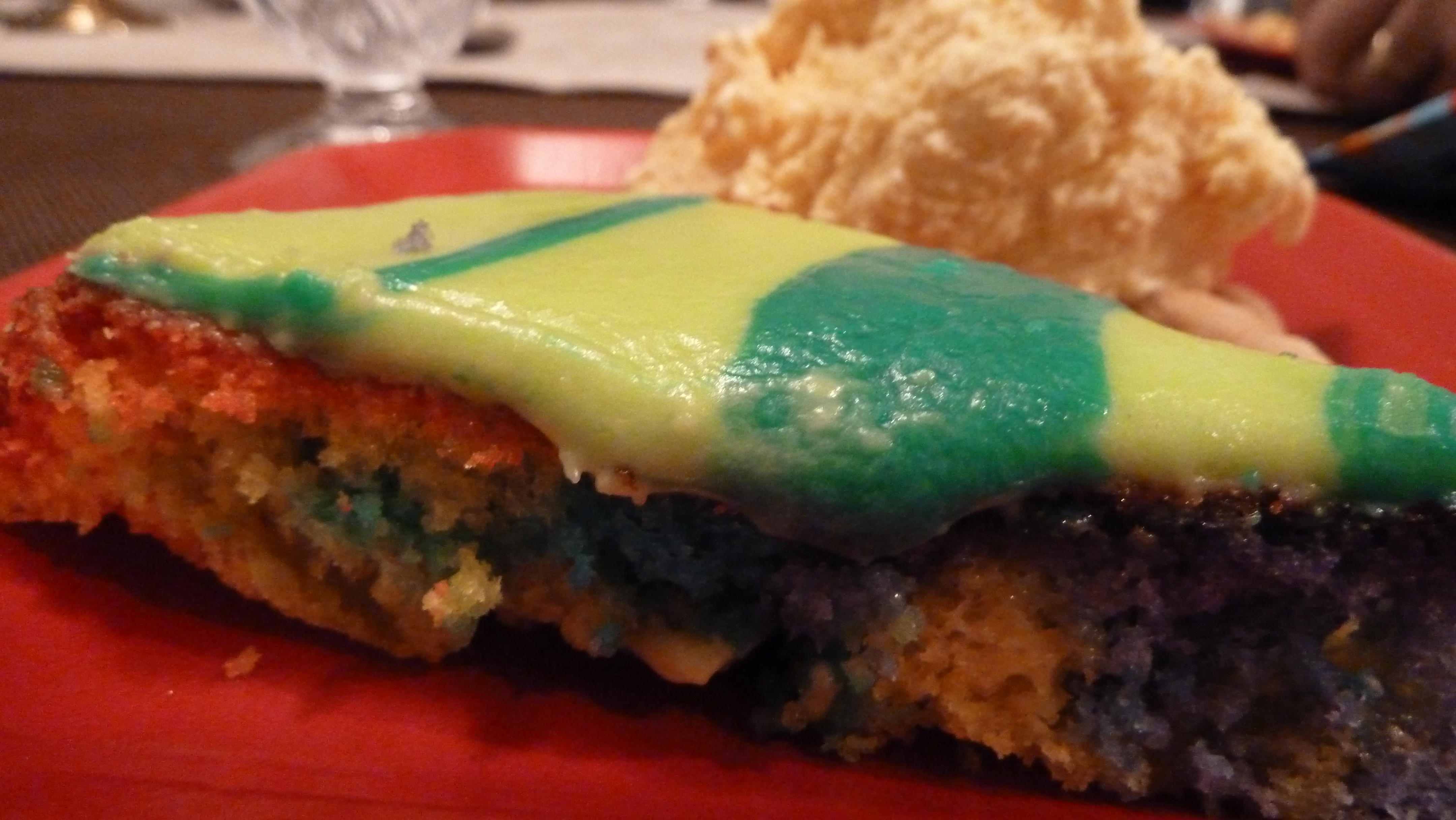
Tie-Dyed Rainbow Cake Recipe (as adapted by Michelle to make a smaller* 2 layer cake). See original post, and gorgeous photos, at author Judy’s blog, here.
Cake
1 white cake mix
3 eggs1/2 cup vegetable oil
1 cup water
gel food coloring
1. Preheat oven to 350 degrees.
2. Prepare 2 9-inch round pans, lining bottoms with parchment paper and spraying with cooking spray.
3. Empty cake mix into large mixing bowl. Add eggs, oil and water.
4. Stir until combined, then beat on medium speed for 1 minutes.
5. Divide batter equally into 6 individual bowls or mugs.
6. Add gel coloring to each bowl: purple, blue, green, yellow, orange and red. In the first pan, pour half the purple batter into the center. Carefully add the blue batter right on top of the purple, followed by green, yellow, orange, and red. Do not stir!
In the second pan, use remaining batter in the reverse order, beginning with red.
Bake for about 25-30 minutes or until toothpick inserted in center comes out clean. Cool. Frost when cool.
(*Judy’s original recipe uses two cake mixes and 4 eggs, for a large, taller cake. To figure out how much water to use, in a 4-cup measuring cup, combine eggs and oil, and then add enough water to make 3 cups of liquid.)
Use your favorite white frosting, or this from Mennonite Girls:
2 packages vanilla instant pudding (4-serving size)
2 cups milk
1 16 ounce tub frozen whipped topping, thawed
Combine pudding mix with milk and beat for 1 minute. Fold in whipped topping until nicely mixed. Cut a thin slice off the top of 1 cake layer to create a level top. Place layer on cake plate. Spread a generous amount of frosting over layer. Top with second layer, and frost top and sides of cake. Decorate with sprinkles, if desired. Refrigerate until ready to serve. (Original by Judy Wiebe)

***
If you have a copy of Mennonite Girls Can Cook Celebrations, do check the recipe and photos for more in the way of a tutorial. If you don’t own the book, it is a drop-dead gorgeous book and 40 % off (new jacket on book) until Christmas, over at the MennoMedia store.
The authors generously donate all royalties on their books to projects that benefit children.
***
There are also a dozen or more illustrated lovely kids’ birthday cake ideas from Judy here on the Mennonite Girls Can Cook blog.
***
And yes, we already celebrated one first birthday this year: my first-born grandson’s birthday party story was posted here!
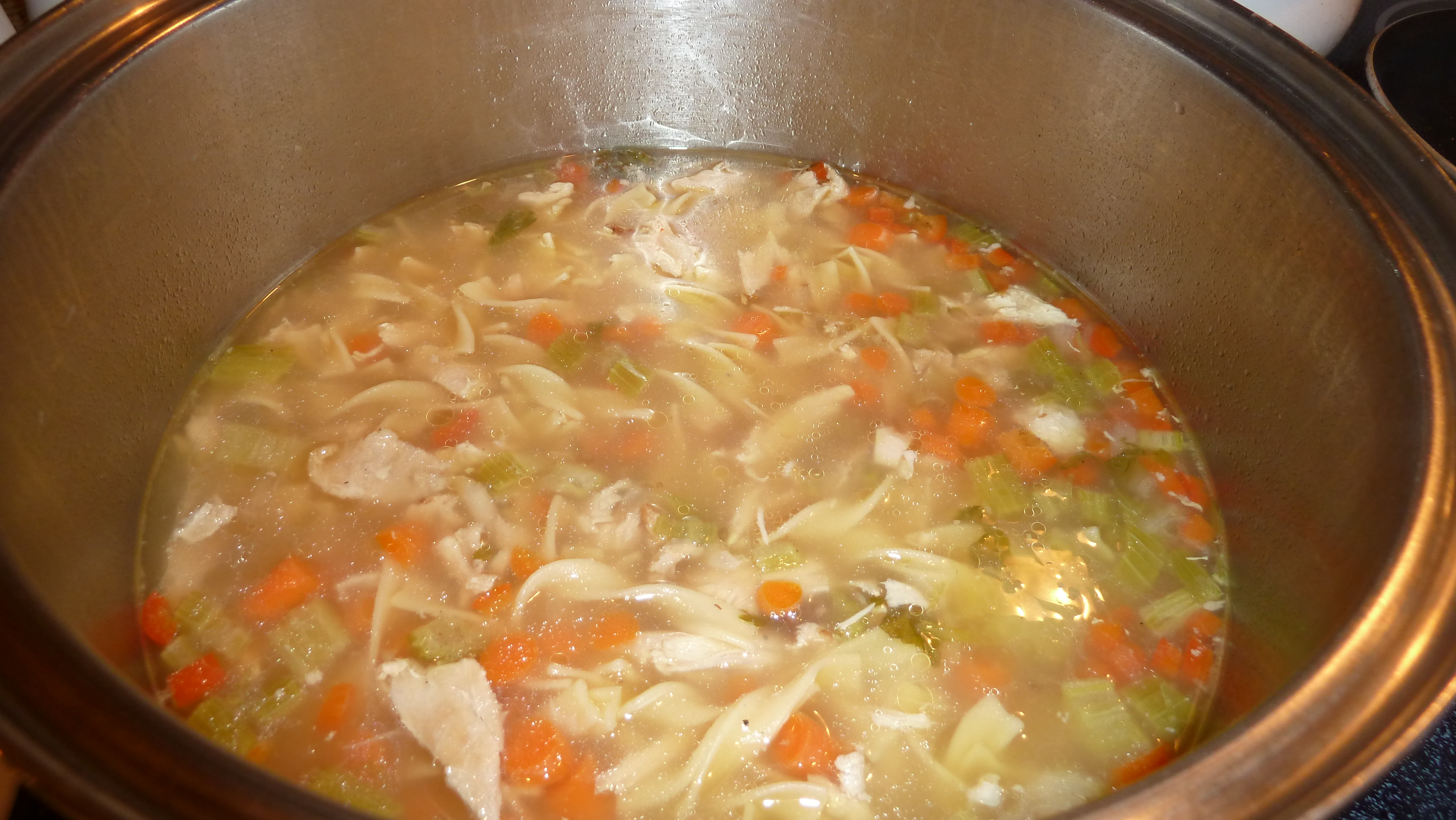
We enjoyed an early Thanksgiving on November 1. Hey, if our Canadian friends can have Thanksgiving the 2nd Monday in October, why not celebrate Nov. 1. We’ll have another next Thursday of course (with not quite everyone here), but these days, whenever the kids can come home, or the family can get together, make it work. I’ve heard of some families celebrating Christmas in late January.
So, I had a leftover turkey breast carcass, meat picked off the bone, and broth. I also had saved pork sausage broth in the freezer and sweet red peppers from the garden. Would all of that make a good soup?
I had everything but the noodles. I waited an extra day to avoid making a trip to town, and cooked up a hearty and satisfying soup with the approximate quantities found in the recipe below. That, of course, is the grace of most soups: you can cheat or add and improvise to your tummy’s content. I especially liked the rich flavor the sausage broth added. We love Mild Gunnoes Sausage, a regional (Virginia and West Virginia) brand that is high quality ground sausage, seasoned well but not too spicy.
While leftover turkey soup recipes abound online especially this time of year (here and here are two to compare), this was something my mother never made when I was growing up because she never cooked a turkey that I can recall. She didn’t really like turkey—the old complaints about it being too dry. That was before cooking a turkey in an oven bag made it SO easy, which also helps to keep the bird juicy. I can’t imagine not cooking turkey for our family—to the extent that if we’re invited away and won’t have a leftover turkey sitting around, I often do cook a breast just to have the leftovers and all the turkey broth goodness.
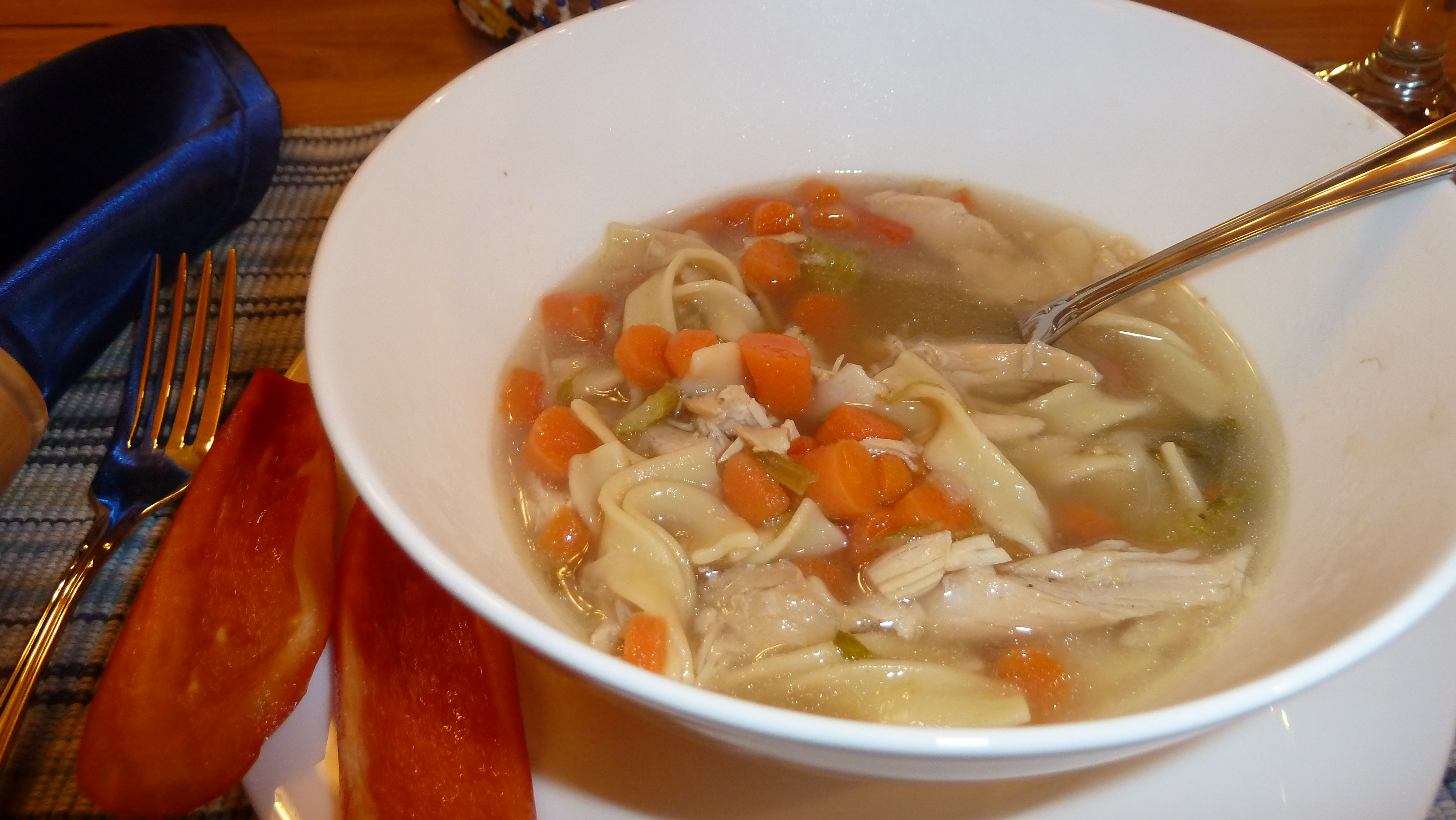
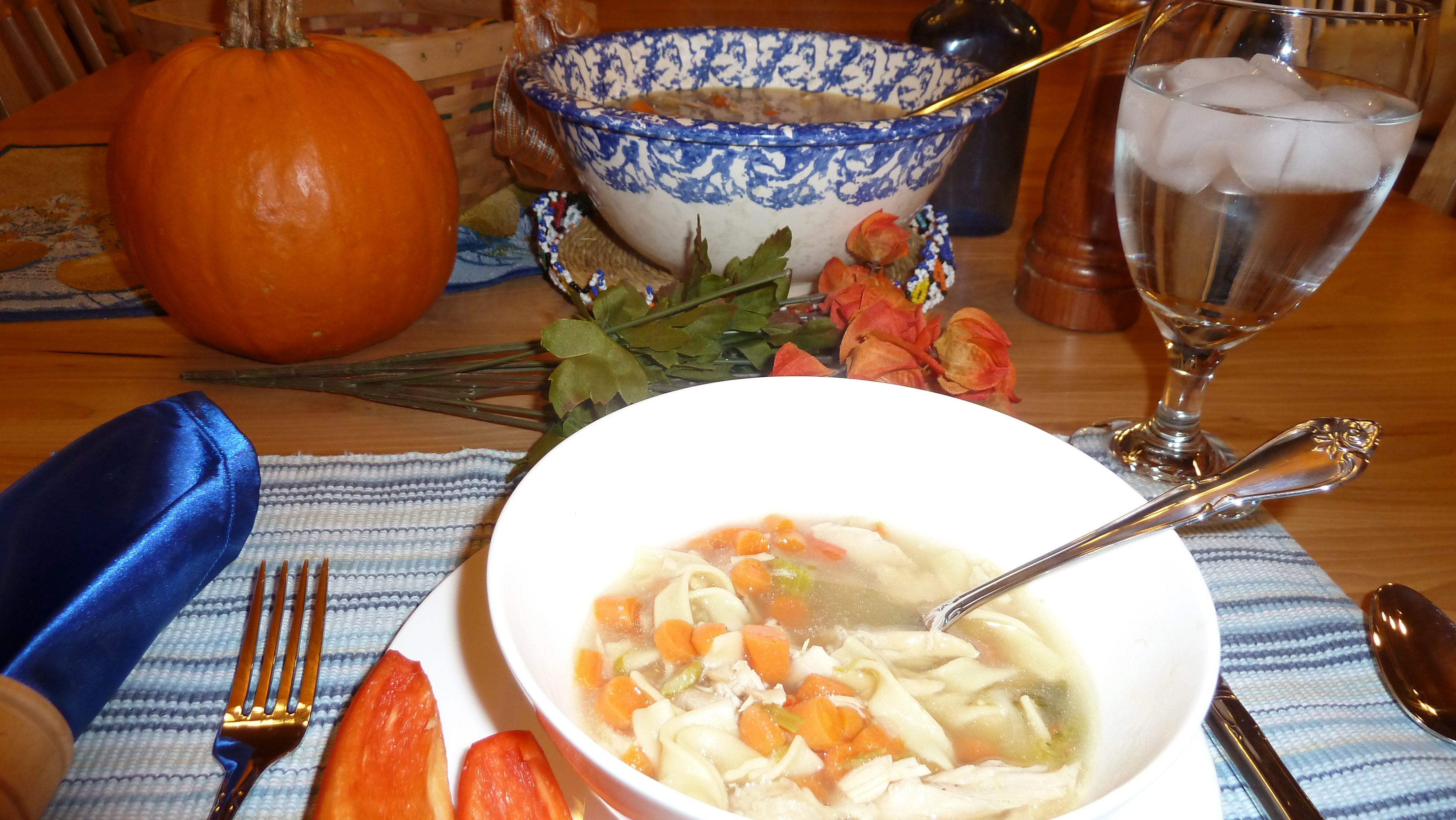 Turkey Noodle Soup
Turkey breast carcass*
2 cups cooked leftover turkey or chicken pieces, shredded or cut up to smallish size
2 cups turkey broth
1 10-oz. can chicken broth
1 cup sausage or pork broth
2 cups medium (or small) dry noodles
2 stalks celery, chopped
1 medium onion, chopped
½ sweet red pepper, chopped
2 carrots, chopped, quartered (approx.)
Salt and pepper to taste (try ½ tsp. each), and other spices as you like (curry, cumin, poultry seasoning, bay leaf)
Boil turkey carcass to create broth by adding enough water to cover carcass in 5 quart (or similar) size pan. Add salt, pepper, and a handful of celery leaves (cut from celery stalks) to mixture as it cooks. Cover and simmer for one hour or so.
Remove carcass from broth. Cool at least ten minutes. Pick off any remaining meat to add to the leftover turkey pieces you have on hand.
Leaving broth in the pan, add chopped turkey, other broths according to how liquidy you like your soup, noodles, celery, onion, red pepper, carrots plus seasonings. Bring to boil. Turn to simmer and cook for about ½ hour.
*Quantities would differ if using a larger size whole turkey carcass. Here’s another cook’s pictorial on how to cook off broth.
Freeze extra quantities in lunch sized containers for quick and hearty lunches in January!
***
What do you like best for Thanksgiving dinner: turkey, ham, oysters, salmon? I’ve heard of families where all these various traditions are enjoyed. For fun, take my poll:
***
For a variety of recipes for favorite family holiday foods, ways to use leftovers, and other recipes, see my book Whatever Happened to Dinner available here.
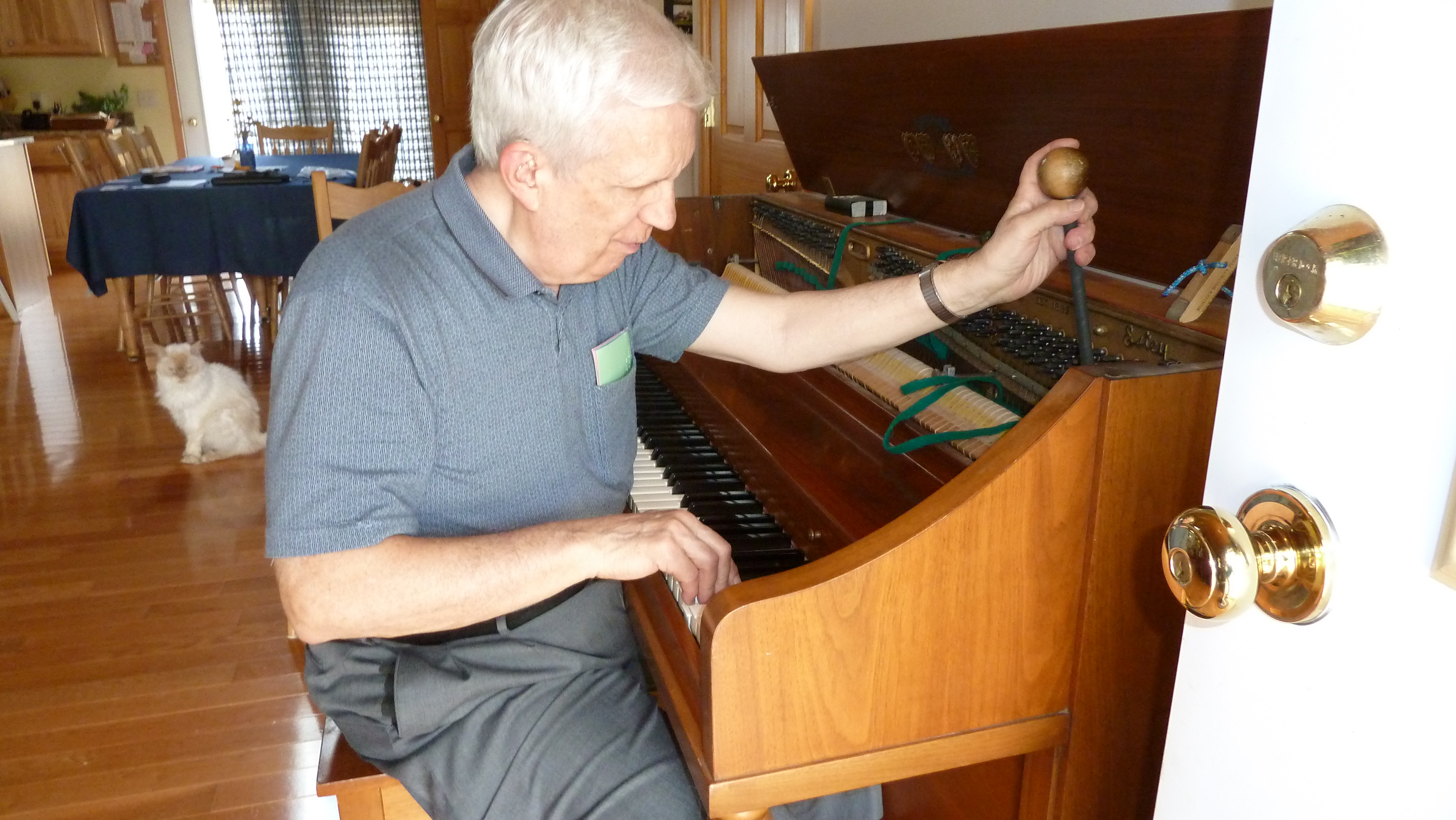
Dan Bowman tuning our piano.
For years we have had Dan Bowman tune our piano. He has been blind since childhood. But nevermind that.
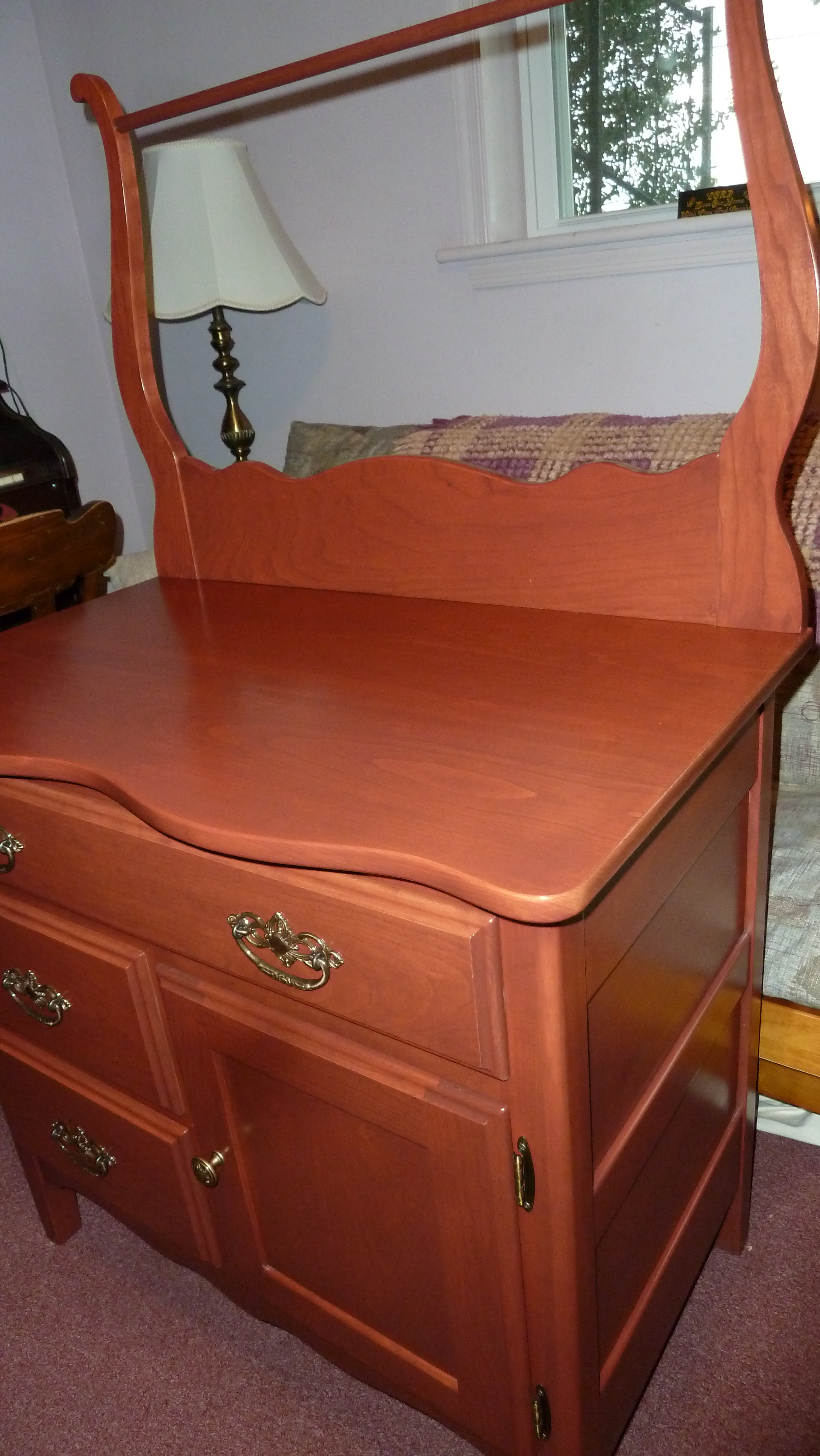
Dan Bowman’s 2014 contribution to the Virginia Mennonite Relief Sale.
Dan is also an avid woodworker, joyfully making a handcrafted masterpiece to donate to the Virginia Mennonite Relief Sale every year. This was his 2014 contribution.
Amazing doesn’t begin to describe him, and as I learned recently, we aren’t the only people who think so. Two professors, Mike Grundmann and Shaun Wright, at James Madison University in the School of Media Arts and Design are apparently doing a documentary about him, and hope to release it at Court Square in Harrisonburg, Va. later this academic year. I hope to see it!
I chuckled as Dan described what it is like for a video team to invade your home after you have made it spic and span and all straightened up, and they proceed to move furniture, set up lights, and otherwise totally destroy what you have just spent hours tidying. He told me how they worked at helping him be concise and respond to questions with complete sentences and all the tricks I have learned over a number of years helping to interview people for videos or documentaries as well.
Dan loves history, connecting with people, current events, the church, and always has a book he is reading (either himself, or his wife reading to him together, which they both enjoy). During our most recent tuning, he again brought up another of his favorite hobbies, astronomy.
Um, yes. How does he “see” the stars in the night sky?
When our oldest daughter turned 12 or 13, we invested in a telescope for her birthday—but really for the whole family to enjoy. Well if you know much about telescopes you know they are tricky to use, so after some initial exciting and educational use, it just kind of sat in the corner of our living room. When Dan first discovered we had a telescope in the corner by the piano (I usually describe the lay of the land for him, so he knows what’s where and pitfalls to avoid in moving about our house), he was fascinated. He admitted that one of the things he regrets about his blindness is that he cannot see the stars—but he remains enthralled.
Now with the Internet, he can pursue his somewhat unusual—for him—hobby to his heart’s content, using a website he has come to love and read almost every day: Bad Astronomy.com I was perplexed by the name.
“The Bad Astronomy web pages are devoted to airing out myths and misconceptions in astronomy and related topics.”
According to Dan, the blog for the website is always very current, very fascinating, and can be on anything related to the whole general field of astronomy.
Yesterday for instance it took on some news that had passed me by, because I was off line for about four days taking care of a grandson. Yes, I knew about the Rosetta mission with the space probe, but not about the follow up Shirtgate:
“But another event caused a stir at the same time, tangentially related to the event. Matt Taylor, the Rosetta mission’s project scientist, went on the air to talk about the successful landing. However, his choice of attire was unfortunate. He was wearing a bowling shirt covered in pinup-style drawings of scantily clad women.”
The big oops got even bigger with a bad choice of words as he described the “sexy” nature of the mission, but I won’t go into that here.
Dan likes Bad Astronomy because it describes things in such detail he doesn’t have to see the images—Phil Plait does it for Dan as he uses his computer through a screen reader and the modern marvels of technology. Dan told me he uses JAWS (Jobs Access With Speech) found at www.FreedomScientific.com which enables those with low vision or sight loss to use a computer without a mouse.
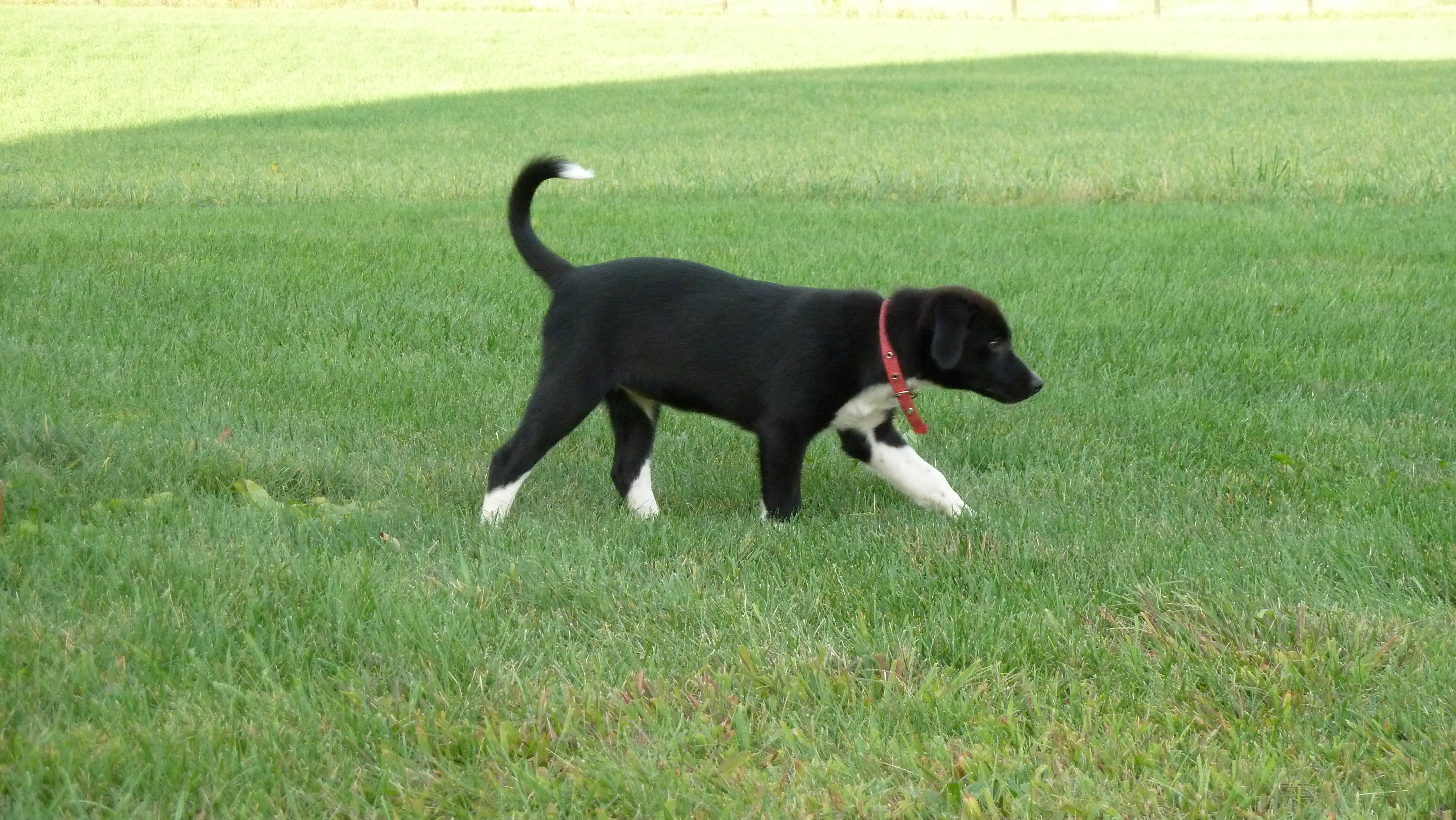
Dan and Phil and everyone who takes an interest in the world and trying to understand it, make it better, take me back to Isaiah (we could also visit Psalms or Job or other texts (even Amos!) for biblical astronomical inspiration. These days I’m gazing at the heavens frequently as we take our four month old puppy, Velvet, out for her night time potty breaks.

Lift up your eyes and look to the heavens:
Who created all these?
He who brings out the starry host one by one
and calls forth each of them by name. Isaiah 40:26He determines the number of the stars
and calls them each by name.
Great is our Lord and mighty in power;
his understanding has no limit. Psalm 147: 4-5
And this:
Praise God, sun and moon;
praise God, all you shining stars.
Praise God, you highest heavens
and you waters above the skies. Psalm 148:3-4, adapted
And Amos:
He who made the Pleiades and Orion,
who turns midnight into dawn
and darkens day into night … Amos 5:8
I take inspiration from my longtime friend Dan, unknown but wonderfully accessible newer online friends like Phil, and always from the Creator of it all (however that was accomplished). We will never be able to grasp, this side of heaven, the expanse of God’s vast universe and the wonder of God’s ways.
That gives me comfort when the news on television, radio, or online is overwhelming (ISIS, Ebola, Ferguson, and more) and scary.
***
What is your favorite Bible passage related to the heavens or astronomy?
***
My weekly newspaper column Another Way can be found online at www.thirdway.com/aw
 (Call me chicken, but this post is a bit of dare. My great nephews.)
I dreaded someone tagging me for the Ice Bucket Challenge but squeaked through. (No one tagged me, what does that mean, do they think I’m not up to it, that I’d be a party pooper, all those self-doubts flooded me.) But now a dear and young blogger (as in she’s been blogging only about as long as yours truly) has tagged me for Blog Tag.
Ok. I’ll play this.
Only! I’m supposed to reveal my WIP (Works in Progress) and for the first time in about 35 years, I have no WIP other than my blog which of course is a continual WIP. Sometimes people ask, “What’s your next book? What are you working on?” I always hesitate to reveal my next book just in case someone else would beat me getting it written. If “most popular blog post” titles logically lead to “next book ideas,” hands down my most popular post (and most searched term) this year has been “60th birthday party ideas” stemming from this post about my husband’s 60th birthday party. OK for a blog post, but definitely not something I want to write a book about! So …
Marian Beaman sweetly tagged me for this effort and I do enjoy her blog at Plain and Fancy. We have a lot in common: both grew up Mennonite and married (gasp) outside the fold. I married a Lutheran and together became Presbyterian—which is one of the threads of my life leading to the harmony name of this blog. Marian and I both grew up Yankees, and are now adopted Southerners. So if any of those themes interest you, do check out her blog. As a former English teacher, she always writes very well!
I have lots of WIP SOS (Works in Progress, Sitting on a Shelf) or in my case, HID (Hiding in a Drawer) because so far no editor has agreed that particular work is the next greatest thing after baked bacon (that’s how the bacon crumbles at my house). I’d also have to quit my day job where I am now an editor at a publishing house which is never going to publish another one of my books until I quit, I surmise, (which is good policy) but I would also hate to jump ship to another publisher, you know?
Here are two bulging files, and what has stalled them:
- For The Session, I’d have to do a whole lotta research. Maybe when I retire.
- For Abandoned! which I began in the 1990s and for which a publisher actually expressed interest, to make it publishable today, I’d have to start all over and include cell phones in the plot line!
So that is why I don’t have any current fiction WIP. But because I live, I write. And since blogging is an immediate outlet with almost immediate feedback, I’m enjoying it as a hobby and meeting other bloggers like the four I’ll tag below.
If you really want to read a sneak graph from the novels listed in my bullet points, I’ll divulge them, below. But I live in fear of someone saying, like the curmudgeonly dear woman did at one of my first “readings” for a writer’s group, long ago, where I talked about how I had turned some of my early poetry from my journals, into a coming of age memoir. She said to the whole group: “I think its good thing you gave up poetry.” 🙂
- Novel: The Session (Brief plot: Pastor’s fight against racism in the South in the 60s.)
Elder Fred Dochtery exits the sanctuary and slams the door, clearly not propelled by a sudden urge to use the men’s room.
Kelly Fiske holds her breath as her husband, David concludes his sermon. Why couldn’t he just preach about the fruits of the spirit or even David and Goliath? Then Kelly almost smiles. Her David insisted on taking on Goliath—not every week but often enough to keep the Session stirred up. This time it was likely his comment on race relations.
David scans the congregation. Should he proceed with the affirmation of faith? Even Chelsea Buttonwood’s two year old has quit jabbering. Should he follow Fred out and do … what? Fred surely hasn’t left the grounds—his wife Fran is still scowling in her pew, the purse on her lap posed for departure. If David walks out now, it will only lead to more disturbance.
- Novel: Abandoned! (Brief plot: runaway wife mistakenly thought to be kidnapped)
The thought of just driving off without him was so unthinkable, so bizarre at first, that she really was only bluffing when she put the car in reverse and backed up. Maybe he would see her backup lights come on and get the message her patience had once again run out.
How many times in her marriage to Timothy James Herald had she waited like this? Tim had no doubt struck up a conversation with some service plaza attendant. Ever the pastor, always finding someone new to shepherd.
She could make out Tim’s face by the cash register now. Sure enough, he threw back his head laughing as if the service station guy was his oldest friend. Nevermind she and Tim were already an hour late in starting out for Christmas at her folks, due to another last minute pastoral crisis.
- Magazine article: Here are the opening paragraphs from a soon-to-be published article in a magazine I edit, Valley Living. The piece is about Sonny Randle, a local NFL 10-year veteran, now in his late 70s and set to retire again, but this time from sports broadcasting. The article is due out at the end of November.
“Hiiiii, I’m Sonny Randle!” is the trademark opening radio line Sonny says in his sing- songy rural Virginia twang. He goes up high on the “I’m” that is easy to recognize, hard to imitate.
A lot of NFL professional football players in the 1960s would have loved to imitate his ability as a wide receiver to fly down the field to catch yet another touchdown pass. What was his secret?
Sonny keeps it simple, quipping, “I ran real fast, and if guys were chasing me, I ran even faster.”
Which of these would you want to read? Why? I welcome any critique (I’m a big girl). Should I give up writing the openings to novels??
And here I’m tagging four fascinating and varied bloggers, who are invited to participate as they are able/interested!
- April Yamasaki is a Mennonite pastor in British Columbia and author of a book Sacred Pauses: Spiritual Practices for Personal Renewal, with another title soon in the works. She blogs on “practical spirituality.”
- Saloma Furlong Miller is the author of Bonnet Strings (reviewed here) and Why I Left the Amish. Parts of her story are also told in two PBS documentaries on people who left the Amish. Find out more at her blog About Amish.
- Lovella Schellenberg is one of the women who started the super successful blog Mennonite Girls Can Cook (and two cookbooks bearing the name) and writes her own blog, What Matters Most.
- Robert Martin is one of the guys behind MennoNerds blogging network, who invited me to join that bunch even though I wasn’t young, techy or male. He is the author of The Caregivers Beatitudes, which is dutifully waiting in a stack for me to read/review!
And if you’re still reading, here’s a link to my ongoing WIP, my Another Way Newspaper Column always looking for suggestions of new papers to carry the column!

This salad is one of the foods that says “holidays” to us.
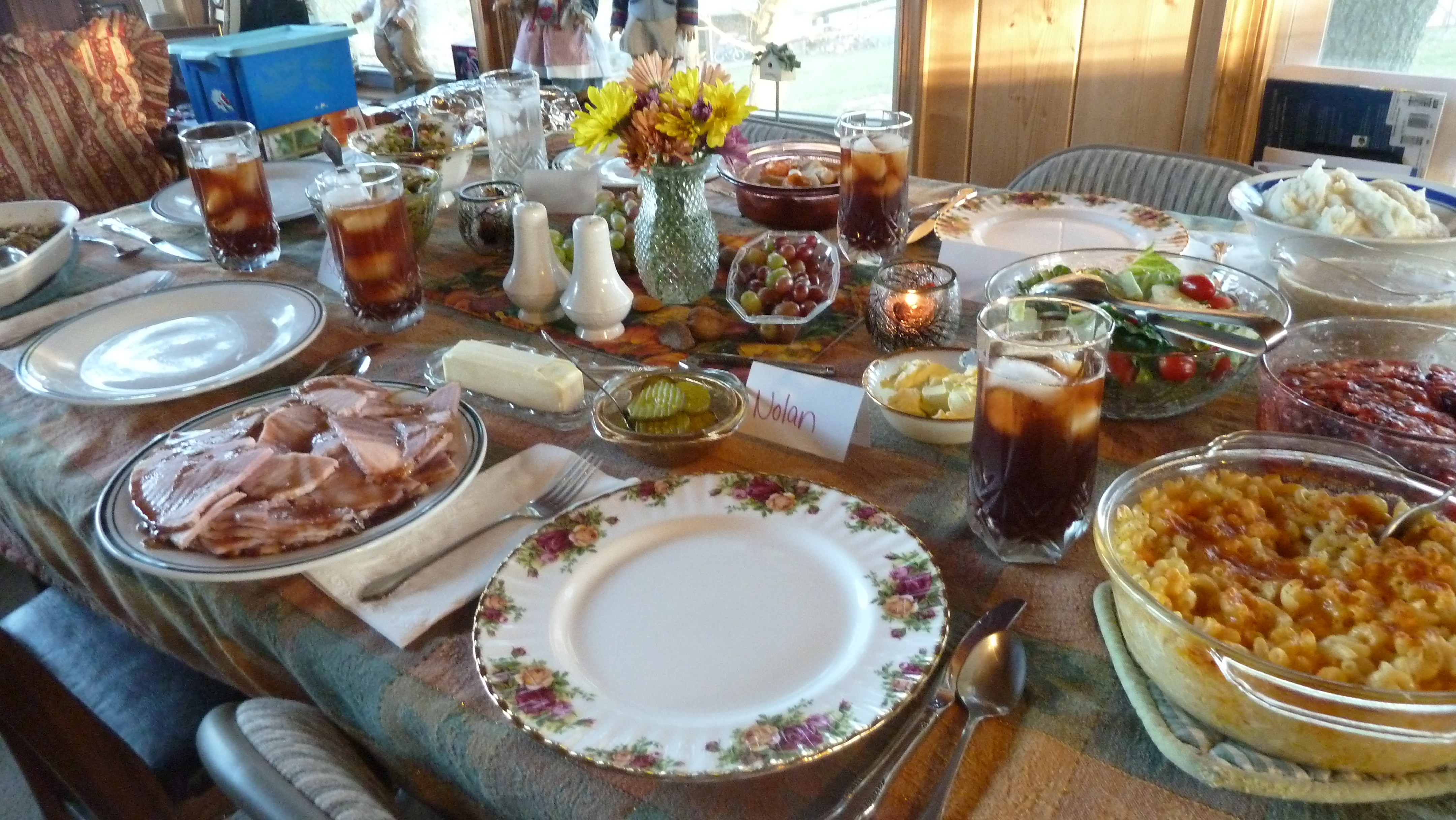 (I cannot lie. This is my wonderful sister-in-law’s overflow holiday table from a couple years ago.)
I grew up in a Mennonite home when a mainstay at any potluck, family reunion, or holiday meal was any of a variety of Jell-O salads. This was also one of the first salads I grew “expert” at making while I still lived at home. Mom loved turning this dish over to me when we had company.
Congealed (eww, that word doesn’t even sound good) salads were an easy way to throw together an attractive and tasty (and sugary) dish that usually included at least fruit, sometimes vegetables (carrots, celery, cabbage), and sometimes whipped cream, cream cheese, nuts, maraschino cherries and the kitchen sink.
While gelatin-type concoctions have been in use for centuries, Wikipedia says this about the era when Jell-O really took off:
The baby boom saw a significant increase in sales for Jell-O. Young mothers didn’t have the supporting community structures of earlier generations, so marketers were quick to promote easy-to-prepare prepackaged foods. By this time, creating a Jell-O dessert required simply boiling water, Jell-O and Tupperware molds.
(Ah yes, remember those molds? I don’t even have mine anymore which we received for wedding or shower gifts.)
My home congregation’s earliest cookbook, Fellowship Cooking, included 25 (!) different recipes using Jell-O. I would wager other church cookbooks of the era would include a similar number of such.
Interestingly, Mennonite Community Cookbook, which you might expect to be full of recipes using gelatin, is actually more focused on showcasing recipes the women of the mid-century remembered their mothers and grandmothers using, long before Jell-O came into vogue. I was intrigued by “Lovina’s Amish Kitchen” cook Lovina Eicher including a recipe recently for a very fancy 12-layer Jell-O dessert that must simply take hours to fuss over. Sometimes the simple life is anything but simple, whether we’re Mennonite, Amish, or Presbyterian.
Before this becomes a treatise on the history and development of Jell-O salads, my point is this:
This is the only Jell-O salad I ever make any more and some of the family do enjoy it, partly because we generally only have it once or twice a year, at Thanksgiving and Christmas.

My kids were home recently and we kind of had an early Thanksgiving supper (with some, but not all of the traditional fixings) so I included this salad. I like it for the pineapple, the nuts, and the cream cheese. Some recipes call for cottage cheese instead of cream cheese, but I prefer the richness of cream cheese, even though it is a bit trickier to mix up (needing to soften the cream cheese so it mixes into the half-jelled Jell-O).

But for normal every day meals or desserts, my family much prefers a simple fruit salad using no gelatin, and any concoction of fresh fruits (and sometimes canned) I have on hand: bananas, oranges, grapes, straw or blueberries, mandarin oranges, etc. That would be our fruit salad of choice. And can always be thrown together at the last minute!
Cream Cheese Salad – a variation of Emma Yoder’s recipe from North Goshen Mennonite’s Fellowship Cooking, which is technically the only thing that makes this a “Mennonite” recipe. 🙂
1 – 3-oz. package lime Jell-O
1 small package cream cheese
1 cup drained, crushed pineapple
1 – 8 oz. tub of whipped topping
¾ cup chopped pecans
1 small can mandarin oranges
Make Jell-O according to package directions, using 1 cup water and bringing it to a boil. Dissolve Jell-O powder in the hot water, stirring to make sure it all dissolves. Set aside. Set out cream cheese to soften.
Drain pineapple, reserve juice. Refrigerate pineapple until you add it to the salad later in the process. Put the reserved juice in measuring cup and add cold water until you have 1 cup cold liquid. Add to the Jell-O and hot water mixture.
Refrigerate Jell-O for ½ hour to 1 hour. When partially congealed, pour into mixing bowl. With mixer, combine softened cream cheese with Jell-O. Beat on slow, adding speed as it combines. Add whipped topping. Again, beat with mixer until combined. Stir in crushed pineapple, pecans and mandarin oranges. Pour into serving bowl, or 9 x 13 inch pan (if you want to serve in squares) or mold. Chill until set, several hours. Garnish if desired with reserved mandarin oranges or maraschino cherries. Emma’s directions add “Serve on lettuce leaf.” Oh yes, how could I forget, the lettuce leaf!
***
What dish or dishes are you most looking forward to serving or eating for the holidays? What dish says “holidays” to you and your family?
My kids never liked plain old red Jell-O with canned fruit cocktail. Did yours?
***
You’ll find more of my family’s favorite meals and recipes and traditions in Whatever Happened to Dinner.

No, this isn’t about the election or sex or anything like that. This is about deep gratefulness.
Those who have seen my fun photo album recently of both grandchildren (11 months and 13 months) coming for a visit Nov. 1-2 know what comes next.
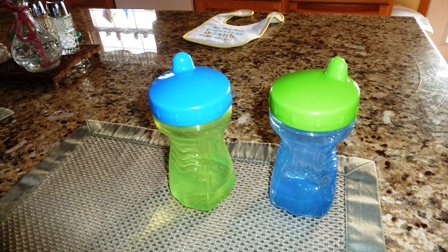
There is the oh-so-empty house.
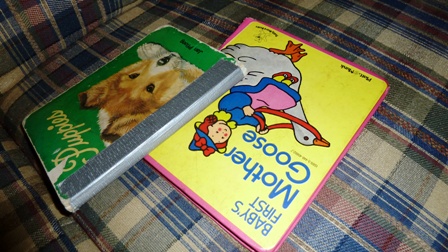
The toys and books strewn here and there.
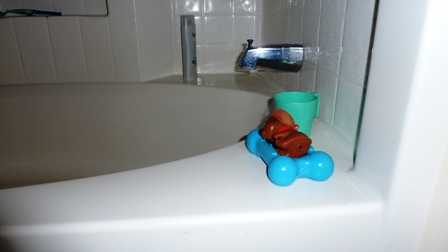
The fun of bath time with an almost-toddler. The look of glee in Sam’s eyes when I resurrect one of the girls’ old bath tubs, all cleaned up for the occasion.
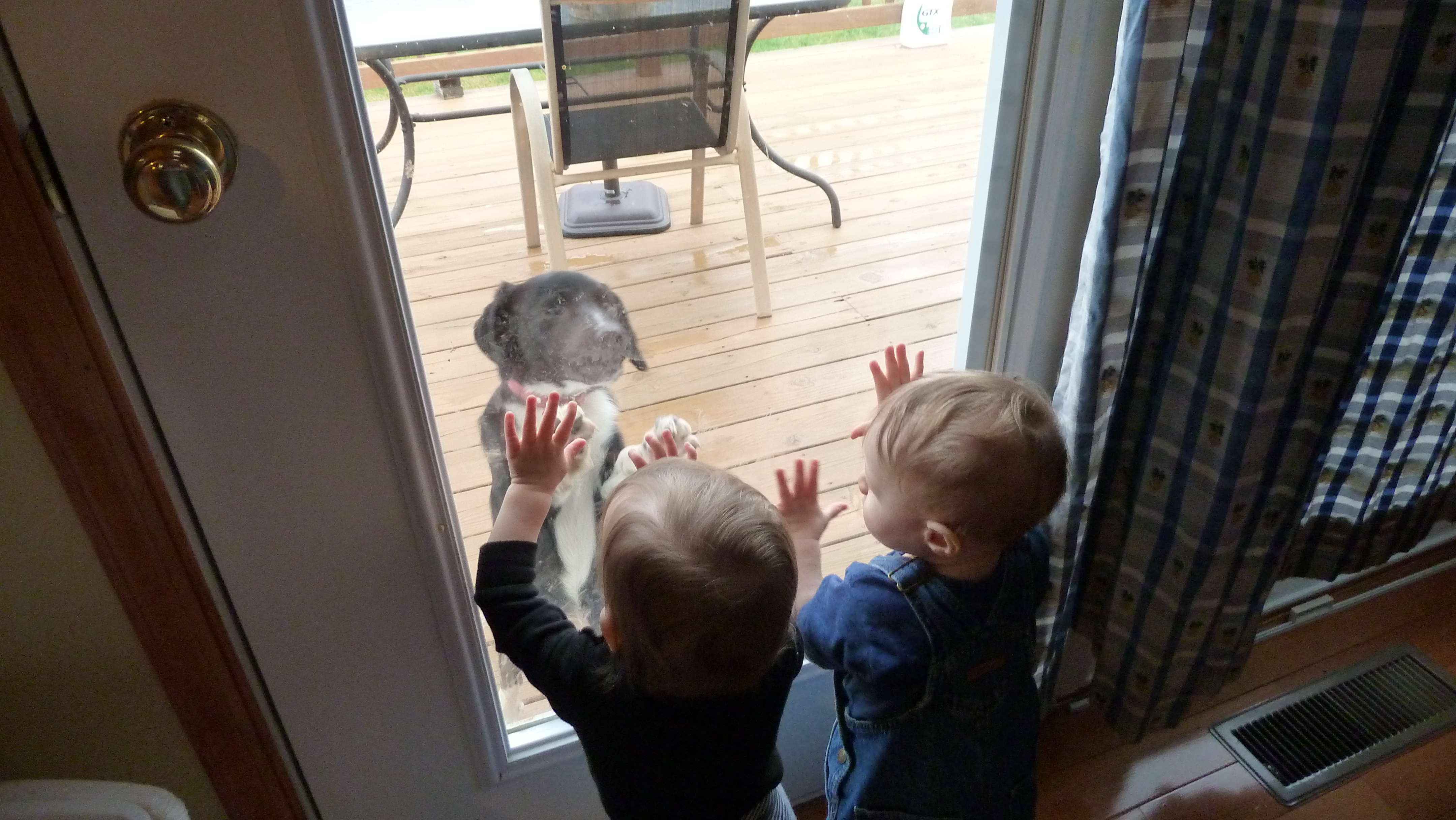
The smudges on the patio door as babies now into “cruising” stand and greet the puppy eye to eye.
The house is full of poignant and throat-catching glimpses of a too-short weekend but perhaps all the more special because we can’t see our little ones or children as often as we’d like.
My mother talked about these times.
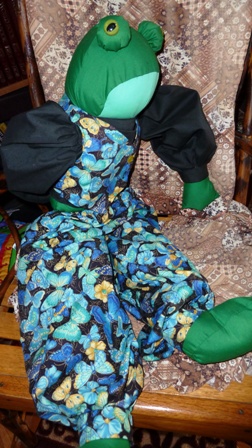 Floppy Frog seems to convey my feelings pretty well.
But I’m so grateful they are not in California or Oregon or Africa, thousands of miles away, like some of my friends’ grandkids. But if they were, I’m sure I’d find ways to adjust and to see them as often as we could.
It all goes back to when I went away from home for college, and then married a man from my new “home,” and well, you just don’t think about some of those things when you leave home for college or service or marry someone away from your home area.
I’m just so SO grateful to have grandchildren at all when I know friends and folks from church and relatives who never get to this stage.
This first year has not been easy for the parents (too personal to go into here), but they have persevered and all four parents just ROCK.
One daughter told me in leaving: “You’re the best mom and the best grandma—surprise surprise.”
Aw. I wouldn’t win any prizes but it was a nice thing to say.
A great way to start off this month of November when we all are reminded to be a little more grateful no matter what our circumstances. I love seeing the “Day of gratefulness” posts friends are sharing on Facebook etc. even though I have not done that publicly myself.
I’m reading Psalms right now and the Psalms rocket between “gloom, despair, and agony on me” and over-the-top gratefulness. On the grateful side there’s this:
O give thanks to the God of heaven,
for God’s steadfast love endures forever. Psalms 136:1
I want to be mindful of all these special blessings, each and every day. Thanks Sam, James, Michelle, Tanya and Doreen and spouses!
***
How do you work at connecting with grandchildren if they live at a distance?
What are positive things they’ve picked up from you? What are thing you hope they don’t pick up?
You can also read my weekly Another Way Newspaper Column here or subscribe.
When you are the female pastor of a church, do you bring a dish for the potluck meal? I mean it seems too much to ask, right? You not only get to spend your weekend gearing up for the sometimes harried/stressful chief event of your work week: Sunday morning worship, you have to prepare something good for a potluck. You should be able to just go and sit down afterwords and enjoy the meal without worrying about bringing a dish, right? I mean that’s what male pastors would do, wouldn’t they?
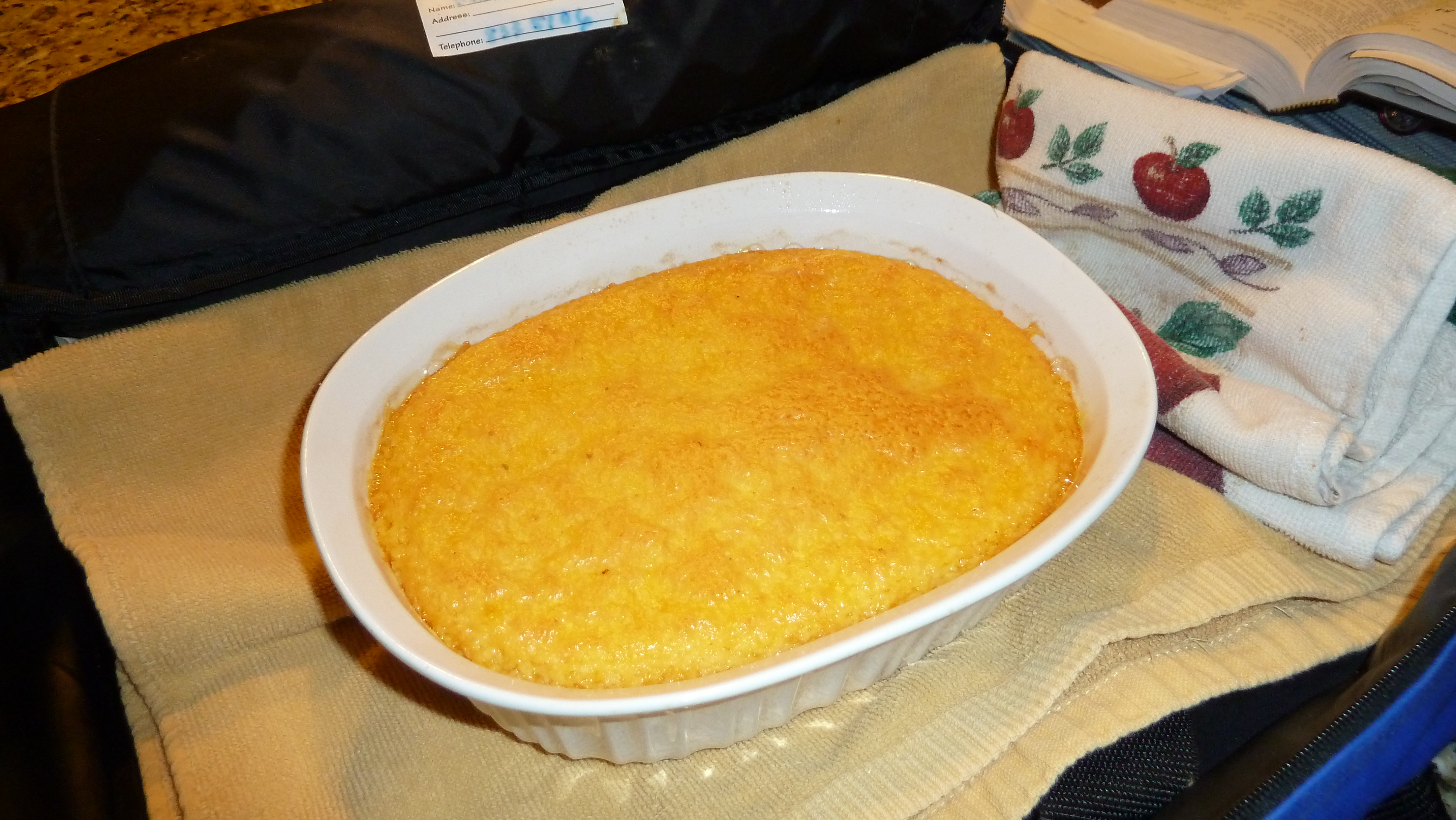 Cheese grits, ready to go to a potluck
If you were Ann Held (now retired as pastor of my church, Trinity Presbyterian) you not only preached the sermon, you brought a dish, partly because your daughters loved your trademark dish so much they begged you to bring it. It also “made” the potluck for many of us. We’d clean out Ann’s lovely pottery casserole dish of cheese grits before half the line went through; if you were later in line, too bad.
What is so good about these cheese grits? It’s like mac and cheese only smoother; like a breakfast souffle only easier. This recipe has just a pinch of Tabasco sauce fire and some seasoning salt pizzazz, not even hot enough to register, but just nice.
I love plain grits, too, which I sang the praises of here. Wikipedia says that 75 percent of all grits sold are in the south, from Texas to Virginia. We’re in Virginia.
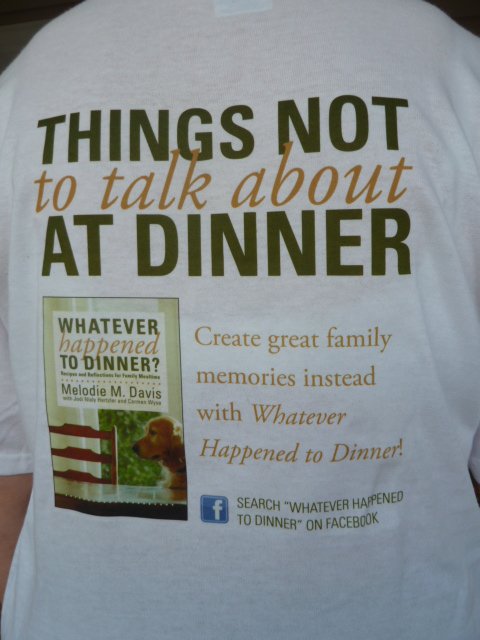
In my book, Whatever Happened to Dinner, I describe grits for the unaccustomed:
Grits come from hominy—what’s left from a kernel of corn after the yellow “cap” has been taken off. The dictionary describes grits as ground hominy with the germ removed. They are low in fat and sodium but have a decent amount of iron, all for only pennies a serving—a cheap and filling breakfast that sticks to your ribs. Grits can be eaten by people with allergies to wheat flour. Cheese grits is a variation on the basic dish and can be served as a meat substitute.
I will remind naysayers that cheese grits scores in the nutrition department because the combo of grain (corn) + milk (cheese) = a more complete protein when they are consumed together. That’s according to nutritionist Doris Janzen Longacre, author of the best selling More with Less Cookbook.
When I took this dish to a staff special break recently, someone called it comfort food. The ones who spoke up, said they loved the dish. I’m sure there were some who tasted it only to be polite.
So if you want something tasty for a brunch, lunch or even dinner, here’s the recipe. They take an hour to bake so unless you mix it up the night before, I personally would never have time to make them for breakfast but, you never know.
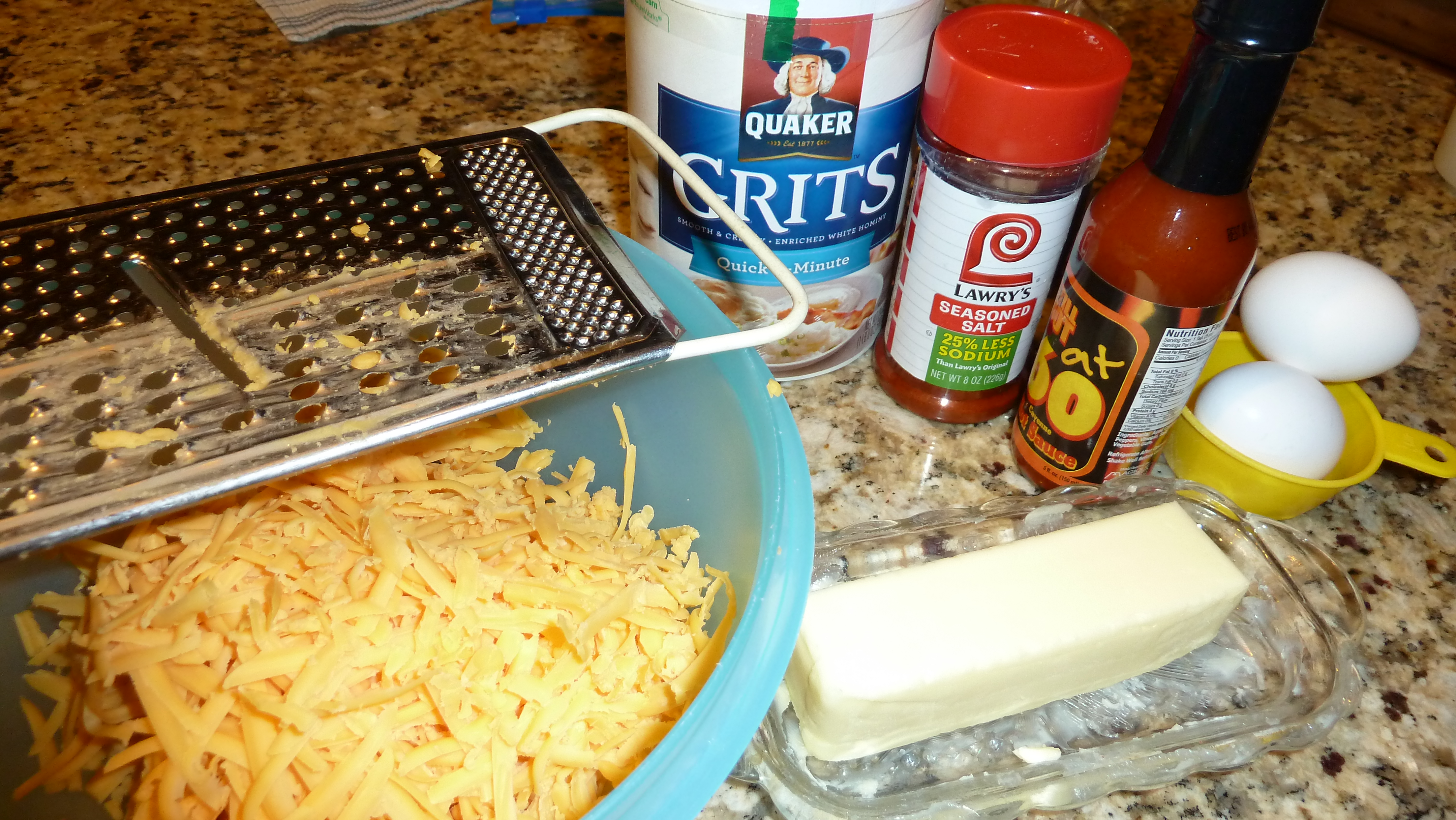 (Yes, it takes a lot of cheese. You could probably cut back and not notice.)
Ann Held’s Cheese Grits
Preheat the oven to 350° F. Boil 6 cups of water with ½ teaspoon salt. Add 1½ cup quick-cooking grits. Bring to a boil, then lower flame and cook until water is absorbed, about 6-7 minutes.
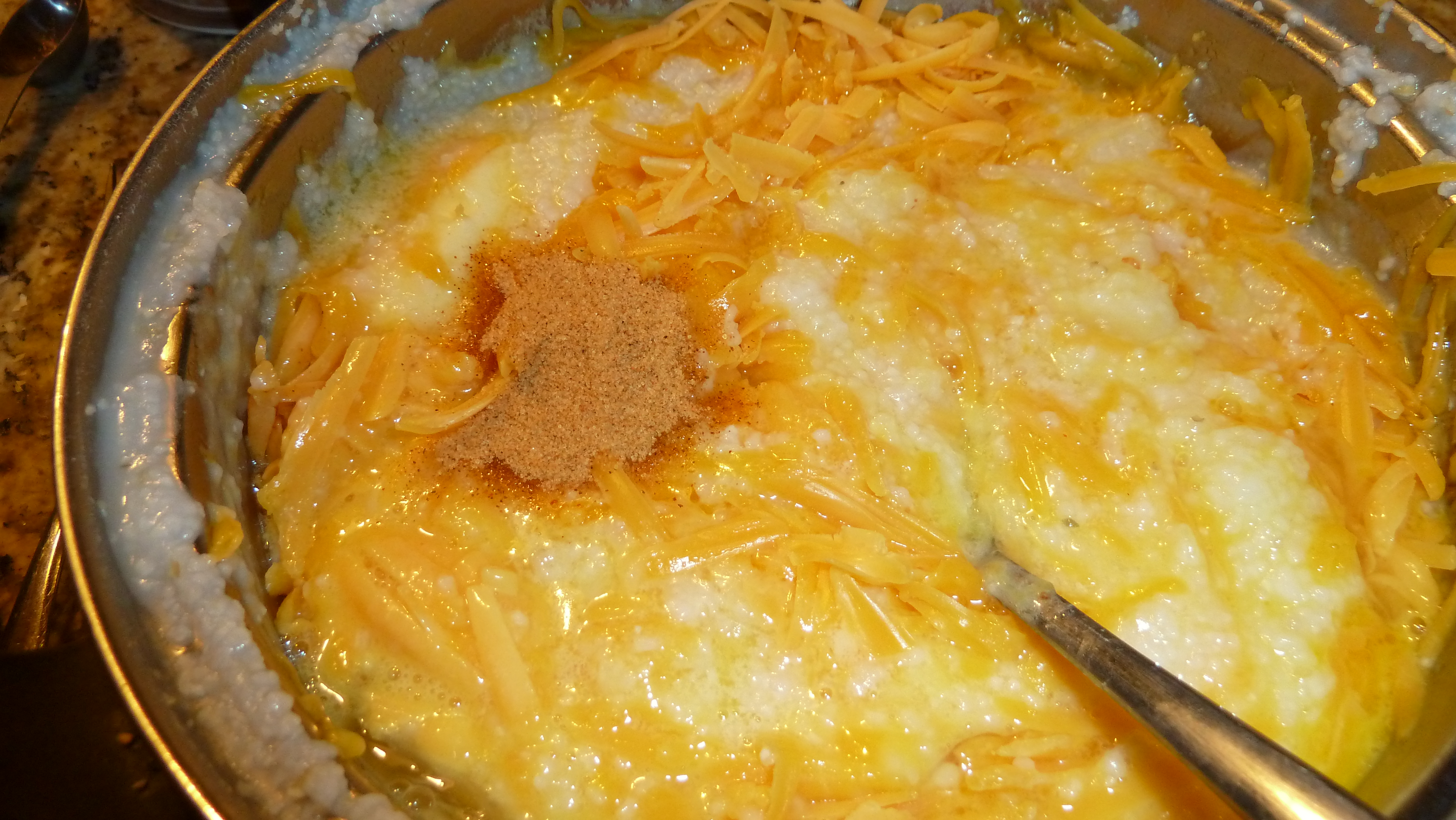 Stirring in the seasoning salt, butter, eggs, and cheese.
Stir in:
1 stick butter or margarine
1 pound grated sharp cheddar cheese
3 eggs, beaten lightly
2 teaspoons Lawry seasoning salt
5–6 drops Tabasco sauce
Pour into a greased 2 quart casserole or 9×13-inch baking dish. Bake 1 hour. Let stand 10 minutes before serving.
Other suggestions from my book: Serve alongside the Barbeque Spareribs or Pork Chops in chapter 3 of Whatever Happened to Dinner or the Chicken BBQ (also in the book). Or try them with some spicy Cajun or steamed shrimp, which is one way grits became fashionable in fancy restaurants in New Orleans sometime in the 1980s, according to my colleague Beth Nealon.
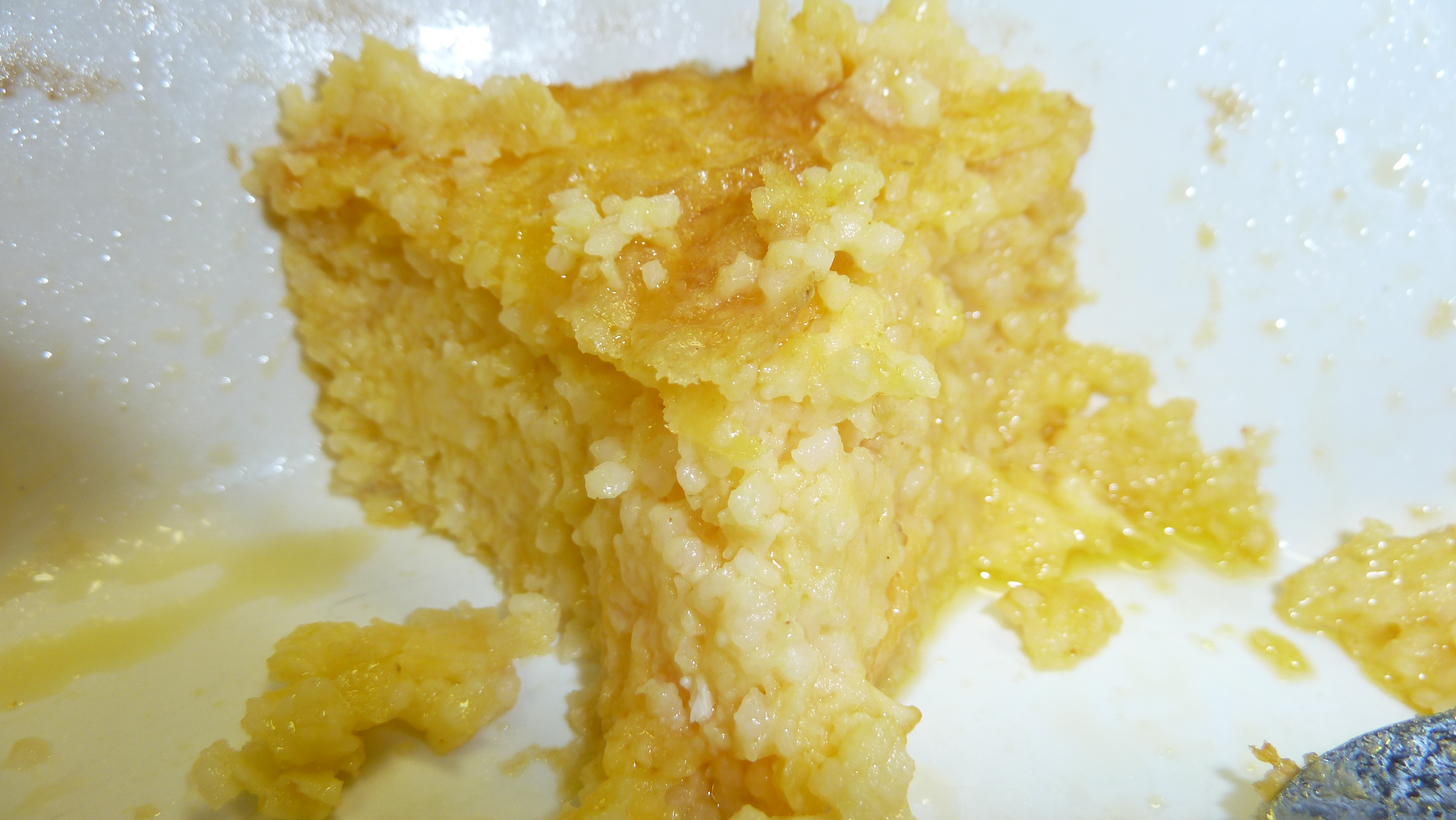 The last serving.
***
So what do you think: if you are the pastor of a church, do you need to bring a dish to the church potluck, or do you get a free pass as an “employee”? Does it make a difference if you are male or female? If you are married and a pastor, does your spouse make the dish? If you are not a pastor, what have you observed in your church? What do you think the apostle Paul would do???
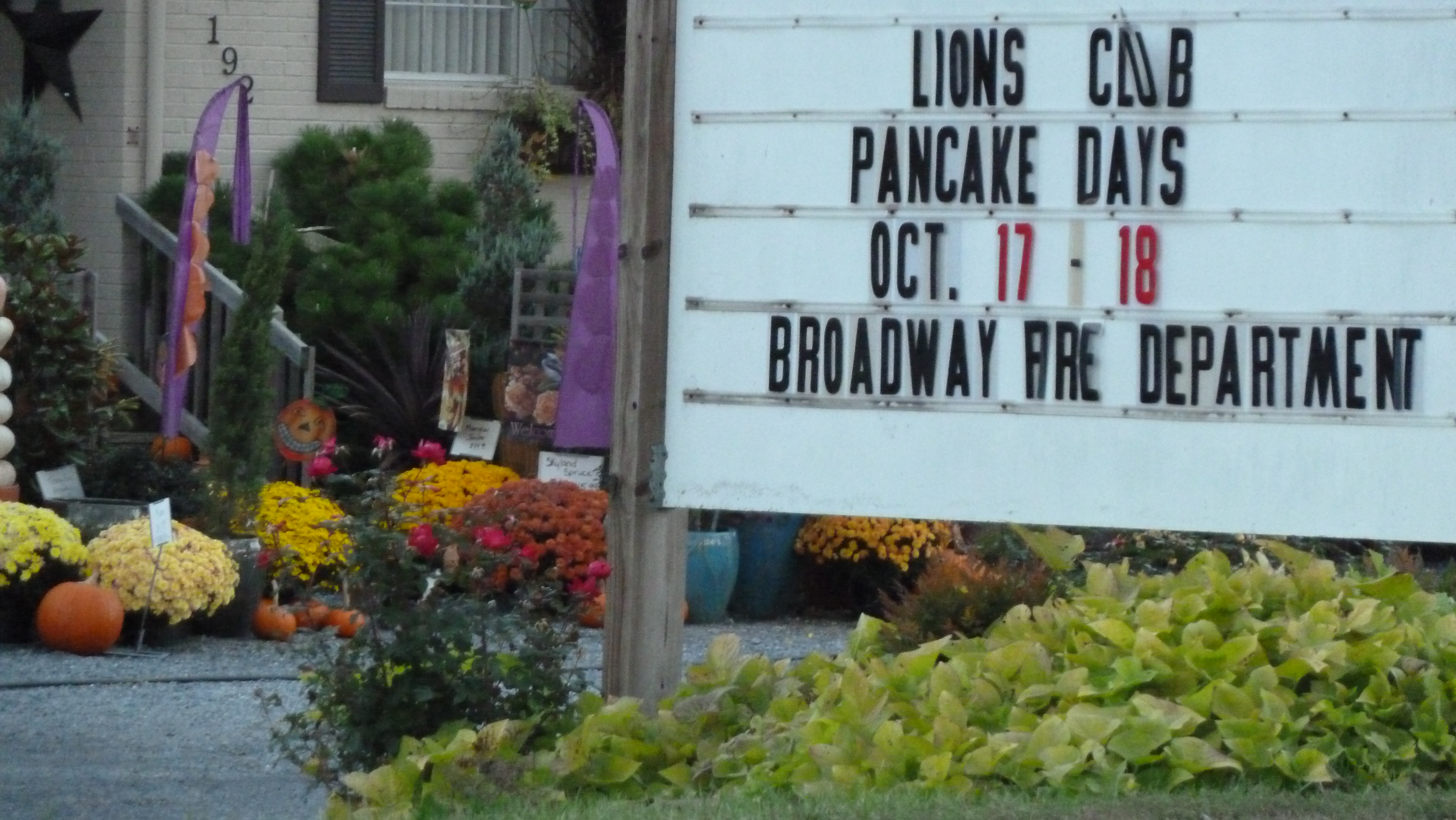
For the past 15 years or so, we have enjoyed a community tradition here in the Shenandoah Valley: cooking for the annual Lion’s Club Pancake Days in Broadway, Va. The tradition goes from 6 a.m. on Friday morning, serving all day through about 7 p.m. that evening, and from 6 a.m. to 10 a.m. on Saturdays.
 John Knepper stirring his famous and great sausage gravy. Photo courtesy of Dawn Turner.
Folks get up early here in the Valley.
I know families who say their fall wouldn’t be Fall without coming to Pancake Days. This year the Hoover family was there in full force: 15 or so, counting visiting relatives, grandkids, and spouses.
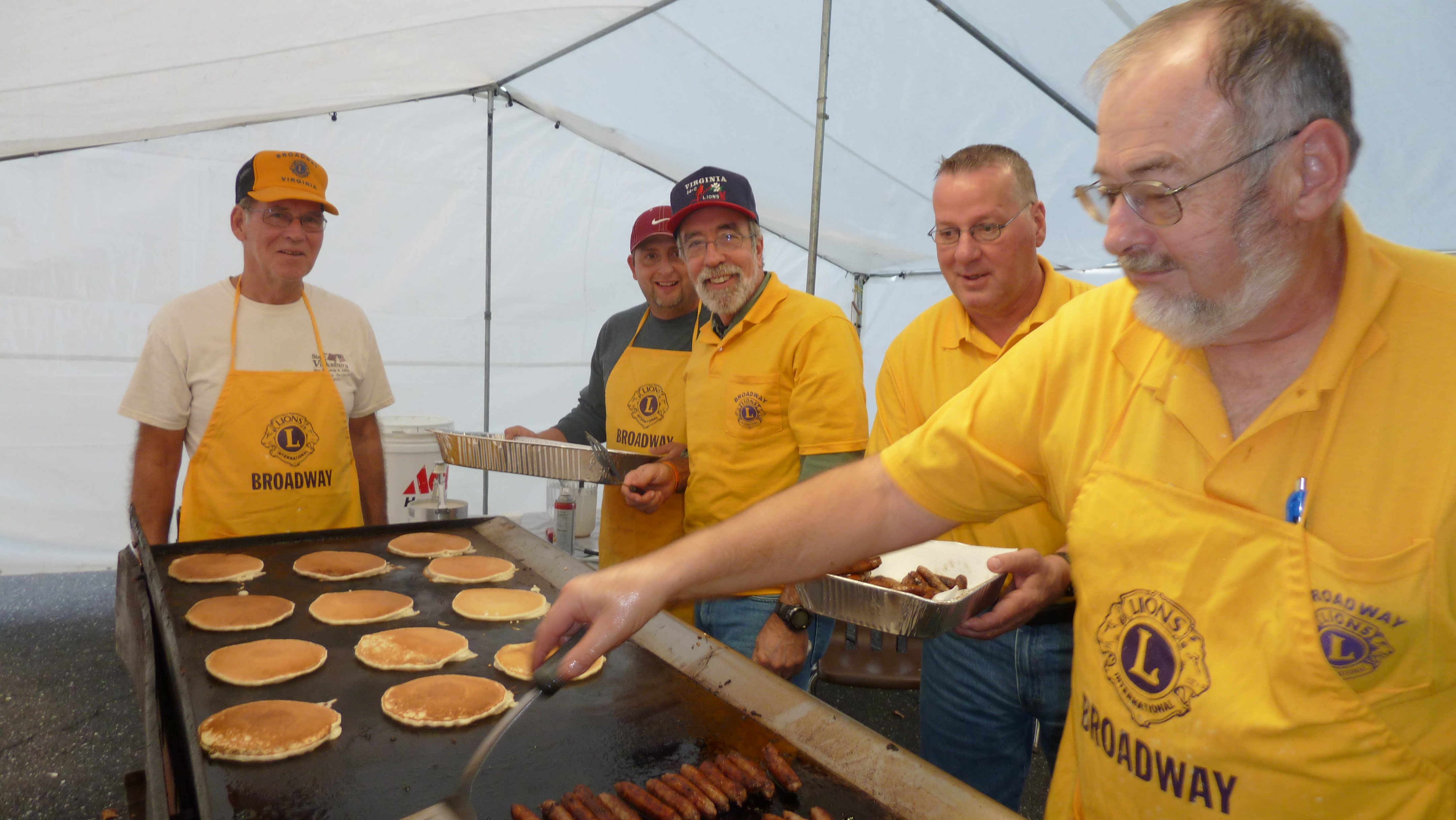 Husband, Stuart, far right. Can he get the sausages done in time??
But the best part about Pancake Days is actually cooking and serving the meal. (Now the getting ready/cleaning up part is a huge chore but part of the deal.) This year I finally joined the Loins Club with my husband (yes, it is co-ed now, and has been for a number of years) so although I’ve helped in various capacities as a spouse, this year I heard all the pre-planning and negotiation such an effort takes.
Usually the Pancake Days are the same weekend as the local high school’s homecoming game, but due to that being scheduled very early and conflicting with an important Lion Club district/training meeting, the first issue was that we would have to break with tradition and have the fundraiser a different weekend. So we chose one that tied in to the annual Fall Festival–a street craft show and sale event.
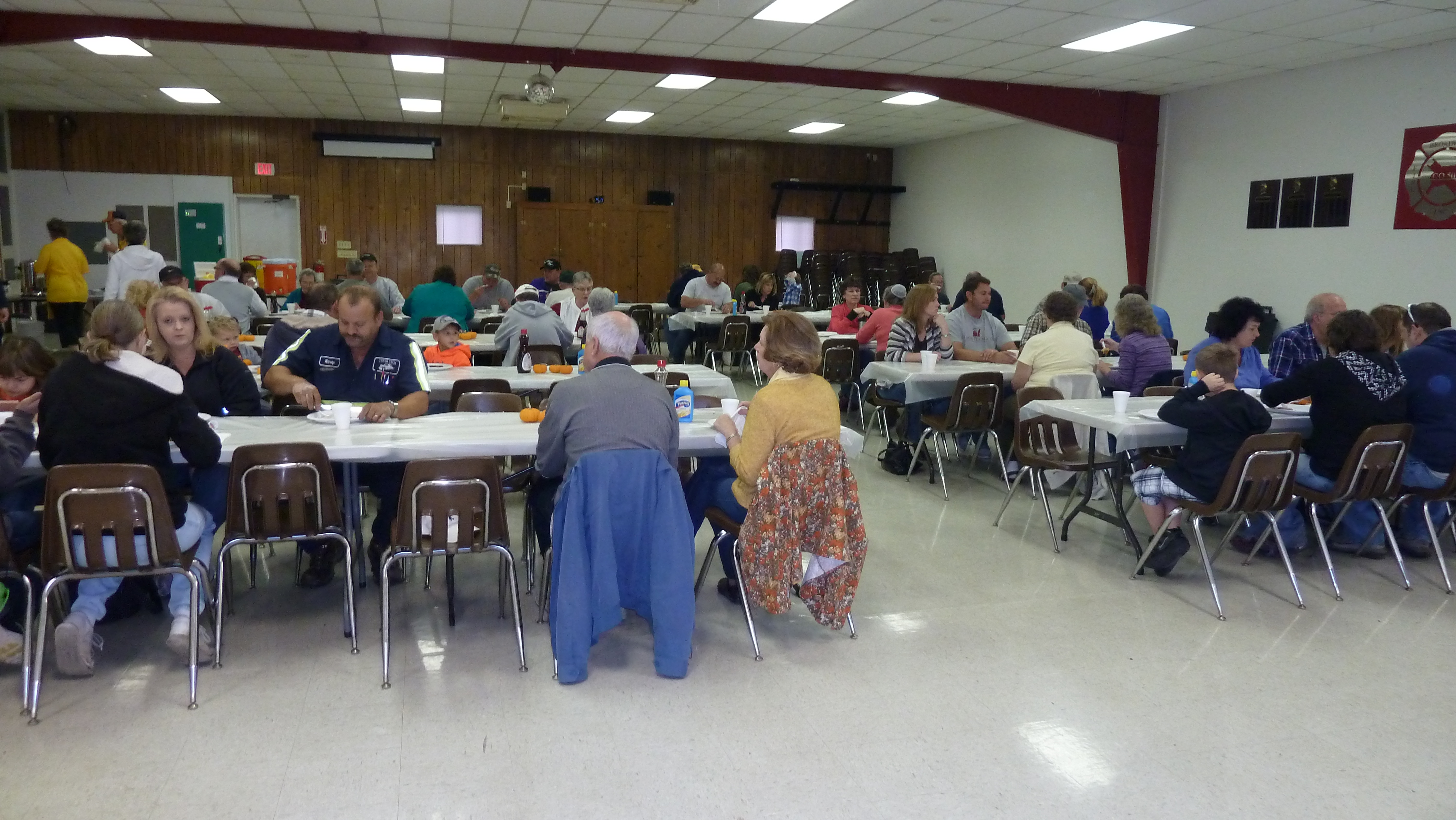
Would it be as successful? Would we miss the great influx of pancake eaters right after the town’s homecoming parade?
 Empty sausage pan. 😦
Answer: We ran out of sausage by 9 a.m. on Saturday morning, an hour before we were slated to close at 10. So we had to close early. It was probably the most successful sale ever. (Final figures are not in yet of course.) To all those who missed out, we are very sorry about that, and will try to plan for it not to happen next year! The sausage of course is the most expensive part of the meal—great little links that are the best ever. The sausage gravy is homemade (no mix, see my version of the recipe here). While some of the food supplies are donated by local businesses, we purchase others. The proceeds from the sale go to help with the sight and hearing projects typical of Lions Clubs, both locally, nationally and internationally. To all who came out, a big huge thank you!
But the best part of Pancake Days is not the cakes, sausage, gravy or coffee, but the camaraderie: learning to know club and community members in deeper ways than you can do by just going to meetings. Service projects—whether they be for church, school or club—are totally the best way to connect and find roots when moving to a new community or seeking new friendships and meaning in an old.
Sure there are always the little controversies about who can flip pancakes fast enough, not making them too far ahead so they’ll be fresh and hot, whether to buy more supplies or fewer, who is a good worker who quickly adapts to whatever work is at hand. You have those kinds of questions and tiffs no matter what service project you are with. Don’t let them spoil the community comradeship.
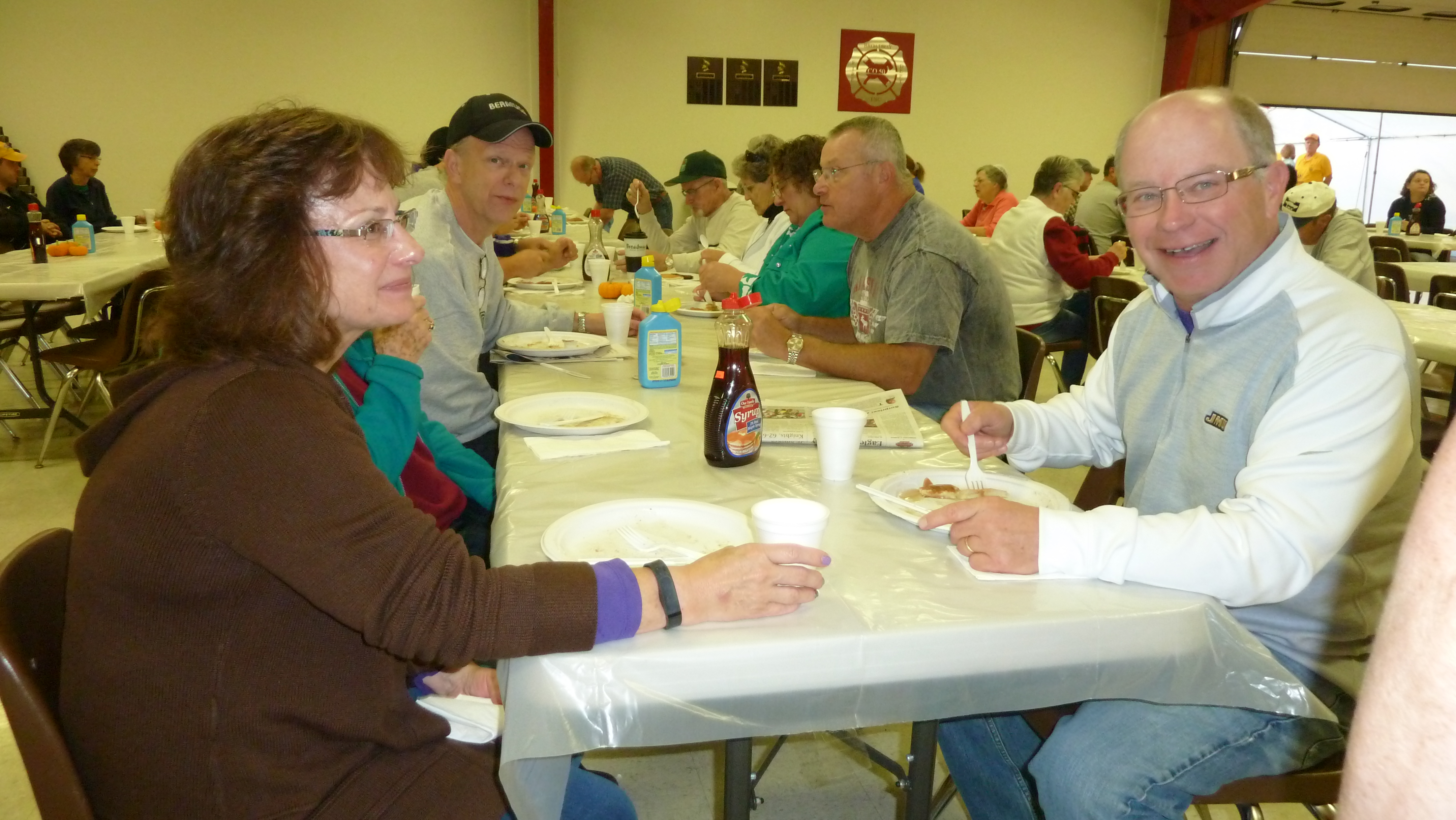 Happy customers.
The Broadway Lions Pancake Days even survived changing one huge part of the tradition by transitioning from holding the cookoff in a makeshift tent made of tarps for many years, subject to rain, wind and cold October mornings and evenings. Everyone always said that was part of the fun—and what made the food taste so darn good, like when you are camping. The “tent” was pitched behind a bank in downtown, making it super easy for folks to stop by for a good hot meal after a chilly homecoming parade—before they rushed off to the big game. Those were great days too, but no one seems to mind that we’re now serving in the nearby Fire Department community hall. We’ve maintained one part of the tradition by cooking the cakes on a great old gas griddle in a tarped “kitchen.” And there are inside bathrooms instead of the great Johnny Blues.
 Cooking in the “tent” portion. Photo by Dawn Turner.
But thanks to some good signage around town, and a nice article in the local paper, the sale this year was a huge roaring Lion success. We thank everyone who came out and if you are lucky enough to have a Lion Pancake fundraiser in your community, check it out. Good folks! Grateful to Blue Ribbon Landscaping in Broadway for a great sign.
My friends dealing with serious sight problems remind me frequently of the precious gift of sight. My own hearing issues (I’ll likely be stone deaf in both ears some day) also echo in my head on dark days. Besides these major club foci, the clubs frequently contribute to other causes.
But a great benefit for all is simply building community in a time when there is so much isolation and individualism.
***
What makes Fall to you? What is your favorite community or church activity or fundraiser along these lines? I’d love to hear, and what you like about it!

 findingharmonyblog