

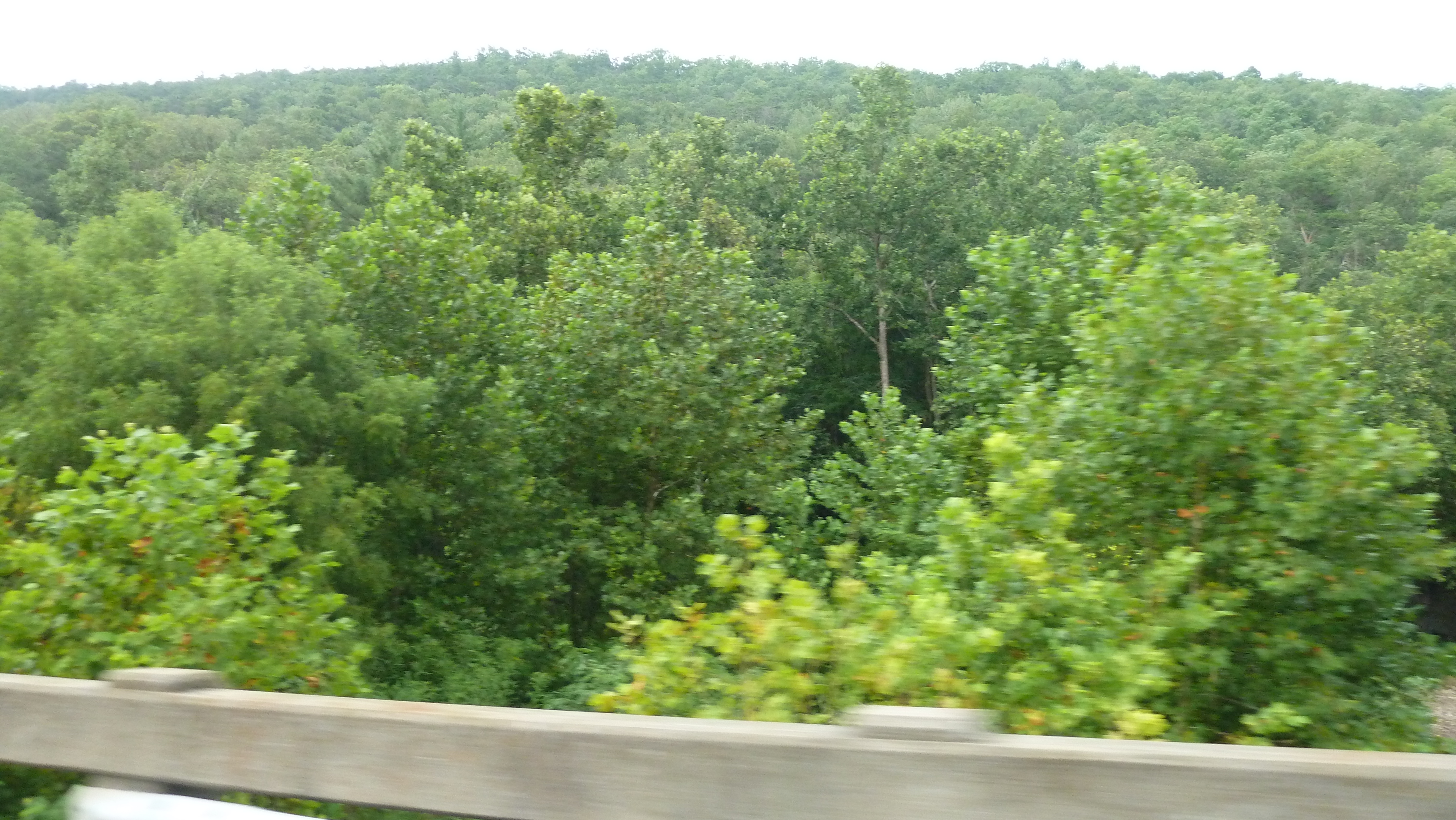
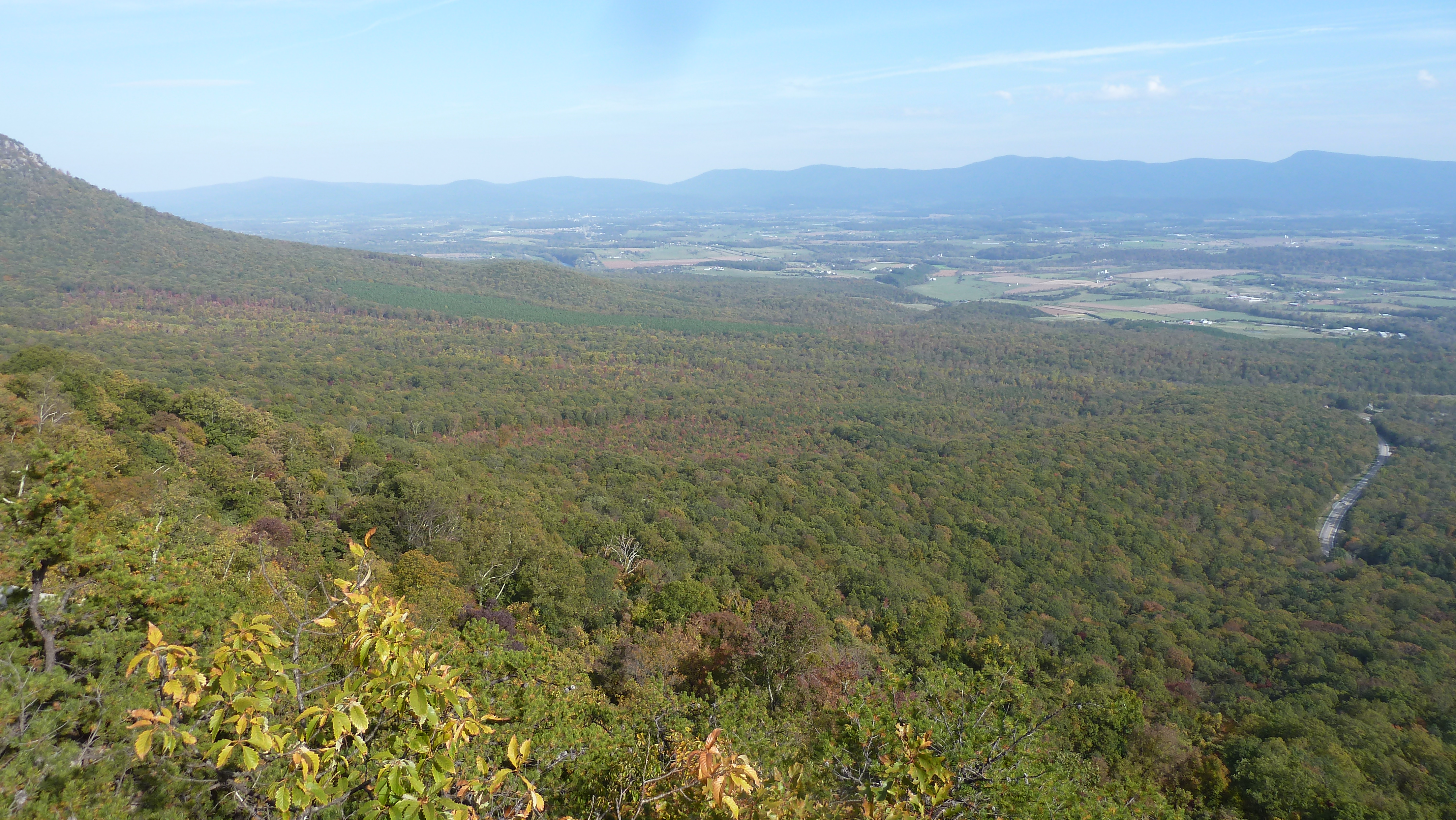
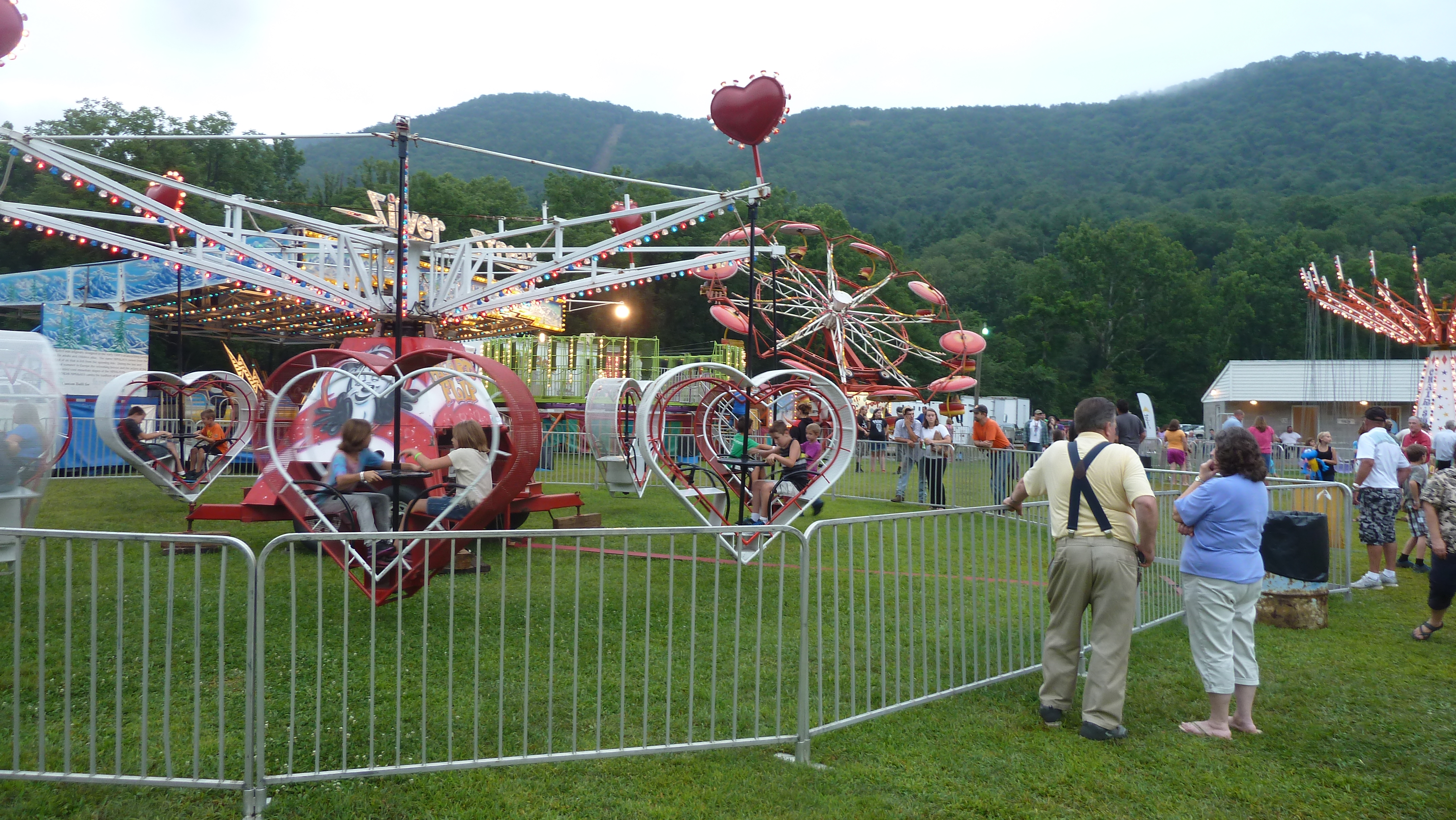
The transformation starts on the drive out to Bergton. Most of us have to drive 10, 15, 20 or more miles to get to the Bergton Fair, known as the “biggest little fair around.” You can be harried and hot from a bad week at work and the spell of the eastern-facing slopes of the Shenandoah Mountain range of the Appalachians begins to fall over you with the deep green trees waving a wand as the winding highway carries you back to old Virginia.
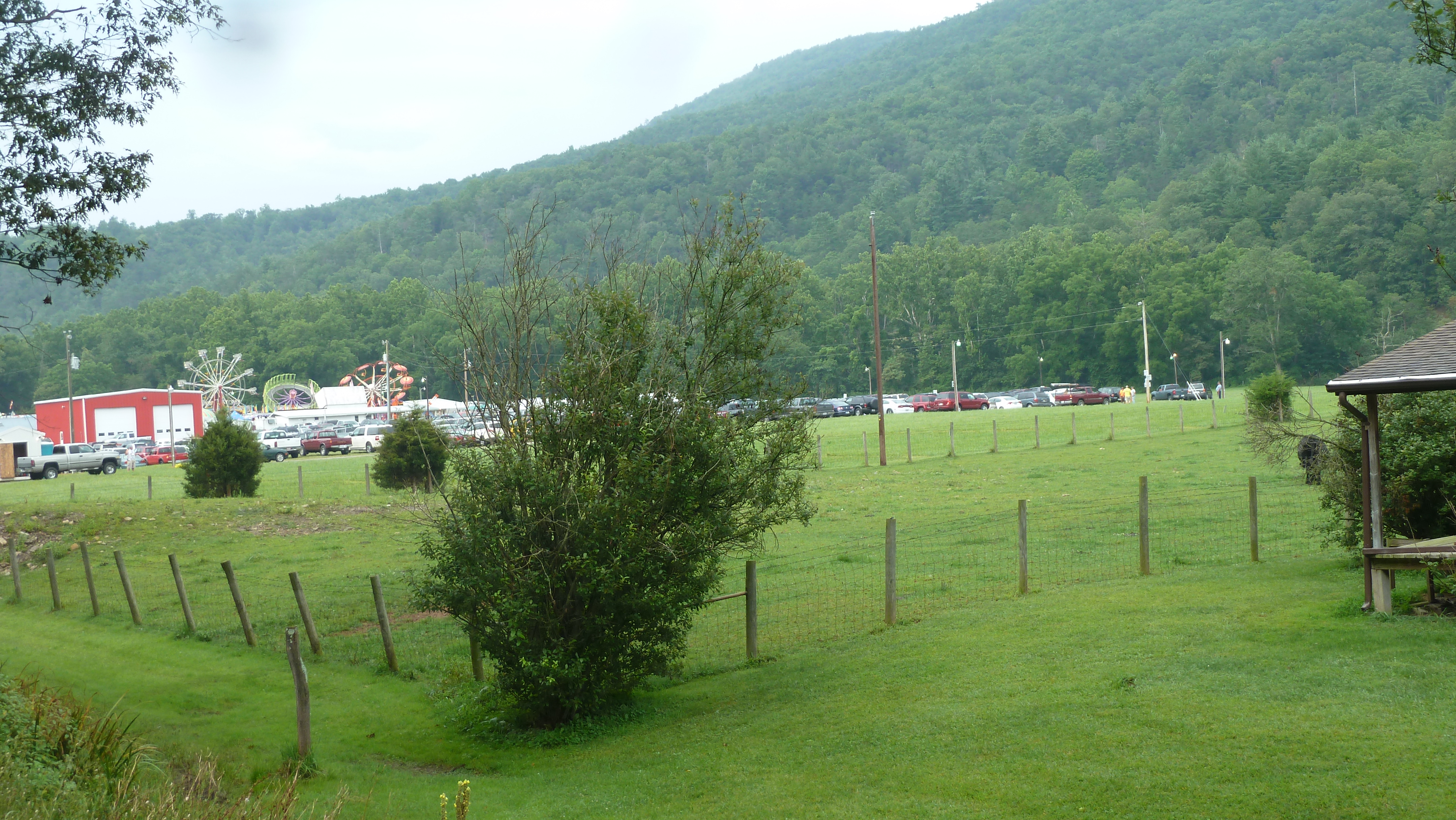
… Past Martin Luther Lutheran Church and the steep road to the cemetery where my husband’s grandparents and great grandparents and scores of cousins and aunts and uncles are buried
… Past the hollow (low place between hills where a path and then a dirt road gets beat down) where Stuart’s uncle used to live, way back at the end. All the cousins remember the fun of playing in the creek near the fresh water spring.
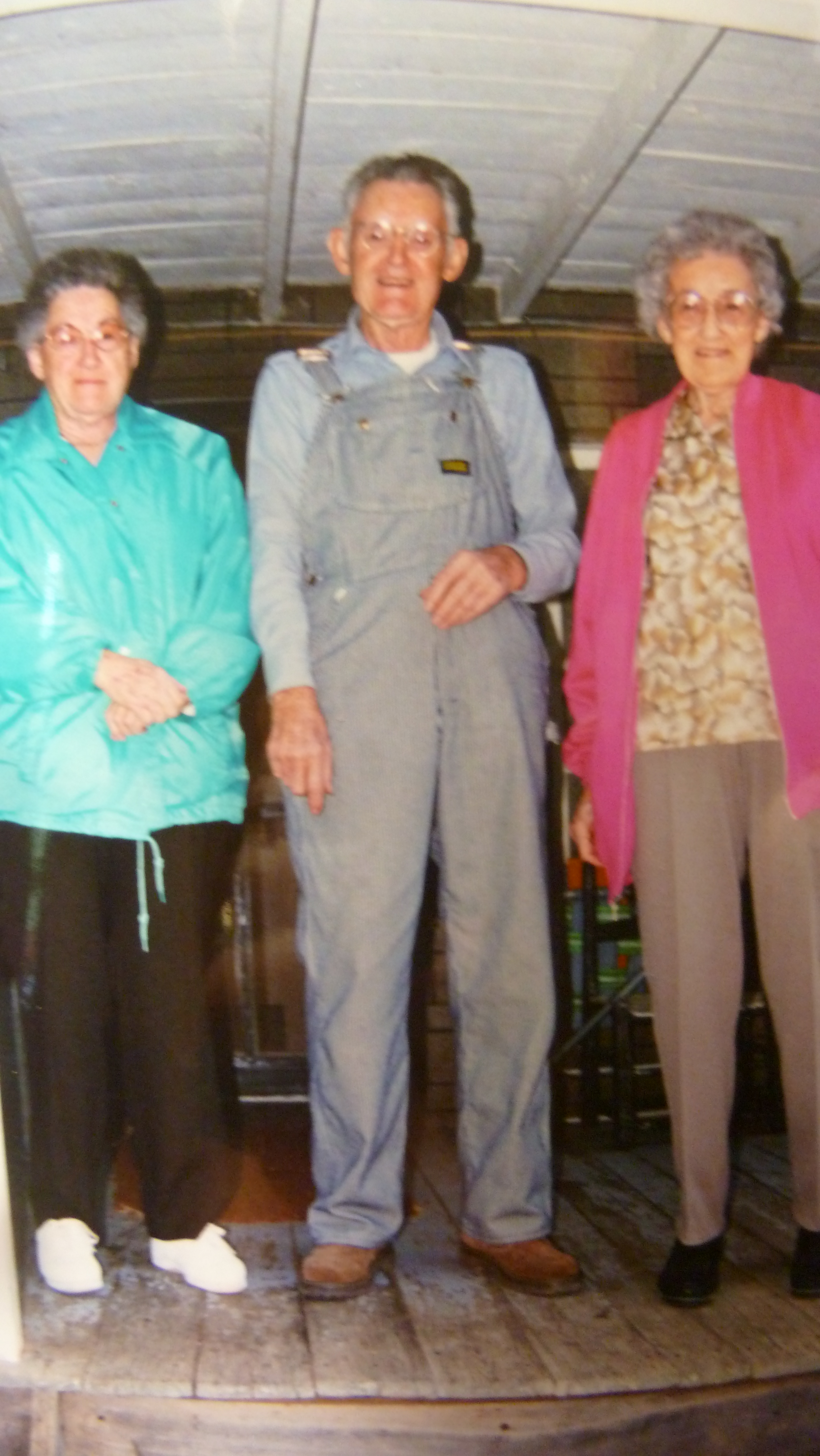
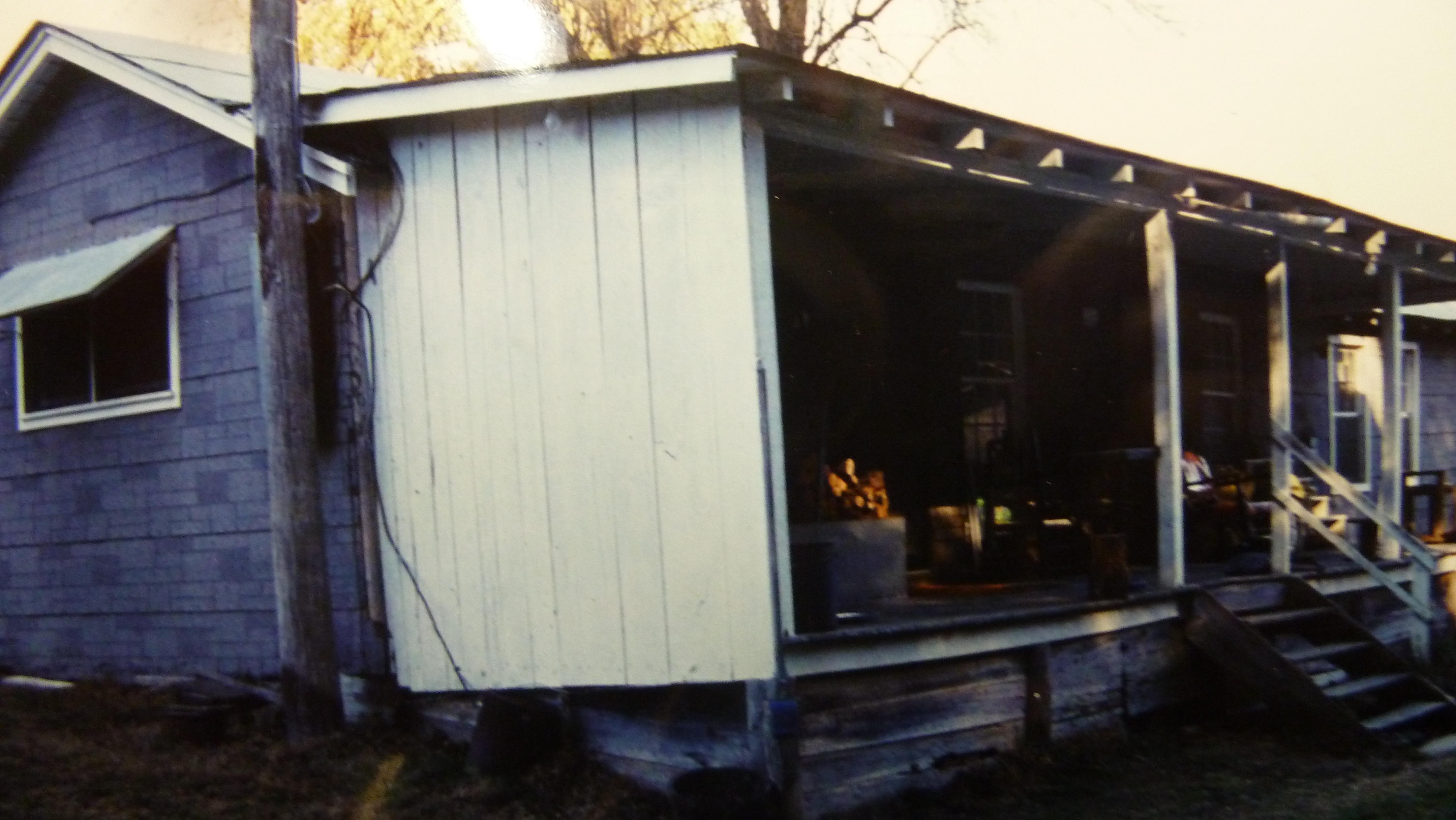 The “homeplace” for my husband’s grandfather, Perry Hottinger, near Bergton. Top, Uncle George with two of his sisters, Aunt Leila and Aunt Ressie, 2001.
At Bergton Fair, the admission price is $1 per person, paid as you enter by car.
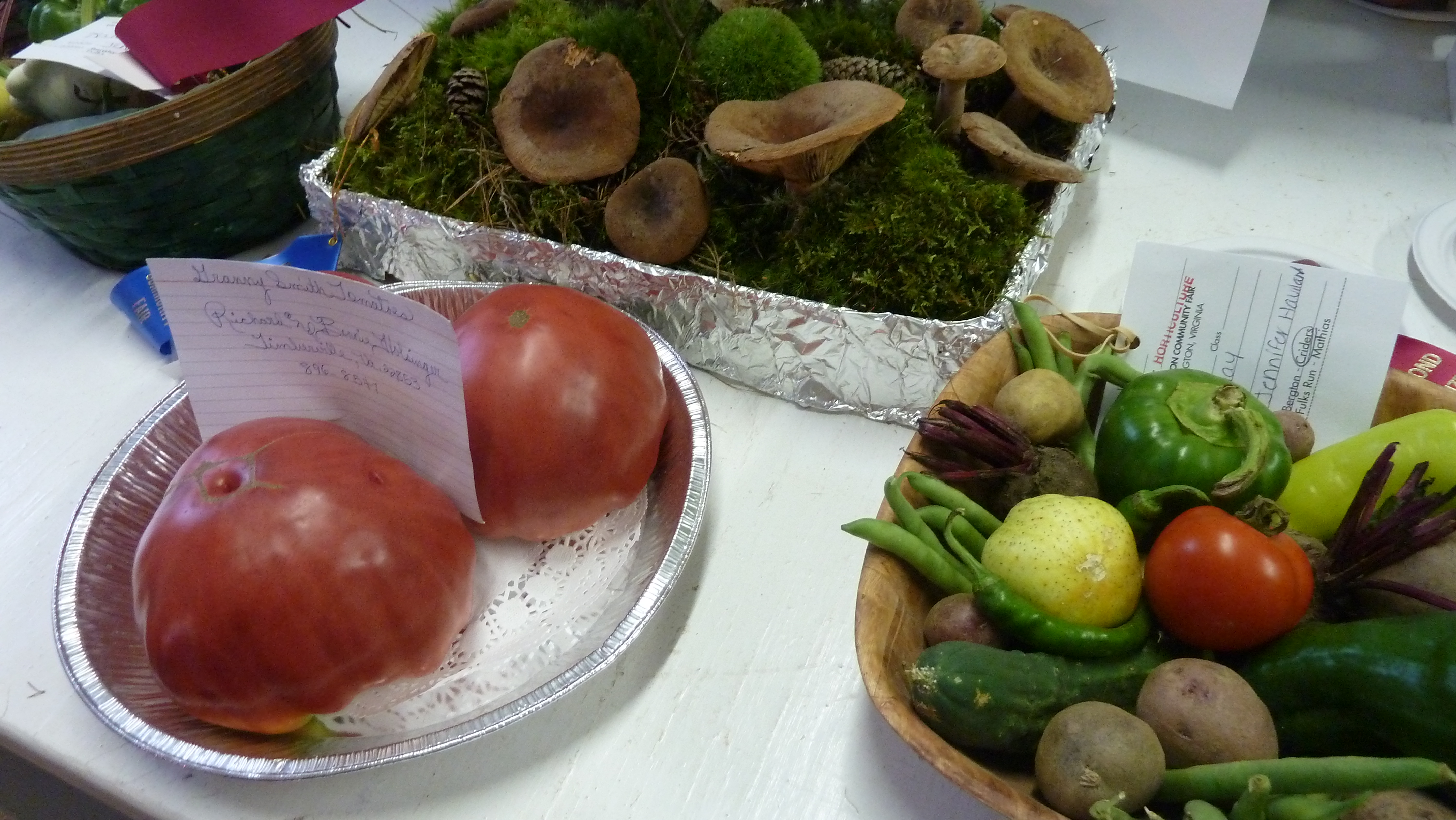

The tomatoes and green peppers and canned goods and needlecraft are shown off in the old white clapboard school house, where some of my husband’s relatives went to school.
Privacy and prudence forbids me from snapping and sharing the best photos, such as the ones of:
… a young father struggling to pull leggings onto his toddler after her tiara competition; she stifles late day toddler crankiness with a snuffle or two, while the mother puts away a poufy blue princess dress.
… young couples holding hands or pushing a stubborn stroller over the trampled grounds.
… older couples all spruced up in their fair-goin’ best, lined up in lawn chairs as you enter the grounds and enjoying an evening’s respite from canning green beans (I remember hearing of folks canning 110 quarts, 150 quarts. I do not lie.).

And harmonies: whether it’s a soulful “Rock Me Mamma” or splendid “Bringing Mary Home,” you’re sure to find toes tappin’ and hearts lifting.
And no matter how hot you were down in the valley, there’ll be a chill back here; you always tote a sweater or jacket, just in case, and generally use it.
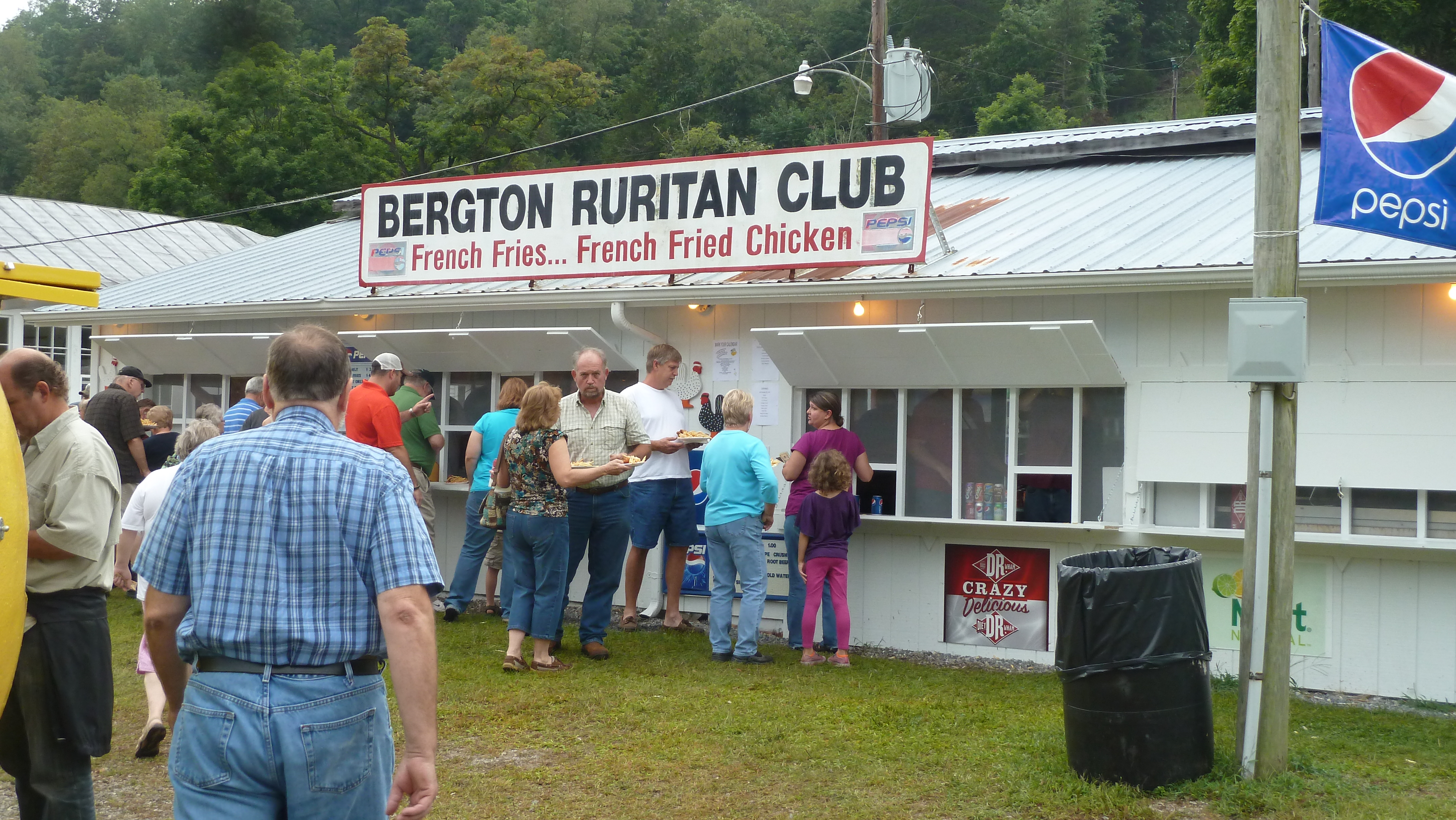 You have to line up for the fried chicken; tonight we’re early and lucky, the line is short. Cousin Johnny is somewhere in the booth helping but he’s too
busy and too deep among the cookers to see him just now.
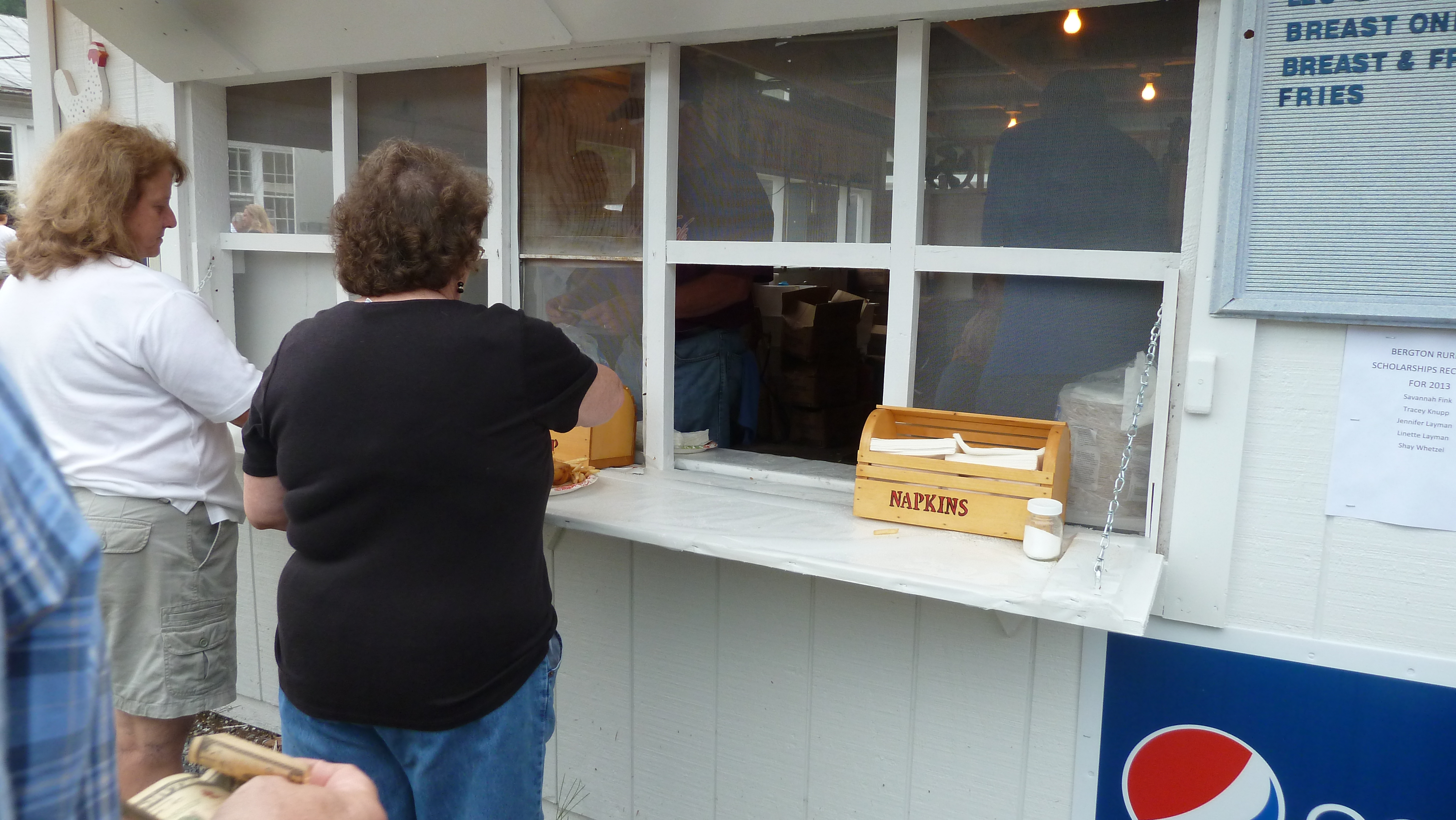
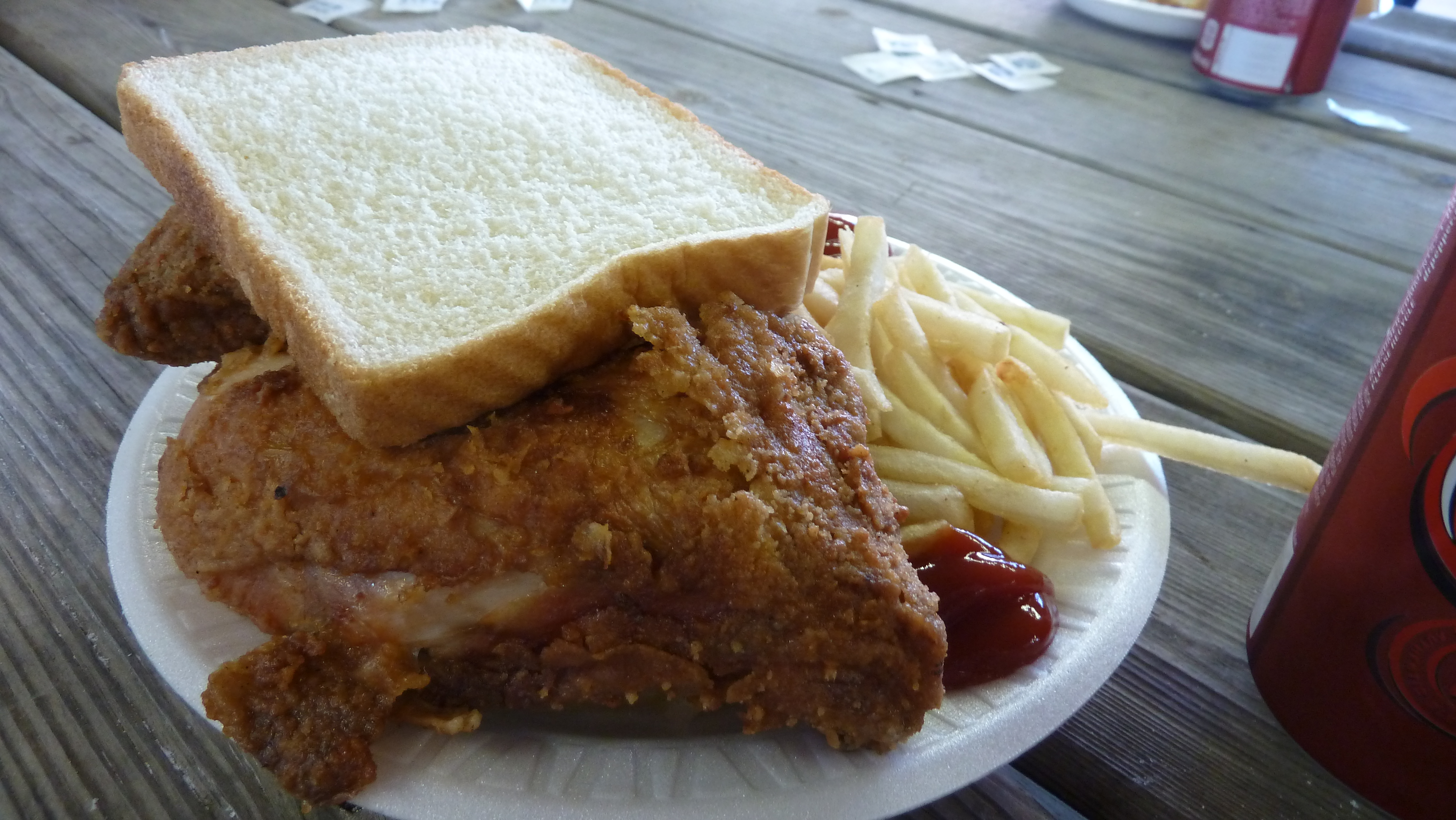 If you’re from these parts you will probably sit down to eat beside a second cousin or third cousin once removed you’ve never even met and if you’ve got Swiss-German roots, way back you too are likely related.
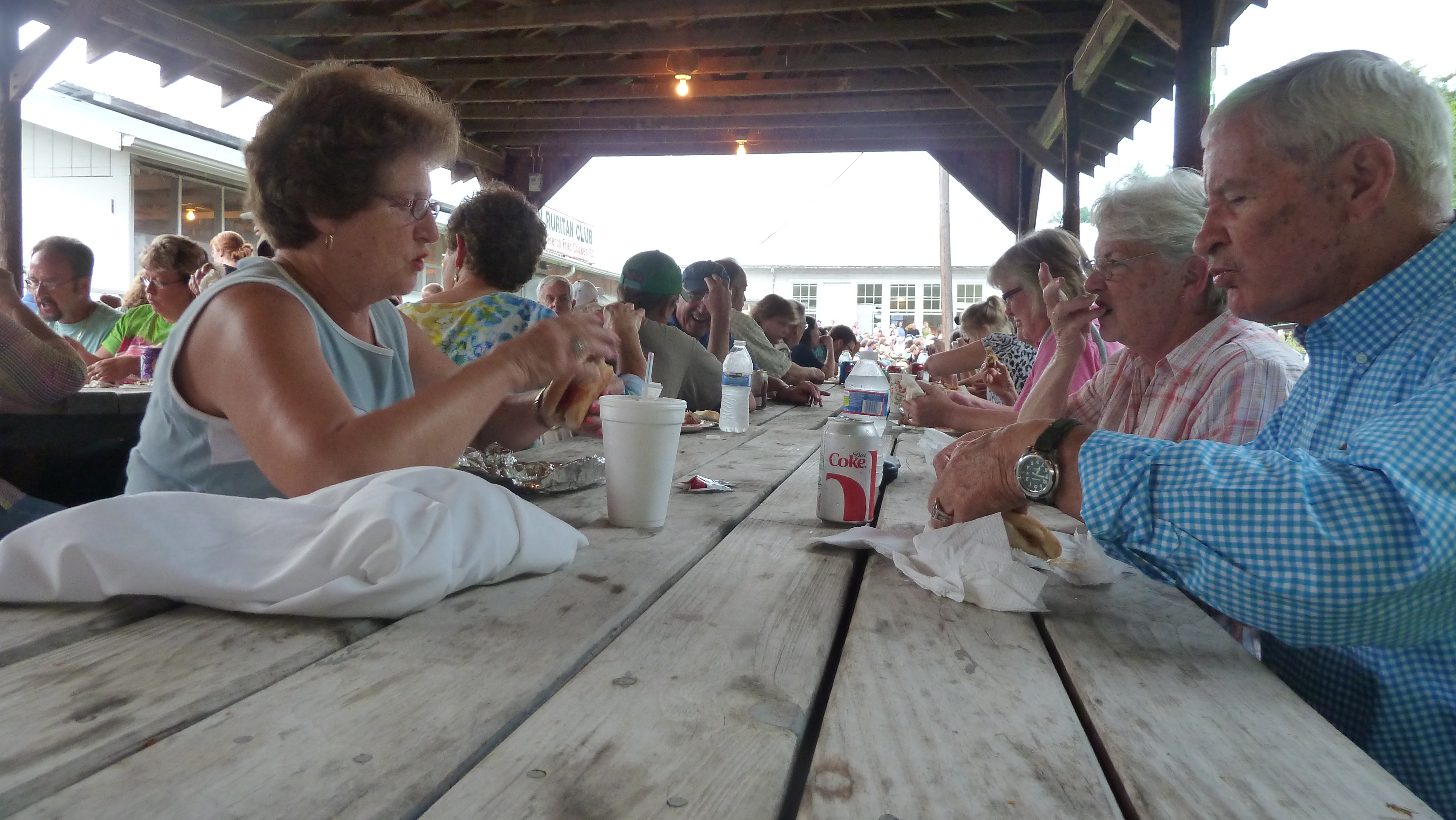 For seconds on eats there might be a country ham or tenderloin sandwich, or a hamburger or hot dog, all the better in the crisp mountain air.
Then dessert, later in the evening, maybe right before going home: shall it be ice cream, funnel cake, cotton candy or kettle corn? I’ve long since learned to be wise in these indulgences which sometimes wake you during the night.
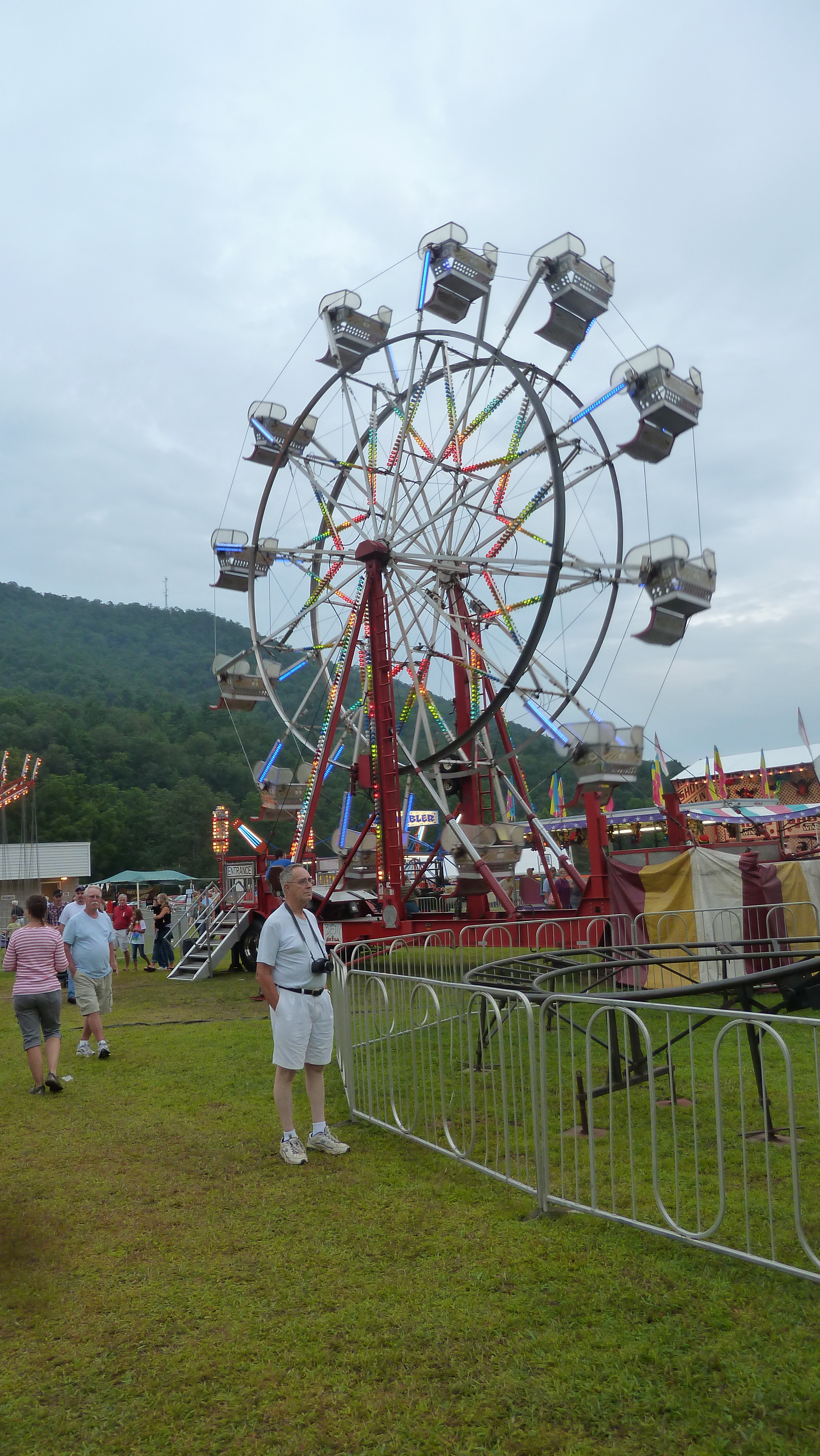
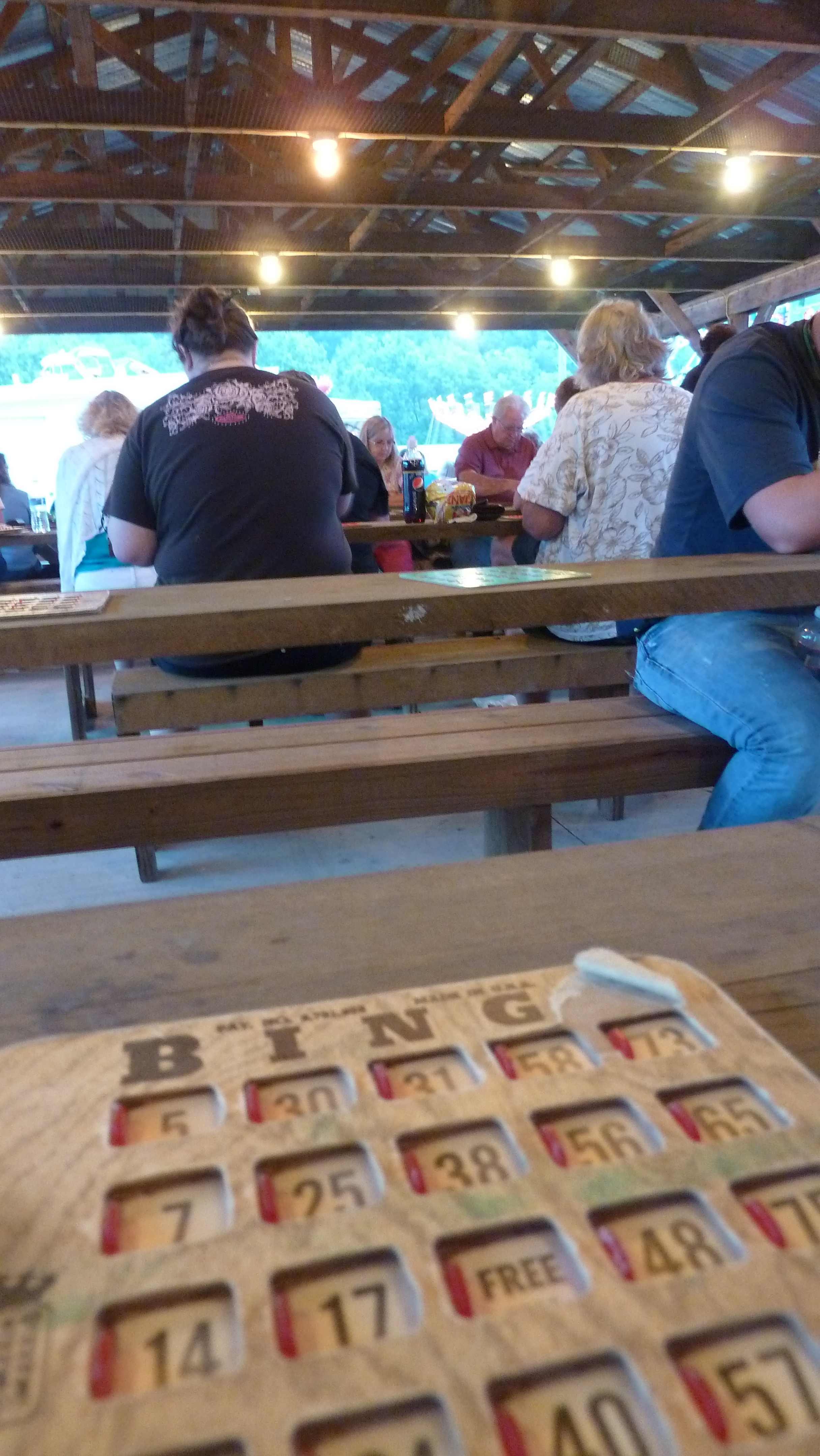
In earlier years of course, I’d supervise the kids on the rides, my husband chatting up the tractor, implement and outdoor woodstove dealers circling the grounds, I’d play a round or two of bingo. The coins flow at the booths and tables no matter how lean the year and who was just laid off. The money all goes to a good cause, they say, as they plunk down another quarter in hopes of winning a stuffed bear, or toss another dime for some discount store glass.
Fair season is just beginning in earnest in these parts. So go to your county fair, your state fair, your world’s fair (do they still have those?) but next year, pencil in August 5-9 in the Shenandoah Valley, just over the line from West Virginia (almost heaven), where the food is real and the people are too.
Just ya’all don’t all come at once or there won’t be room for ya’ll and they’ll run out of chicken and country ham early. That’s the only thing that will make for a bad night at Bergton Fair, our little fair of the heart.
***
The beauty of Bergton Fair, along with the prices, is that there’s not even a website, but here, here and here are a few pieces and photos others have snatched at the Bergton Fair.
In my book, Why Didn’t I Just Raise Radishes: Finding God in the Everyday, I wrote about Aunt Mae’s “Dinner plate dahlias” in a loving tribute to Uncle George’s wife, grown at the homestead in the hollow near Bergton Fair. In years past we would see both Aunt Mae and Uncle George lined up among the unofficial greeters you pass through when getting to the grounds.

This is a two parter: in my Another Way newspaper column today, I give most of the how-we-got-there-and-why of a stop at Hoover Dam while on a week traveling through some of southwest U.S. earlier this summer. Here I’m posting our photos of Hoover Dam and a (loose) connection to the grandfather I never knew.
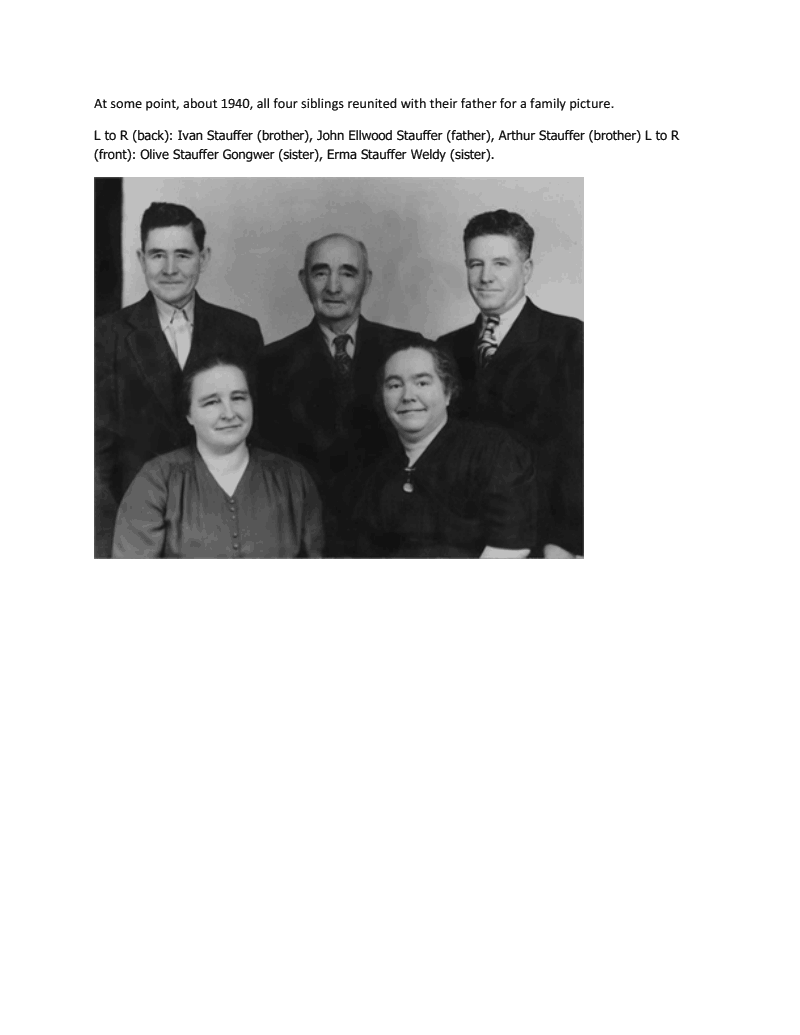
My grandpa on my mother’s side, Ivan Stauffer, was killed in a car accident when I was about seven months old. I’ve always wished I could have known the “Grandpa Stauffer” piece of my family history.
Originally called Boulder Dam, my mother says she remembers her father, Ivan, talking about the dam while she was growing up in northern Indiana. I figure anything that you remember your father talking about when you were young must have been something he talked about more than once.
This was the 1930s and like everyone else, they were struggling just to pay rent. Mom was born in 1924, so she would have been just seven years old when construction on the dam began in 1931 and 11 years old when the dam was dedicated in 1935. Had her dad ever thought about heading west with some 5,000 others to make what was a decent wage at the time, 50 cents to $1.25 an hour doing anything from carpenters helper (50 cents an hour) to shovel operator at $1.25 an hour (top pay)? The wages were not bad by 1930 standards, with $1.25 an hour equating roughly to a doctor’s wages then. I’m guessing the thought might have crossed my grandfather’s mind.

Workers on a jumbo rig used for drilling Hoover Dam’s tunnels.
I do know this from a note Mom wrote about dad in some reflections earlier:
“My dad made us fun things to play on, he was quite clever really. We always had most of the neighbor kids there to play ‘cause we had the fun stuff. My parents were poor but always had plenty of food and nice clothes because mother made them all. We were too poor for a phone in the 30s and always went up to my grandparents to call someone.”
More back story: Ivan’ s mother died when he was eight. When he was 12 in 1905, his father sent him to live with a Christian family who raised him well.
Meanwhile, Ivan’s father, John went to work on a farm in North Dakota and eventually moved in with another son, Eli, in Port Susan, Washington, where son, Arthur, also settled. So I don’t think it is a far stretch of the imagination for Ivan, given his penchant for coming up with clever toys for his kids during the depression probably had an adventurous, imaginative streak. He was likely fascinated by what he heard and read of the innovative building of the Hoover Dam. Later, a similar huge dam, the Grand Coulee Dam in Washington where his father and brothers were living, was built in the 40s.
In the 1920 census Ivan’s occupation was listed as being employed by Sidway Mercantile, a baby strollercarriage factory that operated in Elkhart County, Ind. By the 1930 census he was listed as farming, but he did not own the farm; his father-in-law did and according to some reports, Ivan was frequently told what to do by his father-in-law. His own father, John, came home to Indiana for a while but eventually died back in Washington state. The only time I remember meeting the “Washington” side of the family, Uncle Arthur, was on my own family’s six-weeks-long western trip in 1964. I’m so grateful to my daughter Michelle who researched some of these pieces of the family tree puzzle on Ancestry.com
I don’t want to make too much of this weak family connection, but the creativity and excitement that surrounded the build, as well as the terrible sacrifices of human life certainly caught my imagination in ways I had not expected. And I’m glad it made me go back and ponder more of my family tree.
This photo is from 1940, where my grandfather’s whole family was reunited. Ivan is in the far left corner in the back row. (Double click for caption and bigger view. Sorry about the funky framing.)
What do you wish you knew more about your family tree? What are the traces of stories you’ve tried to piece together? What do they hint about your background?
(And if you happen to know more about my grandfather’s history, don’t hesitate to send edits and corrections! This can be like Wikipedia–open to anyone’s additions!)
Photos from Hoover Dam
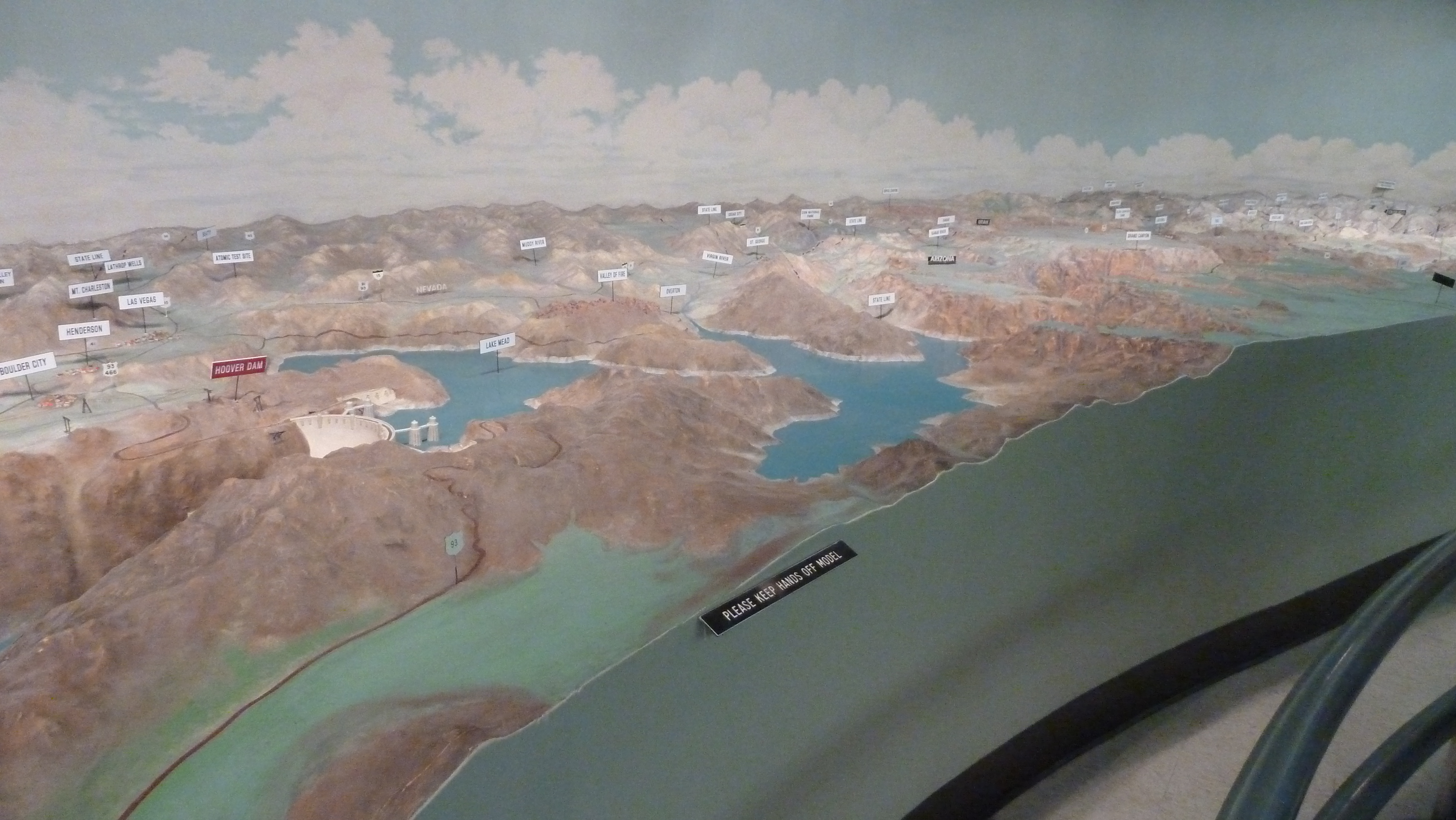
A small scale display of the seven state area impacted by the Hoover Dam water project which changed agriculture, industry and life for the southwest, even today.

Inside Hoover Dam, a view of some of the mammoth generators powered by the flow of water.
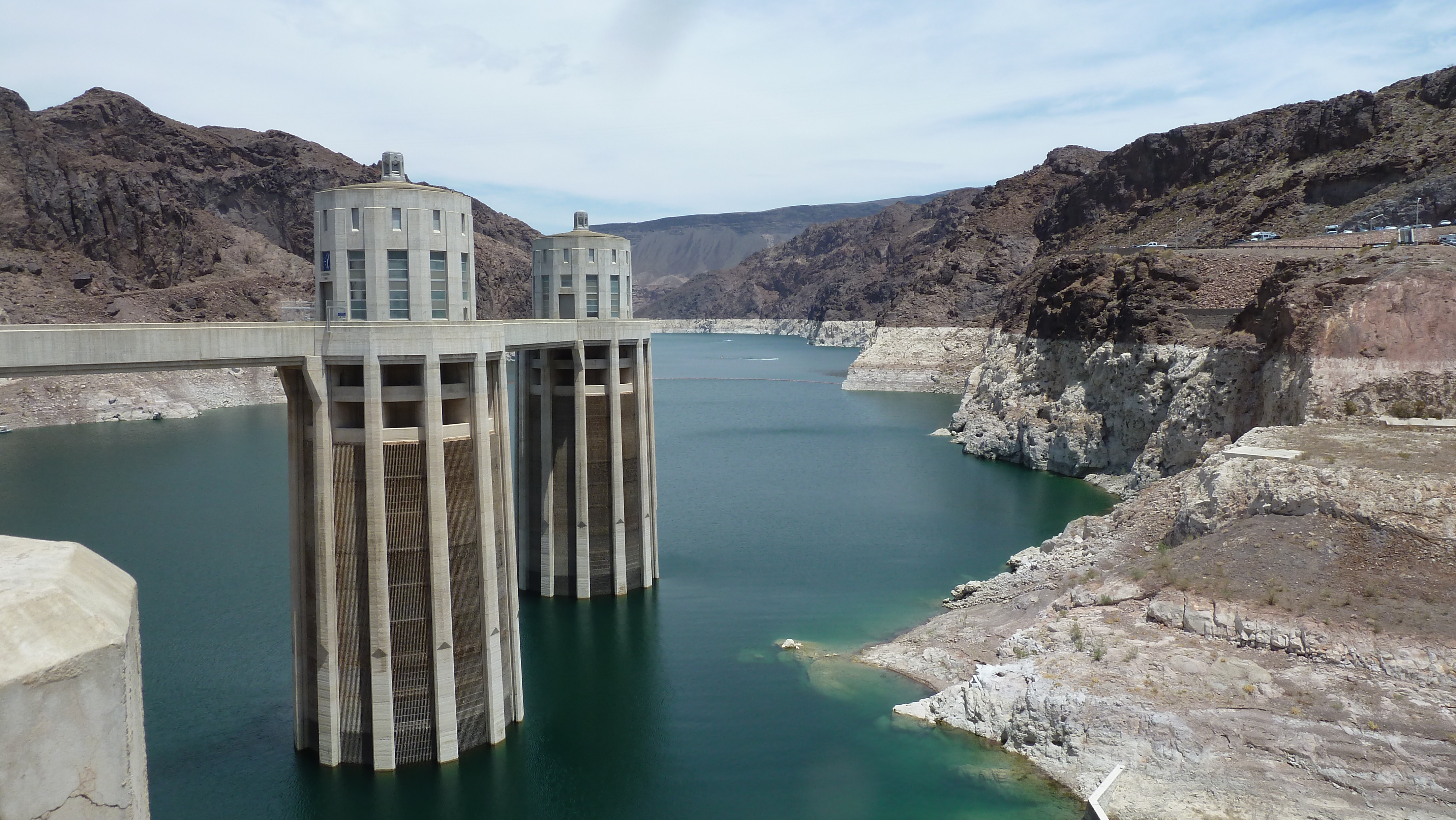
Lake Meade, created by the dam project, has receded to disturbing low levels.

That’s a lot of concrete; the creative folks who worked on the dam thought of innovative ways to dry all that out which allowed them to finish the project two years ahead of schedule.

My brother-in-law, Nolan and yours truly with a highway spanning the Colorado River in the background.
My daughter was home for three blessed weeks the middle of this summer, on a break from her grad school projects and studies in urban ecology.
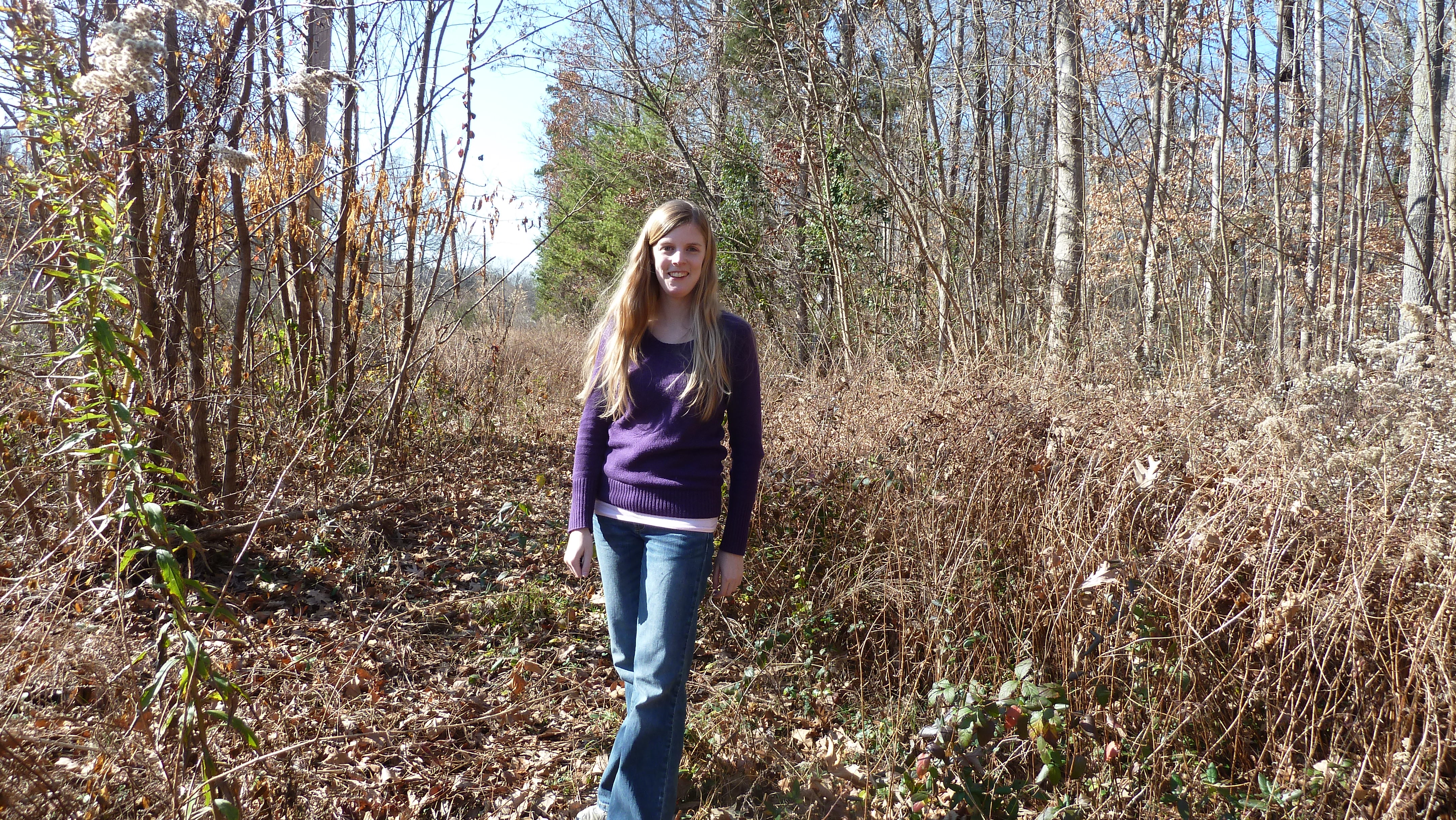
Doreen at one of her work sites for grad school, last fall.
She couldn’t have come at a better time for the garden and she actually kind of grooves on gardening, partly because of her interests in ecology. She whipped our garden into shape, especially the tomatoes which had started to run amok while I was on vacation (the amok dilemma I covered in detail a few years ago in this Another Way column). Her visit was also nicely timed with the beginning of our harvest of tomatoes and beans and corn and cucumbers and green peppers.

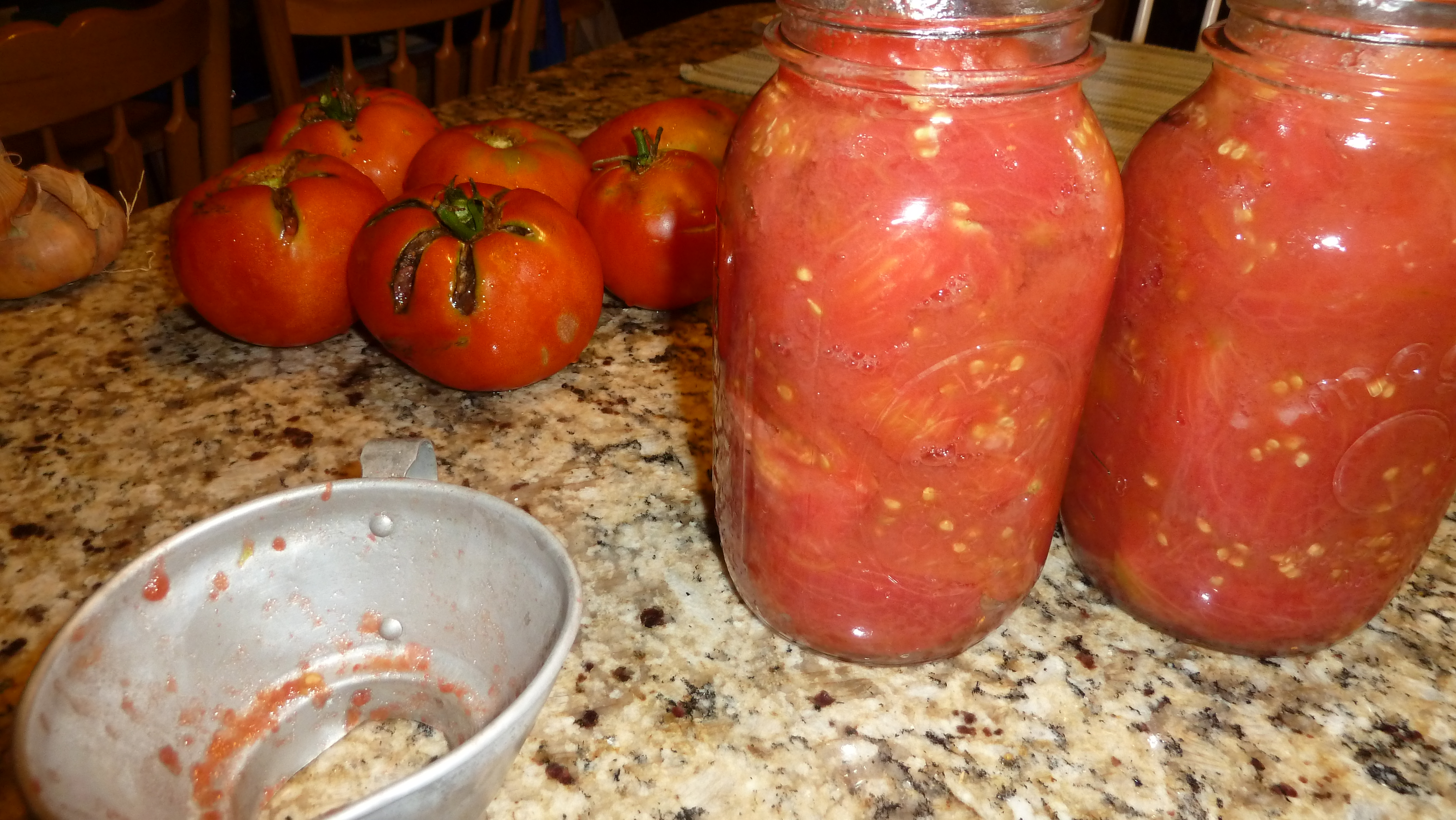


Canning and daughters (I’m sure if I’d had sons they would have helped too) has long been an honored tradition. But yesterday morning my mind was filled with melancholy because she was leaving to go back to school, and I was thinking about a woman named June Marie who died Aug. 2. My husband and I had gone to the family greeting time the night before. June was the wife of a man who had been my boss for 25 years as the director of Mennonite Media (and all the names it was called before that). I’m not actually sure how much gardening they did (Ken always implied they had stopped gardening because in drought years, nothing much grew and in good years, everyone was sneaking zucchinis into your car in the parking lot at church).
But June Marie’s granddaughters at least remembered and treasured the homemade applesauce she made and gave them. I couldn’t help but tear up as I worked thinking about all this, but I think the tears were also for myself. We get emotional thinking about legacies and how our children and grandchildren will remember us, don’t we? The poet John Doone alluded to this in his well known passage (originally written as prose, not poetry), “No Man is an Island” written in 1624:
“No man is an island, entire of itself, each is a piece of the continent, A part of the main. … Each man’s death diminishes me, For I am involved in mankind. Therefore, send not to know for whom the bell tolls, it tolls for thee.”
Canning is a wonderful “community” or family activity in terms of having at least one other helper, each of us a “piece of the continent” making faster work of the washing and chopping and snapping beans and cutting corn off the cob and peeling and what not. I admire those who organize getting bushels of peaches or apples and together producing pints and quarts of canned produce but our family efforts are mostly confined to the vegetables we raise and can or freeze.
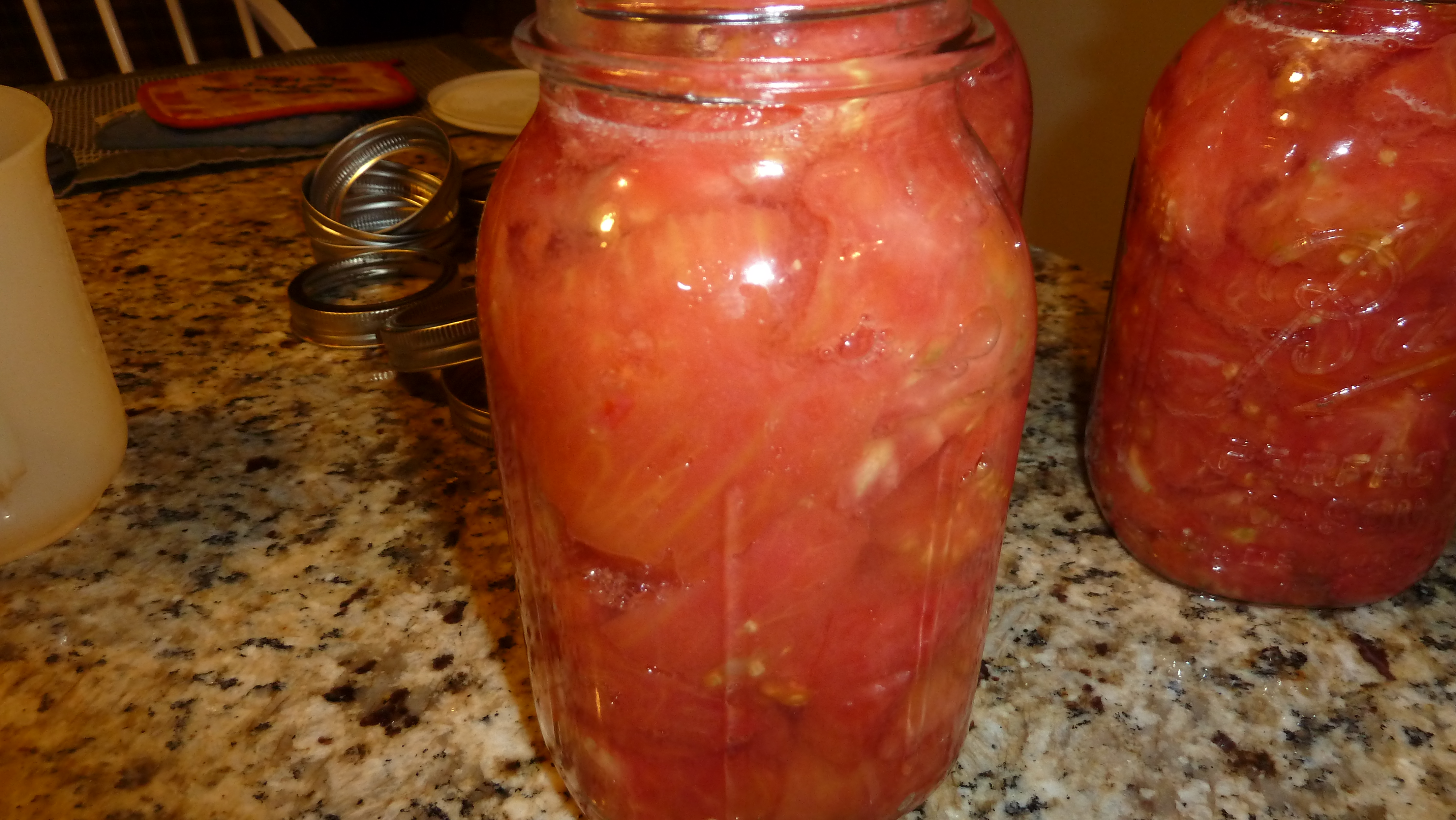
There is no more satisfying sound for a home gardener than the ping of a sealed jar after a long day’s work—which often runs far into the night (or early morning). I remember my mother getting up in the night to remove a boiler load of green beans (16 cans) that had boiled on the stove for three hours. Now that was hard work. I use a pressure canner which reduces the boiling time to a mere 25 minutes, but still, if you work away from home and have canning to do at night when you come home, you end up dealing with things at 11 p.m. or later. I wrote about the “ping” in my book, Whatever Happened to Dinner in a chapter on canning beans called “Waiting for the Ping,” excerpted briefly here (Herald Press, 2010, p. ):
[Children] even learn to appreciate the peculiar smell of green beans being canned by a home canner in the kitchen. To me the smell is evocative of home and family: not a pleasant smell like a fragrance, but simply unique.
I discovered how evocative it is for me the year after we moved to a new home. We didn’t plant a garden or do any canning the year we moved so it was a year later when I processed my first canner load of green beans in the new house. As the jars sat cooling on the counter, I waited for them to “ping” so I could finally crawl exhausted into bed. (The cans make a sound of “ping” as the lids seal, which happens as the cans cool.)
That distinctive smell came wafting back to our bedroom. I thought, “Now this really seems like home.” That was a good feeling. One of my daughters also confessed to liking the weird smell of freshly canned beans—I think for the same reason. It evokes harvest season, home, hearth, love, relationships.
So I guess I was teary for all of the reasons above.
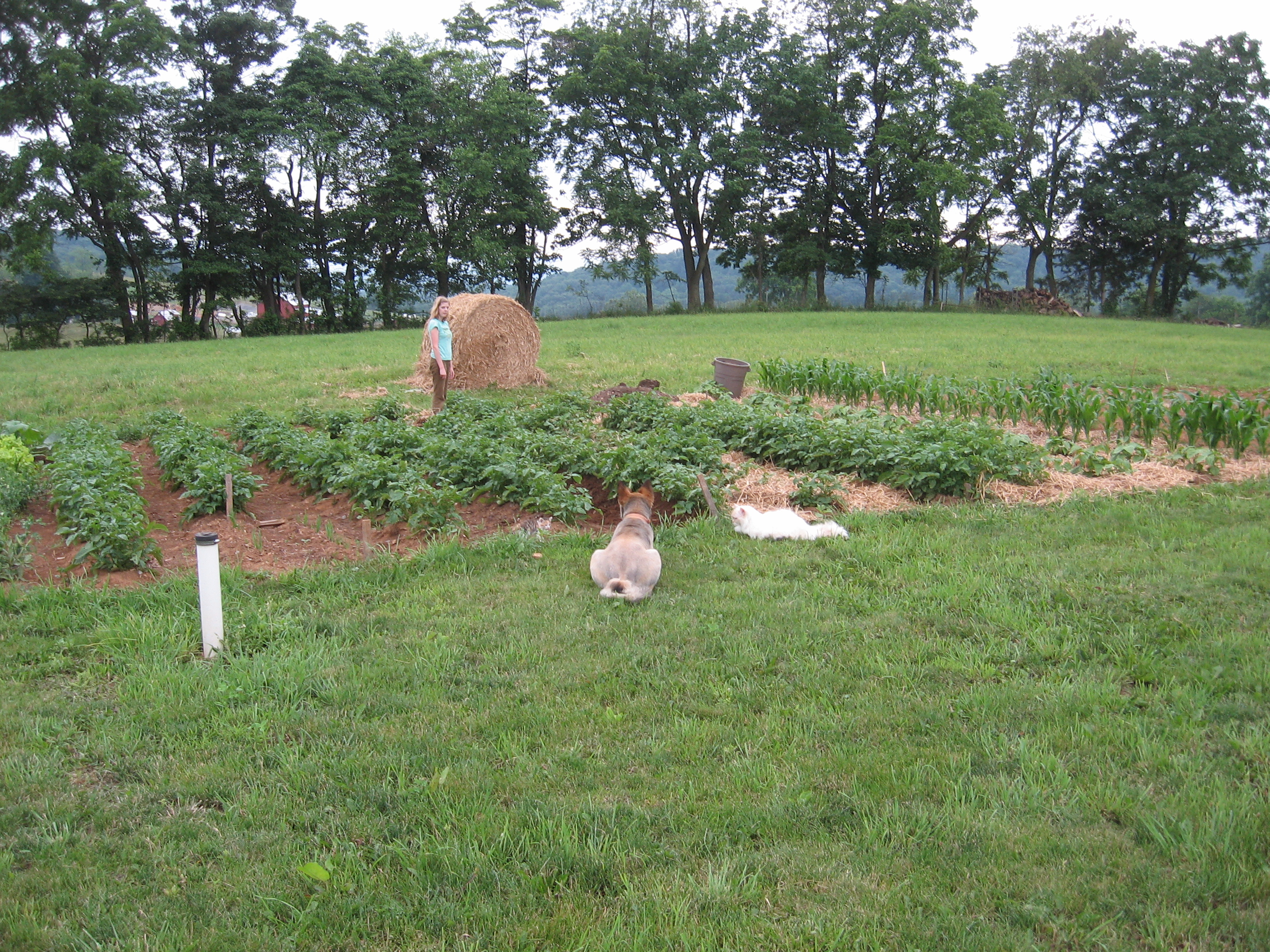
Doreen in the garden, (not this year). For fun, enlarge this picture (click click)
to see the standoff going on with the 3 animals in the photo.
When Doreen pruned our amok tomato vines this year we ended up with about a gallon of discarded green tomatoes. Here is a link to a recipe I should have tried with them (we ended up contributing them to our compost pile). From a guest column by Jodi Nisly Hertzler where she talks about end of summer gardening: Curried Green Tomatoes.
I also love swapping and sharing vegetables and recipes.

Here’s a can of pickles my friend Barbra brought me “like her mother used to make” in exchange for a load of cucumbers from my garden.
Do you like the weird smell of green beans as they are canned? Does preserving food evoke any strong family memories for you (good or bad)? Do you have any favorite canning recipes to share?
***
A variation of the green tomatoes recipe is also included in the Whatever Happened to Dinner book, on sale until Aug. 18 at the “Summer Harvest Sale” (30% off (along with a bunch of other recipe books) including the two highlighted below at http://store.mennomedia.org/
- Saving the Seasons: How to Can, Freeze or Dry Almost Anything, written and compiled by a mother/daughter team, Mary Clemens Meyer and Susanna Meyer.
- Simply in Season has oodles of recipes collected by Mary Beth Lind and Cathleen Hockman Wert on using food purchased or grown locally and in season.
For hardcore community canning, off grid no less, check here!
For a nostalgic look at “canning with daughters” check here.
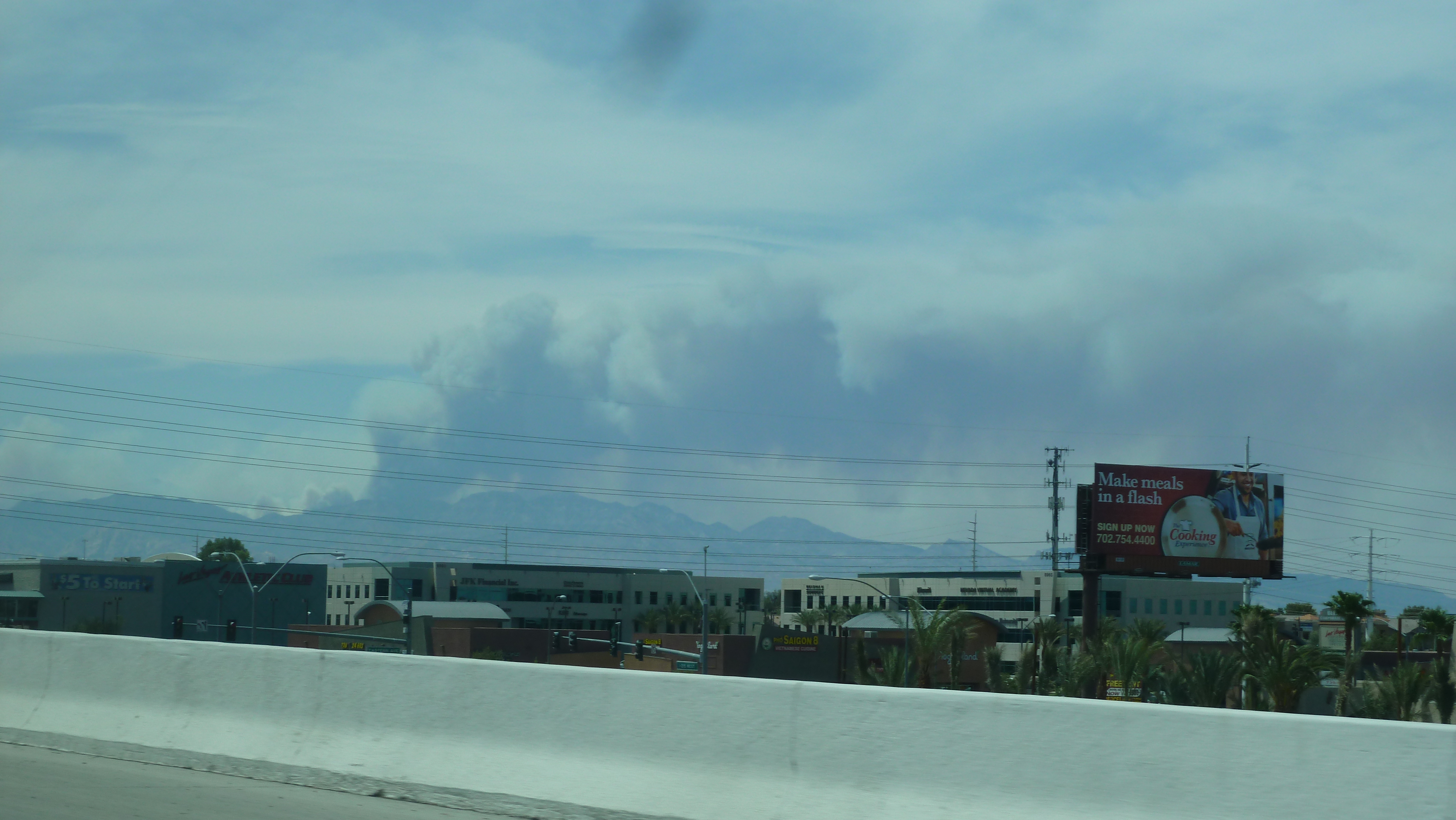
There was an ominous cloud of smoke from a wild fire hanging over the outline of Las Vegas, Nevada
as we approached it from across the desert.
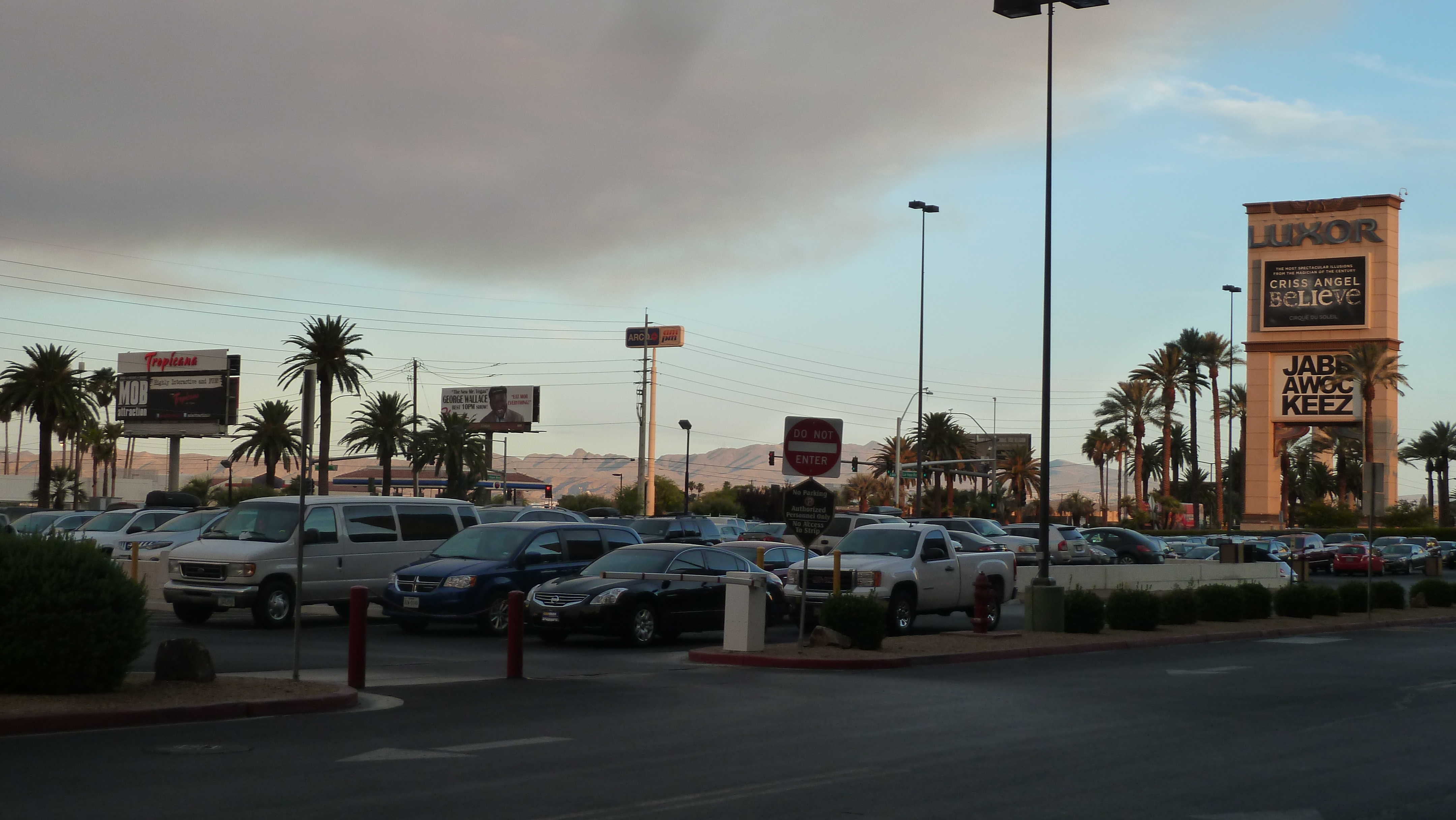
I should have taken it as an omen.
Flashbacks to evangelist descriptions of Sodom or Nineveh burning flitted through my mind.
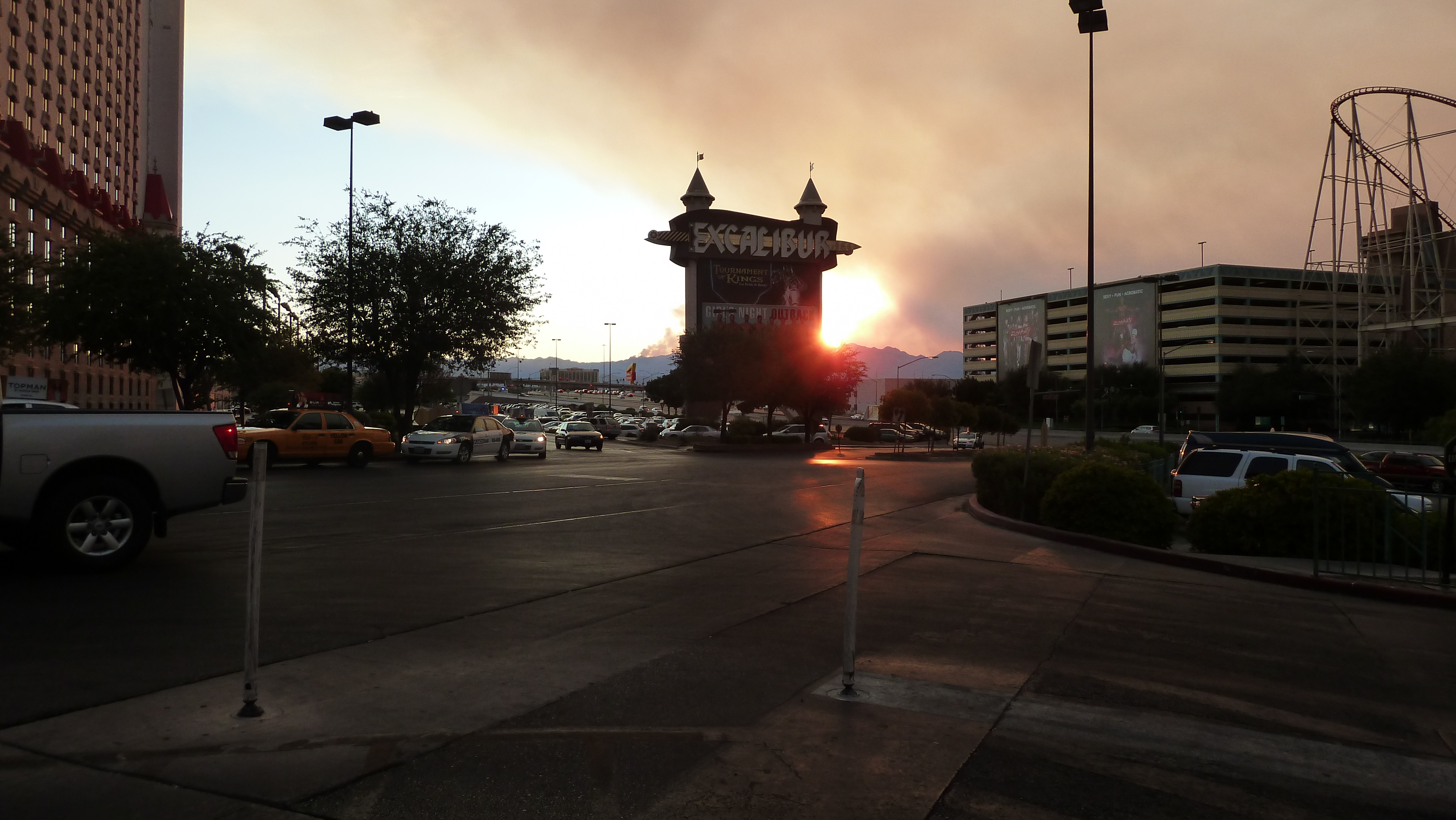
What was I, a good Mennonite-Presbyterian doing in sin city?
My long anticipated exciting night in Vegas on our recent western trip–us and his brother–had come down to eating Popeye’s chicken in our hotel room. With only water to drink. (See here for other blog and Another Way column pieces on this trip.)
Popeye’s chicken? Isn’t that about the bottom feeder of the fast food industry? We were staying in Excalibur, one of the famous whimsical but cheesy hotels along the famous Vegas strip, so it wasn’t like we were in a low rent suburban motel with no better options nearby.

My husband may want this secret to stay in Vegas.
I must have looked a little crestfallen when I was sitting at the table in our room waiting for his brother to join us. Stuart looked at me earnestly and asked “Is everything all right?” like a worried groom on his honeymoon.
Well, it wasn’t exactly the romantic evening I’d dreamed of so I just mumbled something like “Sure.”
How had it come to this?
I thought I wanted to go to Las Vegas to know what it was all about. I thought I wanted to watch people around a gaming table, maybe play a few slot machines, flirt with my husband, enjoy an evening out.
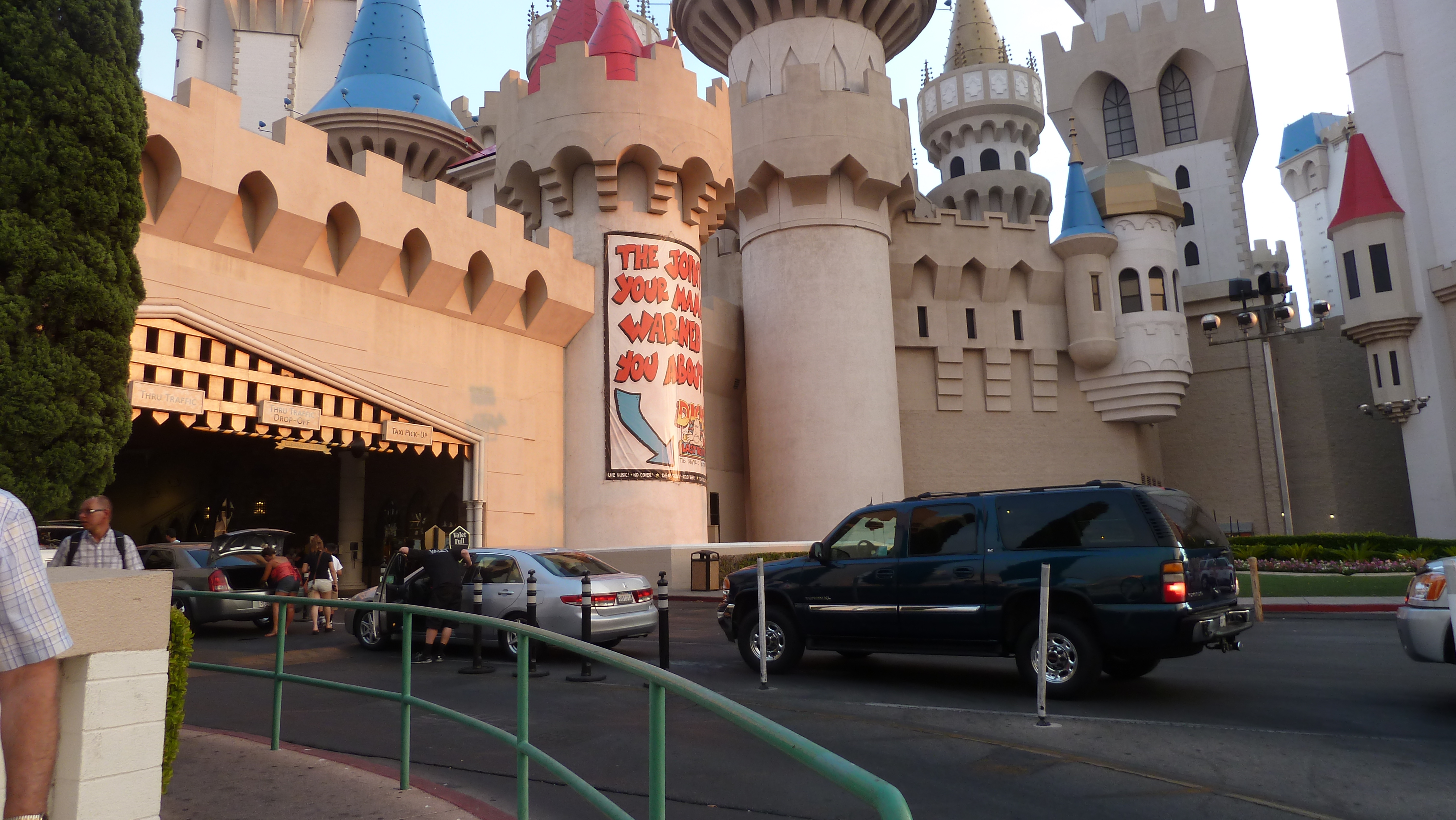
It didn’t start out well. We found our hotel ok but that was just the beginning of navigating an immense hotel complex and casino where even once you walked into the lobby, you couldn’t find the registration desk. Our party of three decided to split up (often a dumb idea, especially when one doesn’t have a cell phone), with my brother-in-law and I scouting out where to check in while my husband was to find a parking place. Well, truly it was overwhelming and when we finally found the registration desk, there was a line of about 50 people waiting to check in, the middle of the afternoon. On a Tuesday.
But the room was the cheapest of our trip and my spirits were somewhat buoyed by the book of coupons we received upon check in. I had always heard about the great buffet deals you could score in the hotels because everyone said the casinos hoped to make serious money off of the gaming tables. But the coupon book had print so tiny we couldn’t read it without great effort—and we were by far not the oldest customers there! There was a lot of switcheroo going on—we went to one restaurant venue in our hotel only to find it wasn’t the venue honoring that coupon and some of the deals were $20 off IF you spent $100 on your meal for two. Not even I was willing to put down that kind of cash for a meal in Vegas.
There was a food court for the bottom feeders so the guys, also disappointed but wanting to make the best of it, decided they had “always wanted to try Popeyes” and we thought we’d eat in the food court but when our standard drink of water was only available in bottles for $3.50 each, the guys thought it best to just carry our food back to our room where we already had bottled water in our ice chest. Since it was a food court I should have picked up Chinese or something a little more exotic, but then the bucket of chicken would have not been as much of a deal. Call us cheap or frugal or living more with less.
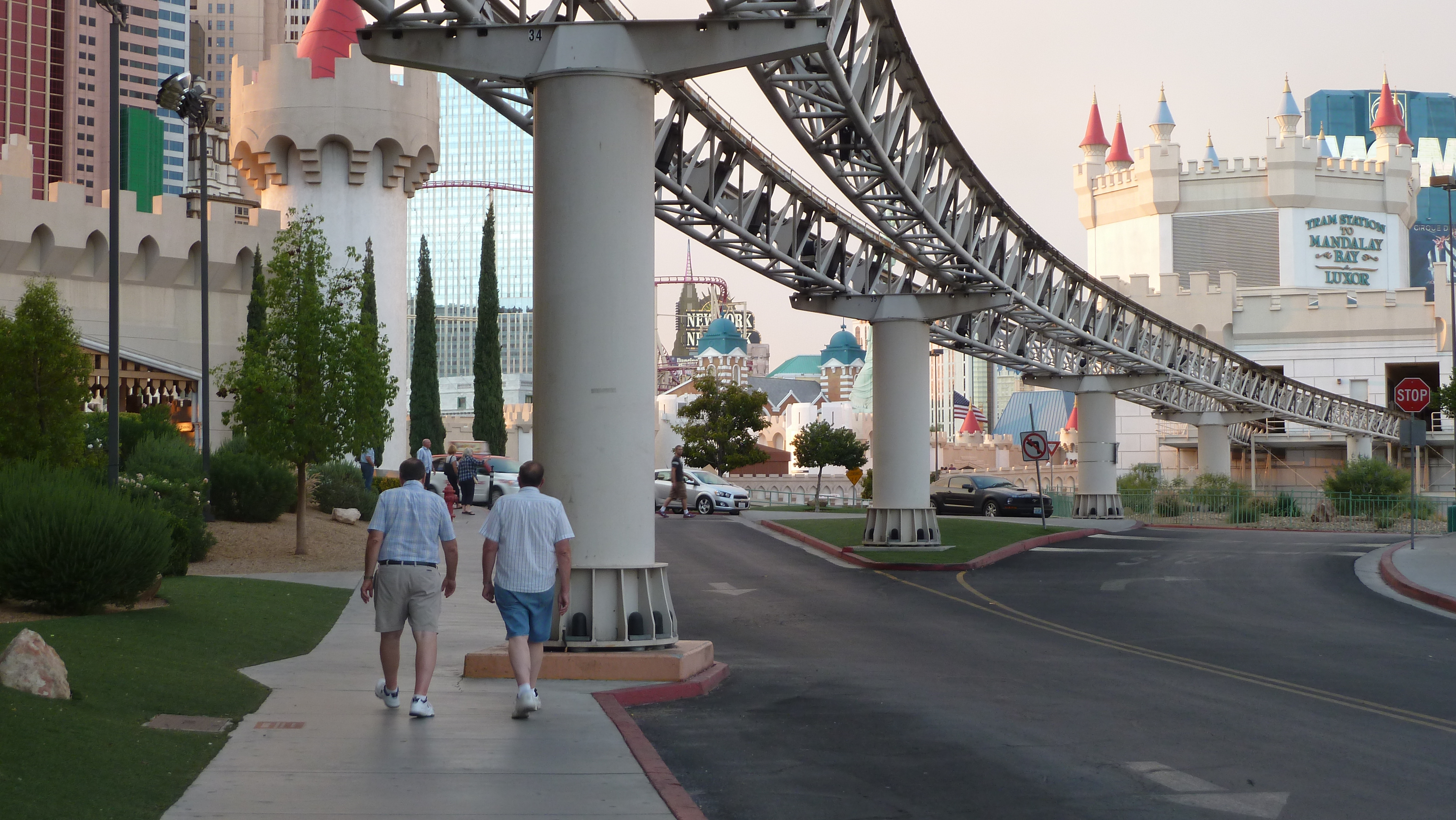
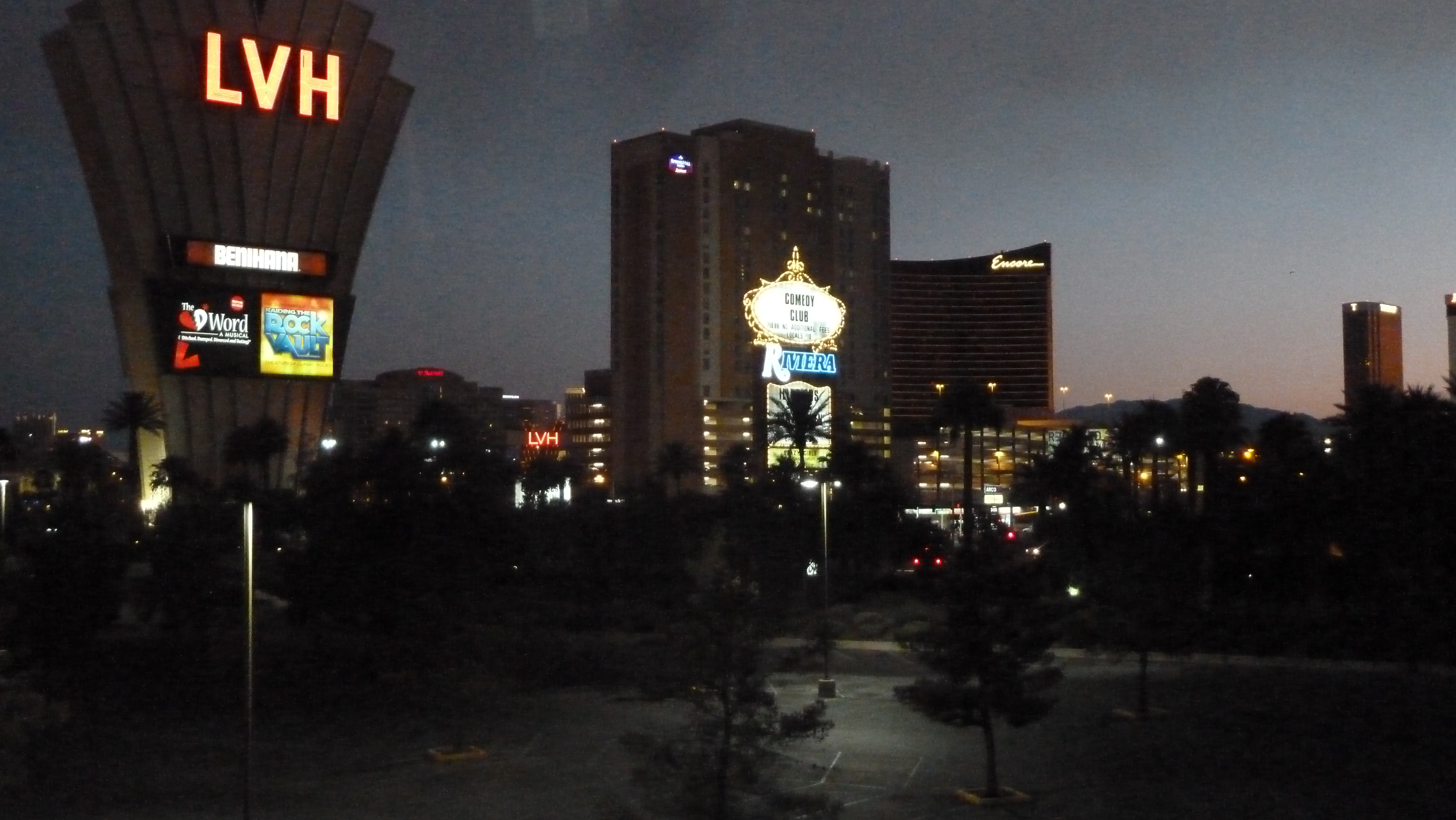
So it won’t surprise you that our evening’s entertainment consisted of riding the Monorail two times along the strip because once you paid your fare, you could stay on it and ride all night if you felt like it.
I got over it. The chicken wasn’t bad and yes we finally did enjoy a lovely dinner out at a Black Angus steak house two nights later in Bakersfield, Calif. with superb prime rib, tasty salad and sides, and a to-die-for free dessert special.
We decided we were truly nature lovers at heart: give us the mountains, the desert, the beach, the river, the forests, the hills, the meadows. I can enjoy cities a lot but Vegas was a little too much, too overwhelming to try and cope with in one night with little orientation.
The whole trip was a huge splurge for country kids so I just appreciated my husband indulging my travel addiction and in the end, I didn’t really want to fritter away our hard earned cash in a slot machine either.
We’ve been working at finding harmony for over 37 years now. Maybe the only sin I committed in sin city was envy.
***
*John Calvin is known as founder of the Presbyterian or Reformed churches. Menno Simons was an early Anabaptist leader whose followers gradually became known as Mennonites. I’ve been a card carrying Presbyterian for 33 years. I’ve been an “ethnic” Mennonite since birth.
Those who trust in the Lord are like Mount Zion, which cannot be shaken but endures forever. As the mountains surround Jerusalem, so the Lord surrounds God’s people both now and forevermore. Psalm 125:1-2
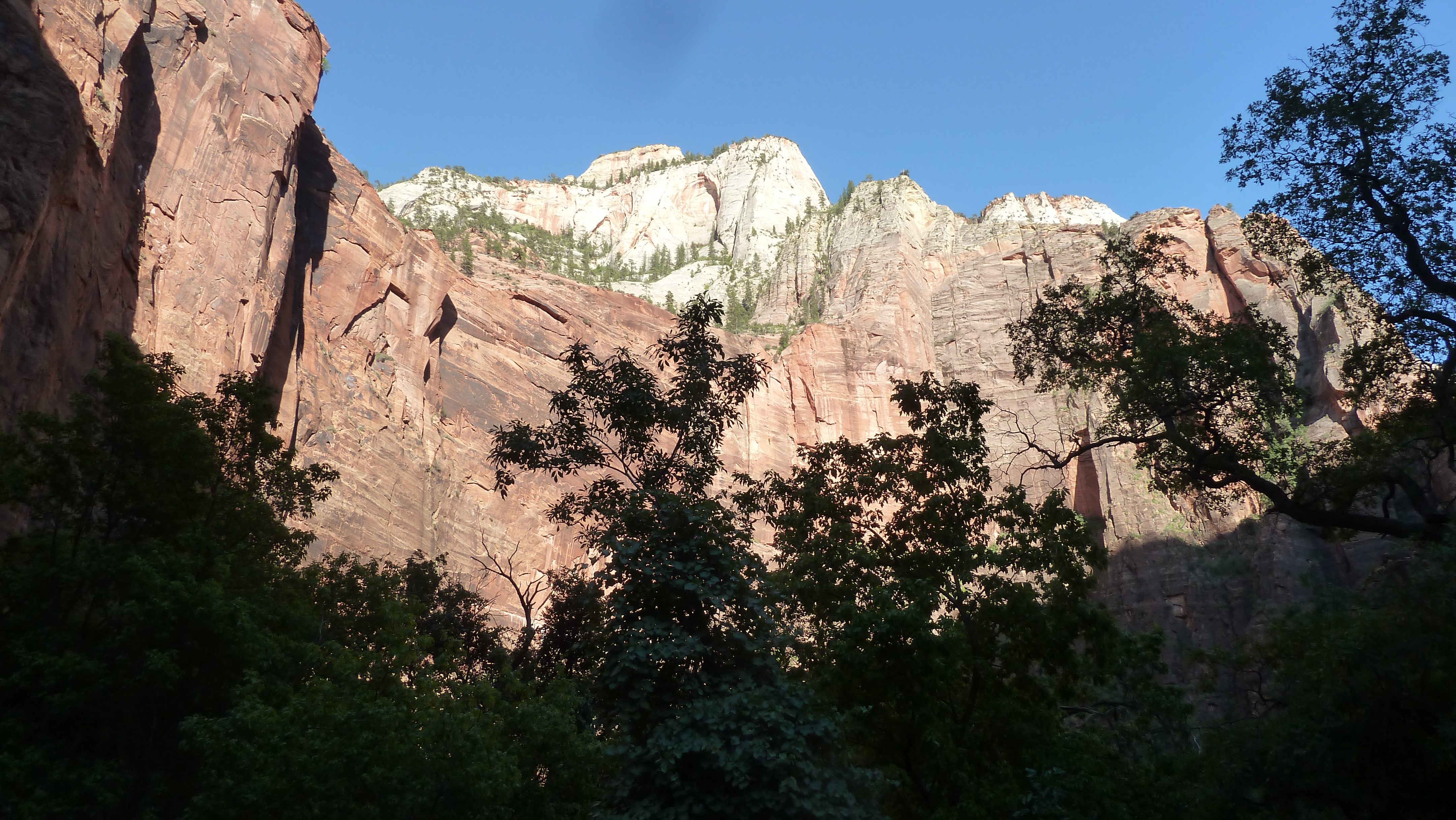
I’d never been to Zion National Park in southwestern Utah so I was excited to see a new park and hit a new state on our recent Western trip. It wasn’t until we were actually in Zion that I realized that whoever named Zion and its various mountains and formations, truly had religious significance in mind.


Views along the road entering the park, including through an old tunnel.
In the 1860s, early Mormon pioneers arrived in the area. Even though the surrounding area is desert-like, the Virgin River flowing through the area and terraced ground made it habitable for these pioneers who settled the area and farmed the river terraces. So water, diverse vegetation, rich red formations and trees—and frequent azure skies make the park a colorful and vibrant sanctuary. Something to just enter, enjoy, and say little—letting the witness of the ages bless your spirit. The park literature used words like “haven” and “sanctuary,” and I like that. In that light, I’ll write less and mostly just post some of my favorite photos of the park.

Aspen, cotton wood, fir and less common trees lined the river bottom. Part of the park is open to shuttle buses only (which are free) during the busy summer season (roughly spring through fall) which made meant none of us had to drive and we could just gaze and absorb.

Court of the Patriarchs
Names of mountains or formations like Altar of Sacrifice, West Temple, Court of the Patriarchs, The Grotto, The Great White Throne, Temple of Sinawava, Mountain of Mystery, South Guardian Angle, Tabernacle Drive, all bring to mind Old Testament religious significance.

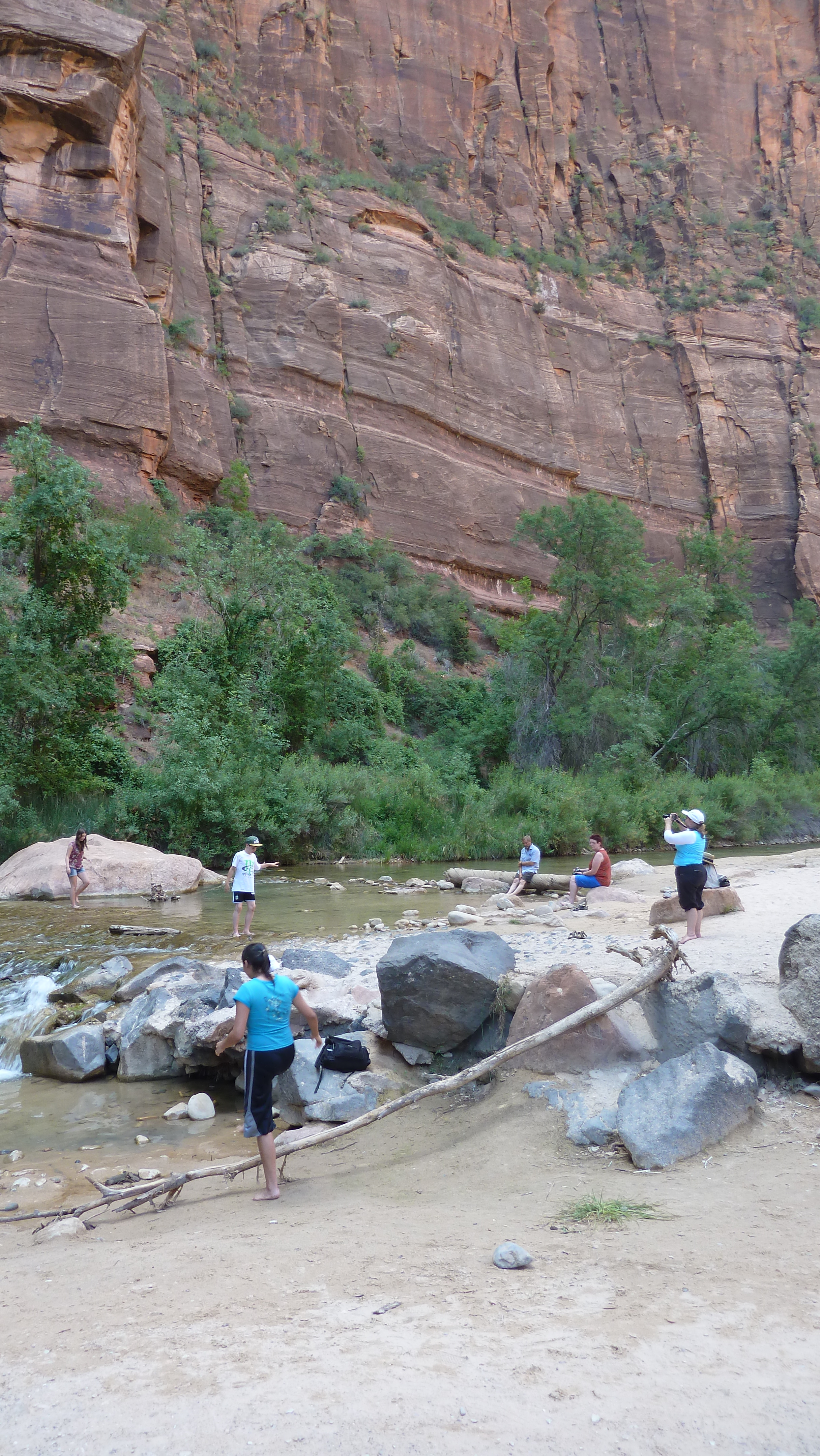

We were able to follow Riverside Walk back what they call “The Narrows” where the canon gets, obviously, more and more narrow and the coolness of the rock allows climbers to test their endurance up its walls—and we were able to spy one such on a distant wall. Our own hike was not strenuous but I loved being able to really see some of the inner depths of the park. My park brochure says that “stratigraphy, the study of rock layers, reveals rocks formed in environments as varied as sand dunes and shallow sea bottoms.” The various layers of colors and lines all have significance in Zion.


It was indeed a haven that I’m thankful to have had the opportunity to experience and share here, and to remember God’s promise, “The Lord surrounds God’s people both now and forevermore.”

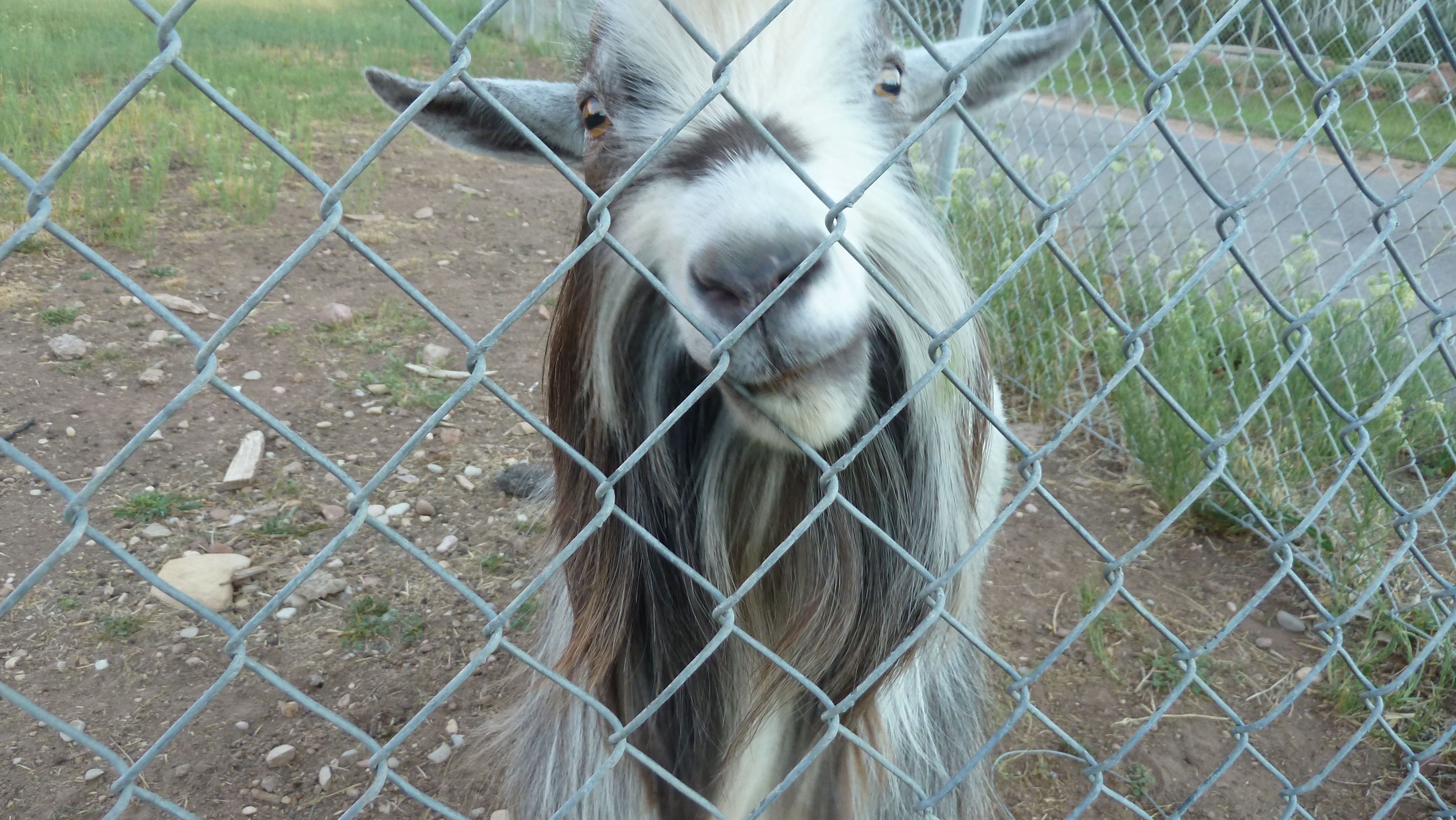
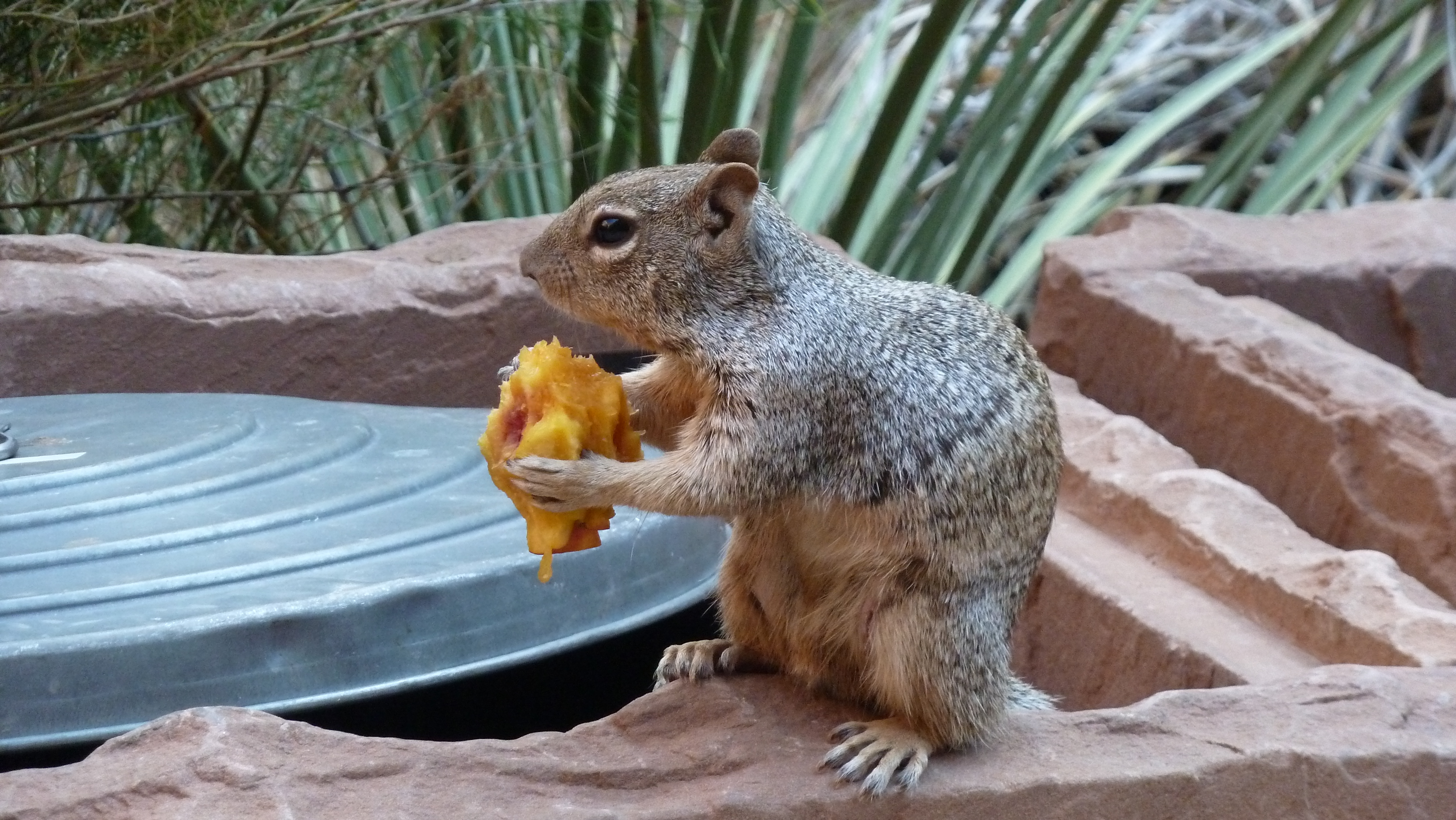
View from our motel, Bumbleberry, in the nearby town of Springdale. I was delighted to find goats and chickens inviting me to talk to them. Mr. Squirrel was enjoying the remains of a peach in Zion Park.
This blog post is part of a “MennoNerds” blog series on how families deal with grief, death and loss. #MennoNerdsOnLoss
The recent tragic death of Cory Monteith (star on Glee) put the show’s writers and producers into the dilemma of how they needed to rethink the next season and “rewrite the scripts” for some of their fall opening shows.
Those words made me think of how my own mother is rewriting the script for how our family deals with her eventual moving on to another world/dimension/reality/heaven. Mom turns 89 on July 30 and we hope to have her another ten or more years but I’ve been touched by her forward thinking and modeling.
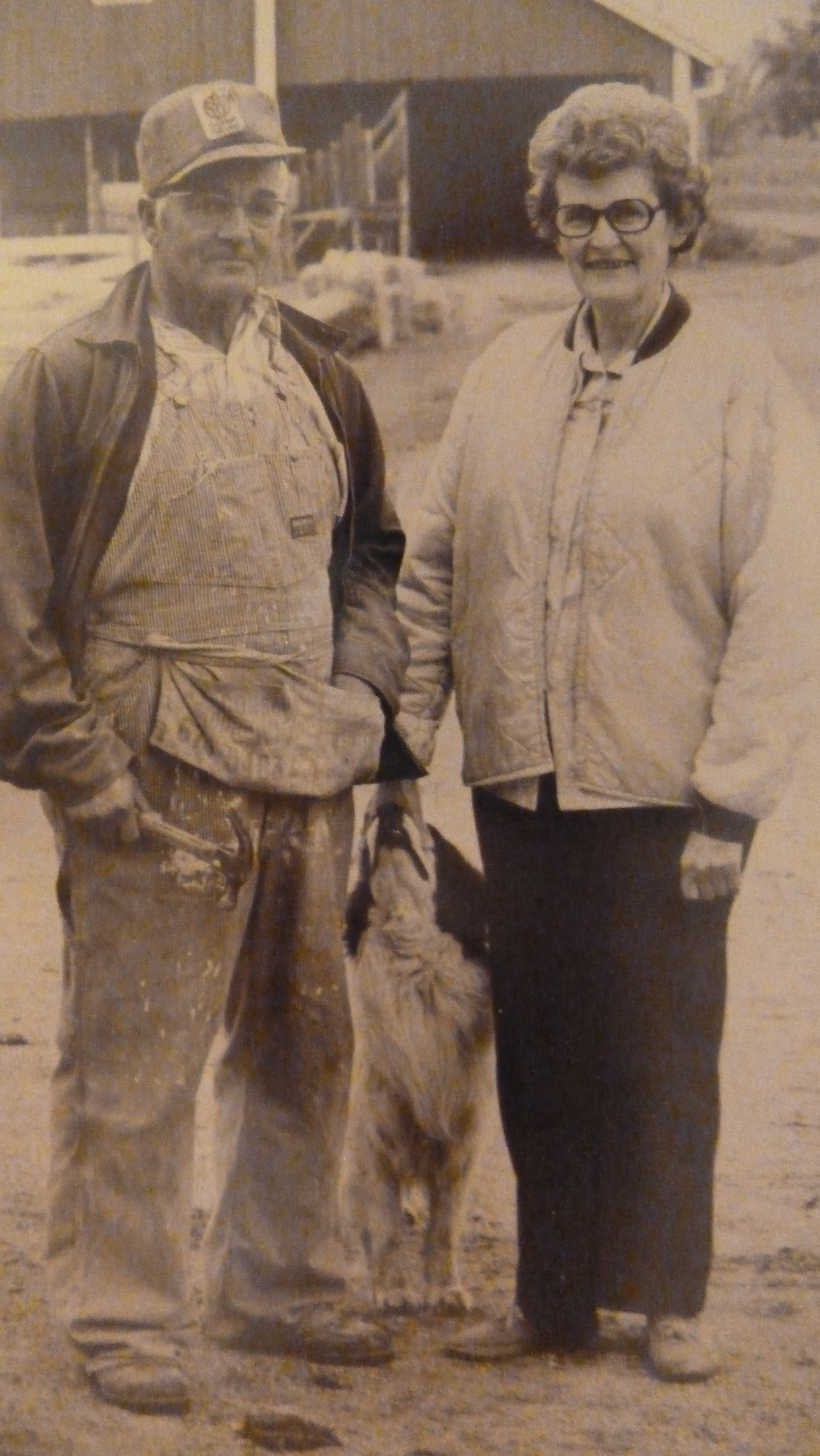
Dad and Mom on the farm with faithful dog, Buster. Photo by (then) Mennonite Board of Missions for Sent magazine on Mom and Dad serving in the SOOP program in South Texas in the 80s.
Soon after my dad died in 2006 from complications of diabetes, Mom informed us that she was checking into what it would mean for her to donate her body to science. Not just her organs, her whole body, to a medical school program for research. They had discussed the possibility for him but never made clear plans, but now she wanted to follow through for herself. Dear mom has grown increasingly and surprisingly “progressive” in her later years in many (but not all) ways.
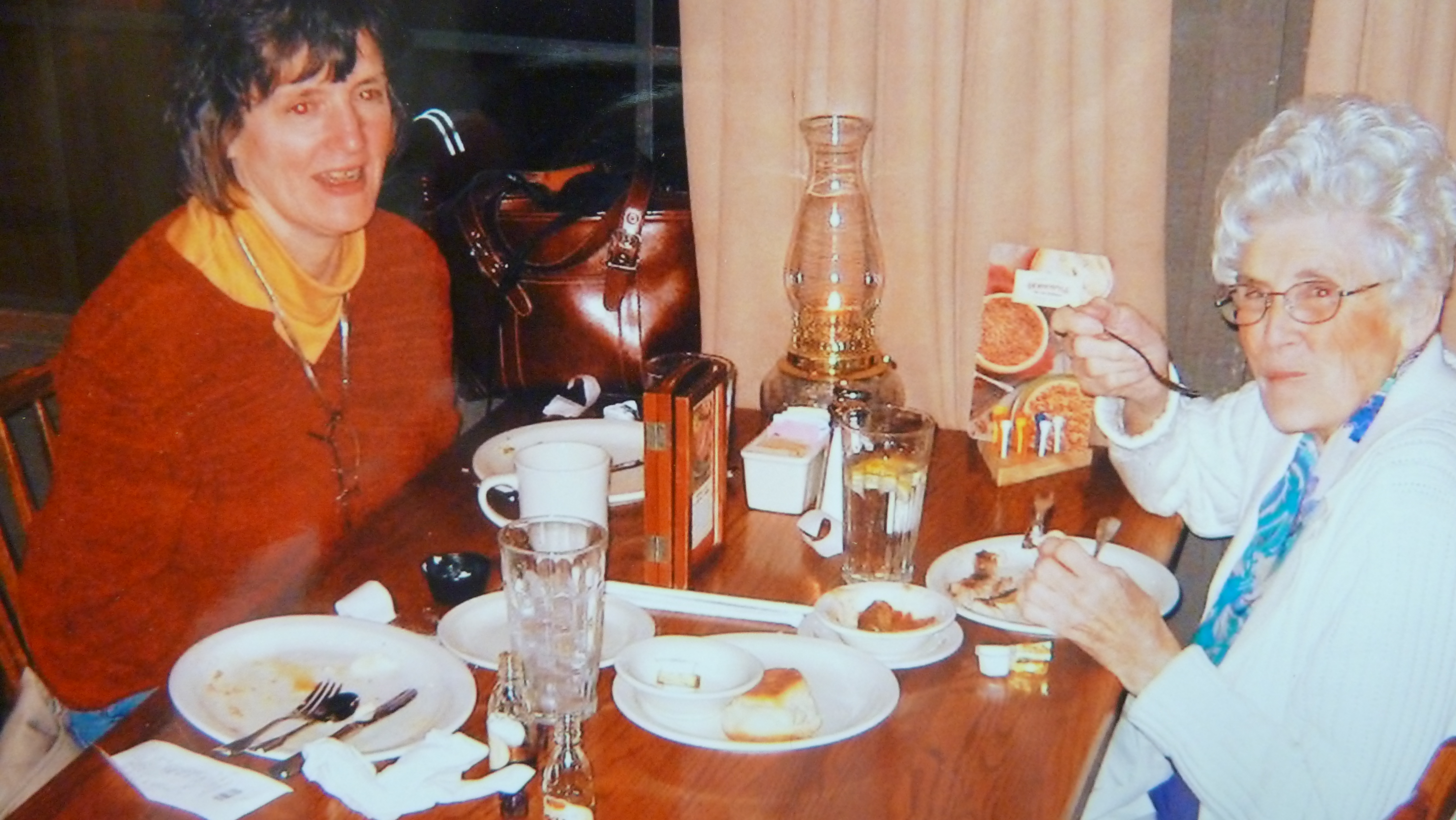
Me and Mom at one of her favorite restaurants, Cracker Barrel.
At some point, my sister who handles most of these types of issues for my mother (each sibling tends to have their own special niche or role, right?), suggested she put her wishes on this topic in writing for the sake of family harmony. Through discussion and drafts, earlier this year I helped her write a letter, put mostly in her own words, parts of which I’ve included below with her permission:
“Dear children, I wanted to let you know what I’ve been thinking and taking care of regarding details after I die. I hope that is not for a long time but even before your Dad died, we had discussed and sent for information from Indiana University’s bodies for science program (official name is Anatomical Education Program). We had heard of others who did this partly as a way to save money and the costs of burying and funeral home expenses, but also because it is something I want to do for the good of other people.
This decision did not come lightly; I have thought about it over the years since then after getting information and recently signed papers (using witnesses from my building here at Juniper) that I want by body to go to I.U. soon after my death. They use it in their educational programs for 18 months to 2 years and then return the ashes to the family, which is what I want. I believe that the Bible teaches “from dust we are and to dust we will return” and there is nothing special about our bodies, but about the soul that lives within us. We will have a new form or spirit in heaven. Daddy and I both felt that as soon as we die our souls are “together with the Lord” forever. If I can contribute something useful to research and science by giving my body as a final act of my stewardship and service for God, I want to do that.
I have worked with Pert to work out the details and she has a packet of information with a phone number to be called after my death and I.U. is supposed to arrange to pick up my body, usually within 3-4 hours; the only way they’ll turn my donation down is if I’ve had an infectious disease of have some kind, or large open wound, and I understand that. (And I want it to be known that if for any reason my body is not accepted for the program, I still want to be cremated with a memorial service, no viewing of the body etc. I.U. also takes care of filing a death certificate, sending out an obituary, notifying social security, etc., just like a funeral home would, but because there would be no funeral home involved, we will avoid that expense.)
… [she included more details about services etc.]
I hope you will understand this and can feel good about this donation. I want to help advance medical knowledge for the good of others who live on. Much love, Mom.”
I haven’t quite gotten to the place where I would follow her example, and this may not “be for you” –but I share it in love and respect for my mom who I admire for making this decision and taking the steps necessary to deal with what is a difficult topic for many of us. My own husband and I have batted around ideas about what we want to happen, but taking the time and emotional energy to really discuss it with our children is not something that just happens; you have to plan for it.
Having plans for the immediate aftermath—especially in the case of an elderly loved one—can ease the grief, pain, and loss for the family.
Love you, Mom, for your courageous example in so many ways and willingness to rewrite the script.
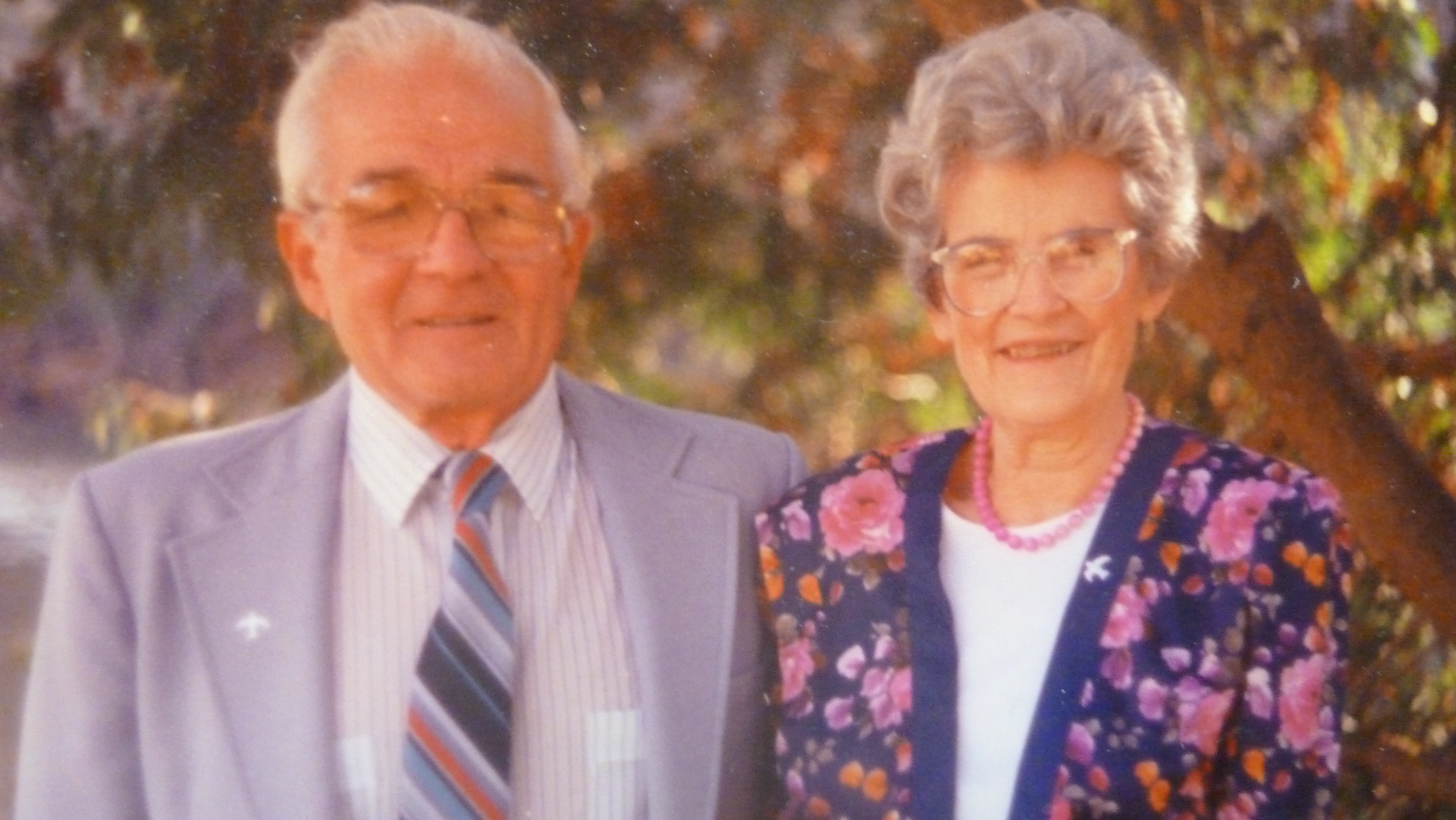

Top: One of my fav photos of Mom and Dad circa 1995. Bottom: Mother discussing family history with our oldest daughter and family historian, Michelle.
What plans have you or your loved ones made? Feel free to use any part of Mom’s family letter above in addressing these questions with your family.
Another resource the readers of Another Way column helped me create a few years ago is called Loving Legacy. This short folder is designed to help parents and adult children deal with the issues not covered in other documents for the aging years, such as “Tell me when to stop driving” or “Tell me when it is not safe for me to live by myself.” You can get a PDF copy here or comment and ask for a free printed copy by mail.
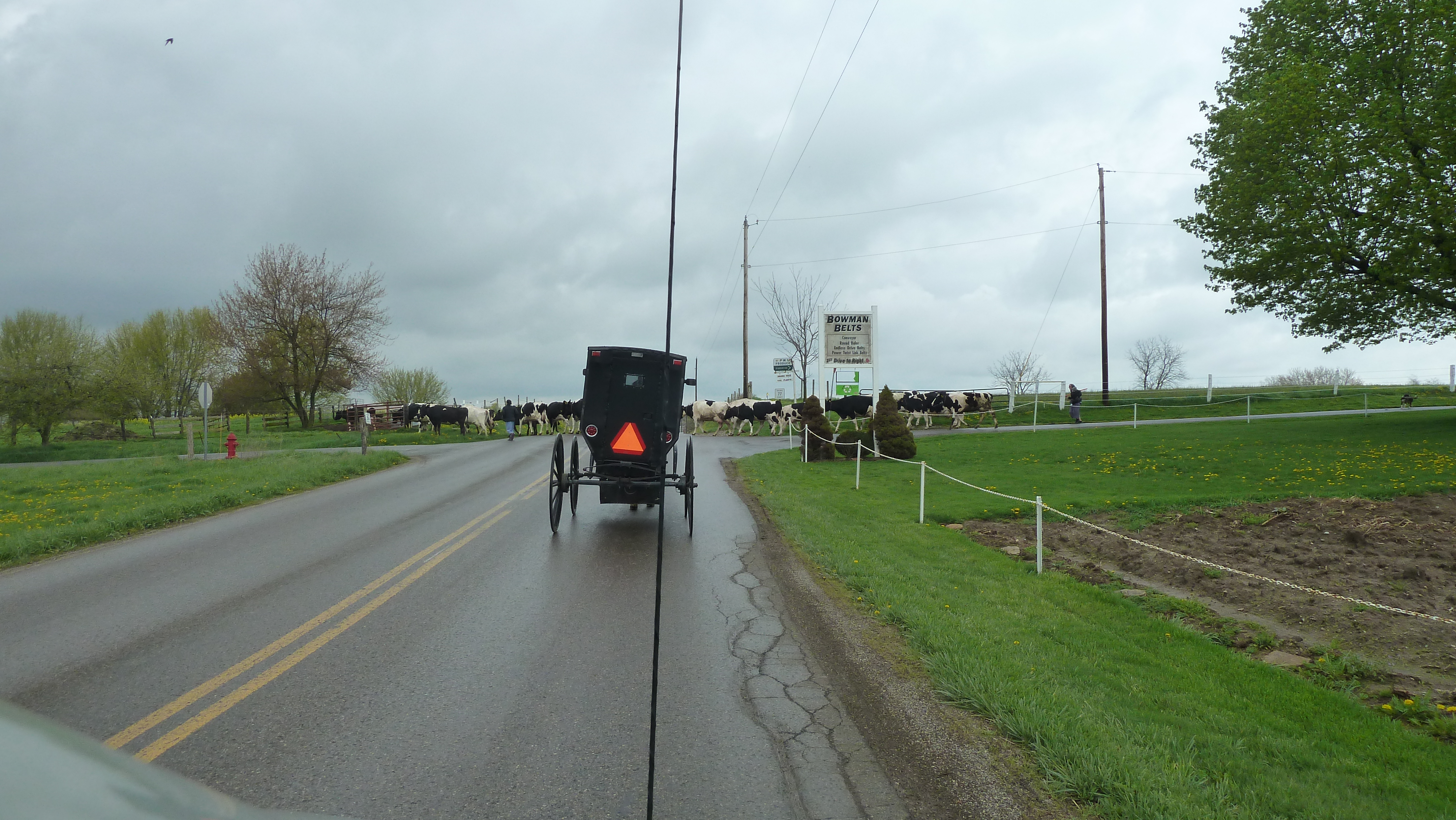
Cows crossing highway in Holmes County, Ohio.
The Thrill of the Chaste: The Allure of Amish Romance Novels by Valerie Weaver-Zercher (Johns Hopkins, 2013) might appear at first to be an expose on “bonnet rippers,” which of course is a play on “bodice rippers.” It might sound like a titillating read but it’s not—in the sense we usually think of that word.
It is an educated study, which had at least 24 words I had to look up, I’m slightly embarrassed to admit. More on that in a minute.
Romance novels are hot, so to speak, and within the genre, Amish romance novels sell very well: the top Amish romance novelists—Beverly Lewis, Wanda Brunstetter, and Cindy Woodsmall—had sold a combined total of 24 million books at the time of the writing of Weaver-Zercher’s book.
But The Thrill of the Chaste is fascinating reading for anyone interested in literature, publishing, marketing, religions, Mennonites, Amish, Anabaptists or inspirational fiction. That’s me in aces so although admittedly some of it may be a little over the top for a reader with only passing interest in the topic, I was eager to digest the whole thing. Although I was an English major in college and loved reading the wide variety of literature assigned in my studies, I have not formally kept up with anything related to the study of literature and literary theories and approaches. So in that sense it was very much like reading a college text on the topic. It would make an interesting and not-light-weight college course.
Indeed I was hit almost immediately with words I didn’t remember reading before, or have occasion to run into. So test yourself: how many of these do you know?
Anomic, bromidic, liminality, polysemy, somniferous, elision, vector, whorl, recondite, bricolage, cynosure, nonpareil, panoptic, truculently, ludic, anomalous, jejune, diegetic, sere, semaphore, ambit, antipode, synecdoche, bildungsroman.
Humph. I see that spellchecker doesn’t know a number of these either.
But don’t let these scare you away. In almost all of the cases, I could certainly get the meaning of what the author was saying without looking anything up. So it got to be a game with me and I started keeping track of the stoppers. In some ways the book reads like a scholarly journal but way more interesting and chatty.

Valerie Weaver-Zercher
Valerie (I’ll go with her first name since I’ve worked with her in a couple of settings) admits Amish romance novels are a very small subgenre and some would hesitate to call much of it “literature.” She thoroughly explores the hype and myths that some in the business or publishing world have trotted out as they’ve written about the explosion of the subgenre in the last 10 years, especially the last five. Bloomberg Businessweek in the summer of 2010, for instance, featured a cover of a book called Mennonite Romance, with a title “Getting Dirty in Dutch Country” (p. 67). See also Salon’s take, here. Valerie admits that Businessweek’s use of the lusty cover is mostly satirical but says that “many observers miss [that] sexed-up contemporary romance novels and steamy encounters between hunks with long black hair and lusty heroines like the one depicted in Mennonite Romance are exactly what Amish romance novels are not. Amish-themed romances are defined by the absence of overt sexuality, and loyal readers of the subgenre are as articulate about what they don’t want in their books as what they do.”
In short, Amish romance novels are written to find harmony with the main audience of evangelical Christian readers who are looking more for purity than the anything goes mentality of current culture. They are for women (and some men) who are looking for books that are “safe for kids to pick up” if they leave them laying around the house. Valerie quotes one editor of Amish fiction saying readers “want a clean read … a sweet story.” (p. 148).
Valerie is a superb writer: precise word choices, little redundancy, and lovely metaphors who has fun with her topic (to the point I found myself laughing delightedly in places) even as she harvests every conceivable angle of the field. She looks at how Amish romance novels take readers away from the hypermodern and hypersexualized times we live in, and how such books may be affecting the Amish themselves. There are many fans among the Amish and Valerie ventures that these books may possibly become like a “Trojan horse” into Amish communities. She delves into early examples of the genre from the early 1900s, including my own publisher and now employer, Herald Press’s early “novels” such as Rosanna of the Amish (based on a true story) by Joseph Yoder and others by Clara Bernice Miller and Mary Christner Bontrager.
Valerie examines her own motives in writing the book, a Mennonite who has Amish second cousins and also a husband who is a published spokesperson in the field. I liked how in her acknowledgments, she tips her hat to her three sons for “putting up with dinnertime conversation about cultural theory and Amish agency and commodification” as she and her husband discussed her project. “We can talk about other things now,” she says in tribute to her sons.
But the field of literary study and publishing in general is blessed for Valerie engaging with this topic in such a multifaceted and captivating way.

See my other blog posts on related topics:
Finding Harmony among my cousins in faith
Amish Noodles Test 2
Amish Noodles Test 1
For more on differences/similarities among Amish/Mennonites, see Third Way Café’s most popular FAQ.
A couple months ago in my Another Way column I wrote about expecting our first grandchild. What I didn’t reveal at that point was that we already knew we were also expecting our second grandchild, but we couldn’t tell anyone yet!
Which made for some interesting, complicating times but absolutely thrilling, times two.
Now my first born daughter, Michelle spills her beans as an Another Way guest columnist today.
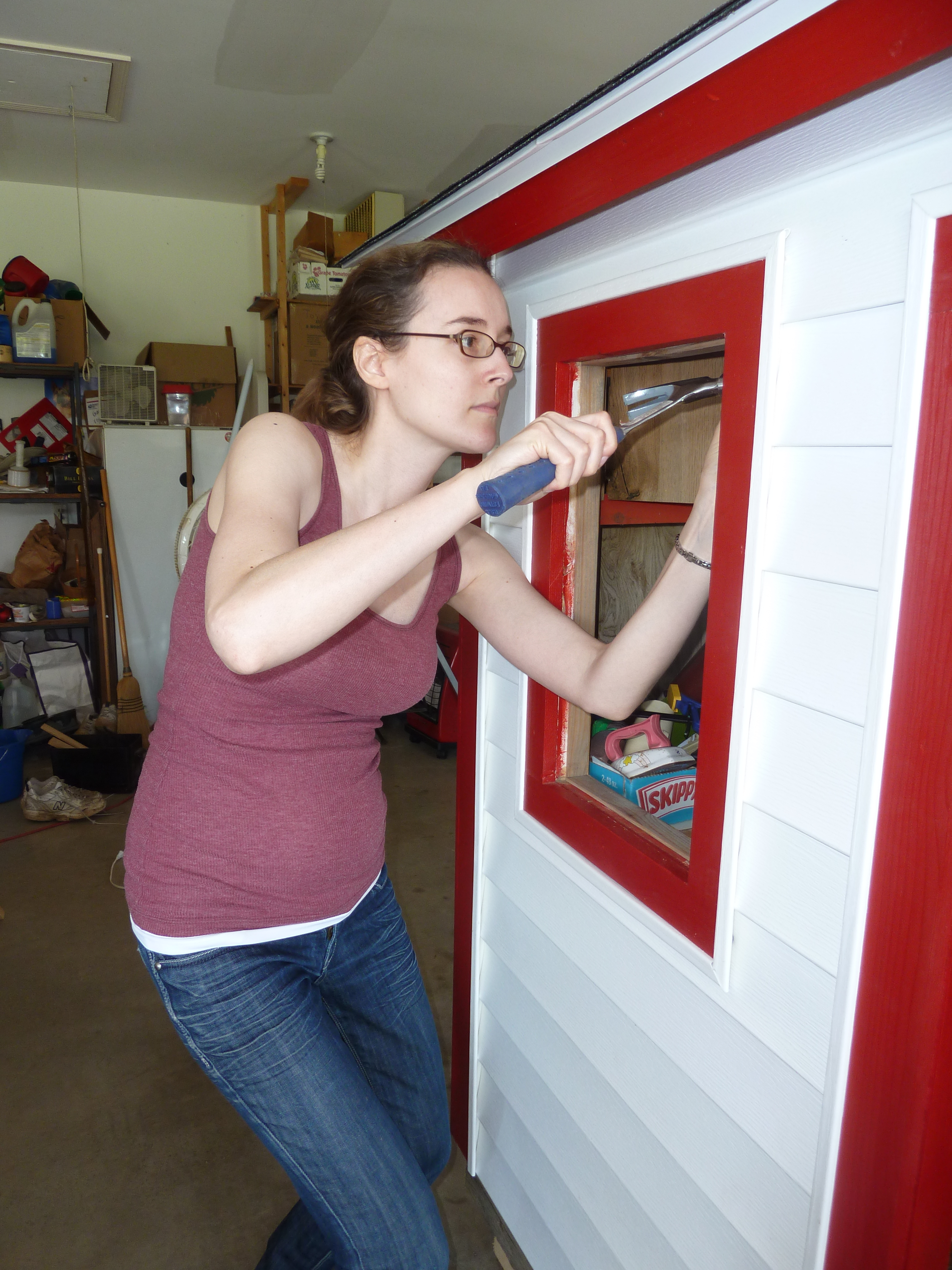
Yes, that’s a baby bump on Michelle. Makes working
on our playhouse renovation project more exciting!
Here you’ll get the Grandma side of the story.
When Tanya told us that she and Jon were expecting and I leaped into the air, my eyes immediately shot to my oldest daughter, Michelle, for her reaction. There was joy and surprise there for sure, but also a little quizzical glimmer across her face. I tried to read it, but soon dismissed it. So Michelle wouldn’t be “first” with something: she’s a grown woman, she can handle it, I thought in passing.
A couple weeks later at Easter when my husband and I were with Michelle and Brian and his mother, brother, and two of their dear friends, Michelle and Brian revealed their own wonderful surprise: they were expecting too! But it was so early (they hadn’t been to the doctor yet) that they didn’t want to even tell our other daughters who were not able to come home at Easter. Brian said something to his mother about “getting ready to babysit” and as the news sunk in, I was swept away with emotion, especially since Brian’s father had so recently died (last November) and that grief was so fresh. We all hugged, wiped tears and were excited and elated.
So every time I talked to or emailed Tanya and Doreen, I had to stifle or edit myself to not leak anything about Michelle and Brian’s news. Tough for a mom, especially one who has been known to let Christmas or birthday secrets slip. I managed to hold my tongue and finally when it was official from the doctor, Michelle was able to tell her sisters. I couldn’t resist bragging that I had been able to keep it from the sisters. But still Michelle and Brian didn’t want the news to go further: no social media, no columns. There were employers to inform, tests they wanted to wait for. I couldn’t tell my family.
But I was talking to Mom one night when I was really tired. I had left a message for her and she had called me back so I was kind of mindlessly yakking on about this and that. Michelle’s mother-in-law had called me earlier in the evening about a minor car accident Michelle had had so that was on my mind and I happened to mention it to my mom and then like a dummy went on to say the concern was whether it might have hurt the baby at all. I just plowed right on and then two sentences later, confused, my mother interrupted and said, “Well Michelle isn’t pregnant!” It was a statement, not a question.
And I thought, oh no, now what do I do? Lie to my mother? Fib? Flub around? So I just said, “Oh I must be tired and mixed up” and thankfully she left it at that! I still call my children by the wrong names sometimes, so why wouldn’t I get my stories mixed up?
So, so much for a braggy mom keeping secrets. But now it is official and we are filled with even more joy (there’s always room for more joy, more love) which I learned long ago when we were expecting our own second child. Like many others, I wondered, how will I ever love another baby? How can I steal from the closeness I feel with my child and add another to our family?

I’ve always loved this picture of me cuddling Michelle
many years ago on the babysitter’s front porch.
If you are fortunate enough to have more than one child, you know the answer to that question. There is always more love for more, no matter what order they come in.And I never want to take any child for granted. Each one is a special special gift.

The three sisters with T-shirts from the Shipshewana Flea Market, about 12 years ago.
It is stunning to be in the presence of a living, growing thing that was already growing when Jesus—and Socrates—and Plato walked the earth.
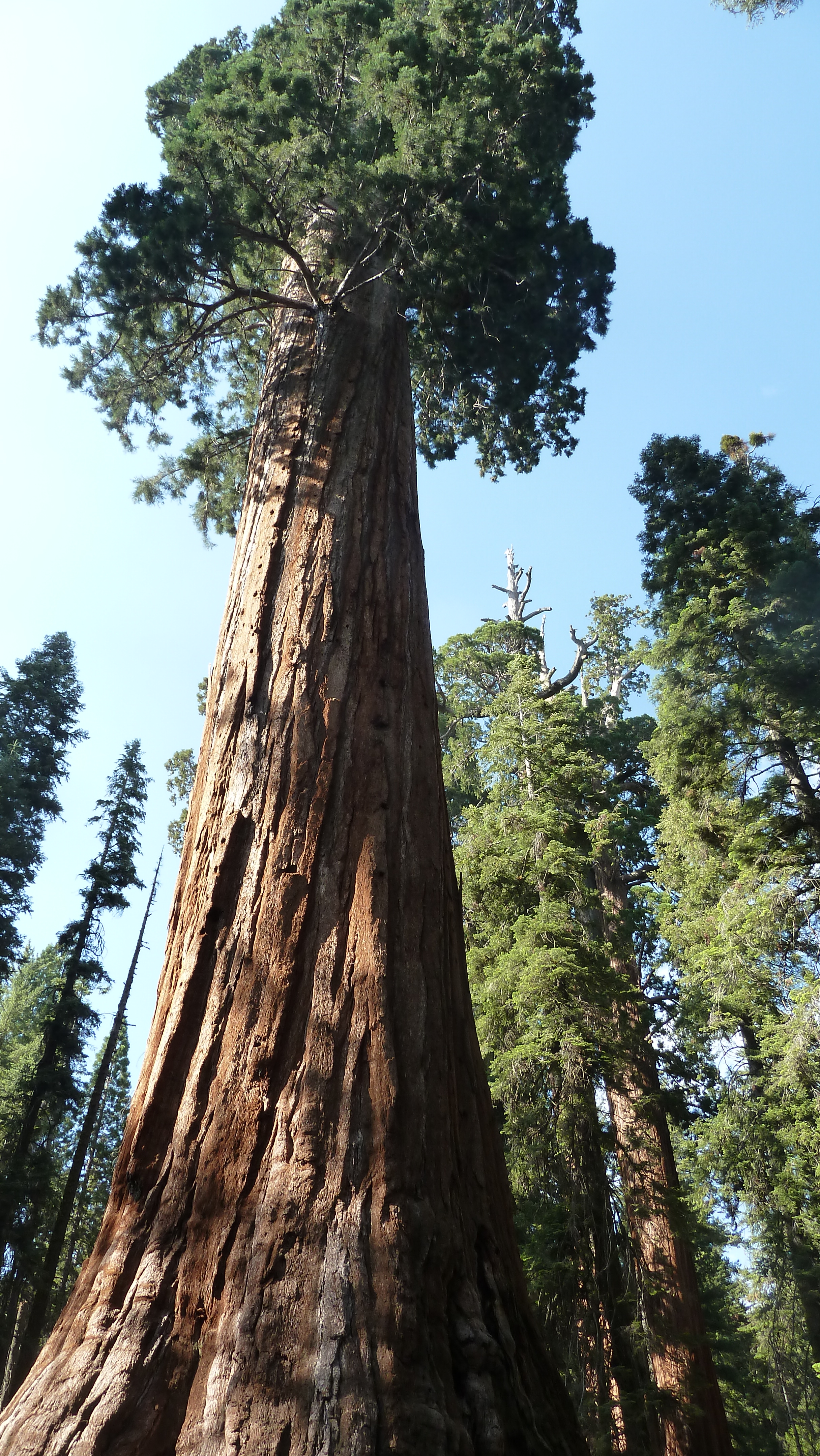
My husband and I, along with one brother, visited Sequoia National Forest in central California this summer and the giant Sequoia trees that thrive there.

It was easily one of our favorite stops in the western states of Arizona, Nevada, Utah and California, covering brand new ground for both of them. I had been to Sequoia as a child, but 49 years later, I appreciated it even more.
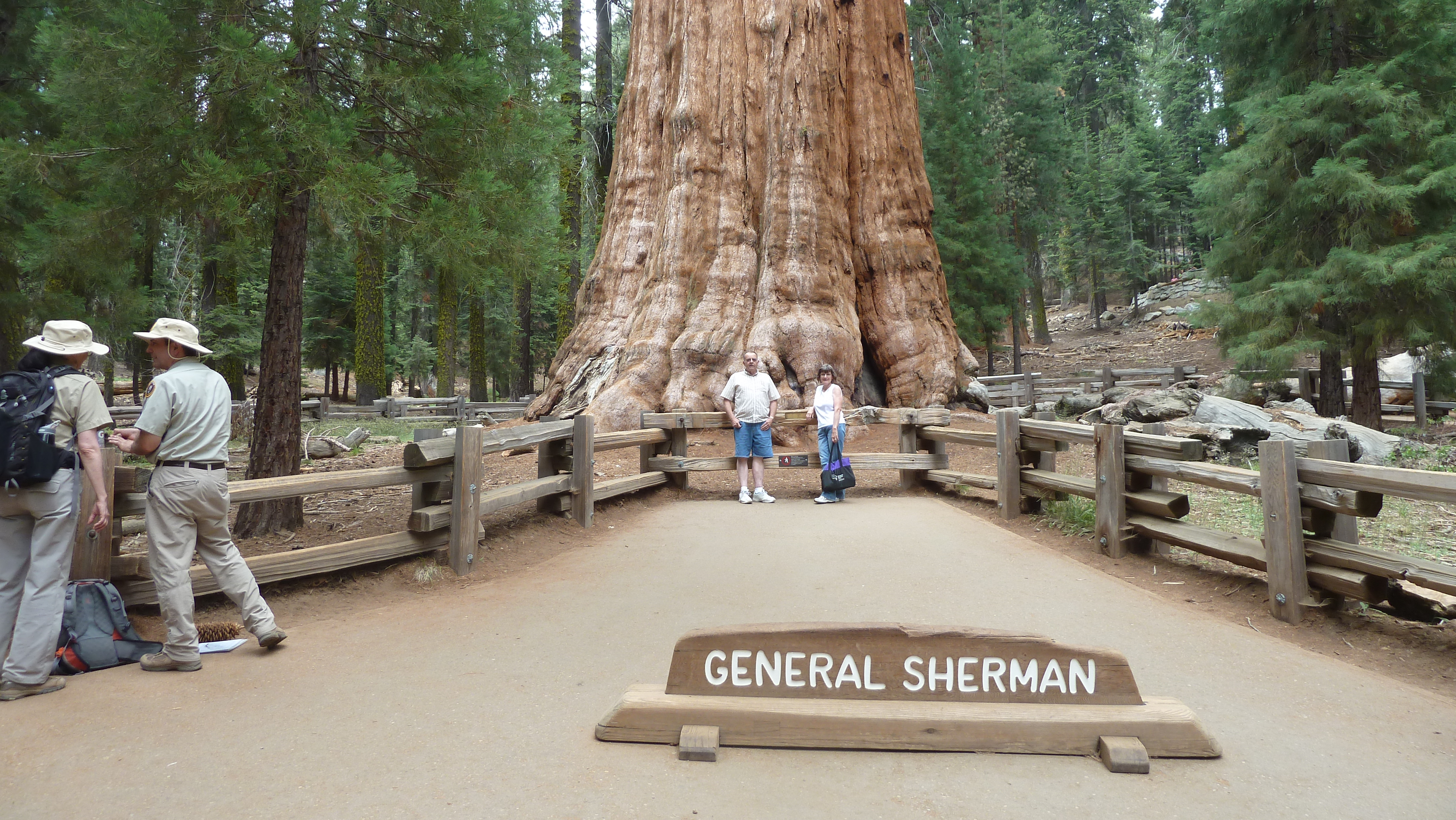
The groves of ancient trees were just magical, mysterious, almost supernatural. (Think Lord of the Rings movie or book). We stepped tenderly among the giants. One of the things that scientists and ecologists have learned in the last 49 years is that a million tourists tramping nearby all day does not make a good forest floor for tree seedlings to sprout nor help the fragile roots of the giants.

Signage and exhibits implored visitors to stay on trails. And since the giants are known to suddenly topple without warning, instead of chopping down 2000 to 3000-year-old trees that could have threatened campers while they slept, the National Park Service instead moved campgrounds. Like brilliant!
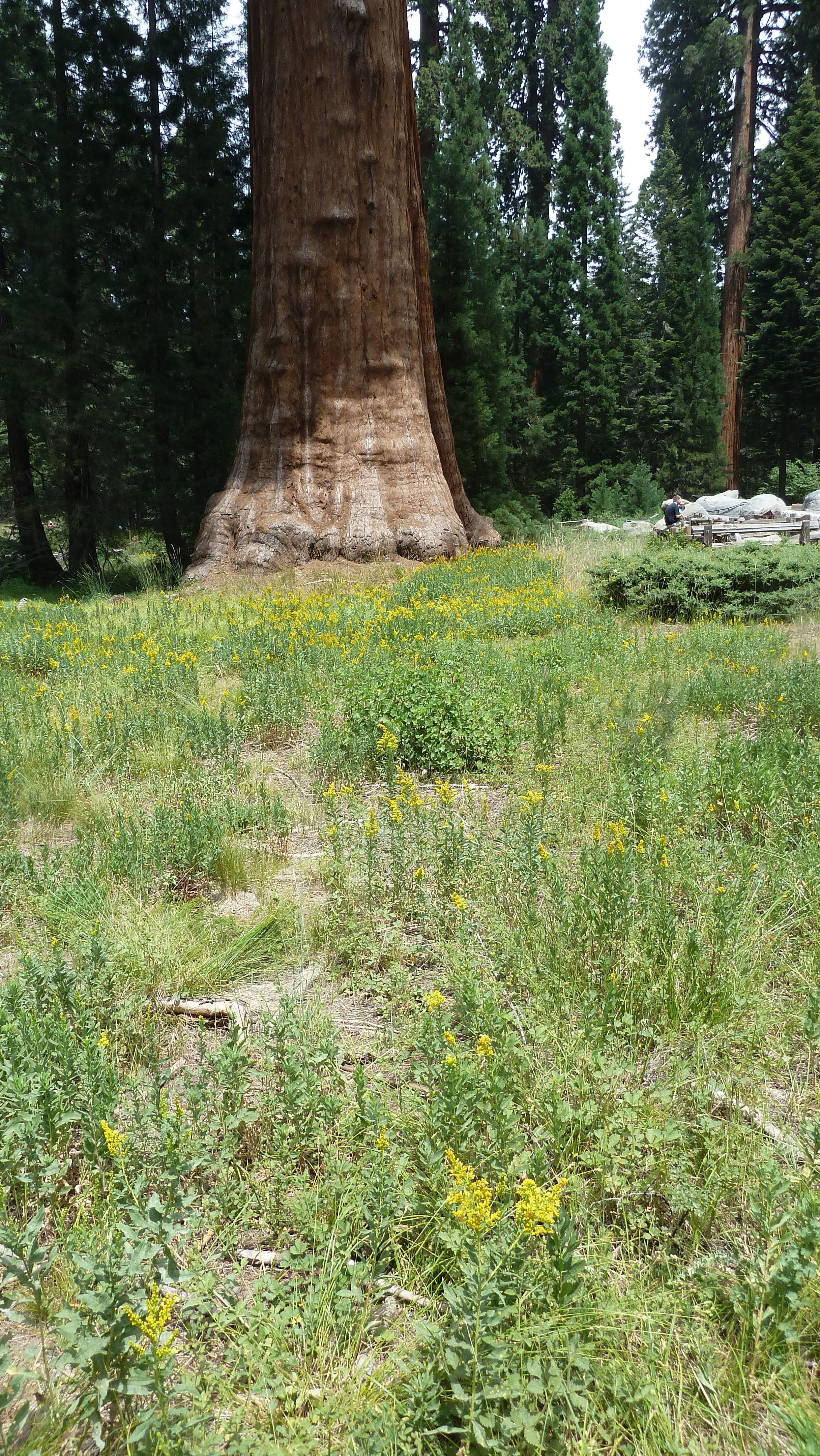
One of the areas that has grown new life after the
Park Service asked people not to walk too near the trees.


We finally found an example of a younger Sequoia
growing near the trail with its distinctive “needles.”
The woods were so peaceful and calming after desert dryness, the artificial neon of Vegas and the smoking hot concrete of Hoover Dam.

I enjoyed reading quotes at some of the exhibits from John Muir, the explorer and naturalist, filled with great wisdom.
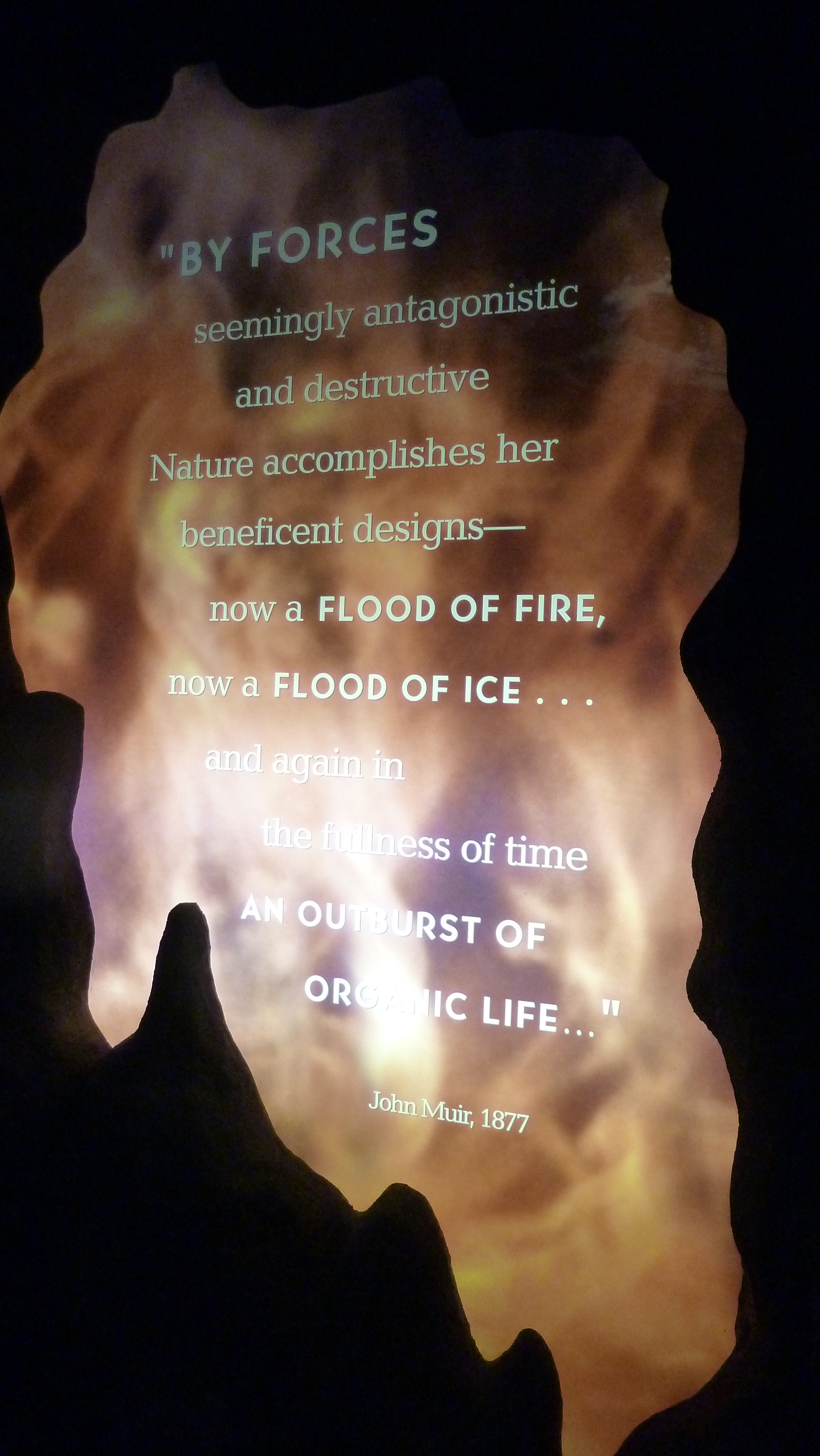 Here’s another quote from Muir:
Any fool can destroy trees. They cannot run away; and if they could, they would still be destroyed — chased and hunted down as long as fun or a dollar could be got out of their bark hides, branching horns, or magnificent bole backbones. Few that fell trees plant them; nor would planting avail much towards getting back anything like the noble primeval forests. … It took more than three thousand years to make some of the trees in these Western woods — trees that are still standing in perfect strength and beauty, waving and singing in the mighty forests of the Sierra. Through all the wonderful, eventful centuries … God has cared for these trees, saved them from drought, disease, avalanches, and a thousand straining, leveling tempests and floods; but he cannot save them from fools — only Uncle Sam can do that. –John Muir
– Our National Parks (1901) chapter 10.
I’ll write more later in Another Way or here about what else we learned about helping these giants thrive for our grandchildren and great grandchildren to enjoy, but for now, maybe a few photos can recreate a little of that peaceful calm of the filtered light of walking in the presence of living growing things that have been around since before the time of Christ.
How do you find harmony on vacation? What places fill up your senses? They don’t have to be far from home. I’d love to hear about your favorite spots.
It wasn’t until I stepped on a scales with a whole country ham in my arms did it hit me what 15 pounds amassed together felt like. Warning: this may be graphic if you are not a meat eater.
I was weighing the ham because I had used some of the ham and was curious how many pounds we had used. (If you don’t know how country ham works, see here.)
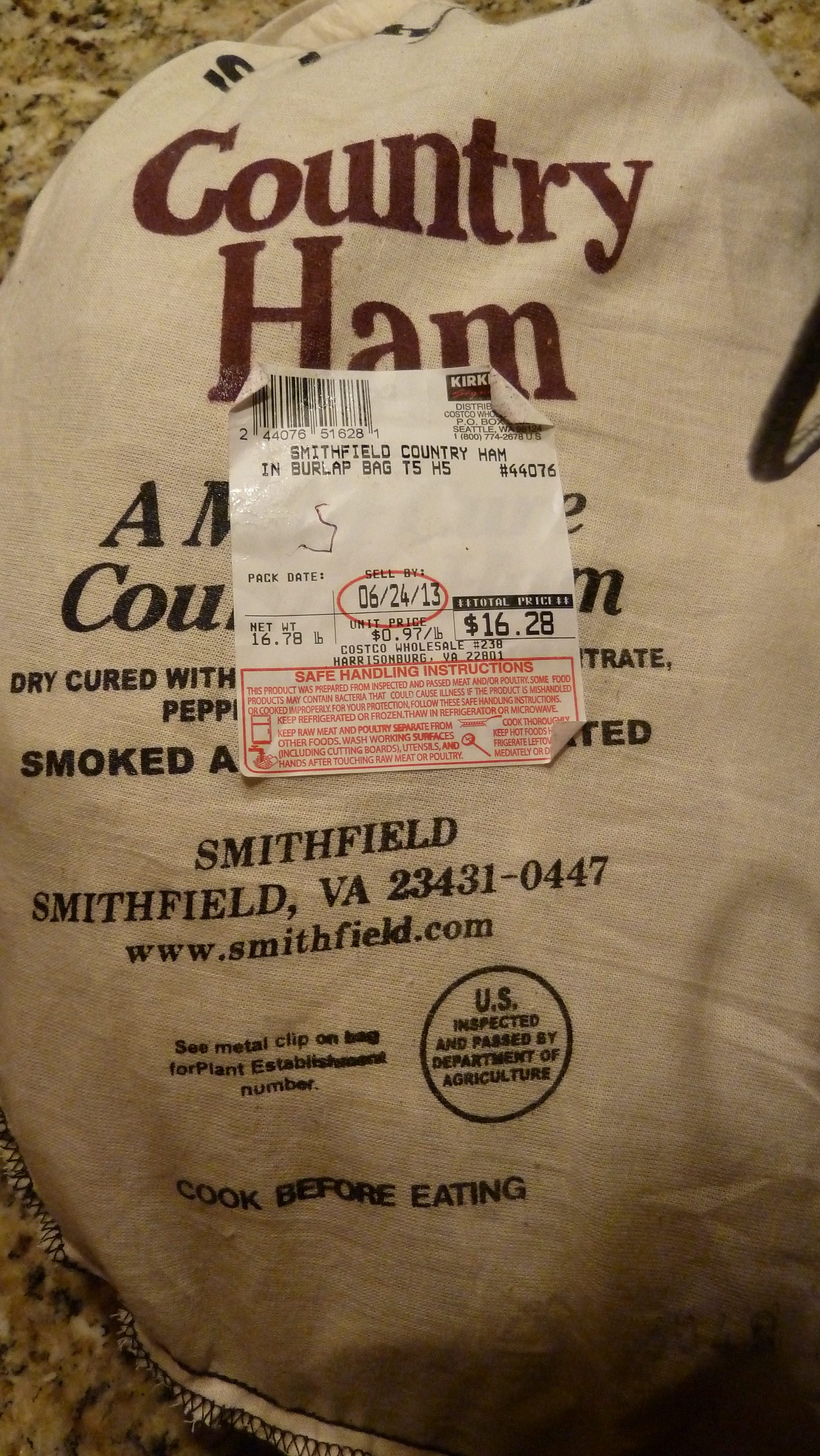
So I got on the scales and my weight from a year ago popped up before me on the scales. It hit me: WOW. I’m holding in my hands the “weight” I lost.
The ham was heavy. My arms felt weighted down. I wouldn’t want to carry it walking all the way around a track.
About a year ago in May, I’m not sure what started it—maybe seeing my son-in-law’s daily log sheet of weight loss when I stayed at my daughter’s townhouse a few days while attending a conference that gave me the final nudge I needed to try, try TRY to lose weight again even though I had failed so many times in the last 30 years.
Maybe it was his fierce will power to turn down food when everyone else is eating. (At the moment he does not need to lose weight at all, but goes into training times when he tries to lose fat and gain muscle.) When I spied his open notebook on their desk in the spare bedroom I was intrigued. I asked him about it and he sent me some stuff he had read.
The only other time I successfully lost weight was when I was around 19 and gained a bunch in one year; I counted calories religiously for about four months and was able to lose about 10-15 pounds at that time.
Well, the years went by. Babies came and the pounds just never quite all went away. I had begun walking several times a week about ten years ago, but while I enjoyed my walks and the way they made me feel, I didn’t really lose weight.
Then our company, in a move to encourage fitness, offered to pay so much towards gym memberships. That was the other nudge I needed, and when I found a gym offering free exercise classes along with the membership, I decided to enroll last May and tried to get to the gym two to three times a week to classes or work out until garden work began in earnest. (When I’m busy gardening, I feel it serves as my gym.) I also began counting and limiting calories to 1500-1800 a day (not always successful.). It was toughest on weekends, when my husband enjoys going to our local lawn parties almost every weekend through the summer. (I’ll write about those fundraisers for rescue squads and fire departments sometime.) This is what the food looks like. Every weekend.
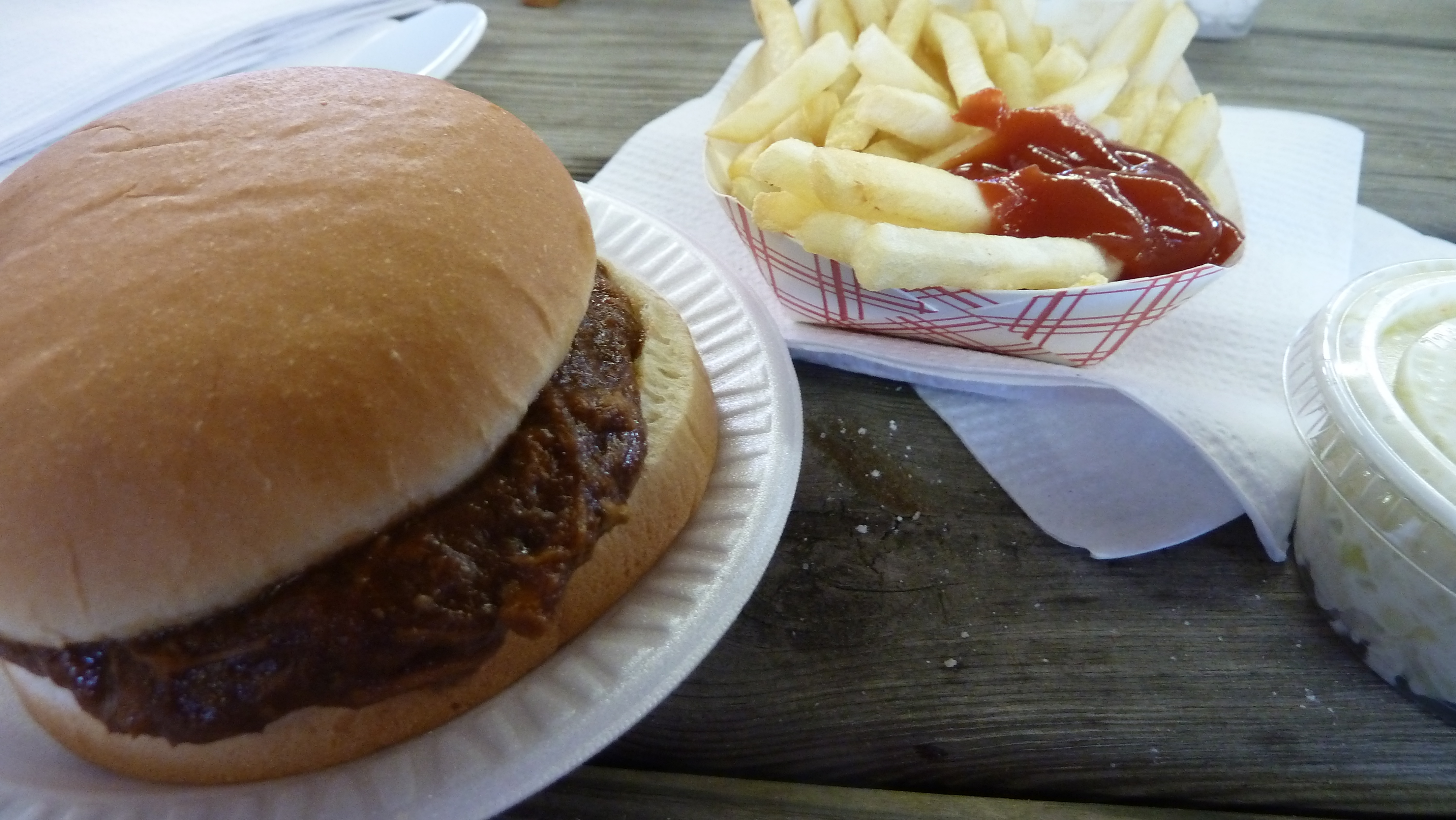
I still ate the food, just less of it. Our Friday donut treat from the homemade donut truck that parks near my office on Fridays became just a half donut, that kind of thing. I started a spread sheet and every day faithfully recorded my calorie intake, length and type of exercise, and my weight. I also cut out my daily diet cola. My husband had been telling me for years that diet drinks were mostly counterproductive and I had read the same thing. I started drinking mint tea, either hot or cold, to help fill me up when I got the late afternoon hungries. And overall tried to increase exercise/strenuous activity 3-4 times a week in addition to walking. That was my regimen.
And the pounds started to come off. That was motivation to keep going. I had ups and downs but eventually lost enough I had to buy some new clothes.
I debated writing about it and was not going to because I didn’t want anyone to feel badly about their own efforts, because I truly know how discouraging and difficult and maddening it is to not be able to lose weight. I didn’t want anyone to feel I was judging anyone else. I don’t want to be prideful. It can be wonderfully freeing to accept your weight and your size and be the most beautiful person you are, and not obsess about it. I also know that when physical disabilities or limitations get in the way, exercise is very difficult.
But when I held that 15 pound country ham in my arms, it was like the “scales [no pun intended] fell from his eyes,” as the Bible says in Acts 9:18 of the Apostle Paul when his temporary blindness went away. I had been walking around with THIS much extra body.
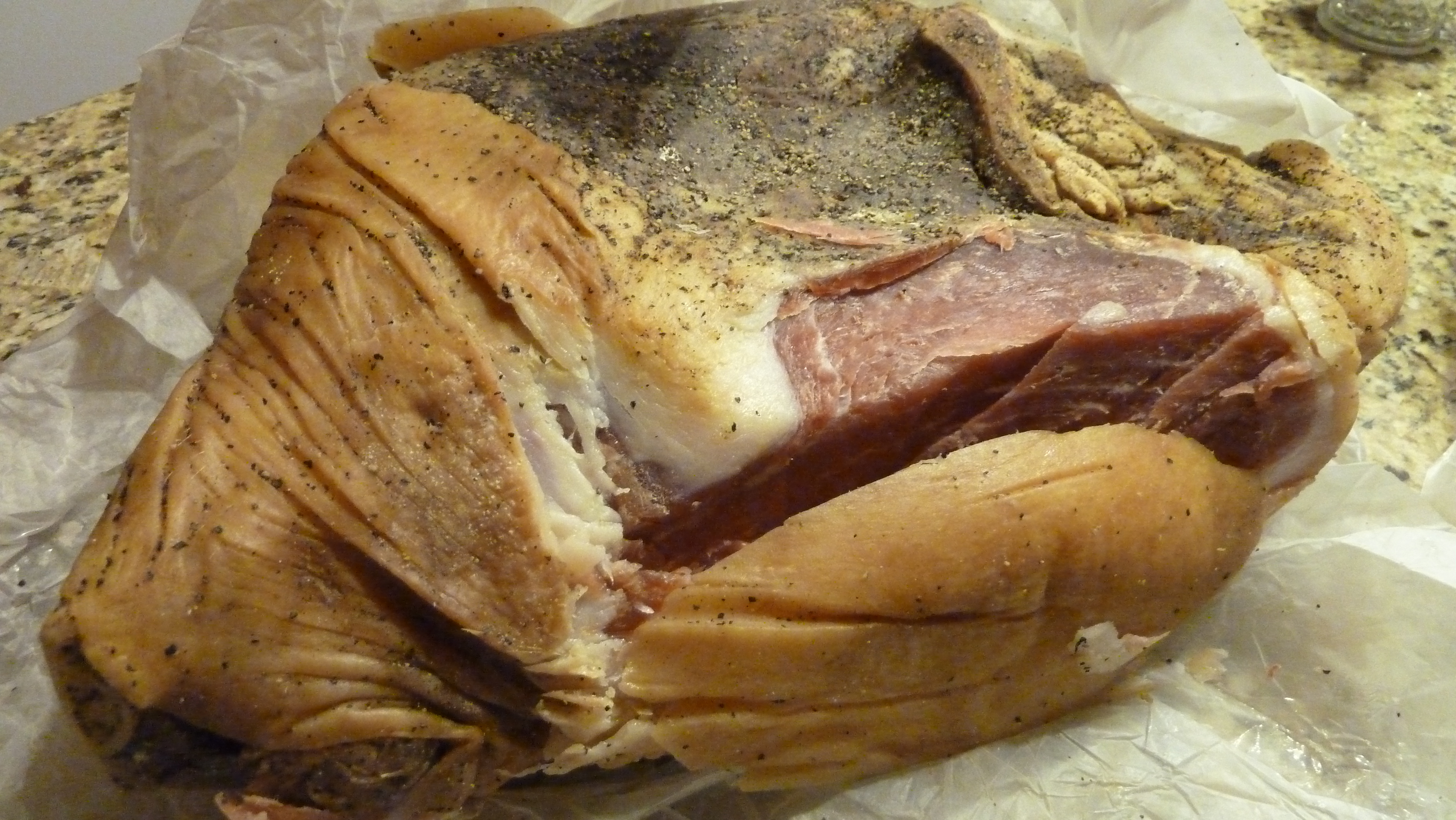
This much extra weight had been on my body.
This unneeded stress on my legs and bones which have long had terrible varicose veins (blame the babies) and increasing arthritis.
And I decided to write about it feeling that if I could do it at my age, others can do it too, even if you have tried tried tried and always ended up discouraged and frustrated.
I don’t know yet if I’ll keep it off forever. It’s been a year since I began, and about six months since I reached my lowest weight—that I hadn’t been at since before having children. I’ve gained back a few pounds (my husband really didn’t want me to lose “too much” he said, he liked me just fine the way I was). But I mostly bounce within three pounds of my target weight which is ok with me. I still don’t want to obsess about it.
To hold 15 pounds of “flesh” in your arms is an eye opening thing. The ham thing makes me more determined than ever to not get too weighted down again.
No pun intended.
***
There are wonderful calorie counters online, including one where you can find almost any restaurant food for chain restaurants. Here’s one I used. Oh, and I’m not counting calories anymore, just keeping track of weight and exercise amounts to keep me motivated.

 findingharmonyblog