

Another Way for week of April 1, 2022
So, What’s Right with the World?
We lament and grieve all that’s wrong with the world, but there are many beautiful things that keep me inspired, thankful, and pushing forward. So, what is right with the world? What is worth celebrating for you? I saw this “writer prompt” on Facebook and thought it would make a good column. Here are mine:
Adult children caring for their aging parents.
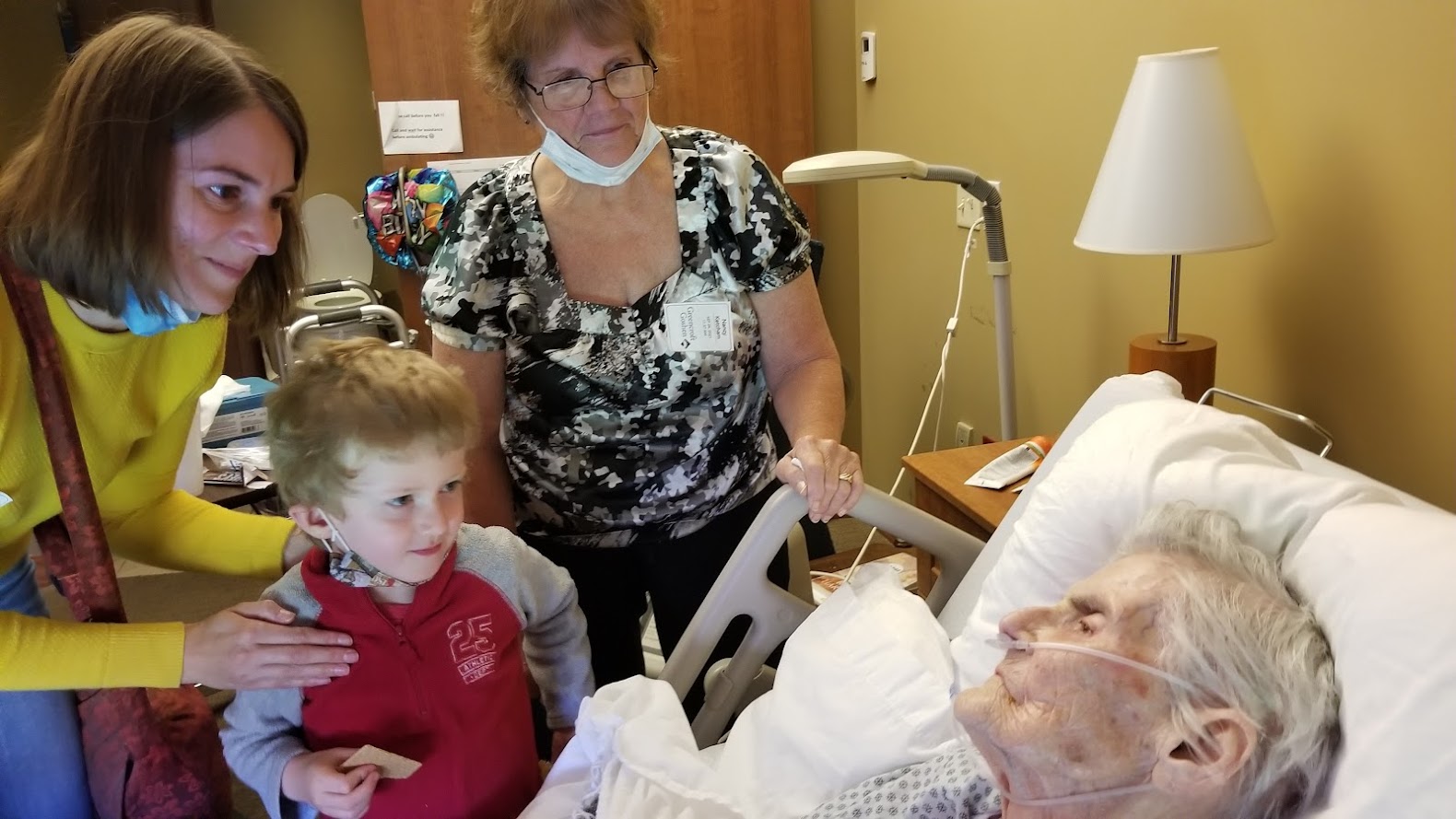
Grandparents taking care of their grandchildren.
Parents adopting children that weren’t born to them.
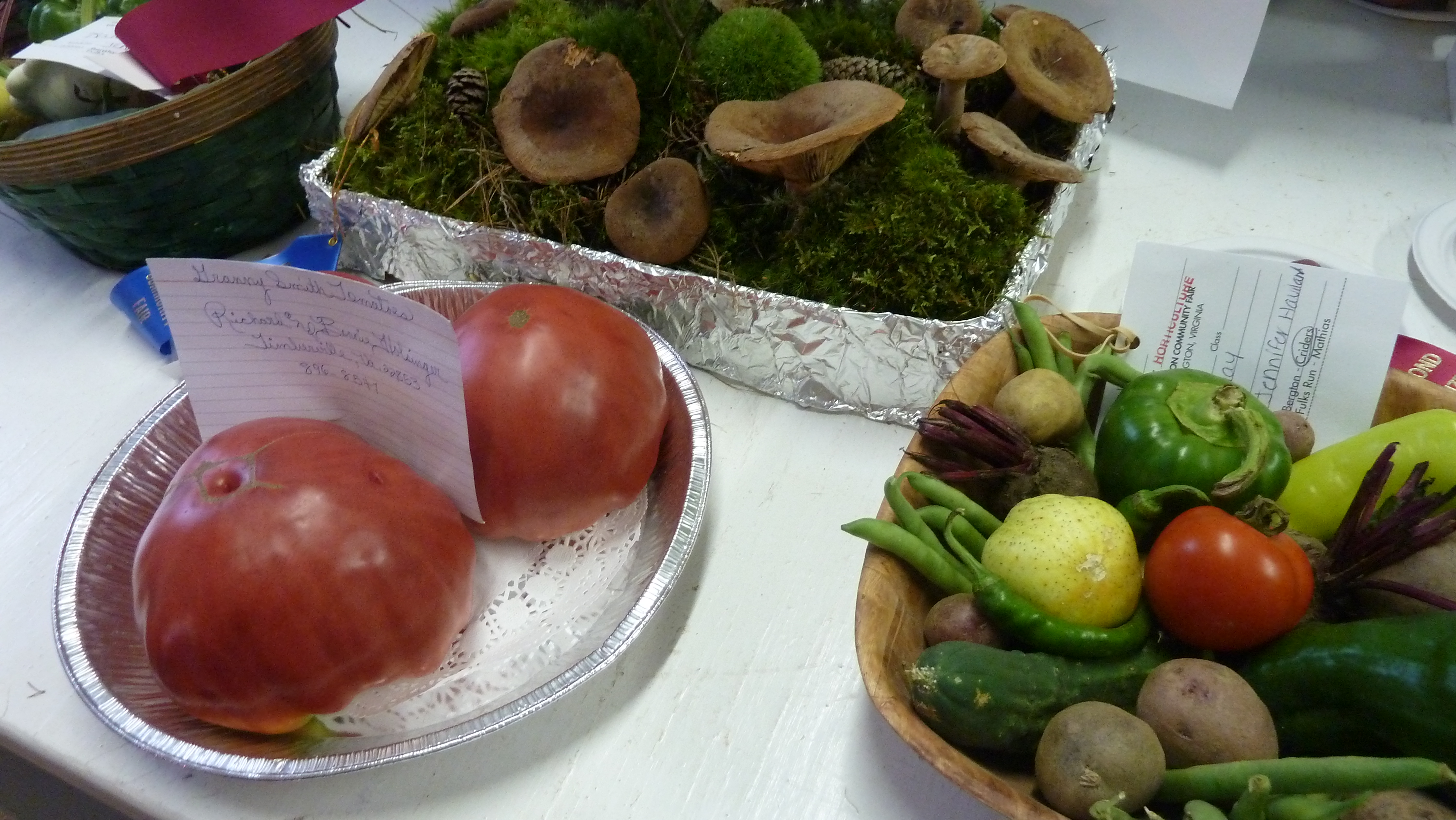
Good soil in which to plant and grow some of our food each year.
Flowers to brighten the scenery.

Mountains which heighten the landscape here in our lovely valley.

Creeks and rivers which roll into bays and oceans—flowing almost endlessly all around the world!
My grandchildren going to schools where they are surrounded by children and teachers and languages from all over the world.
Kids with musical talent who find their way to Hollywood or Nashville or New York City to make their dreams come true, often cheered on by bigger stars than they’ll ever be.
Kids who stay in their hometowns or countryside near their parents and grandparents and cousins.
Our grandchildren getting to visit the amusement park where I once applied for a job after high school—a famous park in Florida which is now 50 years old—where I never ended up working.
Churches which have gone through the roughest time they’ve probably gone through in decades, coming back with new vision and outreach and love for each other.
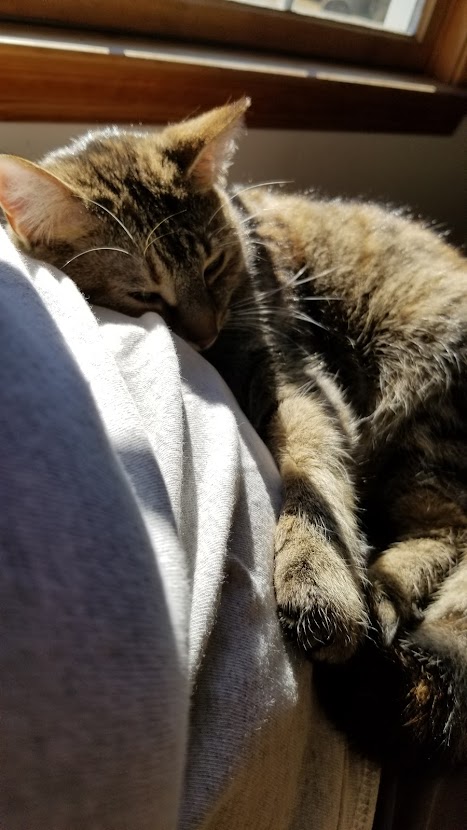
A cat and dog both curling up on my husband’s lap or chair, keeping him warm on a windy night in late March.
Volunteers who sort donated eyeglasses that will spread to people all over the world, who will maybe clearly see their family’s faces for the very first time.
Firefighters who willingly go into burning buildings for people they don’t even know.
Police officers who walk into a mess where they don’t know how it’ll turn out.
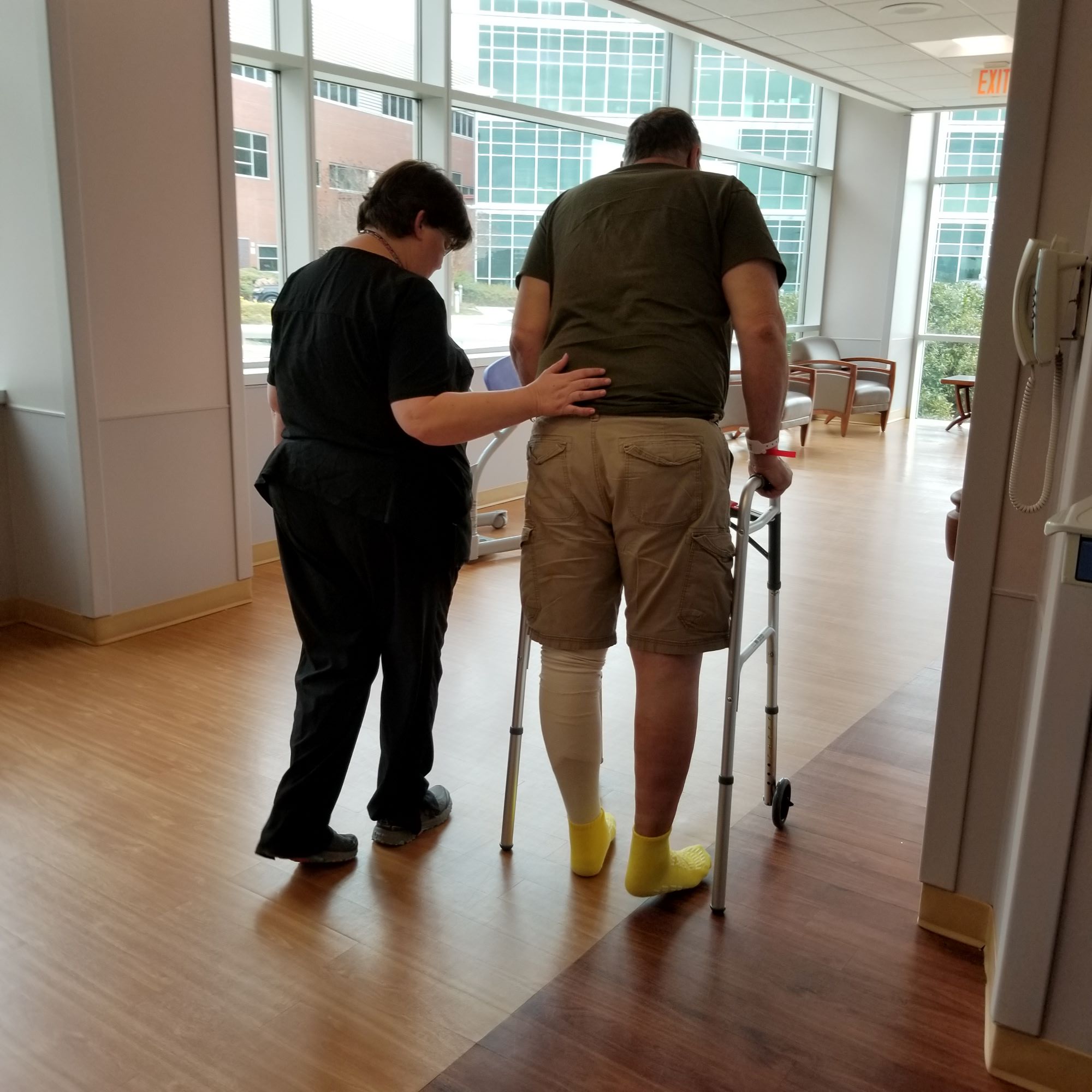
Doctors and nurses and janitors who walk into hospital rooms and bathrooms without knowing whether they will fall ill next.
People praying daily for the safety of people they’ve never met in countries they’ve never seen.

People planting trees they won’t see grow to their full height.
Kids cleaning ditches and roadsides and creeks they didn’t dirty.
Hot water to bathe in. Cold, clean water to drink.
Men and women who work on cement warehouse floors all day for 20-40 years.
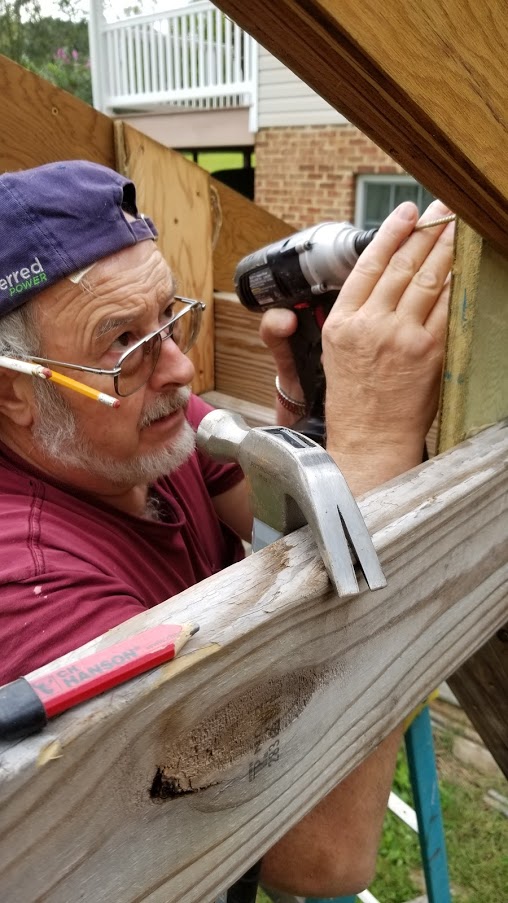
Maybe sometimes, columnists who write short lines instead of long complicated sentences and leave space in the newspaper for others!
The sun coming up every single morning, whether we see it or not.
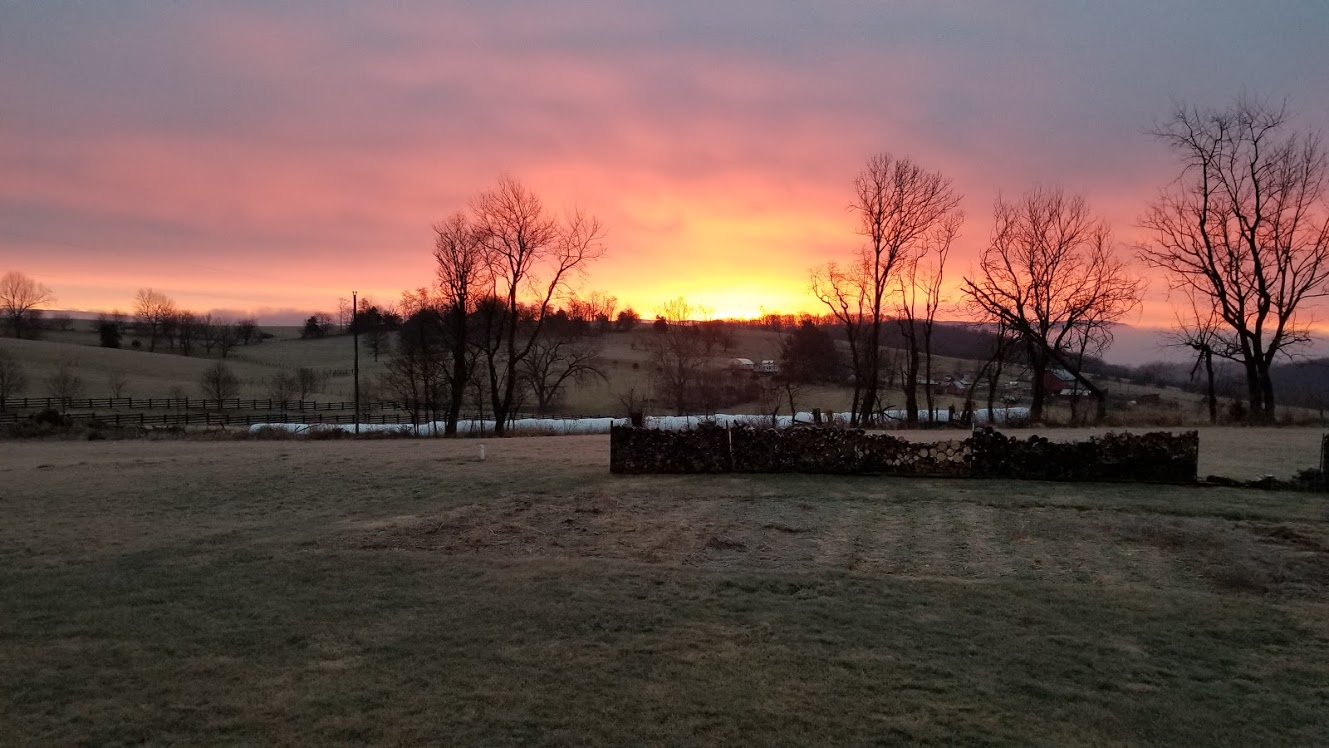
A God who is there, whether we see or sense this presence or not.
***
So what’s on your list? What is right with the world? Try your hand! You might surprise yourself.
Comment here or send to me at anotherwaymedia@yahoo.com or Another Way Media, P.O. Box 363, Singers Glen, VA 22834.
Another Way is a column by Melodie Davis, in syndication since 1987. She is the author of nine books. Another Way columns are posted at FindingHarmonyBlog.com a week after newspaper publication.
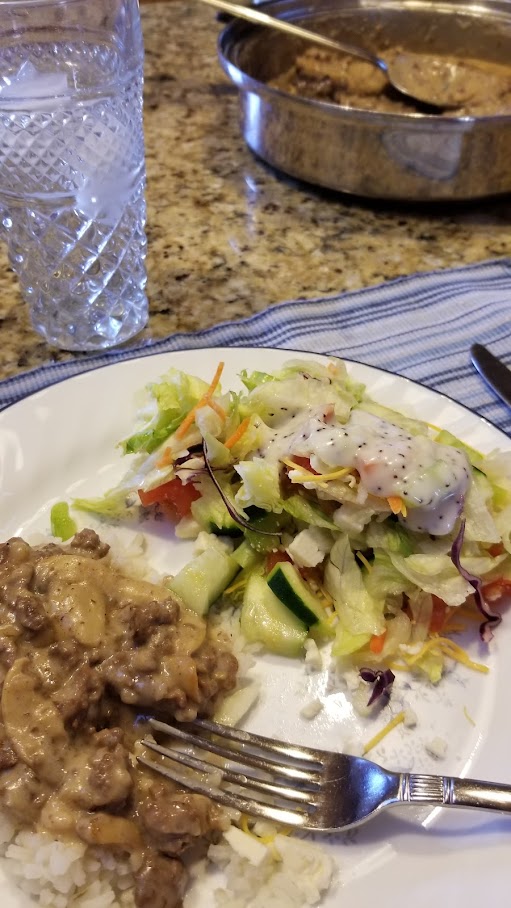
Hamburger Stroganoff
I have always loved Hamburger Stroganoff since first introduced to it when I served one year in Kentucky as volunteer through our church’s service program. The head cook of our household made it with noodles. Later I was introduced to this dish served with rice, which my husband prefers to noodles. So rice it is at our house. I usually use a sauce mix but the packets are consistently hard to find for the last two years in my local Food Lion.
Beef stroganoff is the classic version of meat for this dish, but hamburger is cheaper (normally) and easier/faster to cook. In my opinion, it’s just as savory. I found this “Betty Crocker” recipe online and adapted it to comply with the contents of my pantry. I also have Betty Crocker’s Cookbook as my go to (and now old fashioned) book of cookery on my shelves. What’s your standard?

Recipe:
2 tablespoons butter
1 box (approximately 8 oz) fresh mushrooms (slice)
1/4 cup chopped onions (more if desired)
2 cloves garlic, finely chopped
1 lb lean (at least 80 percent) ground beef
1 1/2 cups beef-flavored broth
1 tablespoon Worcestershire sauce
3/4 teaspoon salt
1/4 teaspoon pepper
1/4 cup all-purpose flour
3/4 cup sour cream
¼ cup milk
Directions:
In large skillet, melt butter over medium heat. Cook sliced mushrooms, chopped onions and garlic in butter for 5-7 minutes, until tender. Stir occasionally. Remove from skillet and set aside.
Turn up heat to medium high and using the same skillet, cook the hamburger 5-8 minutes until just brown (no red). Drain off grease. Stir in one cup of the beef broth, Worcestershire sauce, salt, pepper. Bring to boil. Beat flour and remaining ½ cup of beef broth with whisk until smooth-ish; stir that into your beef mixture. Add mushrooms, onions and garlic; heat to boiling, stirring constantly for about 1 minute, until mixture thickens, and flour clumps are gone. Take off of heat and add sour cream and milk.

Serve with rice or noodles as desired; parsley garnish is a nice touch.

Comment here! The recipes I share here continue to get the most views over the years. 🙂
Another Way for week of March 25, 2022
Two Surprises Amid the Terrible War
This week I had two surprises. I found a piece I wrote for our church newsletter in 1990 about a woman from the Soviet Union who we hosted in our home. Tatyana, an English teacher, was from the city of Kyiv (or Kiev) in Ukraine, then a province. The USSR was just opening up for persons to travel to the U.S. and elsewhere.
I was a bit stunned to find that newsletter article just now. Then I remembered the book from her that I rarely opened: all about the beautiful city of Kyiv. Tatyana gave it to us as one of her thank-you gifts. It is full of photos of Kyiv with descriptions mostly in Ukrainian, but an introduction in other languages. She gave our daughters: a nesting doll, brightly painted Easter eggs, and a T-shirt in Ukrainian that fit our oldest daughter. We enjoyed knowing that her name “Tatyana” is a longer version of the name Tanya, which is our middle daughter’s name.

Our church had agreed to host six teachers from the USSR who were studying English in Washington D.C. for a month. The planners of the trip wanted the guests to see the countryside here in Virginia—and meet locals.
We were all fascinated with our guest. She seemed to feel at home right away, slipping her shoes off as soon as she walked in our house. I apologized for not cooking “Russian” but she put me at ease assuring me that while in the U.S. she wanted to eat what we eat, and said she loved our box cereals! She also fell in love with our southern iced tea and watched me making it. We took her to Riven Rock Park—a beautiful escape from city life out in our mountains, where she took endless photos of wild flowers.
On the way back, my girls were hungry so we stopped for snacks at a country store where Tatyana took pictures of the gas pumps, a farmer’s tractor and wagon, and the store. Inside she browsed for at least 15 minutes, checking prices, asking what this or that item was for—and said she was comparing prices to what she’d seen in Washington D.C.! We took her on a tour of a nearby quarry because our neighbor was a foreman there. She had studied music for years and that Sunday at our church, we were dedicating a new hymnal. She loved the singing. In a letter to us later, she wrote about how difficult it was to be a Christian where most people no longer have any faith at all.
We took her out to eat at a mall buffet. The food looked so good she heaped her plate full—and then looked dismayed when she (a small petite woman) couldn’t eat it all. I assured her she didn’t need to finish it.
It was an amazing weekend, reminding me of the many visitors from countries around the world my Mom and Dad hosted on our farm. I concluded that article saying “If we can’t afford to travel everywhere we’d like, the next best thing is hosting persons from other countries.” The weekend was far too short, as my husband said at its conclusion.

I so wondered where Tatyana is now and whether she and her family were ok. On a whim, I used her business card to look her up on Facebook. I found a woman with her full name and photo that looked like it could be her, some 30 years later. I shot off a private Facebook message and was ecstatic in the morning when I found a message back from her! We exchanged a few messages, and I knew it had to be our visitor because she remembered how my husband made our dog stay away from the kitchen table while we were eating. You can’t make that up. I sent her a picture of our family in 1990 with Michelle wearing the Ukrainian shirt. I told her we were praying for Ukraine daily and she said “We are grateful to American people for their support. My husband and I decided to stay and help here in Kiev [She used the English spelling]. We strongly believe we shall overcome.”
What courage. We will continue to pray for all—and not only Ukraine. Let us not forget those who have been in conflict and living as refugees for years in so many countries of the world.

Fellow blogger and online friend, Marian Beaman, also wrote about Ukraine this week, where she and her husband spent time in 2012. Check out her post here.
***
Thoughts? Prayers? Comment here or send to anotherwaymedia@yahoo.com.
Another Way is a column by Melodie Davis, in syndication since 1987. She is the author of nine books. Another Way columns are posted at FindingHarmonyBlog.com a week after newspaper publication.
Another Way for week of March 18, 2022
Do You Talk Cat?

We recently caved and adopted a cat who was looking for a home. My husband especially had been on the cat hunt for several years; our last cat had to be put down about three years ago and a friend kept pleading that there are so many cats needing homes. There are just too many feral barn cats in our area, and people failing to “fix” the problem by neutering in time.
We recently heard a speaker from our local SPCA – not associated with any national organization – share how naïve some are when it comes to how new kittens come into the world. He said more than once people surrendering kittens to the SPCA said or hinted their bewilderment that their young cats got pregnant so fast because they “hadn’t been around other cats.” Except, oh yeah, a cat from the last litter was male and the person said they weren’t sure that sibling cats would mate. True story.
You might recall we also have a dog, Velvet. How would she adjust to a new member of the household? Would they be friends, companions, or hiss and bark at one another? Were we too old to adopt a new pet?
So, the new member of the family is Pumpkin (we kept the name the former owner had chosen) a sweet name for a brown and orange cat who had a rough start. Pumpkin had been attacked by dogs on their farm and the youngish owner was to the place she couldn’t handle two dogs and a cat financially.
But soon Velvet and Pumpkin were snuggling up during naps on a sunshiny floor. Not that everything is perfect: dog is jealous, as any smart canine worth their dog chow should be. I mean, she’s had the run of the house and yard for the last three years and of course doesn’t really remember our cat Paisley. (An orphan my daughter brought home who needed to be fed through a dropper the first week or so.)

Then there is cat language to decipher. Do you know what a cat’s different meows mean? Right now, we know in early morning if we hear a loud mea-rare with an accent on the second syllable: it means Pumpkin is hungry or demanding something. Other times of day she is contentedly happy and murmurs a softer, gentle meeeeow. Or a soft, velvety mrrr.
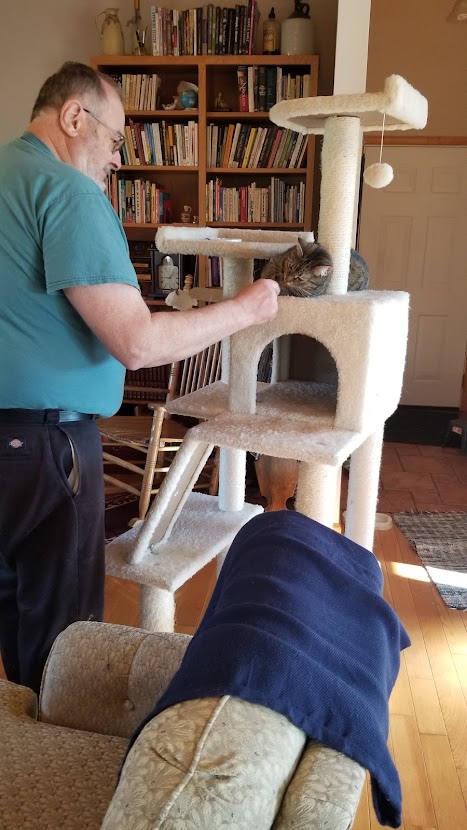
Animals make us laugh. And cry. They engage us in disgusting clean up duties. Dogs or cats in a house are not for everyone. Dad’s policy on the farm was animals belong outside. My farmer neighbor across the road is the same way.
Many older people, especially those living alone, develop great bonds with their pets that give them purpose in living and serve as great company. I saw an older woman carefully pushing a dog stroller, which appears to be a trend. I’m not sure if all stores allow stroller dogs to enter without being a service dog, but most stroller dogs that I’ve seen are well behaved. Once I saw a dog raise a fuss barking at another customer who got too close.
Pets are work, of course. Children are work, spouses are work—relationships take work. A dog or a cat in the house is not for everyone. Animals can make older people accidentally fall. Dogs need walking. They cost money, sometimes dearly. We have never been able to justify spending thousands on a dog or cat to keep them alive or living more comfortably. But that’s up to each individual and their budget and what they can afford.

Children of course also beg for pets, but parents need to carefully consider the pet’s and family needs. Sometimes a kid’s begging can be appeased by trips to a pet store or zoo. And a firm parent able to say “no.”
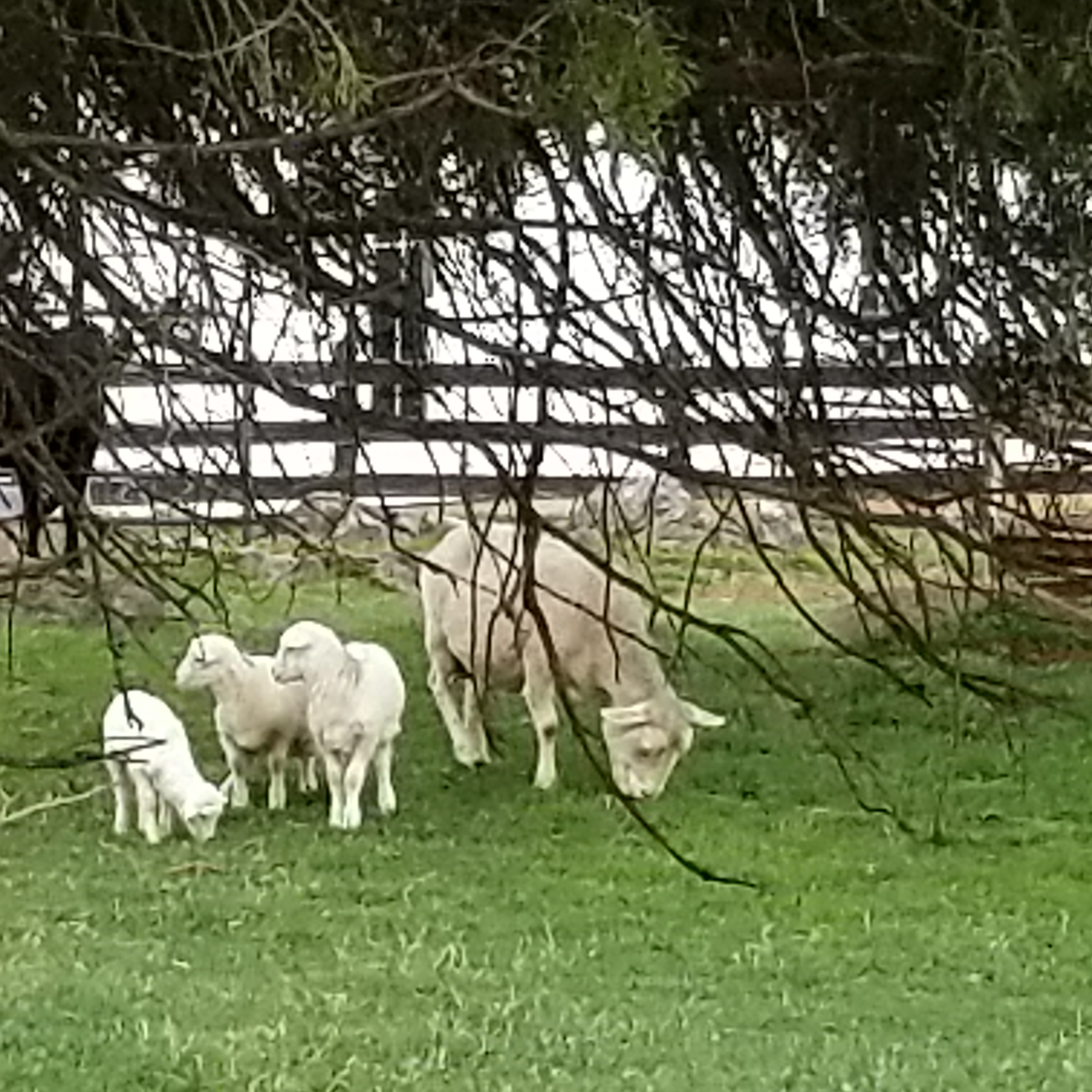
We know that our Creator must have loved animals to have blessed the earth with so many species!
***
My grandsons were all recently spouting off their favorite animals in Marco Polo videos we exchange. Some very exotic! What are your favorites and why?
***
Or, or other cat or dog stories? Comment here or send to anotherwaymedia@yahoo.com or Another Way Media, P.O. Box 363, Singers Glen, VA 22834.
Another Way is a column by Melodie Davis, in syndication since 1987. She is the author of nine books. Another Way columns are posted at FindingHarmonyBlog.com a week after newspaper publication.
Another Way for week of March 11, 2022
When Unimaginable Things Happen
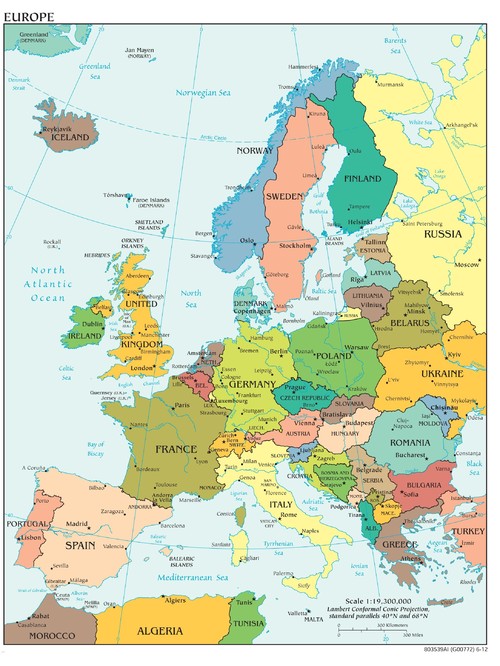
I wanted to write about Ukraine and the deep sorrow I feel for everything that so many folks are going through in this terrible time: innocent children, worried wives, the elderly, and the poor guys left behind to fight. It truly seems unbelievable. But what can I write or say?
My friend, who I first met 52 years ago, was resting at the side of the pool at the wellness center where we both go and are thankful for the availability of water “therapy.” She had her eyes closed. I know that’s a sign not to strike up a conversation. Most of us—if we don’t feel like talking—use the closed eyes to signal: I’m resting, meditating, not in the mood to talk, just being quiet.
When she finally opened her eyes and saw me nearby, she smiled and said she was just trying to “be.” To breathe deeply, let the mind go blank, to rest in the presence of God. I don’t recall her words exactly, I wasn’t taking notes, but I deeply appreciated her sharing her thoughts and moments with me.
We met when we were both entering a Mennonite voluntary service program over 50 years ago, something my father had encouraged us to do. We were roommates during our orientation and even though we have not been close in recent years, her spirit spoke to me that morning as we both were mourning inwardly over the horrible war proceeding in Ukraine.
“I’m leaving it in God’s hands; God is God,” she noted.
As I was contemplating her example and wisdom, the next day the same kinds of truths spoke to me again in a devotional book I use, this one reflecting on Psalm 91 and “the reality that all people die … God is our protector, yet even true followers suffer. Why can’t we quite make this fit? Because we are not God. We do not hold all the pieces of the puzzle” (Rejoice!, March 4, 2022, p. 10, by Barbara Krehbiel Gehring).
I have not been one to say or think that God has a purpose in things like war or the untimely death of a loved one. But when as humans we have no way to change or correct things that are out of our hands, I must ultimately trust in someone bigger than worldly powers.
One of my favorite Psalms, especially in times like these, is the promise and truth of Psalm 62:
“Find rest, O my soul, in God alone; my hope comes from him. God alone is my rock and my salvation; my fortress, and I will not be shaken. … Trust in God at all times, O people; pour out your hearts to God, for God is our refuge” (Psalm 62: 5-6; 8).
So what can we do? We can pray, pray as often as the news bombarding us comes to mind. We may not see answers immediately or at all, but prayer can be a comfort. We can know that God is as grieved as we are when world troubles threaten, or a loved one dies of cancer way to soon.
Reach out in whatever ways feel good to you to help. Send money? Make sure you send to or through an organization that you can trust. Clothing may be needed but often, far too much clothing is sent. Locally, donated food or water can offer sustenance and hope after disasters or in hard times.
What else? Work to be at peace with your own family and friends. Too often we also suffer from discord, arguments, and pettiness. Evil thoughts, comments, and arguments usually don’t do any good, and cause a great deal of grief.
Instead, we should do all we can to lovingly foster understanding, forgiveness, and community. As Psalm 46:1 says, “God is our refuge and strength, a very present help in trouble.”
***
Your thoughts? Write your prayers here?
***
How do you meditate, if you do? Share tips?
Comment here or send to anotherwaymedia@yahoo.com or Another Way Media, P.O. Box 363, Singers Glen, VA 22834.
Another Way is a column by Melodie Davis, in syndication since 1987. She is the author of nine books. Another Way columns are posted at FindingHarmonyBlog.com a week after newspaper publication.
Another Way for week of March 4, 2022
Two Years of a Pandemic
Who of us thought it could truly, really happen? A worldwide pandemic. The stuff of novels, movies, the rumbling of obscure scientists?
What were you doing two years ago in early March? When did you catch a drift that the world was changing? When did you come to grips with our new reality as world citizens?
For my husband and I, the bottom really dropped out (we thought), when, after diligently doing pre-op therapy for my husband’s knee surgery on March 10, 2020, our chosen rehab facility suddenly announced it was closing. Shuttered. No one admitted. How could they just do that?
Do you remember how empty the grocery store shelves were? The wiped-out aisles of toilet paper (pun intended)? The scarce ground beef? No flour or yeast in the baking aisle? Tears came, unbidden, to my eyes. How weird it felt to walk into the grocery store with a mask on! What would people think? The little girl—who had not yet learned about social distancing—standing way too close to me in the check out line. The other children I saw (few and far between) who looked so proud and grown up to be wearing masks too.
I remember the elation and happiness and “the world coming together beautifully” feelings upon getting my first vaccine shot and finding that many others of all nationalities and faiths had driven, like we had, miles to find a drugstore that had available appointments for the shots.
One of my grandsons (age 3) is still waiting to for his vaccination which is stressful. People are not wearing masks to run into Walmart, we may not be washing our hands for 20 seconds every time, we may not be cleaning off the light switches every week or disinfecting the gas pump nozzle.
Most of us know dozens—(hundreds?) of folks who’ve had Covid and probably at least a half dozen who’ve died of it. The hub and I struggled through ten days each of isolation after our own positive tests: hub with the real deal, and mine asymptomatic.
What have we learned from this historical—and hysterical time?
God is near. Although I must say that after two years without attending church very often in person (we are able to watch online every week at home), I can see how easy it is to get out of the habit.
We have learned that people can be kinder, more generous, giving, sacrificing their own lives and comfort than we could ever imagine. Thank you, healthcare people!
We found another rehab place, which was even better suited to our needs.
We discovered we can eat outside on chilly fall days with family, get married outside in the middle of January, enjoy conversations outside. In our mild climate zone we did just fine. And if we wear masks, they even keep us warmer, right?
I don’t know how many times I’ve pondered the death of my oldest aunt Mabel who died in the pandemic of 1918-19. (She went to a funeral for a friend one weekend, and the next weekend her family had to have a funeral for Mabel.) Since I never met this aunt, I feel like I know her now—or at least better understand those dreadful times.
We have lost too many people—friends, relatives, church members, family, former co-workers. Some from covid, many from other illnesses and old age (my mother being one). It has been a sad time but we rejoice that in spite of everything, they are truly in a much better place. With the invasion of Ukraine, I have been so glad my mother has not had to worry about what could be ahead—living through World War II was difficult enough.
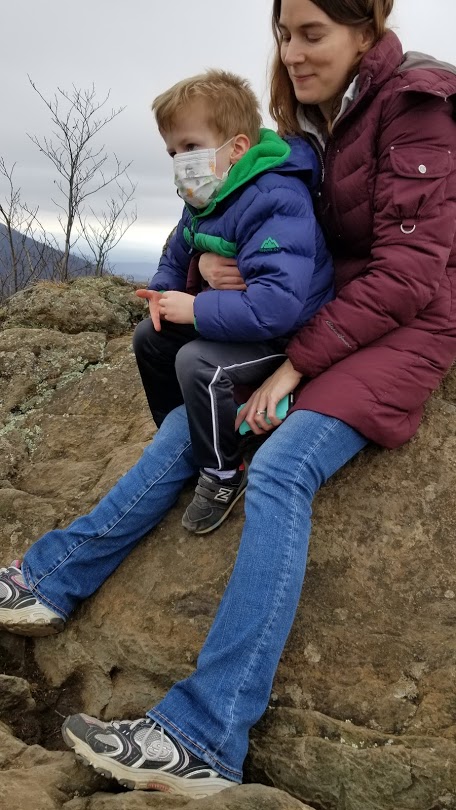
I’ll end this with the reminder again that God is near, caring for us—and all the refugees—just as he cares for the birds of the field, according to scripture. And may we continue to care for each other and hang on to the good we find.
***
I’d welcome your thoughts and pandemic stories, early memories or reactions.
Have you lost family members or friends to covid?
What have you learned or gained during this time of more isolation and staying at home?
How are things going in your area of the world?
Comment here or send to anotherwaymedia@yahoo.com or Another Way Media, P.O. Box 363, Singers Glen, VA 22834.
Another Way is a column by Melodie Davis, in syndication since 1987. She is the author of nine books. Another Way columns are posted at FindingHarmonyBlog.com a week after newspaper publication.
Another Way for week of February 25, 2022
What to Do with that Old Stamp Collection?
The other week I was shocked to suddenly find my old stamp collection. I wasn’t even especially looking for it. I was just going through an old cabinet in the basement. There it was. Stamps from earlier days on my job where I had to handle much of the company mail, including many letters from countries all over the world. I was excited. What were they worth?
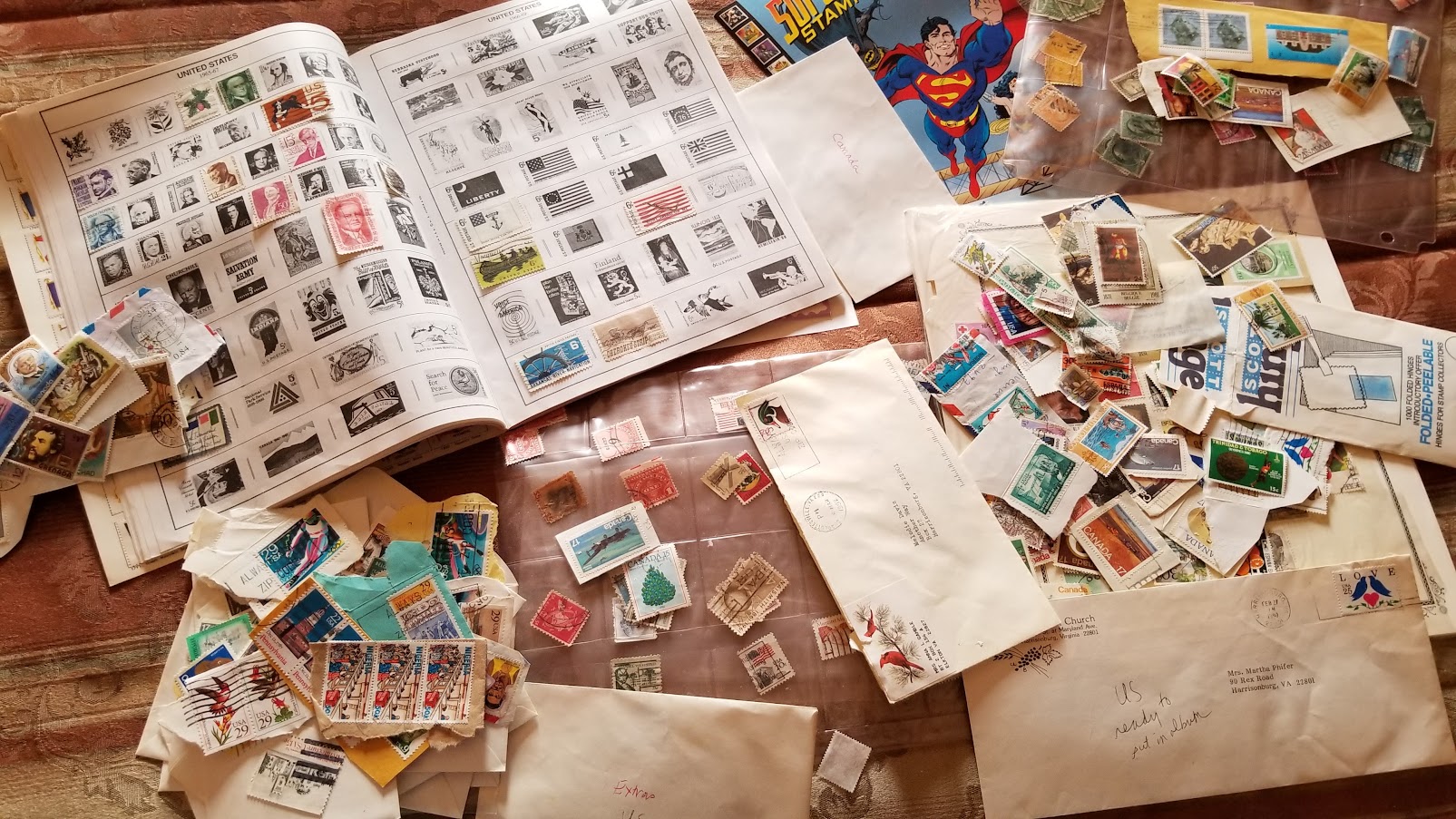
Then I remembered a cousin who paid for much of his college education when he sold some of his stamp collections. That was like 45-50 years ago. Some of my stamps were that old and older. So I posted some of the stamps on Facebook Marketplace, just testing the waters.
I soon learned they were worth zilch. Nada. Not even a nibble. Basically, unless you have an unusual stamp that was printed upside down (or other oddity), they don’t bring much money. People only wanted the mistakes, the misprints.
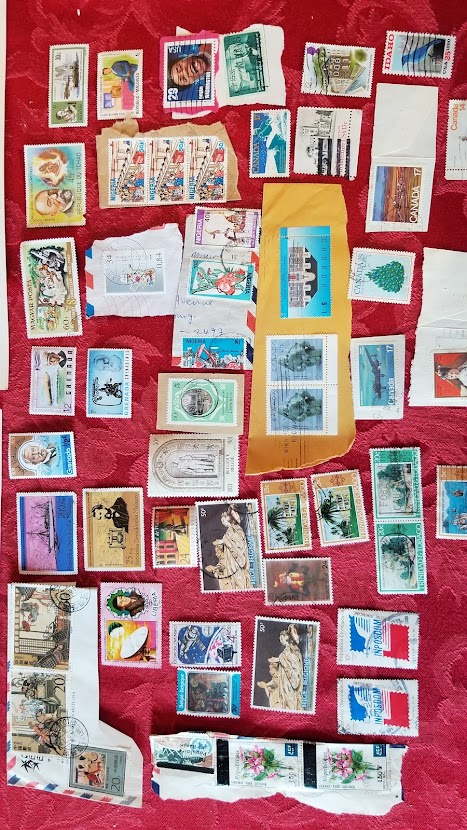
Whatever happened to stamp collecting? Countries put out great art and photos on stamps honoring their presidents, actors, kings and queens, holidays, sports figures, you name it. You can learn geography, history, literature, musical greats from studying stamps. I reviewed some of my geography history looking at stamps from countries which changed names.
But stamps, like many antiques, are no longer are worth much of anything.
Sometimes wounded veterans feel they are not worth much of anything either. That’s why I was glad to discover an organization introduced at our Lions Club meeting recently. We were told that Stamps for the Wounded is eager to get stamps for wounded or disabled veterans who enjoy either collecting the stamps, or making art out of them, or trading them.
The organization reminds us that when you have wounds that no longer allow you to get around, especially as you reach your upper years, you might be eager to try this longtime hobby, just for the fun of it and not because of monetary value.
I’m retired and while it’s nice to not have to go to work, I enjoy being busy on various projects. The organization’s website says “those who endure enforced idleness with the often-accompanying boredom, loneliness, frustration and despair” may welcome sorting and steaming off stamps from envelopes.
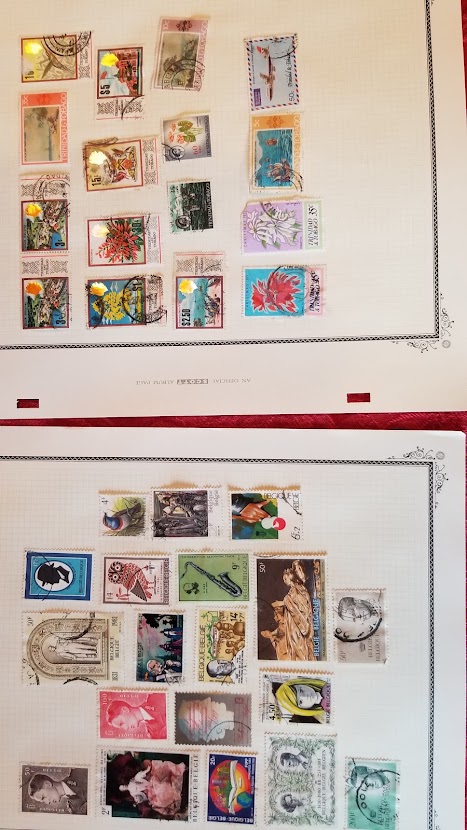
If you decide to cut out stamps to send to the organization (who give them to wounded veterans), leave about ¼ inch of the envelop around the stamp. Don’t try to remove the stamp from the envelope. Stamp collectors use steam but that’s part of the challenge or activity for the veterans who receive the stamps.
The organization says that “stamps can almost perform miracles for bedridden patients, long-term treatment persons, and those just convalescing from surgery. They can sort and mount stamps while in bed. If ambulatory, or even in a wheelchair, they can pass interesting hours soaking stamps and mounting them in albums.” Some use them to make greeting cards, or cover decorative boxes.
If you are able bodied and have the time, I also encourage you to look into other civic clubs or organizations, charities, and churches who could use volunteer help. The bonus can be not only helping other people, but relieving your own boredom or loneliness!
I was happy to declutter part of my cabinet by boxing up the stamps I found and sending them off to the address below! Having a wounded veteran in my husband’s family has helped make me aware of the long-term suffering and damage so many have experienced—often for the rest of their lives.
Stamps and other materials may be sent to Stamps for the Wounded, P.O. Box 297, Dunn Loring, Va., 22097-0297 USA or read more about the organization via email at their website: www.stampsforthewounded.org
***
Have you or any of your siblings or children spent time collecting stamps? I would love to hear from anyone who has been able to sell or trade stamps either years ago, or more recently!
Comment here or you can also send comments to me at anotherwaymedia@yahoo.com or Another Way Media, P.O. Box 363, Singers Glen, VA 22834.
Another Way is a column by Melodie Davis, in syndication since 1987. She is the author of nine books. Another Way columns are posted at FindingHarmonyBlog.com a week after newspaper publication.
Another Way for week of February 18, 2022
An Unusual Love Story
How did the way your parents live influence you own path? What stories come to mind? Did they have a positive or negative impact?
Last week I shared the story of where my mother got my name—and the unusual spelling she used. Wouldn’t having a name like Mary been much easier? Maybe, but it wouldn’t have this inspiring story behind it.

Mom read a story Unspoken Love in a weekly magazine for youth back in the 1940s, Youth’s Christian Companion. It is actually the true story of a family whose son went off to fight in World War II kind of on a whim. Millard, the oldest son, had a difficult relationship with his father, and after yet another misfire of communication, ended up signing up for military service one day in a nearby town when an officer enticed him with all the advantages for Millard at age 18. He would be paid much more than what he earned by “working out” as was common in the ‘40s—young boys and girls hired out to neighboring farms or homes and receiving room and board free as part of their wages. They usually had to turn in part or all of their pay to their parents. In this case Millard at first was making $2.50 a week, which he turned in to his father. He, like many others, quit school after eighth grade.
Milliard truly felt unwanted by his father at his home for reasons which become obvious late in the novel. Christmas Carol Kauffman, an avid novelist of the time (and one of the few Mennonite female writers then) was told this story and given letters young Milliard had written home as he served in Europe, Africa, and Italy. She had also lived through the war and knew some of the history, but did additional research for the novel. Young Millard never had a girlfriend like most of his cohorts in the army, although he was infatuated with a young woman at home, Melodie Ann. She, too, admired him from afar, but knew that Millard had never become a Christian. Eventually he became a genuine Christian (and not just the foxhole kind) and was hoping to get home to begin a relationship with Melodie.
I won’t go into more detail here to spoil it for other readers, but I wish I had read this book before my own mother died last fall. I had a copy, but just never felt like digging into a World War II era book. Mom had often told me about the story appearing in a magazine from her church, and wished I could read it because it was where she got my name, Melodie Ann. She read it in serial form and didn’t know that years later the book was published in hardback. Several years ago I found a hardback version and bought one, but never got around to reading it. The ways that Millard’s family relationships changed, after his father finally decided to become an active Christian, are inspiring.
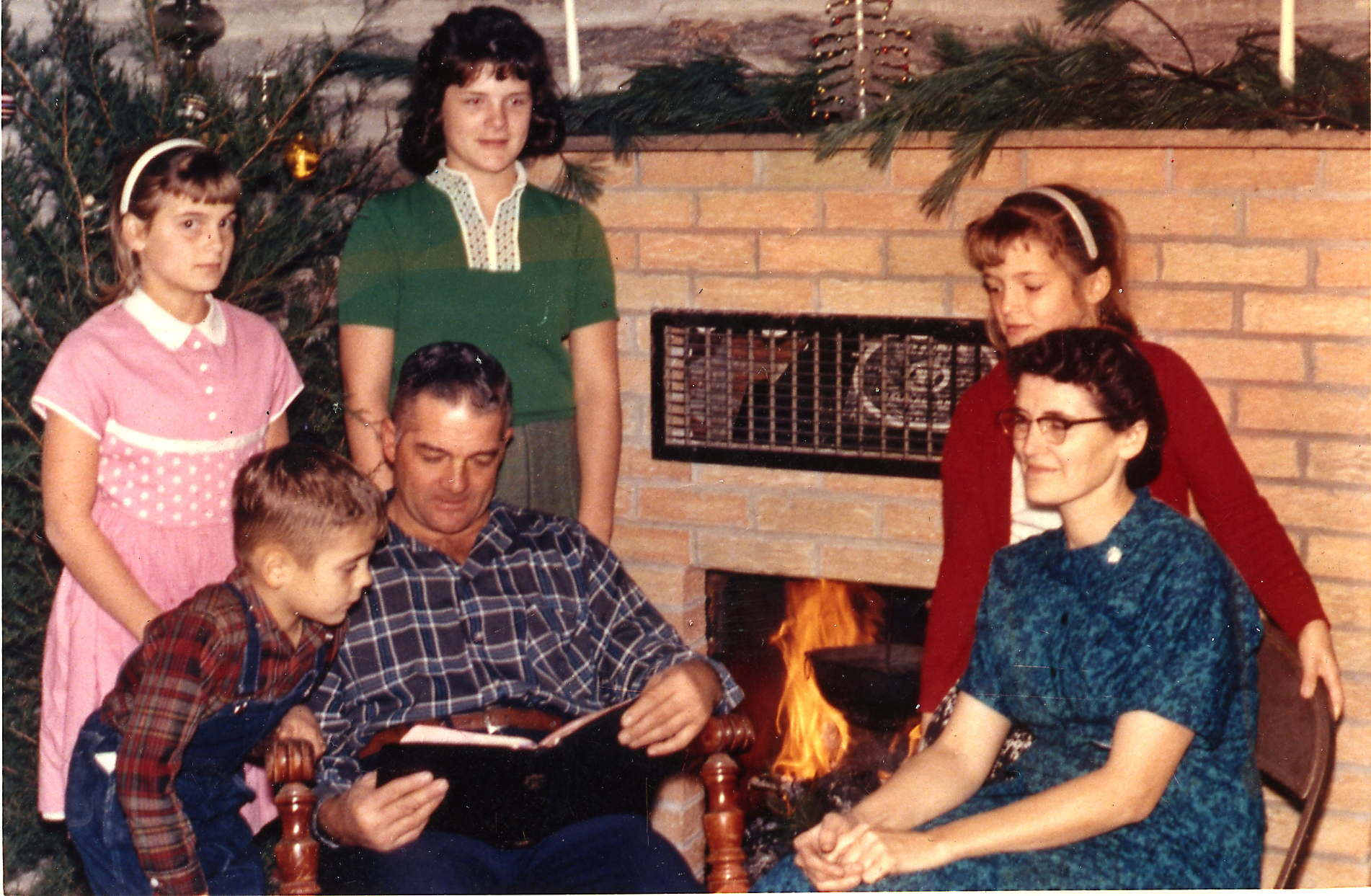
My mother and father also lived through WW II. As a conscientious objector, Dad worked in forestry, conservation projects, and in a mental hospital. He often told us stories from the mental hospital and emphasized that he would have volunteered to serve as a non-combatant in the army if he had been allowed to help both sides. Like thousands of other couples, they got married at the end of the war.
In the book, Melodie Ann Brooks was a girl with a sweet disposition, honest, helpful and beautiful. I cannot claim all of those attributes, especially the last one, although my husband claims it. But now I know that the ways my parents raised me—apart from my name—were life-forming. They guided me into a strong faith. They lived their love by example. I only hope a little of that rubbed off on me—and onto our own children.
May it be so in our families and communities.
***
P.S. I wrote this of course before the war in Ukraine broke out. I’m sad–my heart breaks–for all those suffering and stressed and shivering in fear and cold. The scenes on our screens are disturbing. I stay in prayer for a quick end and relative peace to return. The war depicted in Christmas Carol Kauffman’s book brought the terror and the suffering closer for me.
***
What are your thoughts? What do you remember from parents or grandparents speaking of World War II and U.S. involvement? Share prayers and hopes here if you wish.
***
You can find Kauffman’s book Unspoken Love at Amazon and other used booksellers online. Send comments or your stories to me at anotherwaymedia@yahoo.com or Another Way Media, P.O. Box 363, Singers Glen, VA 22834.
Another Way is a column by Melodie Davis, in syndication since 1987. She is the author of nine books. Another Way columns are posted at FindingHarmonyBlog.com a week after newspaper publication.
Memoir Writing
When the Goal is in Sight!
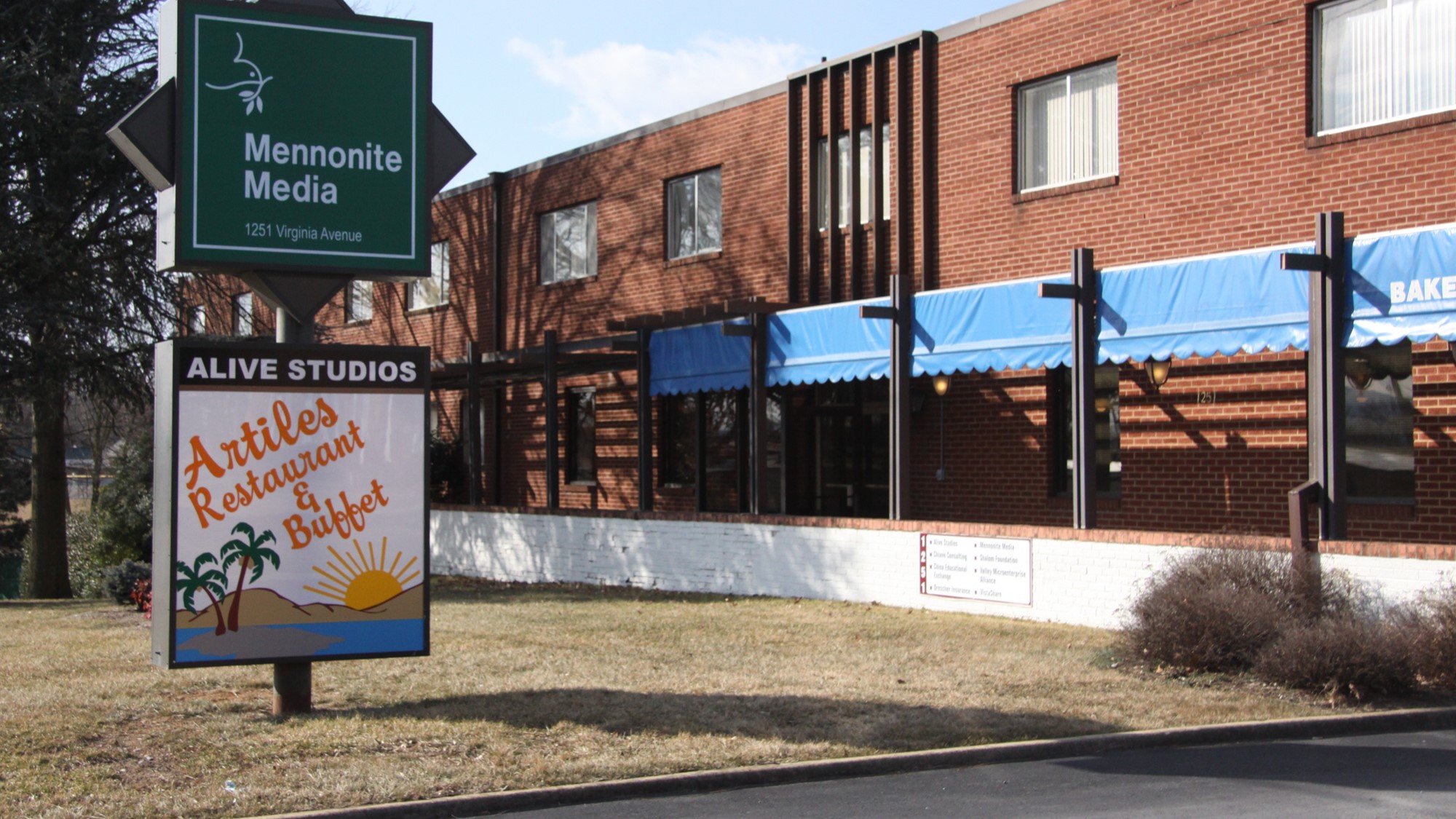
I’ve been buried in photos, but here’s a quick update. We are on target to publish Memoir of an Unimagined Career: The Inside Story of 43 years at Mennonite Media sometime this summer. Masthoff Press have agreed to publish it and I’m excited for their reach and contacts. Elizabeth Petersheim there has been beautiful and agreeable to work with and she handles many aspects of a book moving through their system.
I have never included photos in one of my books before. But for this project, I have felt it essential to use photos (about 25 or so) in order to help readers visualize the scope and mission and people involved in a ministry that reached around the world. Not to mention the passage of time during a huge chunk of my life so far.
So, choosing and organizing and writing captions—and keeping them in the right order for the right pages—has caused me a headache or two, but I’m getting there.
And that’s why I’m writing today: whatever your goals, whatever your project, just keep plugging away (at least if it is doable) and you’ll get there. Don’t feel like you have to set aside a week or a month to arrive at a goal—ten minutes here and there are catchable if we grab them. When setbacks sneak into your schedule, swallow, take care of the project or people who need your attention, and then go back to the goal when you can. That’s easy for a retiree to say and much harder for a young or middle aged parent or hard working and paid employee to do.
Here’s a photo that may pique your interest, I hope! And keep you hoping and hopping to complete whatever you’re working on along these lines!
Another Way for week of February 11, 2022
What’s In a Name?
Do you know why you were given the name you were given? If you still have the name your parents gave you, is it one you like, love, or just tolerate?
I’ve often been complimented on my name, which of course I had absolutely no part in choosing. But I do feel it was a special name and now that I know more about how my mother landed on my name as Melodie Ann Miller (spelled like that), I’m feeling very happy. It’s kind of a long story, one I only recently got more background on.
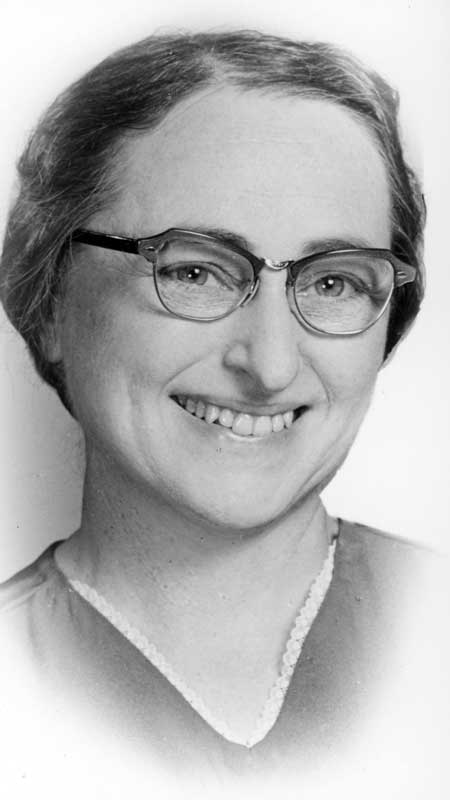
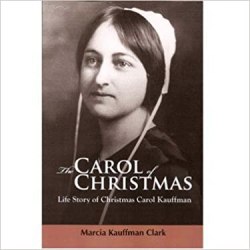
My name can be credited as coming from a well-known Mennonite writer at the time with a much more unusual name than mine, Christmas Carol Kauffman. Her name was so unusual in fact that as a young girl, she pitched a small fit to her mother before she started school, wondering why they had to name her “Christmas” for crying out loud. (“And wasn’t it bad enough that I didn’t have a special day for my birthday?” she complained.) She was worried she would be made fun of at school when she told the teacher her name. She was born on Christmas in 1901, a few weeks early, and that’s why her parents went for what to them was an obvious winner-of-a-name. It became her signature name on all her books—nine novels altogether— although she went by her middle name, Carol.
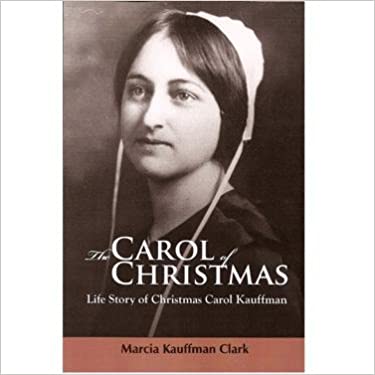
What delighted me most in reading the book her youngest daughter, Marcia Kauffman Clark, ended up writing about her mother’s life, The Carol of Christmas: Life Story of Christmas Carol Kauffman. Carol got her start in being published in a way similar to mine. While attending small Hesston College (Kansas), a professor sent one of her fiction stories to a Mennonite publication at the time, Youth’s Christian Companion. The editor and readers loved it and over the years she wrote more than 100 short stories published in that small magazine (which teens sometimes read sneakily in church, ahem!). She also wrote longer fiction that was published in serial form in that magazine.
I got my start being published when a junior high teacher of mine sent an essay I wrote to the local newspaper—where it was published. The encouragement of teachers is often such a pivotal, important factor.
I love this history. My mother had always told me she got the slightly unusual spelling for my name (Melodie instead of the more common Melody) in the book, Unspoken Love where there was a very sweet girl/woman character named Melodie Ann. What I didn’t know was that this book was not published in hardback form until after Christmas Carol’s death at the age of 67. I had not realized, either, that Carol was close in age to my own grandmother Ruth Stauffer, who was born in 1896, just six years after Carol. (Ruth lived to be 95 and died in 1991.) So as I was reading the biography by Marcia, and it stated that Unspoken Love was not published until 1971, I thought hum, that doesn’t add up. I was born twenty years earlier in 1951. So my mother, who is also now deceased, had read the story in its serial form published in Youth’s Christian Companion.
This probably doesn’t matter to anyone else but me but I was fascinated by the history. It also makes me wonder if somehow hearing about this writer might have influenced me to try my hand at writing. Carol Kauffman, I am finding out, was an excellent fiction writer. I on the other hand have yet to seriously try writing fiction.
What I hope this inspires this Valentine’s Day week is encouragement to find out where your name came from—and how it influenced you, if at all. If you were named after a grandmother, father, or other kin, is the connection for you good and positive and life-forming?
Next week I’ll write more about the story found in Ms. Kauffman’s Unspoken Love, and the character that Mom loved and named me after.
***
Do you know why you were named the way you were?
Did your children receive special names? Were there names you wanted to use, but didn’t or couldn’t for whatever reason?
***
Also, please let me know if you have read any of Christmas Carol Kauffman’s books or stories!
Send comments or the story of your name to anotherwaymedia@yahoo.com or Another Way Media, P.O. Box 363, Singers Glen, VA 22834.
Another Way is a column by Melodie Davis, in syndication since 1987. She is the author of nine books. Another Way columns are posted at FindingHarmonyBlog.com a week after newspaper publication.

 findingharmonyblog