

June 2, 2021
A few years back my boss decided to send me to a Christian women’s blogger’s conference called Allume which brought together speakers and potential authors that our publishing company, Herald Press, wanted to nab.
It wasn’t far from where my middle daughter and her husband were living at the time, with our first grandchild.
Did I say jump at the chance?
One of the speakers was Rob Eagar who presented a seminar on marketing. He’s written a book called “Sell your Book Like Wildfire: The Writer’s Guide to Marketing and Publicity.”
Publishers have always expected authors to work hard in helping to sell their own books, but the difference between the 1980s when I got started, and the 2020s that we’re in now—is like being on a different planet. In the 80s, I had never heard of a “platform” unless it was the thing a speaker stood on when invited to give a speech somewhere. Only the most popular and bestselling writers were sent on book tours—planned and paid for by the publisher. Who gets that treatment nowadays? Not. Very. Many.
So, I’ve been keeping Rob Eagar’s book in the event I get to make use of it for this memoir.
Then more recently, the first thing I read one morning just stopped me. It was written by Margot Starbuck, author of numerous books. I got to meet her once and she’s as fun and down to earth in person as in her videos. In a newsletter, she wrote that whatever you write, make sure your book has an innate appeal to your reader. An author needs to be able to spell it out to a potential purchaser in a sentence or less. Most of us want to read things that we feel will benefit us, entertain us, or give us information that we wouldn’t get otherwise.
I’ve signed up to receive her updates and helps. Margot is such an encourager of writers, and of helping others find their calling and a solid avenue to publication. There are of course many myths out there and misconceptions and she is a wonderful help as she shares about those.
She really hammered me the other night, with a post about making sure your nonfiction book — including a memoir — are about more than you: they should be a help and inspiration to the reader.
Yes and yes, of course! I knew that. But now I must ask myself: is it coming through sufficiently in the chapters and prose I’ve written? (I’ve made notes to make sure I check myself as I soon take a pass through the whole rough draft, working towards a final edit.)
Here are some tips from Margot Starbuck in a FREE Wordmelon coaching doc: About the Reader.pdf. And here’s a link to the website with much more!
(And wouldn’t you love to drink a cup of that wonderful coffee this morning?!)
Another Way for week of May 21, 2021
A Revival of Roadside Picnic Areas
My husband and I have been enjoying a renewed use of roadside rest stops and picnic tables. That’s one good thing I’m celebrating from our months of you know what.
When I was quite young, I remember roadside picnics with a cement or wooden picnic table or a blanket on the ground. We would often either pack sandwiches and chips for a day trip. Or, on a longer trip, we’d stop in a grocery store in a strange town and go wander the aisles and pick out our favorite cold meats, cheeses, loaf of bread, chips or other snacks, and some fruit or Twinkies. And a carton-sized container of juice or chocolate milk. If memory serves me correctly, this would have been our family “motoring” in a 1949 era Chevrolet.
Are you old enough to have experienced this kind of family fun?
Roadside parks began in the early days of “autotouring” or motoring in the 1920s which today we would call the road trip. Herbert Larson is credited with coming up with the idea of saving strips of land along the ever-increasing highways spreading across our country. He had in mind helping to preserve virgin hardwood trees “so that posterity could see and enjoy nature…” and serve as a place for picnicking. The very first such roadside park was located north of Indiana (where I lived) along U.S. 2 near Iron River, Michigan. I first experienced this kind of roadside lunch on our way to Little Eden, (MI) which was a church camp. A family photograph shows one such picnic on a blanket, where one of us children spilled a bottle of drink and dear Mom was trying to clean up the mess.
Then along came restaurants and fast-food. Over the last 40-50 years instead of packing a picnic lunch and stopping at a roadside table or park, most of us stopped at fast-food restaurants. Or more recently, perhaps food trucks.
A Wikipedia entry says that 10 years ago an estimated 2000 highway rest areas helped wake up motorists. I was not able to find reliable data on how many are open today. As recently as five years ago, an online article bemoaned the closing down of many of these roadside oases.
But I’m sensing a revival—at least in the parks I have seen where more people are taking advantage of outside tables to stretch legs and hips, walk dogs, and let the children run free for a while. In some ways it’s another form of today’s football tailgating picnic before a game.

Of course you want to use such roadside spaces carefully, bringing along a tablecloth or simply a roll of paper towels to cover your eating area, and hand cleaner. Bring your own water or drinks so your picnic will be as hygienic as possible. I pack a very lightweight ice chest and keep in outside pockets a wrapped sharp knife and some plastic (or not) spoons and forks so those basics are always on hand without extra packing. And with the ice blocks that arrive with every shipment of one of my husband’s medications, there’s always plenty of ice readily available to keep things cold at least two days (perhaps not in hot summer).

I’m happy for a new interest and use of road side parks or picnic tables. When I lived in north Florida, there was a wayside park at the beach and since the beach area was in a relatively rural area, we were happy picnickers when we arrived and were able to claim the free table for a half or full day. There was even a concrete grill available to cook some meat or toast some marshmallows.
Such parks are absolutely free to visit (well, maybe other than paying state taxes if they’re in your home state) and a great way to enjoy the natural beauty God created. Bon appetít!
Send your memories, comments, or stories to anotherwaymedia@yahoo.com or Another Way Media, P.O. Box 363, Singers Glen, VA 22834.
Another Way is a column by Melodie Davis, in syndication since 1987. She is the author of nine books. Another Way columns are posted at FindingHarmonyBlog.com a week after newspaper publication.
Another Way for week of May 14, 2021
The Final Days of Nixon
I recently read The Final Days, about President Richard Nixon’s extremely troubled second term in office. Why read a book from almost 50 years ago? It was written by Bob Woodward and Carl Bernstein, the same pair that wrote the first book about that drama, All the President’s Men. Hang on and we’ll reach my point which applies to all.

I love history, and this happens to be a piece of history I lived through but didn’t have a very complete picture. I was studying in Spain during the aftermath of Watergate, from the fall of 1973 to summer 1974, and we never knew what we could believe in the Spanish papers. Spain’s “dictator” Generalissimo Francisco Franco was still ruling. We experienced the press there as somewhat hard to believe, but maybe it was just because we (and me especially) weren’t that good at Spanish, and missed or miscued some statements. At any rate, in the days leading up to when Nixon actually resigned (August 9, 1974), I was glad I was back home because I could read the papers in English.
This book spells out the details of the final days of Nixon’s presidency in almost tedious, plodding fashion with so many names that still ring a familiar bell in my head: Joseph Califano, Charles Colson, Archibald Cox, John Dean, John Ehrlichman, Alexander Haig, Leon Jaworski, Henry Kissinger and many more. But the plot (even though we kind of know it) gets increasingly involved and detailed. The authors interviewed over 400 people, helped by two other full time writers sorting things out and organizing timelines. What a monumental effort.
Some non-political details that struck me in this book: frequent references in descriptions of how tanned someone looked. This was in reference to men, (there are a lot of men in this tale). The tan was actually a marker that they were rested and had enjoyed some golf or cruising the Potomac on the Presidential yacht, “The Sequoia.” In 2021, most of us don’t consider being tanned something to aspire to—at least not in my family with numerous precancerous skin tags.

I was also startled by a reference to one staffer being given a dime to go make a phone call. I checked that illustration with my husband: “In 1973 did it only cost ten cents to make a call from a public phone or booth?” We finally agreed that yeah, it was probably a dime. A dime. A phone booth. They also sent telegrams. I can only imagine the fast and furious texts they would have sent back and forth if cell phones and smart phones had been invented. Things (like Nixon’s stewing over the decision to resign or not) changed by the day and sometimes by the minute.
The book started out slowly and frankly, boring. But as it went, I was taken in by the incredible details that Woodward and Bernstein incorporate. The writers include intimate, insider descriptions of how the family members were reacting to the drama—and not agreeing on whether or not Nixon should resign. I felt sympathy for Pat Nixon who never wanted her husband to end up in that job anyway, and then to face impeachment and resignation.
The ending—even though we pretty much know what is coming—is devastating. No matter what your politics, no matter that Nixon was guilty of some of the coverup and lied as necessary to protect his friends and his office, to see (described) the heartache and pressure and emotional turmoil the whole family went through is heartrending. At one point we learn that both Alexander Haig (Nixon’s chief of staff) and Nixon got down on their knees together—well, I’ll let you read it and decide. The book should still be available in any good library.

Given what the U.S. has been through here in early 2021—another impeachment, a contested election, an assault on the Capitol itself, killings—it seems we all need to get down on our knees praying for our leaders and ourselves.
What do you remember about this era? Phone calls for a dime?
Do you enjoy reading and learning about history?

Comment here or send stories or,questions or stories to anotherwaymedia@yahoo.com or Another Way Media, P.O. Box 363, Singers Glen, VA 22834.
Another Way is a column by Melodie Davis, in syndication since 1987. She is the author of nine books. Another Way columns are posted at FindingHarmonyBlog.com a week after newspaper publication.

Another Way for week of May 7, 2021
(Editor’s Note: Last in an eight-week series on “Let’s Hear It.”)
The head principal from a local high school spoke at our Lions Club in March sharing how their school was doing amidst the pandemic. I’ve written several times about the experiences of my own small grandsons in virtual learning, but it was extremely moving to hear about the new realities that have faced our teachers and administrators across North America and around the world. Perhaps there have been three new R’s added for education: Revolutionary, Resilience and R’extraordinary.
Head principal at Broadway High School, Donna Abernathy, said that last fall she shared a quote with staff from “teachergoals” twitter page: “The upcoming school year might be one of the toughest ever to be an educator. It might also be the most revolutionary year ever. Mindset will be critical.” They found this to be true, admitting there were tears, stress, frustration, many long hours, angry parents, and pivoting in their planning. “We pivoted approximately 422 times in the course of the year” she jested. Her frequent response when someone raised a new issue was, “I don’t know, but we’ll figure it out.”
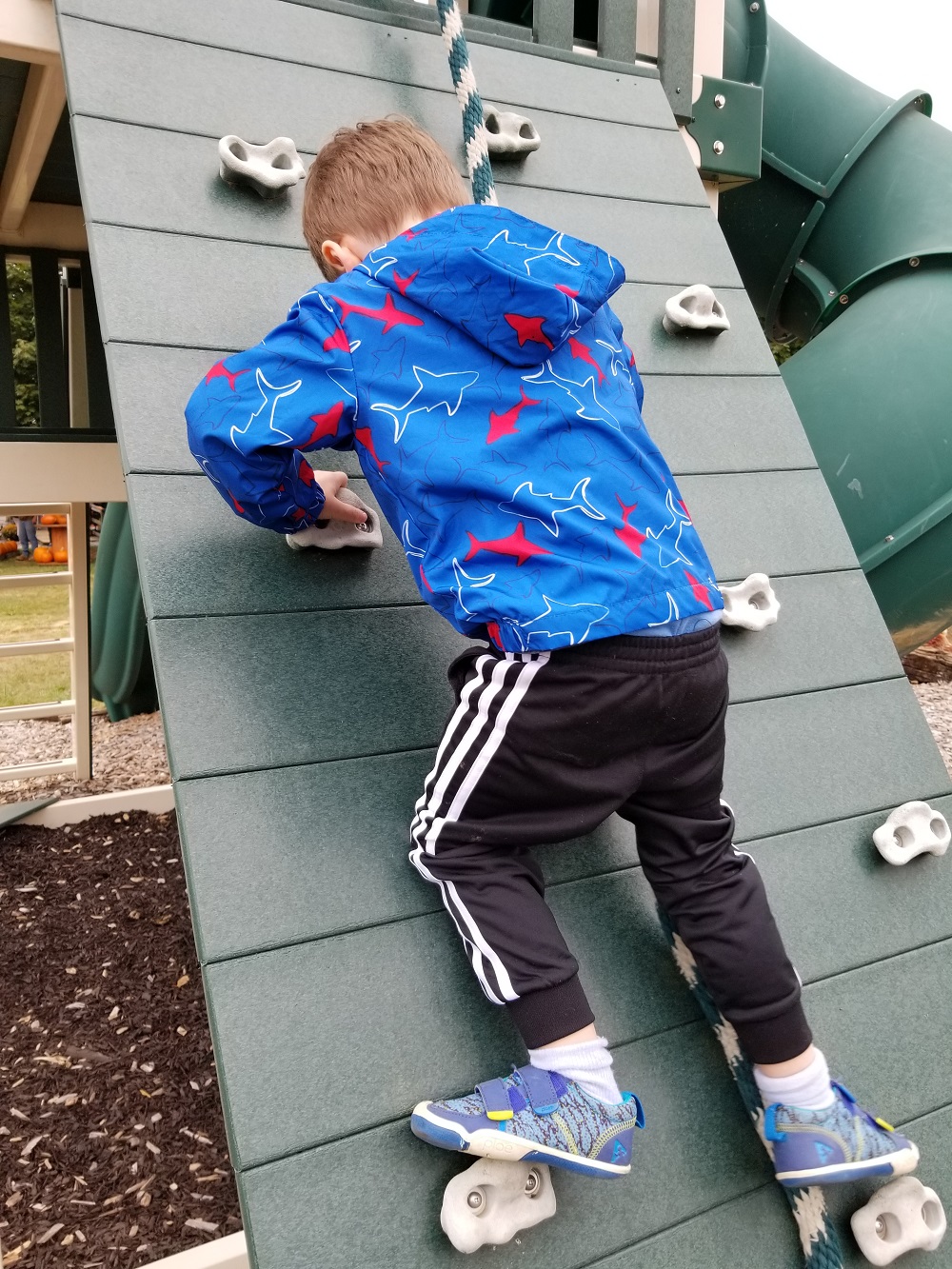
When you think about everything our schools, administrators, and teachers have endured, we can better empathize with what children in war zones have experienced—no schooling for sometimes years on end. I know parents who pondered whether the experience was adversely affecting their kids’ futures. Would their children fall behind on college choices, job opportunities? I think the key word here though is the R word: Resilience.
Staff and students showed resilience as they came up with new ways to present theater, concerts, graduations, parades. The principal noted that kids have learned to be self-advocates, speaking up, asking questions, developing skills in managing schedules, and getting things done. There have obviously been drawbacks and health concerns for some including an increase in eating disorders and unstable mental health. Some have seen grades plummet in the less structured atmosphere.
Managing bus transportation was also a huge challenge. Initially, buses could only have one child per seat, with an empty row in between. As parents juggled childcare options before and after school, it sometimes meant changing bus routes. Abernathy said, “This caused changes for other families’ assigned buses, routes, and pick up times.” Parents were encouraged to drive their students to school. On the tech side, some teachers got up at 5 a.m. to deliver print materials to students without good Internet access. And of course, if someone was identified as ill with covid, staff spent hours doing contact tracing which took “just an incredible amount of time,” Abernathy noted.
The room layout of classrooms changed dramatically for the first time in 100 years, from classrooms with straight rows of chairs and desks to triangular layouts. School custodians added duties of fogging buses every day, hourly wipe down of light switches, revamping air handlers and changing filters, installation of plexiglass in offices and other rooms. Traffic lines in hallways and steps were created with paint or stickers.
On the positive side, approximately 70 percent of students in our area recently returned to four-day schedules at schools, with others opting to continue “virtual only” classes. Schools in our county cooperated with teachers from other schools to provide the needed virtual (video) classes, either live or recorded.
But the kids who came back to actual classrooms, “are just so excited to be back in school,” Abernathy said, and willing to obey protocols, following traffic lines like “bosses.”
An outlet for many students, sports, added new challenges. Games or schedules could be cancelled at the last minute due to covid cropping up. Teachers and administrators had to turn into “mask police,” especially at sporting events. But the administrators are willing to play that role because “our kids need that outlet of sports” from their pandemic confinement and frustrations.
But perhaps the most outstanding gift of the greatly disrupted schooling she mentioned was “more compassionate kids.” That brought tears (and still does) to my eyes. They may have also learned not to take the privilege of going to school and friends and life itself for granted. What amazing side gifts. May these learnings last them a lifetime.
How have your local schools and students handled education challenges this year?
As a parent, how did you feel at the beginning of the year, and how do you feel now as we near the end of the school year (in most areas)?
If you are a teacher, what has been your experience?
Post on Facebook or send comments or stories to anotherwaymedia@yahoo.com or Another Way Media, P.O. Box 363, Singers Glen, VA 22834.
Also a reminder that I’ve got a giveaway going on: Send your name to enter a drawing for one of two copies of my 1983 book, Working, Mothering, and other “Minor” Dilemmas. Please makes sure it is postmarked or emailed by May 22, 2021.
Another Way is a column by Melodie Davis, in syndication since 1987. She is the author of nine books. Another Way columns are posted at FindingHarmonyBlog.com a week after newspaper publication.
Another Way for week of April 30, 2021
(Editor’s Note: Seventh in an eight-week series on “Let’s Hear It.”)
A few days ago, I reminded my husband, “Forty years ago today I went into labor.” It was our first baby and the labor was extra easy, about six hours total. And later we went through two additional labors, much longer and more intense, but there is something about the first time that initiates you and makes the memories stand out as pillars in your life.
Forty years ago I had planned to have lunch with a coworker that day. My husband and I both remember that lunch keenly because I had garlic, and he did not—he ate his regular packed PB&J at the warehouse where he worked. Evelyn and I indulged in something Chinese. When I went into labor that evening, husband told me later: next time, please don’t have Chinese food for lunch. As if that was the major hard thing anyone was enduring that evening. But I did apologize. After losing my lovely lunch.
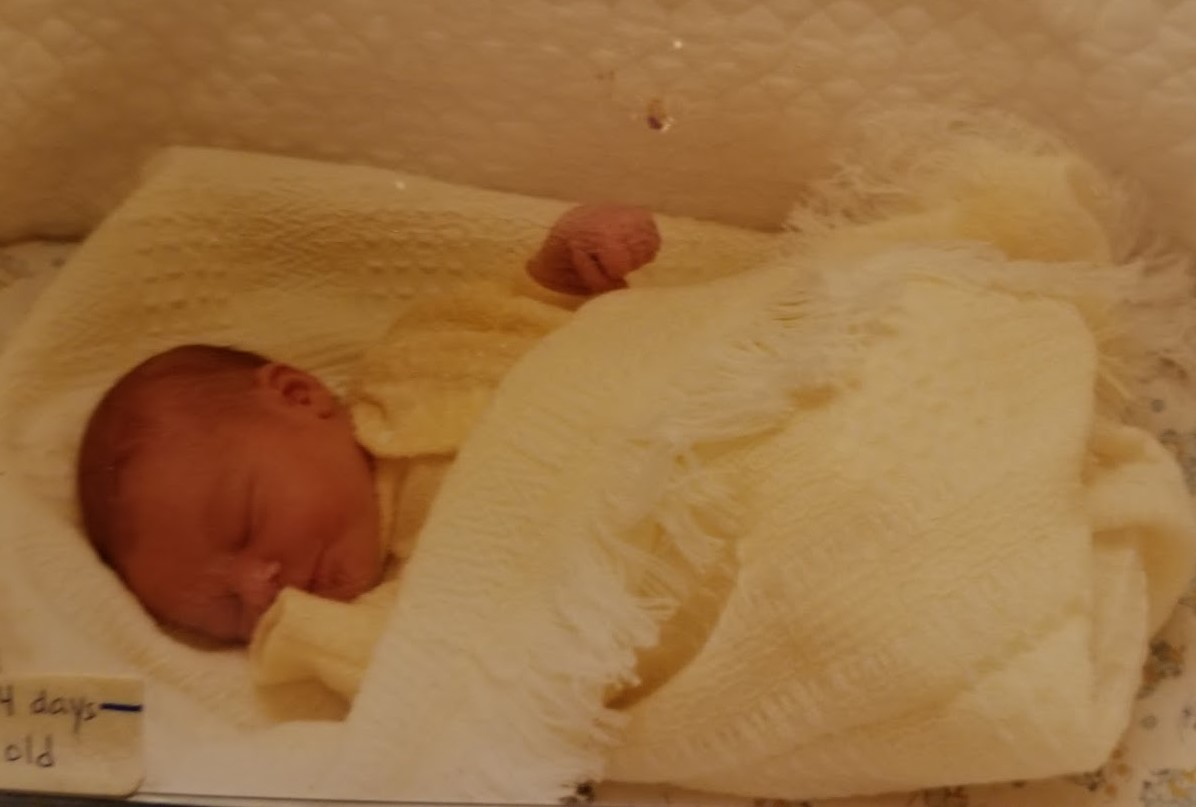
I wouldn’t trade the experience of parenthood for anything and it only gets better with grandparenting. I know grandparents who are raising a second generation who would perhaps argue with that, but the love and commitment and energy they share at this older stage of life with their young’uns is nothing short of amazing, with its own rewards. These little ones bask in the love and attention the grandparents shower.
And the love goes both ways. A friend of mine, Sara Wenger Shenk, shared this precious story in her new book, Tongue-Tied: Learning the Lost Art of Talking About Faith.

This experience happened before the Covid pandemic: “My husband and I visited the church where our two-year old grandson attends with his family. In the foyer when he spotted us, he shrieked with delight, danced a little jig, flinging his arms wide, and made a dash for his grandpa’s arms. He beamed from head to toe. Everyone who watched him glowing in his grandfather’s arms saw the radiance of pure love.” A lot of us have now been vaccinated twice and are once again enjoying hugs from our little ones.
In my experience, being a parent teaches us about love, patience, understanding, glee, sacrifice, hard work, the nature of pain, courage, stick-to-itiveness, and what our own parents taught us (if we were among the lucky ones with good or great parents).
Back to the forty-year-old daughter. Does it stop me in my tracks realizing her age makes me pretty old? Of course. Does it make me ponder what’s ahead? Of course. My mother’s own situation (and gratitude that we still have her) also jerks me into the reality of knowing my husband and I won’t be on this earth forever.

What a wonderful gift God gave us through families! Parents are meant to nurture, shape, raise, and influence the next generations. No one said the job is easy. There are always conflicts, different ways of viewing the world because of the different generations we’ve grown up in, different values and goals. And there have always been political conflicts in families—think of the wars that have split families before even donning a uniform or choosing a path different than your parents did. The pandemic of the past year and months has caused many family conflicts too.
But the God of love showers us with energy and compassion and good will and hopefully wisdom, even when we disagree on paths. May we continue to do our best with whatever children and grandchildren and even great grandchildren come our way.
Labor stories?
The best parenting advice you ever received? Or the worst? We’d love to hear!
***
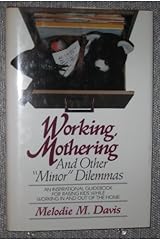
This month I’m giving away two copies of one of my early books, Working, Mothering, and other “Minor” Dilemmas. Enter your name by email at anotherwaymedia@yahoo.com or the Another Way Newspaper Column Facebook page. Or send to Another Way Media, P.O. Box 363, Singers Glen, VA 22834 postmarked before May 20, 2021.
Another Way is a column by Melodie Davis, in syndication since 1987. She is the author of nine books. Another Way columns are posted at FindingHarmonyBlog.com a week after newspaper publication.
Another Way for week of April 23, 2021
Let’s Hear it for: Planning Ahead
Sixth in an eight-week series on “Let’s Hear It.”
Faithful followers of this column know I’m nearly through doing a series on a related theme. This has been a tool to keep me focused on what I’m going to write about next week and the next, etc. There is nothing worse than waking up two days before a column is due and panicking, what on earth am I going to write about this week?
Sometime around the end of January, I was drooping in the idea department and took a few minutes to probe my brain for things I wanted or felt compelled to write about. I knew readers (me too) were certainly getting tired of reading about pandemic this and vaccinate that, and wanted to provide a lift. So I went through my basket of ideas—literally random thoughts jotted down from time to time about possible column topics. I organized the ideas into a series that I thought would work—for me if for no one else. I don’t know if papers are using the little “editor’s note” at the top describing the current columns as a series, but whatever. That’s not the important thing. The important take away for readers is—as in this column, the beauty and blessing of planning ahead.
Planning ahead helps you can keep up with the chores you’d like to get done, menus that will keep you from the 4 o’clock panic of oh my what on earth are we going to have for dinner, people you need or want to call or drop a get well card to, people you need to contact about a church function or assignment. Or hobbies or projects or exercises you’d like to begin!
My daughter will forgive me I hope for using my favorite story here of her habit of procrastinating in middle and high school. By high school I didn’t always know what her assignments were, or looming special projects. The kind where you have to run to town to get special markers or paper or posterboard. Actually, if she needed Dad’s help—such as her idea to build a French guillotine (I kid you not)—she normally got him involved early enough in the assignment that she could work with him to build the horrible thing (which stayed in the darkest corner of my cellar for a number of years).
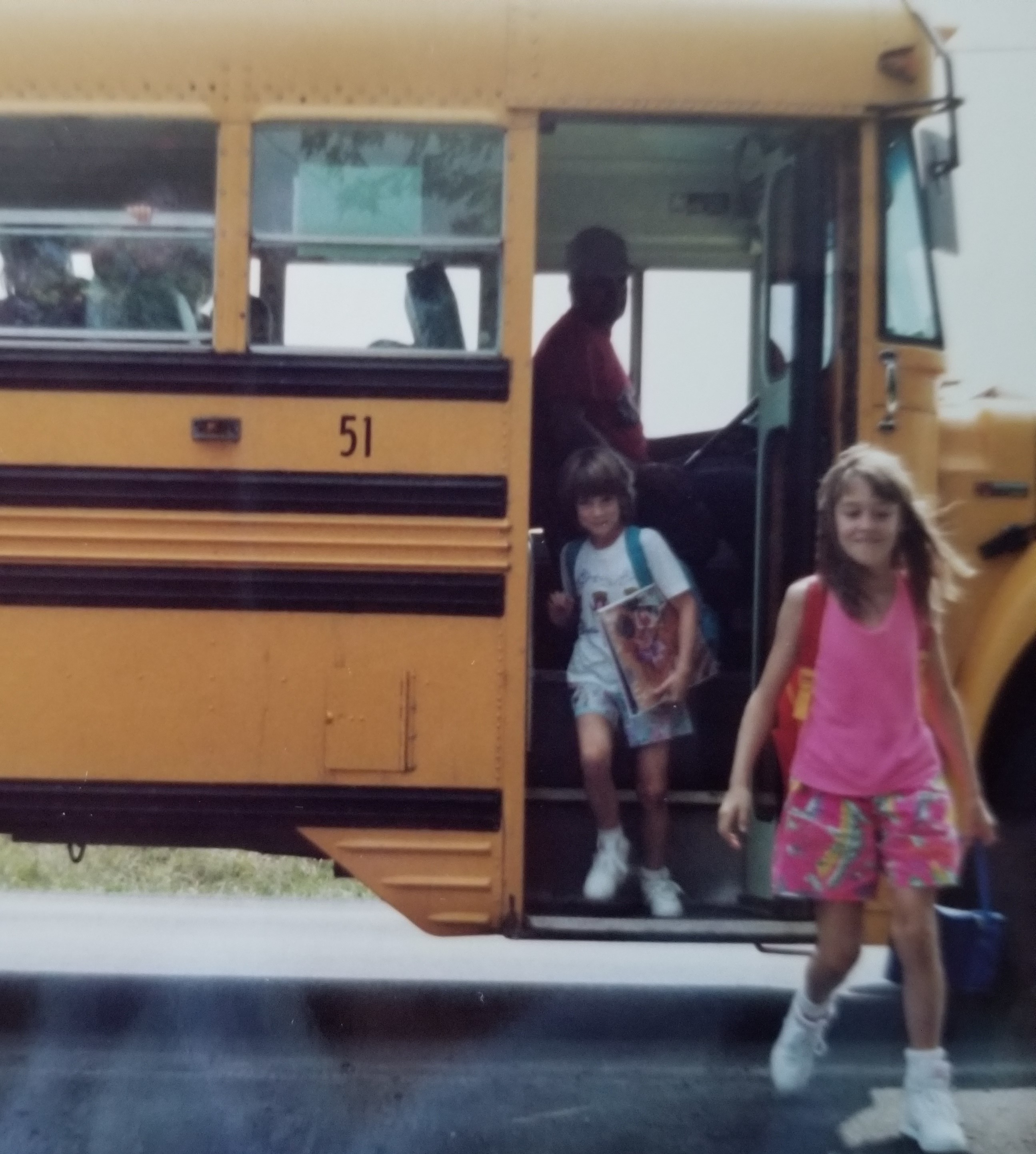
But one school morning she got up around 6:30 and said, “Oh yea, Mom, could you help me pull together a project for the science fair?” Eyes pleading.
“What!” I exclaimed. Then sighing, I probably said, “Maybe. When it is due?” and lowered my eyebrows into a motherly scowl.
“Today.”

I looked her in the eye, swallowed hard, and said, something like, well, get to work. I forget what she came up with and what I had to gather for her to complete it (I tried to keep posterboard on hand for such last minute calamities) and low and behold, she got it together with minimal help but lots of me cheering her on. And of course offering her a ride to school in our van rather than dragging it on the school bus which gave her a little extra time to finish. I think she got at least a C for her efforts.
So. Don’t procrastinate. Plan ahead. Get that list going. You know these things. As the Good Book says, “Happy are they who do these things.” (John 13:17, paraphrased).
And you know what? From my end, columns like this almost write themselves, at least for me. I start with a word or phrase and let my brain go and I truly hope it inspires you to get a task on your calendar or your refrigerator, marker board, bulletin board—or create a list somewhere. Have a wonderful week!
***
Any last-minute homework finished or forgotten—or other—stories to share?
Does planning ahead make you feel organized–or guilty and stressed?
Comment here or send to anotherwaymedia@yahoo.com or Another Way Media, P.O. Box 363, Singers Glen, VA 22834.
Another Way is a column by Melodie Davis, in syndication since 1987. She is the author of nine books. Another Way columns are posted at FindingHarmonyBlog.com a week after newspaper publication.
April 27, 2021
Getting Started Again
Well, last year around this time of year, I gave myself almost a month’s vacation, including almost a week of travel to Indiana to visit my mother. With a stop in Ohio at our daughter’s house, and back. I kept up with writing my newspaper column, but nothing on my memoir project.
I was pondered if I could dig back into the memoir project again. Would my energy and creativity subside and be lost to the passage of time?
So for the heck of it, I just jumped in. I speculated on a good next step. Where should I dig in again? And it seemed prudent to me to tackle Chapter 1 again. Currently that title is “It all Began in the Chicken House” (just to whet your appetite a bit). And then I planned to progress more chronologically through time. Earlier I had written snatches of this and that–stories, memories, descriptions, checking newsletters and reports for details. I knew in my heart I was going to get the sequence seriously messed up if I didn’t try to proceed from an actual real life timetable. I don’t want to get mixed up in what I put in what chapter, as some of the themes and topics are fluid and run throughout several of the proposed chapters.
So the next night I sat down at my laptop–amidst little breaks helping Stuart on his therapy (knee surgery last March 10 2020)–and just started writing. I also went to the basement to dig up some old articles from files to help me check facts, and by morning I was fully engaged: as excited as a pooch to dig in again.
At that point I wrote, “I think it is coming. Yay!”
And it still is. In fits and starts while also working on two other freelance projects. Did I say I’m retired?
I do get a nap almost every day, we go to a gym/pool and work out almost every morning (aiming for 4x a week), and then there’s dinner to get and gardening and stuff to do for church and Lions Club.
But it’s the BIG writing project at the back of my mind that keeps me creatively chugging along.
I’ve always been able to write in small chunks of time. I know some writers feel they must go to a retreat cabin to write, or a coffee shop, or have a solid week of time to devote to big writing, but those are hard to come by. Sometimes I have an hour here or there, but often it is literally 2 minutes between tasks.
Currently I can’t wait to get back into the memoir project. June-ish!
***
If you are a writer, what are your favorite places to write? Do you grab snatches of time? How do you keep plugging away?


Another Way for week of April 18, 2021
Let’s Hear it for: Smiles!
(Editor’s Note: Fifth in an eight-week series on “Let’s Hear It.”)
I’ve been practicing smiling like a woman I see at the pool where my husband and I work out. I find her smile contagious—just beaming at almost everything her small group of pool friends says or shares. Even when I can’t see or overhear what the other women are sharing (group of three), she smiles in empathy, encouragement, solidarity, companionship.
Long ago there as a woman at our church who was the same way. Her name was Kathryn Roller. She wore a smile that was almost endless. And she was just that kind of person: hopeful, helpful, always doing good for others. Her smile was infectious. Every time I thought of her then or even now (long since passed), I have to smile.

I used to be embarrassed to smile. I’m one of those gappy front-teeth-spaced-apart persons, who never had opportunity for braces while young. Very few of us had braces in those days. They used to be reserved for either the very rich, or those with extreme teeth and chewing problems. I used to try to bring my two front teeth together with rubber bands. I would wear the rubber bands for a couple of hours and would actually see my teeth come together in the front. But of course when I took off the bands, I lost the effect. I never dreamed of asking my parents if I could have braces, nor did I ever pursue it as a working adult. Smiles can be endearing and welcoming even when we don’t have perfect teeth.
There’s an ad on local TV advertising dentists who specialize in giving those with advanced teeth deterioration or other issues a new smile. One woman’s smile on the local ad is absolutely glorious. She says in the commercial, “Now I smile ALL the time. I can’t stop smiling.” It is truly a beautiful smile and she says her new teeth changed her life significantly.
Smiling more can even improve your health and well-being. The Henry Ford Healthcare System says that smiling not only boosts your mood, but helps release the all-important cortisol and endorphins that can help reduce blood pressure, reduce pain, stress, plus strengthen your immune system and endurance (henryford.com).
A sad side effect of our current need to wear masks when out in public is the world sees many fewer smiles. I try to practice smiling even when wearing a mask: you can see the crinkles around the eyes, and it is especially important now.
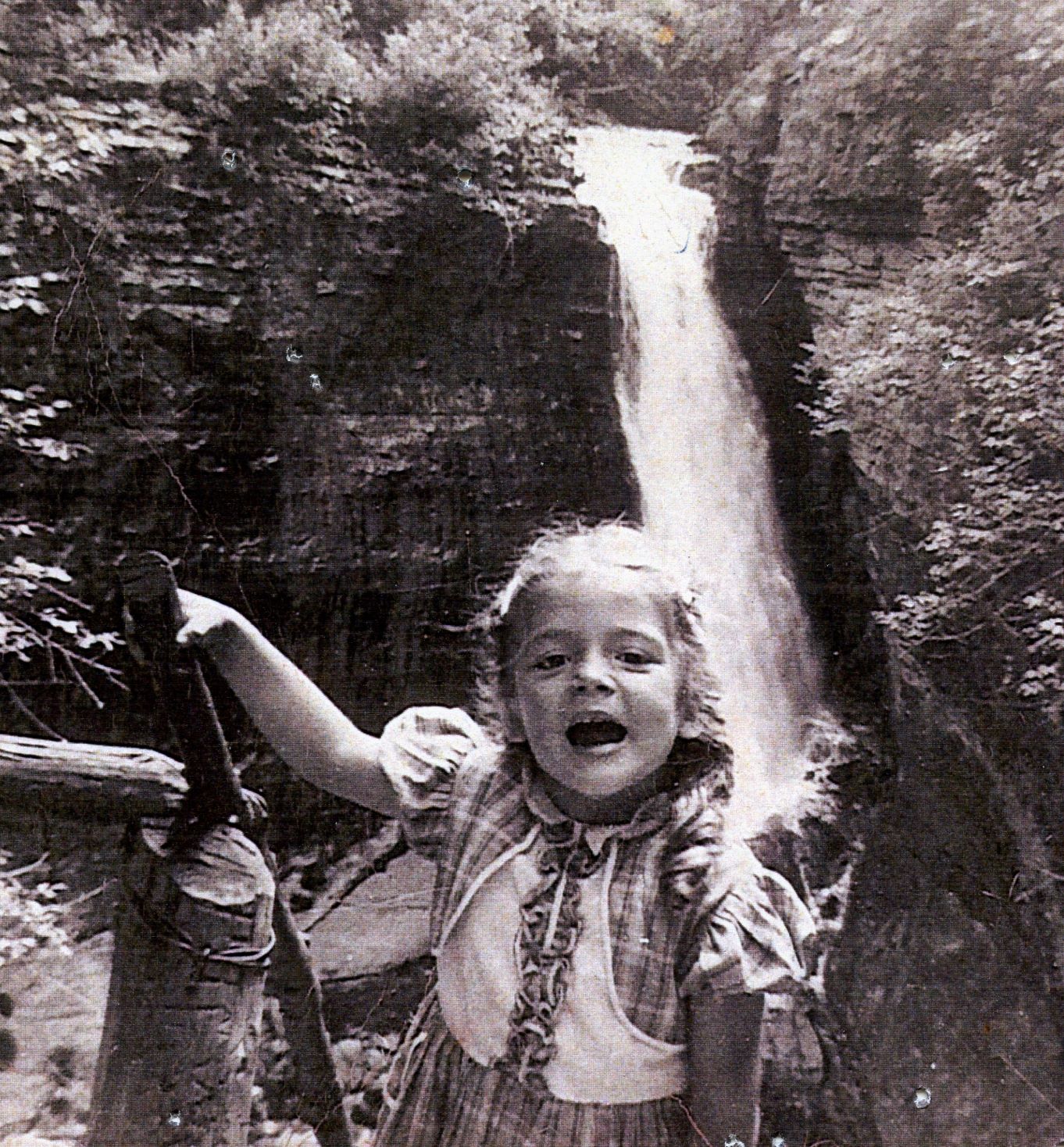
Many people have spoken of the benefits of keeping a gratitude notebook or journal, writing down things or people or experiences that you are thankful for. This can help improve your overall outlook. This also happens when we make the effort to smile more. When you are waiting at a stop light or standing in line at the grocery store, smile. Even though having to stop or wait is irksome, most of us won’t have our schedules for the day wrecked by needing to wait. (If we are always running late, that’s another issue to work on!) So the practice of smiling while waiting can change your outlook.
Smiling at children—yes even while wearing your mask—can produce smiles back. The Henry Ford website says that “children smile an average of 400 times per day, compared to the average happy adult who smiles 40-50 times per day, and the typical adult who smiles only 20 times per day.” Just today I watched a small child ignite smiles in five other people: so magical! https://www.henryford.com/blog/2017/10/health-benefits-smiling
We have just come through the season of Easter. There is no doubt in my mind that Jesus was a frequent smiler. Yes, he got angry—he was also human. But if you read the stories and conversations in scripture, you can detect how welcoming his smile must have been.
And now that I’ve finished this column, can you tell I am smiling? (Imperfect though it is.) See how many times you can make someone else smile today!
***
What have you observed about smiles?
Comment here or send to anotherwaymedia@yahoo.com or Another Way Media, P.O. Box 363, Singers Glen, VA 22834.
Another Way is a column by Melodie Davis, in syndication since 1987. She is the author of nine books. Another Way columns are posted at FindingHarmonyBlog.com a week after newspaper publication.

Another Way for week of April 9, 2021
Let’s Hear it for Siblings
(Editor’s Note: Fourth in an eight-week series on “Let’s Hear It” with thoughts on various topics.)
How do families manage care for aging parents if there is only one child?
Yes, plenty of people choose not to have children, and many stop at one. These are perfectly acceptable households and ways of living. I’m not putting anyone down for the choices they’ve made or had thrust upon them because of fertility problems or other issues.
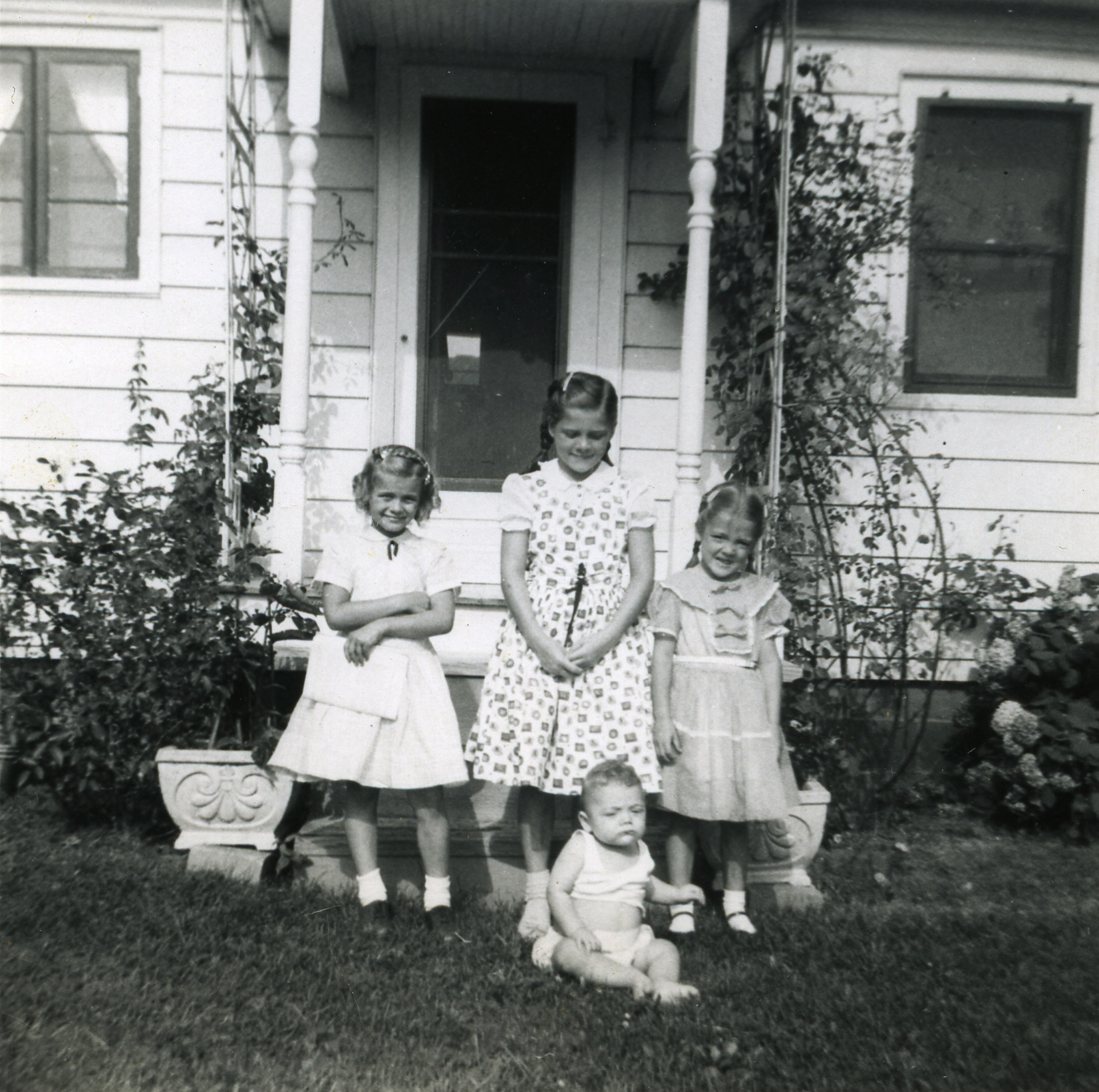
But at this stage of life, I am not only grateful we have three children, but that I grew up in a family with four siblings.
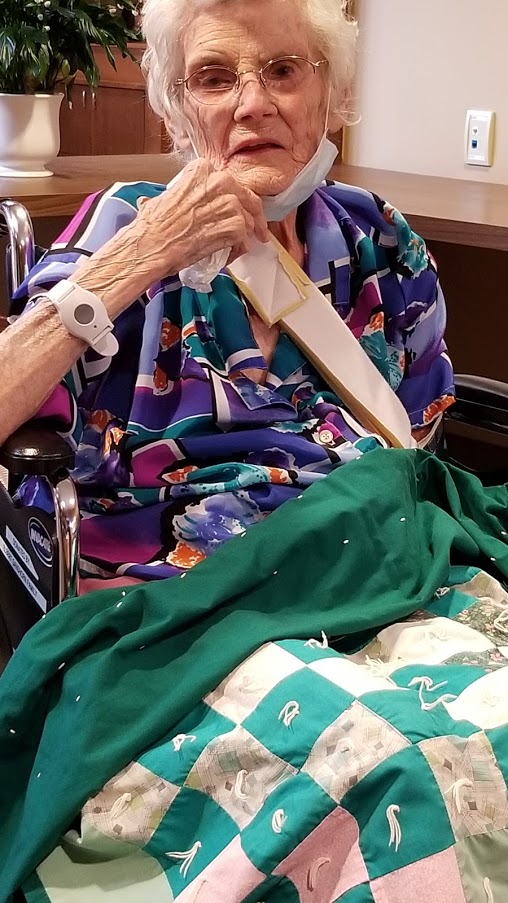
My mother had another fall in February. This time she broke her shoulder (last year it was her femur). She has been working heroically to recover. We are so proud of her. But it is hard for her, hard for us, hard for any family during these still-pandemic times.
On Easter Sunday after trying multiple times to connect with her by phone, she closed out our phone call by saying “I am so thankful to have such wonderful kids.” I was in the process of hanging up, and almost didn’t hear her sweet words. She has said that to us numerous times in the past, but her recovery this time has been slower, more painful, more difficult, more depressing for her and us. The difficulties have made it harder to find things to be thankful about. She says she complains too much, but who wouldn’t?
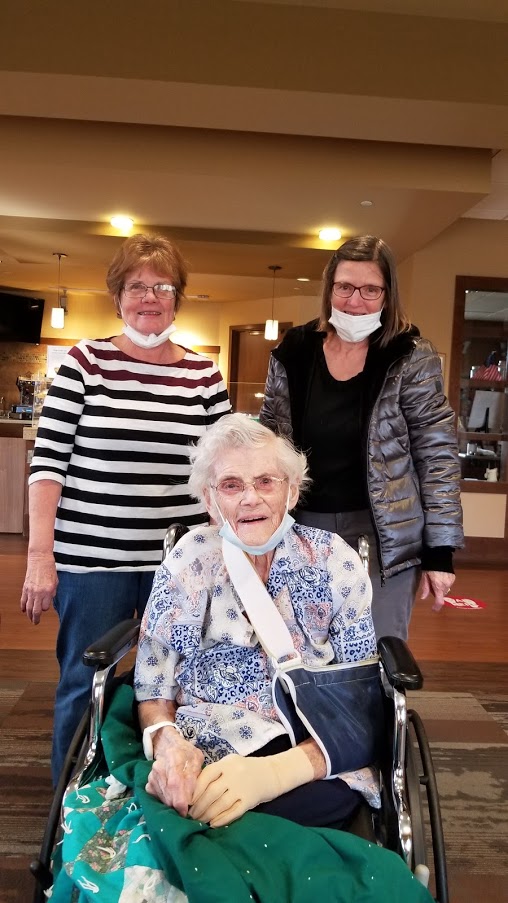
But Mother has a team of us who take on different caregiver roles, something we’ve tapped and named in these later years. Most families are spread out in these times, and rare is the family whose children all live close by. Mom is blessed to have my oldest sister living within 10 miles. She’s a retired nurse. Nancy runs countless errands for Mom in addition to asking knowledgeable questions of the medical staff.
My second oldest sister is Mom’s power of attorney. Mom can still keep her own checkbook and pay her own bills, but Pert is her helper/overseer in this department and I’m sure she does more than I even know about. She is also the asker of hard questions—willing to push and confront staff. God bless her.
My youngest brother lives farthest away—about 900 miles. His wife and her sister take turns caring for their mother who has dementia. So Terry stays in touch with Mom the best he can and we all appreciate the pastoral role he takes on when he is able to visit: leading in prayer and holding hands—so sweet and tender. I remember that gift especially when Dad was in failing health.
Me? I’m the writer of course, trying to keep in touch with Mom by mail and phone—and also jotting down notes and then typing them and emailing them to the family to summarize conversations and decision making by the family and Mom’s Careteam from the rehabilitation unit she is currently in.
Of course we all interchange our roles from time to time. I’m sure those who work in nursing facilities pretty much roll their eyes when the “out of town” family members descend on the facility, demanding such and such, asking why about that oversight, or finding a new sore that has developed.
I have felt so sorry for those who’ve lost a loved one in this past year and were not able to be with their relative physically in their final days or hours. At least many facilities have now opened up visitation with compassionate care rules that allow those connections to happen for grieving and bereft family members going through the valley of shadows.
They say getting old is not for sissies, to use an old term. But thank goodness for sibs, if you are fortunate to have good ones who show up, do what they can, pray when they can’t, send flowers, checks or gift cards, and generally support the whole team through the tough times of aging.
***
Your thoughts or stories?
I’m sure when families disagree about care plans for elderly parents, that sometimes it might feel easier and less stressful to be the only child. I’ve talked to numerous folks when disagreements or non-involvement have caused additional grief and stress.
***
Comment here or send privately to anotherwaymedia@yahoo.com or Another Way Media, P.O. Box 363, Singers Glen, VA 22834.
Another Way is a column by Melodie Davis, in syndication since 1987. She is the author of nine books. Another Way columns are posted at FindingHarmonyBlog.com a week after newspaper publication.
Sending off a proposal
Last year at this time,* I was spending days in a blur, and getting extremely frustrated with how my husband’s knee therapy was advancing, or wasn’t, because of the quarantine. Days were long and unexciting.
Than I remembered my goal of getting a proposal off to a possible publisher by the end of April. My day suddenly became one sparked by purpose, by a goal beyond getting three meals on the table and surviving eight or more hours of my husband’s therapy and applying ice and making more. I was coach as we spent several weeks without a physical therapist due to Covid.
I still get much joy our of ideating, creating, writing, editing, correcting, tweaking, and finally, pronouncing it done. Well done, I hope, or at least readable, marketable and interesting to others.
I was able to snag extra time to work on my memoir because I purchased a column (for my syndicated newspaper column) from a great nephew, Stone, to use, which was well received. In early April his school had closed down for the year and he wrote a great Facebook post on being a senior finishing up his year. His “help” enabled me to finish drafting three sample chapters.
After doing my best, I left them rest a bit for breathing space before tackling another serious edit.
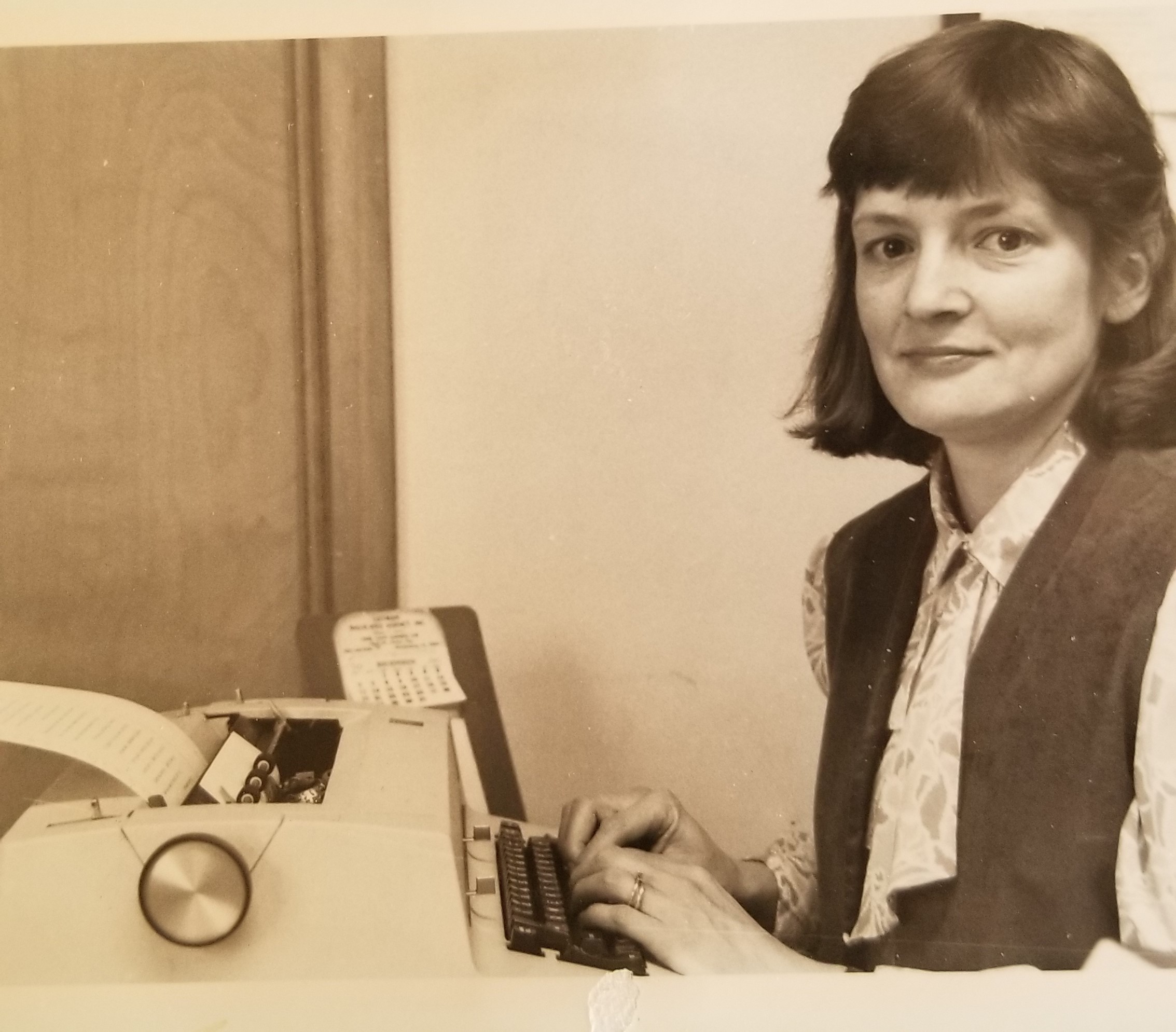
Then, whew. I hit send. After doing a final proofing of my proposal, three sample chapters, my vita, and a chapter outline, I was almost as giddy with eagerness as I was the first time I ever sent off a book proposal. Only now there’s no endless retyping on a manual typewriter (yes I did that!), and securing a large envelope and postage plus that all important SASE.
On a trot out to retrieve our morning paper, (yes, we still subscribe to the paper), I realized I’m still asking myself whether my project has merit, is it publishable, can I really do this, just like I did in 1982 or so! Nine books and many other brainstorms later, I still have a foot in the game, and anxiously awaited a response from a publisher.
And now, I will sit back and wait for a response, and do other things. Happy day!!
***
If you are a writer, do you love to spend time writing? Or do you dread or hate it?
Is it a chore or a diversion or a hobby or your livelihood?
*I’ve decided to come clean and reveal that these posts on writing a memoir were first drafted last year as I worked on a proposal and various chapters. I am sharing the ups and downs and will lead up to talking about titles and subtitle options, covers, and eventually, I hope publication and launch. I will enjoy and appreciate any feedback or your own stories!
***
An author I’ve worked with who helps writers be published is Margot Starbuck. Check out her robust resources and info here! She sparkles with ideas and pizazz!

 findingharmonyblog